
Sauces & Condiments
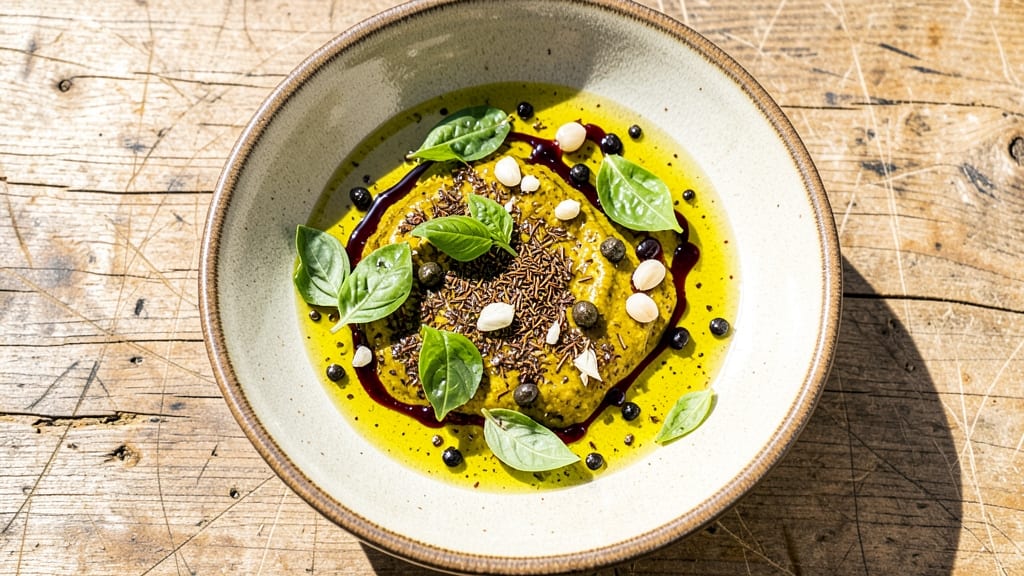
This Sicilian oven salad dressing recipe transforms simple ingredients into a rich, aromatic sauce that brings Mediterranean sunshine to every bite. 🌞 The secret lies in toasting garlic and herbs in olive oil until fragrant, creating layers of depth that elevate salads, marinades, and even grilled vegetables.
Unlike store-bought dressings, this version develops complex flavors through slow infusion—no blender required. What sets this dressing apart is its versatility and authentic taste.
Extra virgin olive oil forms the base, while red wine vinegar adds brightness, and a blend of oregano, basil, and capers delivers that unmistakable Sicilian character. The optional toasted garlic step (cooked low and slow) ensures no harsh bite remains, just warm, savory richness.
The result is a silky, emulsified dressing with a perfect balance of tangy, herby, and umami notes. Drizzle it over arugula with cherry tomatoes, toss it with grilled shrimp, or use it as a marinade for chicken—its bold flavor stands up to anything.
Best of all, it keeps for up to a week in the fridge, letting flavors deepen over time. For those who love customization, adjust the acidity with lemon juice or add a pinch of red pepper flakes for heat.
The key is patience—letting the dressing sit for at least 30 minutes before using unlocks its full potential. Ready to transform your salads?
Ingredients for sicilian oven salad dressing
Nine simple ingredients transform into a restaurant-quality Sicilian dressing with deep, aromatic layers.
| Ingredient | Amount | Notes |
|---|---|---|
| Extra-Virgin Olive Oil 🫒 | 1 cup | High-quality, fruity variety |
| Garlic Cloves 🧄 | 6 whole | Peeled, lightly toasted |
| Fresh Basil Leaves 🌿 | ½ cup | Packed, stems removed |
| Dried Oregano 🍃 | 1 tsp | Mediterranean variety preferred |
| Capers 🍅 | 2 tbsp | Chopped, packed in brine |
| Red Wine Vinegar 🍷 | ¼ cup | Dry, aged variety |
| Dijon Mustard 🌶️ | 1 tbsp | For emulsification |
| Salt 🧂 | 1 tsp | Diamond Crystal preferred |
| Black Pepper 🌶️ | ½ tsp | Freshly cracked |
| Lemon Juice 🍋 | 1 tbsp | Freshly squeezed |
The olive oil is your foundation—look for extra-virgin with a fruity, peppery finish. Trader Joe's and Whole Foods carry excellent options, but any high-quality brand will work. Toasting the garlic is non-negotiable; low and slow in the oil until golden ensures no harsh bite remains. Fresh basil should be bright green and fragrant—avoid wilted leaves. Capers add that signature Sicilian tang, so use the good stuff from a jar, not the pre-packaged kind. The red wine vinegar should be aged at least 1 year for depth.
No fresh basil? Dried works at one-third the amount, but fresh is ideal. Swap capers for lemon zest or a pinch of red pepper flakes if unavailable. The Dijon mustard is key for emulsification—Maille or Amora brands are reliable. For extra richness, add 1 tbsp of tahini. The dressing thickens as it sits, so start with slightly less oil if you prefer a looser consistency. Adjust acidity with more lemon juice if needed—taste as you go.
Store in a clean glass jar with a tight seal. Keeps for 1 week in the fridge, but flavors deepen over time. For longer storage, transfer to an airtight container and freeze for up to 3 months. Shake well before using, especially after refrigeration. This dressing pairs beautifully with grilled meats, roasted vegetables, or fresh salads—its versatility makes it a pantry staple.
Why You'll Love This Recipe
- No-Fuss Blend: I swear by this dressing because it’s literally a pulse of the blender—no straining, no fussing. Toss in the olive oil, minced garlic, basil, oregano, and capers, then hit pulse. That’s it. No waiting for emulsifiers or complicated ratios.
- Bratwurst’s Best Friend: Honestly, this isn’t just salad dressing—it’s the hero of any grilled meat. The capers add a salty punch, the garlic sings, and the basil ties it all together like a Mediterranean hug. Slather it on chicken, fish, or even a simple charcuterie board.
- Weeknight Magic: Between us, this is my go-to when I’m too tired to think. It keeps in the fridge for weeks, so I can toss it on greens, pasta, or roasted veggies without last-minute stress. Plus, the capers make it feel fancy—even if I’m wearing pajamas.
- Budget Brightener: Extra-virgin olive oil is the MVP here—it’s cheap, shelf-stable, and makes everything taste like a vacation. Dried oregano and capers stretch my grocery budget, but the flavor? Ridiculously good. I’ve used this to dress up sad leftovers into something that feels intentional.
Step-by-step instructions for Sicilian oven salad dressing
Here's how to make this rich, aromatic dressing with toasted garlic and vibrant herbs.
🔥 Step 1: Toast the Garlic for Deep Flavor
Preheat your oven to 375°F. Place the 6 whole peeled garlic cloves on a small baking sheet lined with parchment paper. Drizzle lightly with 1 teaspoon of the extra-virgin olive oil to prevent burning. Roast for 12-15 minutes until the edges turn golden brown and the cloves smell intensely fragrant.
Watch closely after 10 minutes—garlic burns quickly once it reaches this stage. The perfect toasted garlic should be soft inside with crispy, caramelized edges. Let them cool for 5 minutes before handling, as they'll be very hot. This toasting process creates a nutty depth that sets this dressing apart from standard vinaigrettes.
🍳 Step 2: Blend the Base Ingredients
In a blender or food processor, combine the toasted garlic cloves, 0.5 cup fresh basil leaves, 1 tablespoon Dijon mustard, 1 teaspoon dried oregano, 1 teaspoon salt, and 0.5 teaspoon black pepper. Pulse until the basil is finely chopped and the mixture forms a coarse paste—you want some texture to remain, not a completely smooth purée.
This step builds the aromatic foundation. The mustard acts as an emulsifier, while the oregano and basil provide that signature Sicilian herb profile. Don't over-blend or you'll lose the vibrant herb notes that make this dressing special. The texture should be chunky enough to see visible herb flecks when you finish.
🥘 Step 3: Slowly Incorporate the Oils
With the blender running on low speed, slowly drizzle in the remaining 1 cup extra-virgin olive oil through the feed tube. This gradual addition prevents the dressing from breaking and ensures proper emulsification. Continue blending for 1-2 minutes until the mixture becomes thick and creamy, coating the back of a spoon.
If the dressing appears too thick, add 1 tablespoon at a time of the red wine vinegar until you reach a smooth, pourable consistency. The oil should be fully incorporated with no separation. Taste and adjust seasoning—this is where you'll notice if you need more salt, pepper, or a splash of vinegar for brightness.
🍋 Step 4: Finish with Acid and Capers
Transfer the dressing to a bowl and stir in the 2 tablespoons chopped capers and 1 tablespoon lemon juice. The capers add a briny contrast that balances the richness of the olive oil, while the lemon juice brightens the entire composition. Mix well to distribute the capers evenly throughout.
Let the dressing rest for 10 minutes at room temperature. This allows all the flavors to meld together completely. The dressing should have a velvety texture with visible herb specks and caper bits. If it thickens too much after resting, thin with an additional 1 teaspoon of vinegar or water. This Sicilian dressing is perfect for drizzling over warm roasted vegetables or tossing with fresh greens.
Pro Tips For Making Sicilian Oven Salad Dressing
- Toast the Oregano: Sprinkle the dried oregano directly into the hot oil for 10 seconds—just until you smell that earthy aroma. I used to skip this, but toasting it deepens the flavor without burning it. (Yes, even if you’re impatient like me.)
- Smash the Garlic: Use the flat side of your knife to crush the garlic cloves before mincing—this releases more flavor. I learned this after tasting bland dressings where the garlic was just chopped, not broken down.
- Drain the Capers: Rinse and drain the capers thoroughly in a fine-mesh strainer before adding them to the dressing. The brine can make the oil separate later, and you don’t want that salty kick overwhelming everything.
- Pulse the Basil: Blend the basil leaves in a mini food processor for 5 seconds—just enough to chop them finely but not turn them into paste. Whole leaves sink to the bottom of the jar; this keeps them evenly distributed. (Your future salads will look prettier.)
Regional styles of this dish
Sicilian vs. Italian Dressings
While Italian dressings often rely on garlic and basil, Sicilian versions distinguish themselves with toasted garlic and capers—key ingredients that create a deeper, brinier flavor.
Traditional Italian dressings might use lemon zest or anchovies, but Sicilian dressings lean into red wine vinegar and oregano for a more complex, aromatic profile. The toasting process in this recipe mimics the way Sicilians prepare garlic for pasta dishes, adding a nutty sweetness that's missing in standard vinaigrettes. 🌿
Palermo-Style Twist
In Palermo, Sicily's capital, dressings often incorporate chili flakes and anchovies for a bold, umami kick. For a Palermo-inspired variation, add ½ teaspoon red pepper flakes and 1 teaspoon finely chopped anchovies (packed in oil) to the base blend.
This version pairs perfectly with grilled swordfish or roasted eggplant. The anchovies dissolve into the oil, adding a salty depth that's characteristic of Palermo's coastal cuisine.
Catania's Herb-Forward Approach
Catania, on Sicily's east coast, favors fresh herbs and citrus in its dressings. For a Catania-style version, increase the fresh basil to ¾ cup and add 1 tablespoon finely grated lemon zest along with the lemon juice.
Catania's proximity to citrus groves means bright, zesty flavors dominate. This variation works beautifully with seafood salads or grilled vegetables, cutting through richness with its vibrant acidity.
Rural Sicilian Farmhouse Style
In rural Sicily, dressings were made simply with what was available: olive oil, vinegar, and wild herbs. For an authentic farmhouse take, swap the dried oregano for 1 tablespoon fresh rosemary and 1 tablespoon fresh thyme, finely chopped.
Use balsamic vinegar instead of red wine vinegar for a sweeter, slightly syrupy note. This rustic version pairs wonderfully with charred artichokes or roasted potatoes, evoking the flavors of Sicily's countryside.
Modern Fusion Adaptations
Today's Sicilian dressings often blend tradition with innovation. Try adding 1 tablespoon of tahini for a nutty richness or 1 teaspoon of honey to balance acidity in a sweet-savory twist.
For a smoky variation, infuse ½ cup of the olive oil with 1 crushed dried arancino pepper (a Sicilian chili) for 30 minutes before using. These modern adaptations keep the dressing's core flavors while adding contemporary depth.
Nutrition facts
Frequently asked questions
Can I make this dressing without a blender?
For a rustic version, finely chop the toasted garlic and basil by hand, then whisk all ingredients together in a bowl. The texture will be slightly chunkier, but you'll still get that rich Sicilian flavor. Let it sit for 30 minutes to emulsify naturally—stir occasionally to help combine the oil and vinegar.
How do I prevent the dressing from separating?
The key is slow emulsification: add the olive oil very gradually while blending on low speed. Dijon mustard acts as a natural emulsifier, but if your dressing still separates, whisk in 1 teaspoon of honey or sugar to help stabilize it. For extra insurance, add 1 extra tablespoon of mustard when blending.
What's the best way to store leftovers?
Transfer to a clean glass jar with a tight lid and refrigerate for up to 1 week. The flavors actually improve over time! For longer storage, freeze in ice cube trays (thaw in fridge overnight). Always shake well before using, especially after refrigeration, as cold temperatures can cause slight separation.
Can I use this dressing as a marinade?
Yes! This dressing makes an excellent marinade for chicken, shrimp, or vegetables. For meat, use within 4 hours of marinating. For seafood, use immediately after mixing. The acidity in the vinegar helps tenderize proteins while the herbs infuse flavor. Just be sure to pat dry the protein before cooking for better searing.
What if I don't have capers?
No problem! Substitute with 1 tablespoon chopped green olives or 1 teaspoon fish sauce for umami depth. For brightness, add an extra 1 teaspoon of lemon juice. The dressing will still taste authentic—capers just add that signature Sicilian brininess that's hard to replicate.