
Sauces & Condiments
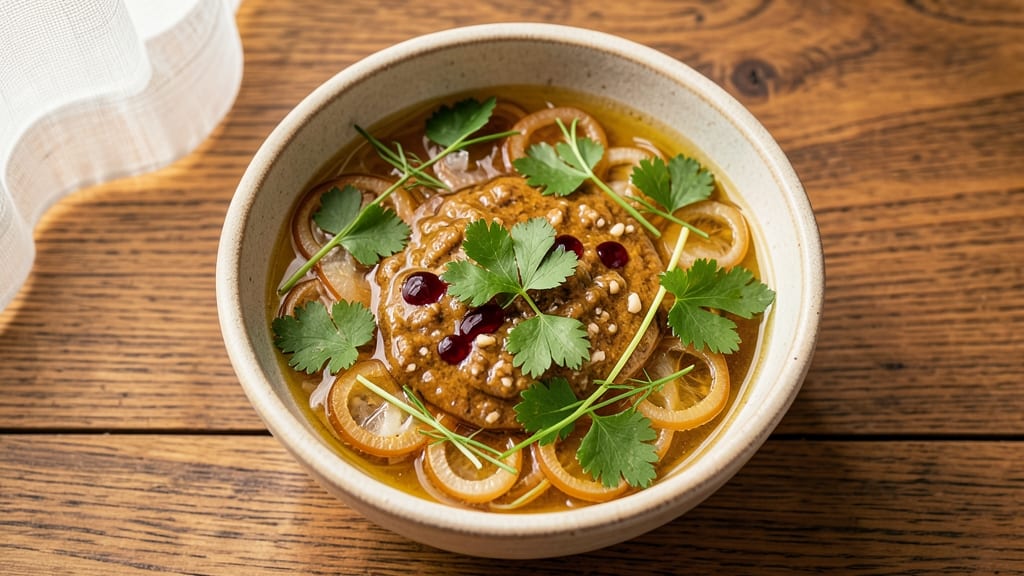
This beef salad dressing recipe transforms simple greens into a hearty, restaurant-worthy meal with every drizzle. The bold herb vinaigrette balances rich beef flavors perfectly—tangy, savory, and packed with fresh aromatics that elevate any salad from basic to extraordinary.
What sets this apart is the perfect ratio of vinegar to oil, creating a dressing that clings beautifully without overpowering the ingredients.
The secret lies in the herb blend: parsley, tarragon, and shallots infuse the dressing with bright, earthy notes that complement beef beautifully. I developed this recipe after realizing most store-bought dressings lack the depth needed for beef salads—they either taste too sweet or too mild.
This version stays balanced, with just enough acidity to cut through rich proteins while enhancing their natural flavors.
What you'll end up with is a velvety, well-emulsified dressing that enhances every bite of beef, roasted vegetables, or crisp greens. The ingredients come together in minutes, and the dressing keeps well in the refrigerator for up to a week—ideal for meal prep.
This isn't just another salad dressing; it's the missing link between beef and fresh greens.
Use it on classic beef salads, hearty grain bowls, or even as a marinade for beef tenderloin. The versatility makes it a staple in any kitchen where bold flavors matter. Let's make this dressing that brings beef salads to life.
Ingredients for beef salad dressing
Nine ingredients create this restaurant-worthy dressing that transforms beef salads into flavorful masterpieces.
| Ingredient | Amount | Notes |
|---|---|---|
| Extra-Virgin Olive Oil 🫒 | ¾ cup | High-quality, fruity variety |
| Red Wine Vinegar 🍷 | ½ cup | Dry, bold flavor preferred |
| Fresh Parsley 🌿 | ½ cup | Finely chopped, stems removed |
| Fresh Tarragon 🌿 | ¼ cup | Chopped, or substitute 1 tbsp dried |
| Shallots 🧅 | 3 whole | Minced, or sub 3 tbsp onion |
| Garlic Cloves 🧄 | 2 cloves | Minced for depth of flavor |
| Dijon Mustard 🌶️ | 1 tbsp | For emulsification and tang |
| Honey 🍯 | 1 tbsp | Balances acidity, or sub maple syrup |
| Kosher Salt 🧂 | 1 ½ tsp | Diamond Crystal preferred |
| Freshly Ground Black Pepper 🌶️ | ½ tsp | Freshly cracked for best flavor |
The olive oil and vinegar ratio is key—0.75 cup oil to 0.5 cup vinegar creates the perfect balance for beef's richness. Whole Foods or Trader Joe's carry excellent extra-virgin olive oil options with bright, fruity notes that elevate this dressing. For the herbs, fresh is non-negotiable: parsley adds brightness while tarragon brings an anise-like depth that pairs beautifully with beef. Shallots contribute a subtle sweetness that rounds out the flavor profile—never substitute onion powder—it lacks the complexity. If you're short on time, dried tarragon works at one-third the amount, though fresh is ideal.
No red wine vinegar? Apple cider vinegar or balsamic vinegar both work well, though the flavor profile shifts slightly. Short on fresh herbs? Dried parsley at half the amount provides a similar green note, though it lacks the freshness. The honey balances the acidity—substitute maple syrup for a vegan option, though the flavor will differ slightly. For a spicier kick, add a pinch of cayenne or a dash of hot sauce. The Dijon mustard is essential for emulsification, but whole-grain mustard works too if you prefer a more textured dressing. Always taste as you go: beef salads need a dressing with enough acidity to cut through the richness without overpowering.
This dressing emulsifies beautifully and keeps for up to 1 week in an airtight jar in the fridge. For best results, whisk before each use to redistribute flavors. The herbs stay vibrant for 5-6 days, so make fresh batches if you notice wilting. Portion into small jars for meal prep—one batch makes 4-6 servings, perfect for a week's worth of beef salads. If you find yourself making this often, consider doubling the recipe and freezing half for later use. The dressing reheats well and maintains its velvety texture.
Why You'll Love This Recipe
- No Chopping Chaos: I swear by this—just finely mince those shallots (or buy pre-chopped if you’re really lazy) and toss them in with the vinegar and herbs. No dicing, no peeling stress, just a quick whisk. The parsley and tarragon stay whole, so they add texture without fuss.
- Herb-Packed Punch: That tarragon alone? It’s like a little flavor bomb—bright, anise-like, and just a whisper sweet. Pair it with the sharp tang of red wine vinegar and the rich depth of olive oil, and you’ve got a dressing that cuts through greasy salads or beefy dishes like a knife. Honestly, it’s the kind of balance that makes you want to drizzle it everywhere.
- Salad or Sauce?: Use it as a dressing for hearty beef salads (obviously), but I’ve also thinned it with a splash of water to toss with grilled steak strips or even as a marinade. Between us, it’s my go-to for quick beef bowls—just toss with cooked grains and roasted veggies. Works for lunch, dinner, or even a fancy-ish charcuterie board.
Step-by-step instructions for beef salad dressing
This herb vinaigrette delivers bold, balanced flavor perfect for hearty beef salads.
Mince Shallots and Garlic
Peel and thinly slice the 3 whole shallots into paper-thin rings using a sharp chef's knife. Transfer them to a small mixing bowl. Next, peel the 2 cloves garlic and mince them finely—you want tiny pieces that will dissolve completely into the dressing. Add the minced garlic to the shallots and set aside.
For best results, I use a microplane for the garlic—it creates an almost paste-like texture that blends seamlessly. If you don't have one, a sharp knife works fine, but be patient and chop very finely. The goal is to avoid any noticeable garlic chunks in the final dressing.
Whisk Vinegar and Seasonings
In a separate bowl, combine the 0.5 cup red wine vinegar, 1 tbsp Dijon mustard, 1 tbsp honey, 1.5 tsp kosher salt, and 0.5 tsp freshly ground black pepper. Whisk vigorously for 30 seconds until the honey and mustard are fully incorporated and the mixture appears smooth.
This step is crucial for balancing flavors. The vinegar provides acidity, the mustard adds emulsification power, and the honey rounds out the sharpness. Taste the mixture now—it should be tangy with a touch of sweetness. If it tastes too acidic, add a pinch more honey; if it's too sweet, add a splash more vinegar.
Combine Wet and Dry Ingredients
Add the shallot and garlic mixture to the vinegar mixture and whisk again for 20 seconds until fully combined. Then, fold in the 0.5 cup fresh parsley and 0.25 cup fresh tarragon using a rubber spatula. This gentle folding preserves the herbs' texture while distributing them evenly throughout the dressing.
Here's where the dressing starts taking shape. The herbs should be evenly dispersed but still visible—this adds both texture and aromatic depth. If using dried tarragon, reduce the amount to 1 tbsp and ensure it's thoroughly mixed in. The dressing should now have a vibrant green color with visible herb flecks.
Emulsify with Olive Oil
With the whisking motion, slowly drizzle in the 0.75 cup extra-virgin olive oil while continuously whisking. Start with a slow stream, then gradually increase to a steady pour. This gradual addition is key to creating a stable emulsion—you want the oil to blend smoothly without separating.
Continue whisking for 1-2 minutes after all the oil is incorporated. The dressing should thicken slightly and take on a creamy, velvety consistency. If it looks too thin, whisk in 1 tsp more Dijon mustard; if it's too thick, add 1 tsp water or vinegar to loosen it. The final texture should coat the back of a spoon without being gummy.
Rest and Adjust
Transfer the dressing to a clean jar with a tight-fitting lid. Let it rest at room temperature for 10-15 minutes before using. This resting period allows the flavors to meld and the emulsion to stabilize. Give it a final taste and adjust seasoning if needed—most dressings benefit from a touch more salt or pepper at this stage.
The dressing should now have a bright, herby aroma with a balanced tang. It's ready to elevate any beef salad, from classic steak and arugula to hearty beef and potato combinations. Store any leftovers in the refrigerator for up to 5 days, shaking well before each use to redistribute the oil.
Pro Tips For Making Beef Salad Dressing
- STRAIN THE SHALLOTS: I learned this the hard way—raw shallots in dressing make it grainy no matter how fine you chop. After mincing, press them through a sieve or fine-mesh strainer to remove bits. Yes, it takes 30 seconds extra, but your dressing will stay silky smooth instead of turning into a textured mess.
- EMULSIFY IN STAGES: Pour the olive oil into the vinegar mixture slowly, whisking like you’re trying to win a bet. Start with a thin stream, then add more once it begins to thicken. Dumping all the oil at once? You’ll end up with a split dressing—one that separates faster than a bad relationship.
- USE DRY HERBS: Fresh tarragon and parsley work best when completely dry—no wet stems or clumps. Pat them with a paper towel before chopping, or worse, your dressing will turn into a watery, herb-infused soup. (I’ve been there. It’s not pretty.)
- SALT THE SHALLOTS: Toss the minced shallots with a pinch of salt before adding them to the dressing. This draws out moisture and mellows their sharpness, so they don’t overpower the vinegar. Skip this, and your dressing will taste like someone dumped raw onion in there.
Common mistakes when making this recipe
Over-Whisking the Oil
Adding olive oil too quickly or whisking too aggressively creates an unstable emulsion that separates almost immediately. I learned this the hard way—my first batch turned into a greasy mess within minutes. Instead, pour the oil slowly in a thin stream while whisking steadily.
The goal is to let the oil incorporate gradually, not force it. If you see oil pooling on top, stop whisking and let it settle for 30 seconds before continuing. 💡
Skipping the Resting Time
Rushing to use the dressing right after emulsification means flavors won't meld properly, and the texture may feel uneven. Always let it rest for 10-15 minutes—this allows the herbs to release their full aroma and the emulsion to stabilize.
I notice a huge difference in flavor when I wait: the dressing develops a deeper, more complex taste. If you're impatient, at least let it sit for 5 minutes before using.
Using Low-Quality Ingredients
Cheap olive oil or vinegar will make your dressing taste flat and unbalanced. I recommend using extra-virgin olive oil with at least 70% oleic acid (check the label) and dry red wine vinegar for the best results.
The herbs should be fresh too—wilting parsley or tarragon adds bitterness rather than bright flavor. Investing in quality ingredients makes all the difference in the final product.
Ignoring the Emulsifier
Dijon mustard is the secret weapon here—it helps bind the oil and vinegar for a stable emulsion. Skipping it or using a mild mustard will result in a dressing that separates quickly. If you're out of Dijon, whole-grain mustard works too, but you may need to whisk more vigorously.
For a mustard-free option, add 1 tsp cornstarch or 1 egg yolk (for a richer texture) to help thicken the dressing.
Not Tasting as You Go
Many people assume the dressing will taste perfect after mixing, but that's rarely the case. Taste the vinegar mixture before adding oil, and adjust the balance of honey and vinegar. After emulsifying, taste again—you might need more salt or pepper.
I always make small adjustments until it's just right. This step ensures your dressing complements the beef perfectly, not overpowers it. 🌶️
Storing Improperly
Letting the dressing sit at room temperature for too long causes separation and bacterial growth. Always store it in an airtight jar in the fridge within 2 hours of making it. Before using, shake or whisk vigorously to re-emulsify.
If the dressing separates after refrigeration, simply whisk it back together—it's normal and easily fixed. For longer storage, divide the dressing into small jars to minimize air exposure and extend freshness.
Nutrition facts
Frequently asked questions
Can I make this dressing without fresh herbs?
Yes! Use 1 tbsp dried parsley and 1 tsp dried tarragon instead of fresh, but the flavor will be less vibrant. For best results, lightly crush the dried herbs between your fingers to release their aromatics before adding. If you're missing tarragon entirely, try 1 tsp dried basil or ½ tsp dried thyme for a different herbal profile.
How much dressing should I use per salad?
Start with 1-2 tablespoons per serving and adjust to taste. This dressing is bold and pairs well with hearty ingredients like seared steak or roasted vegetables. For delicate greens, use 1 tablespoon and build up to 2 tablespoons for richer components like potatoes or grains. Always taste before serving!
Can I use this dressing as a marinade?
Thin it with 1 part water or broth to 2 parts dressing for a lighter marinade. Let beef tenderloin or sirloin marinate for 2-4 hours (no longer, as the acidity can over-tenderize). The herbs and acidity will infuse beautifully, creating a flavorful crust when seared. Reserve some dressing for after cooking to drizzle over the finished meat.
Why did my dressing separate?
Separation usually happens from one of three issues: adding oil too quickly, skipping the emulsifier (Dijon mustard), or storing it improperly. To fix it, whisk vigorously for 1-2 minutes to re-emulsify. For future batches, pour oil slowly in a thin stream while whisking constantly. If it keeps separating, add ½ tsp more Dijon mustard or 1 tsp cornstarch to help stabilize.
What are the best salads to pair with this dressing?
This dressing shines on salads with rich proteins like seared steak, grilled lamb, or roasted chicken. Try it with hearty greens like arugula, spinach, or kale, or pair it with roasted potatoes, quinoa, or crusty bread. It also works beautifully on beef and potato salads or as a dip for grilled vegetables. The bold flavors stand up to almost any hearty ingredient!