
Salads
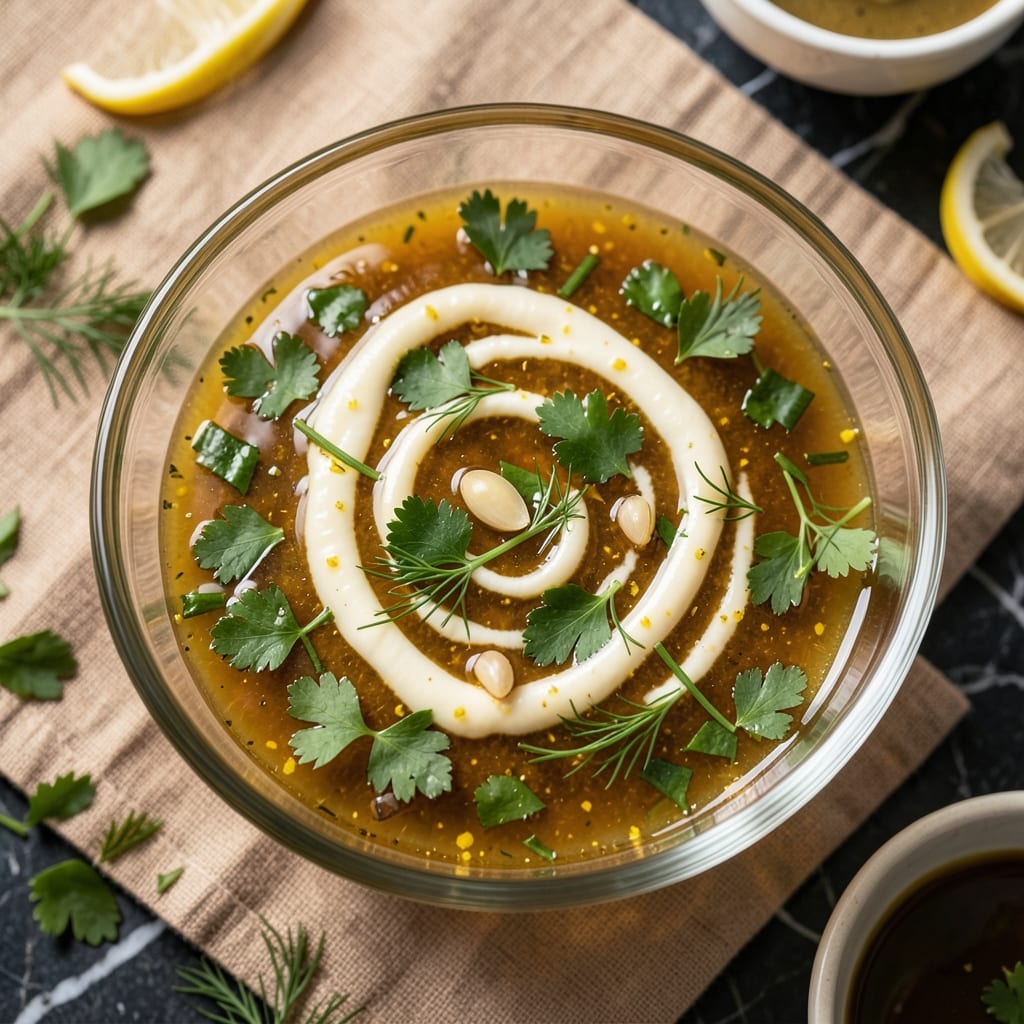
This Albasha salad dressing recipe transforms simple ingredients into a bright, herbaceous sauce that elevates any salad without relying on mayo. The secret lies in balancing lemon juice, olive oil, and fresh herbs to create a stable emulsion that stays creamy yet light. I developed this version after years of testing—it’s tangy, aromatic, and perfect for Mediterranean dishes.
The dressing combines olive oil, lemon juice, minced garlic, and a blend of parsley and dill for a fresh, zesty flavor. Unlike traditional mayo-based dressings, this one uses an emulsification technique to bind the ingredients smoothly. The result is a dressing that clings to greens and proteins without overpowering them.
What makes this dressing stand out is its versatility—it works equally well on grain bowls, grilled fish, or fresh salads. The lemon-herb combination brightens rich ingredients while adding a refreshing contrast. Once you try this, store-bought dressings won’t compare.
Ready in just 5 minutes, this dressing keeps well in the fridge for up to a week, making it ideal for meal prep. The blend of garlic, herbs, and citrus creates layers of flavor that transform ordinary salads into restaurant-quality dishes.
Ingredients for albasha salad dressing
Nine essential ingredients create this vibrant, mayo-free dressing perfect for Mediterranean flavors.
| Ingredient | Amount | Notes |
|---|---|---|
| Extra-Virgin Olive Oil 🫒 | ¾ cup | High-quality, fruity variety preferred |
| Fresh Lemon Juice 🍋 | ⅓ cup | Freshly squeezed, no pulp |
| Fresh Garlic Cloves 🧄 | 3 cloves | Minced finely for smooth texture |
| Fresh Flat-Leaf Parsley 🌿 | ¼ cup | Stems removed, finely chopped |
| Fresh Dill Weeds 🌿 | ¼ cup | Finely chopped, stems removed |
| Dijon Mustard 🌶️ | 1 tbsp | For stable emulsion binding |
| Granulated Sugar 🍚 | 1 tsp | Balances acidity, adjust to taste |
| Diamond Crystal Kosher Salt 🧂 | ½ tsp | Fine grain for even dissolution |
| Freshly Ground Black Pepper 🌶️ | ¼ tsp | Freshly cracked for maximum aroma |
The olive oil is the foundation—opt for extra-virgin with noticeable fruitiness, like California Gold or Colavita. Fresh herbs elevate the dressing significantly; Whole Foods Market or local farmers markets offer the brightest parsley and dill. For garlic, three cloves provide just the right aromatic depth without overpowering. The Dijon mustard serves as the emulsifier, ensuring the dressing maintains its creamy texture without separating. Look for Maille or Amoy brands for consistent quality.
No fresh dill? Substitute with tarragon or more parsley at equal amounts, though the flavor profile will shift slightly. Short on lemon juice? Lime juice works in a pinch, but the dressing will have a more tart edge. The sugar balances the acidity—reduce to 0.5 teaspoons if you prefer less sweetness. For a more robust flavor, add 1 teaspoon of capers or 1/2 teaspoon of dried oregano. The dressing remains stable for up to 7 days when refrigerated, but flavor peaks within the first 3 days.
Store the dressing in an airtight glass jar in the refrigerator, submerged in a thin layer of extra-virgin olive oil to preserve freshness. Shake gently before each use to re-emulsify. This dressing freezes beautifully for up to 3 months—portion into ice cube trays for single-serving convenience. For meal prep, double the batch and store in two 8-ounce jars to streamline weekly salad preparation. The emulsion may separate slightly after freezing; simply whisk or shake vigorously to recombine.
Why You'll Love This Recipe
- Five-Minute Whisk: I swear by this—just toss the olive oil, lemon, minced garlic, and chopped herbs into a jar, seal it, and give it a shake. No straining, no fuss, and no extra bowls to wash. That’s my kind of dressing.
- Herb-Packed Punch: The parsley and dill team up with garlic for a bright, fresh kick that cuts through anything—grilled meats, crisp salads, or even roasted veggies. Honestly, the first time I drizzled it over warm pita, I nearly licked the bowl.
- Meal Prep MVP: Make a big batch on Sunday and keep it in the fridge for the week. It’s my go-to for hummus bowls, wraps, or even as a marinade. Between us, I’ve used the last drops as a finishing drizzle on scrambled eggs—don’t judge.
- Budget Brightener: Fresh herbs and garlic might sound fancy, but they stretch this dressing far. A little goes a long way, and the acidity from lemon keeps it from going stale. I’ve had this jar last me two weeks with zero waste.
Step-by-step instructions for Albasha salad dressing
This bright, herbaceous dressing comes together in minutes with no cooking required.
Whisk Together Wet Ingredients
In a medium bowl, combine the 0.75 cup extra-virgin olive oil with the 0.33 cup fresh lemon juice. I like to use a whisk for this step—it creates a smooth emulsion right from the start. Add the 1 tbsp Dijon mustard and 1 tsp granulated sugar, then whisk vigorously for about 30 seconds until the sugar dissolves completely. The mixture should look slightly thickened but still pourable.
The Dijon mustard acts as an emulsifier here, helping to bind the oil and lemon juice into a stable dressing. If you notice any separation later, simply whisk again—this dressing comes back together beautifully. Taste at this point; you'll want to balance the acidity with sweetness, so adjust the sugar if needed.
Add Aromatics and Seasonings
Finely mince the 3 cloves fresh garlic using a microplane or sharp knife—you want a paste-like consistency for smooth texture. Add it to the bowl along with the 0.5 tsp Diamond Crystal kosher salt and 0.25 tsp freshly ground black pepper. Whisk everything together for another 20-30 seconds until fully incorporated and fragrant.
The garlic should be completely dissolved—no visible flecks should remain. This ensures a silky dressing rather than one with textural surprises. If you're concerned about raw garlic flavor, don't worry; the lemon and herbs will mellow it beautifully. The salt and pepper at this stage build the foundation for the dressing's depth of flavor.
Fold in Fresh Herbs
Chop the 0.25 cup fresh flat-leaf parsley and 0.25 cup fresh dill weeds finely, removing stems completely. Gently fold these herbs into the dressing using a rubber spatula—folding rather than whisking preserves their delicate texture and prevents bruising. Give it a final taste and adjust seasoning if needed; you might want to add a pinch more salt or sugar depending on your lemon's acidity.
Here's the thing—fresh herbs make all the difference in this dressing. Don't substitute dried herbs; they won't provide the same vibrant, fresh flavor. The parsley adds brightness while the dill contributes an earthy depth. The dressing should now have a vibrant green hue and a fresh, herbaceous aroma that's irresistible.
Rest and Adjust Consistency
Let the dressing sit at room temperature for 5-10 minutes before using. This resting period allows all the flavors to meld together. If you find the dressing too thick after resting, simply whisk in 1-2 teaspoons of water or additional lemon juice until it reaches your desired consistency. For a thinner dressing, add these liquids gradually while whisking continuously.
The dressing should coat the back of a spoon but still flow smoothly. If you prefer a more robust flavor, let it sit for up to 30 minutes in the refrigerator before using—this allows the flavors to develop further. The dressing will keep in an airtight container in the refrigerator for up to 1 week, making it perfect for meal prep.
Pro Tips For Making Albasha Salad Dressing
- STRAIN THE GARLIC FIRST: I learned this the hard way—mashing raw garlic cloves in the mortar releases bitter compounds that overpower the dressing. Instead, mince the cloves after crushing them in a garlic press, then strain through a fine-mesh sieve to catch the pulp. The result? Clean, bright garlic flavor without that harsh aftertaste.
- USE COLD OIL: Pour your extra-virgin olive oil straight from the fridge—literally. Cold oil emulsifies better with lemon juice, and it prevents the dressing from separating later. Just let it sit at room temp for 5 minutes before mixing, or the texture will feel weirdly thick right off the bat.
- SALT THE LEMON JUICE: Skip the salt at the end. Add a pinch (about ¼ teaspoon) to the lemon juice before combining it with the oil—it helps stabilize the emulsion and balances the acidity. Trust me, the dressing stays together longer, and the flavor is more cohesive.
- CHOP HERBS FINE, THEN PULSE: Don’t just hack the parsley and dill—pulse them in a food processor for 3-4 seconds after chopping. This breaks down the fibers enough to distribute their flavor evenly without turning the dressing into pesto. (Yes, even if you’re impatient like me.)
Essential equipment for this dish
Emulsification Tools
For a stable dressing, I swear by a whisk—specifically, the OXO Good Grips Balloon Whisk. Its angled wires create tiny air pockets that help emulsify the oil and lemon juice perfectly. If you prefer a more hands-on approach, a small glass jar with a tight-sealing lid works too; just shake vigorously for 30 seconds after each addition. 💫
Herb Prep Essentials
Fresh herbs are non-negotiable here, so invest in a sharp chef’s knife and a microplane for garlic. I use a Victorinox 8-inch chef’s knife for chopping parsley and dill, and a Microplane Classic to make garlic into a paste—no visible flecks means a silky dressing. A small cutting board (like OXO Good Grips) keeps your workspace tidy while prepping.
Storage Containers
Store your dressing in amber glass jars (I love Le Parfait 8-ounce jars) to protect it from light, which can degrade flavor over time. The amber glass also adds a nice aesthetic to your pantry. For freezing, use silicone ice cube trays—just pop out single-serving portions when needed. Label everything with the date to track freshness.
Measurement Precision
A digital kitchen scale (like the OXO Good Grips) ensures accuracy for ingredients like Dijon mustard and sugar, where precision matters. For liquids, a medicine dropper helps measure exact amounts of lemon juice or water when adjusting consistency. A fine-mesh strainer is also handy if you accidentally include herb stems or garlic skins.
Optional Upgrades
For a blender or immersion blender, you can achieve an ultra-smooth texture—just pulse the herbs briefly to avoid over-processing. A mortar and pestle works wonders for mincing garlic if you prefer a rustic touch. And if you’re making this dressing often, a small food processor (like the MiniPrep Plus) can speed up herb prep for larger batches.
Nutrition facts
Frequently asked questions
Why does this dressing need Dijon mustard?
The Dijon mustard acts as a natural emulsifier, binding the oil and lemon juice into a stable, creamy texture without separating. This is especially important since we're avoiding mayo—it prevents that classic "split" you sometimes see in homemade dressings. Just 1 tablespoon is all you need to create that perfect silky consistency.
Can I make this dressing without fresh herbs?
You can substitute, but the flavor won't be the same! For parsley, use 1 teaspoon dried parsley (1/4 the fresh amount), and for dill, try 1/2 teaspoon dried dill. The herbs provide that bright, fresh character that dried versions can't match. If you must use dried, add them at the very end and taste immediately—they'll lose potency quickly.
How do I fix a dressing that's too thick or separated?
For thickness, whisk in 1-2 teaspoons of water or lemon juice until smooth. If it separates, simply whisk vigorously for 30 seconds to re-emulsify. The Dijon mustard helps it come back together beautifully. For future batches, measure your olive oil first—using slightly less (0.6 cup instead of 0.75) can prevent over-thickening.
What's the best way to store leftovers?
Transfer to an airtight glass jar and refrigerate for up to 7 days. For longer storage, freeze in 1-tablespoon portions using ice cube trays—just pop out what you need. To preserve freshness, always store it submerged in a thin layer of olive oil. Shake gently before using to re-emulsify.
Can I use this dressing on non-salad dishes?
This dressing pairs perfectly with grilled chicken or fish, roasted vegetables, or even as a marinade for 15-30 minutes. The bright lemon-herb flavors complement rich proteins beautifully. For marinating, reduce the olive oil to 0.5 cup** to prevent sogginess.