
Salads
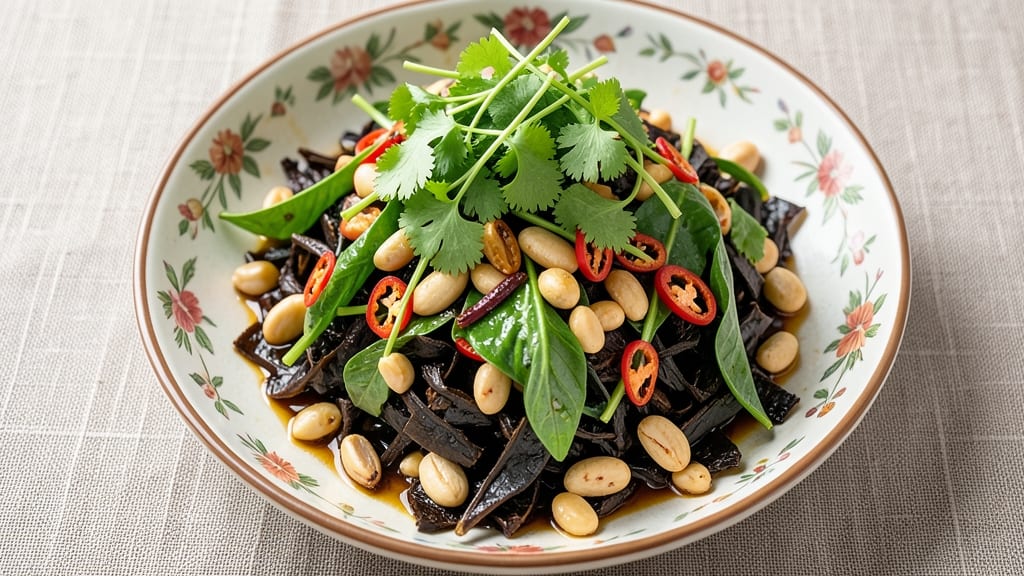
This Burmese tea salad recipe brings the bold flavors of Myanmar to your table with fermented tea leaves, fresh herbs, and a rich toasted peanut dressing.
The earthy, tangy notes of fermented tea—often called laphet—create a complex flavor profile that’s both savory and slightly sweet, while toasted peanuts add a satisfying crunch. What makes this dish special is its balance of textures and flavors, where each ingredient plays a crucial role in the final harmony.
The traditional preparation involves fermenting tea leaves for 24–48 hours to develop their deep, umami-rich taste, though you can also find pre-fermented tea leaves in specialty stores. Fresh herbs like mint, mustard greens, and cilantro brighten the dish, while garlic, chili, and lime juice add layers of heat and acidity.
The toasted peanut dressing ties everything together with its nutty, slightly sweet depth.
What you’ll end up with is a vibrant, flavorful salad that’s perfect as a standalone dish or served alongside steamed rice. The fermented tea leaves lend a unique, almost funky depth, while the peanuts provide a satisfying contrast to the crisp freshness of the herbs.
This recipe is a celebration of Burmese cuisine, where simple ingredients come together to create something extraordinary.
Whether you’re serving it as a light lunch or a side dish, this Burmese tea salad is sure to impress with its bold flavors and cultural richness. The process is straightforward, but the result is anything but ordinary—each bite is a taste of Myanmar’s vibrant culinary tradition.
Ingredients for burmese tea salad
Earthy tea leaves, fresh herbs, and toasted peanuts create this vibrant Burmese salad's signature harmony.
| Ingredient | Amount | Notes |
|---|---|---|
| Fermented Tea Leaves (Laphet) 🍃 | ½ cup | Pre-fermented or homemade |
| Fresh Cilantro Leaves 🌿 | ½ cup | Stems removed for clean texture |
| Fresh Mint Leaves 🌿 | ¼ cup | Packed, roughly chopped |
| Mustard Greens 🥬 | 2 cups | Thinly sliced, stems removed |
| Red Chili Peppers 🌶️ | 2 whole | Bird's eye or Thai chili, finely chopped |
| Garlic Cloves 🧄 | 4 cloves | Minced for aromatic depth |
| Lime Juice 🍋 | ¼ cup | Freshly squeezed, strained |
| Raw Peanuts 🥜 | 1 cup | Unsalted, dry-roasted |
| Peanut Butter 🥜 | ¼ cup | Natural, unsweetened |
| Coconut Milk 🥥 | ¼ cup | Full-fat for creaminess |
| Sesame Oil 🫒 | 1 tbsp | Toasted for nutty aroma |
| Soy Sauce 🍶 | 1 tbsp | Light or tamari for balance |
| Sugar 🍬 | 1 tbsp | White or brown sugar |
| Salt 🧂 | ½ tsp | To taste, adjust carefully |
| Vegetable Oil 🫒 | 1 tbsp | For toasting peanuts |
The fermented tea leaves are the heart of this dish. Look for laphet at specialty Asian markets—it should have a deep, funky aroma and a slightly sour taste. If you can't find pre-fermented leaves, you can ferment black tea yourself by soaking it in water for 24-48 hours, then drying. Fresh herbs like cilantro and mint are non-negotiable—they bring the bright, clean contrast that balances the earthy tea. Asian grocery stores often carry fresh herbs in larger quantities than regular supermarkets, which is perfect for this recipe. For the mustard greens, choose young, tender leaves—they should be crisp and vibrant, not wilted or yellowing.
No fermented tea leaves? Black tea steeped in water for 24 hours works in a pinch, though the flavor won't be as complex. Running short on fresh herbs? Dried herbs at half the amount can substitute, but the texture will suffer. The peanut butter should be natural, with no added sugar or oils—Smucker's Natural or Crazy Richard's are reliable choices. For the chili, adjust the heat to your preference: Thai bird's eye peppers are traditional, but serrano or jalapeño work too. The coconut milk adds richness, so don't skimp—full-fat canned coconut milk gives the best texture.
Toast the peanuts until golden and fragrant—about 5-7 minutes in a dry pan—then let them cool completely before grinding. The dressing keeps for 3-4 days in the fridge, but the salad itself is best enjoyed fresh. Store the dressing separately and toss with the salad just before serving. For a quick prep, chop all herbs and store them in airtight containers with a damp paper towel to maintain freshness for up to 3 days. The fermented tea leaves can be refrigerated for up to 2 weeks in a sealed container.
Why You'll Love This Recipe
- No-Chop Chaos Allowed: I swear by this one—just toss the mustard greens, fermented tea leaves, and herbs into a bowl. No julienne, no precision, just rough chopping if you’re feeling fancy. That tangy, funky laphet does all the work.
- Umami Bomb Alert: Between us, the fermented tea leaves are the star—earthy, slightly bitter, with this addictive depth. Add the fresh mint and cilantro, and suddenly you’ve got a salad that tastes like a party in your mouth. (Yes, even on a Tuesday night.)
- Lunchbox to Picnic Table: This keeps like a champ in the fridge for days, so I meal prep it on Sundays. Pack it cold for work or toss it in a basket for a picnic—it’s the one salad that doesn’t wilt or get sad.
- Budget-Friendly Crunch: Mustard greens and laphet stretch my grocery budget hard, and the chili peppers add heat without costing a fortune. Honestly, it’s the kind of dish that makes me feel like I’m eating fancy when I’m really just being smart.
Step-by-step instructions for Burmese tea salad
This vibrant salad balances earthy fermented tea leaves with nutty peanut dressing and fresh herbs.
Toast and Prepare the Peanuts
Heat the 1 tablespoon vegetable oil in a dry skillet over medium heat. Add the 1 cup raw peanuts and toast for 5-7 minutes, stirring constantly, until they turn a rich golden brown and release their nutty aroma. Remove from heat immediately and let cool for 2 minutes. This toasting enhances their flavor and prevents them from becoming greasy in the salad.
While the peanuts cool, finely chop ½ of the toasted peanuts (about ½ cup) using a sharp knife or food processor. Set aside for the dressing, reserving the remaining ½ cup for garnish. The freshly toasted peanuts will add texture and depth to both the dressing and final presentation.
Make the Toasted Peanut Dressing
In a small bowl, combine the 0.25 cup peanut butter, 0.25 cup coconut milk, 1 tablespoon sesame oil, 1 tablespoon soy sauce, 1 tablespoon sugar, and 0.5 teaspoon salt. Whisk vigorously until smooth and creamy. The mixture should be thick but pourable—if it's too stiff, add 1 teaspoon lime juice to loosen it.
Gradually add the 0.25 cup lime juice while whisking continuously. Then incorporate the ½ cup chopped toasted peanuts, mixing until fully combined. Taste and adjust seasoning—you may need a touch more soy sauce for saltiness or lime juice for brightness. This dressing is the heart of the salad, balancing rich peanut with tangy, umami notes.
Prepare the Vegetable Base
In a large mixing bowl, combine the 2 cups mustard greens, 0.5 cup fresh cilantro leaves, and 0.25 cup fresh mint leaves. Add the 0.5 cup fermented tea leaves (laphet) and 2 whole red chili peppers, finely chopped. Toss gently to distribute the tea leaves and chili evenly—this is where the salad's signature earthy, slightly funky flavor comes from.
Add the 4 cloves minced garlic and toss again. The garlic will mellow during mixing but will add aromatic depth. Give everything a final toss with your hands to ensure the tea leaves are well incorporated. The greens should look vibrant and slightly wilted from the garlic's oils—a good sign the flavors are melding.
Assemble and Serve
Drizzle the peanut dressing over the vegetable mixture and toss gently with tongs or clean hands. The greens should be evenly coated but still retain some texture. If the dressing seems too thick, add 1-2 tablespoons lime juice to loosen it. The ideal consistency is creamy but not soggy.
Transfer the salad to serving plates and garnish with the remaining ½ cup toasted peanuts. Sprinkle with any reserved lime zest if desired. Serve immediately while the greens are still crisp and the dressing is fresh. This salad shines as a light lunch or vibrant side dish, with the fermented tea leaves adding a unique, complex flavor that pairs beautifully with the creamy peanut dressing.
Pro Tips For Making Burmese Tea Salad
- Rinse the Laphet: Fermented tea leaves are packed with salt—skip rinsing, and your salad turns into a salty brick. Give them a quick 10-second swish under cold water, then drain thoroughly in a colander. I learned this the hard way after my first batch tasted like a pickling jar exploded.
- Tear, Don’t Chop: Mustard greens and cilantro lose their texture when you dice them. Instead, rip the leaves by hand into rough, uneven pieces—this keeps the salad crisp and lets the flavors shine. (Yes, it looks messy, but your mouth will notice the difference.)
- Toast the Chili: Dry-fry the red chilies in a hot pan for 30 seconds until fragrant before adding them to the salad. This deepens their flavor and cuts through the funk of fermented tea. I used to skip this, and the heat always felt flat—now it’s the thing that makes the dish sing.
- Add Dressing Last: Toss the greens and herbs first, then drizzle the dressing just before serving. The fermented tea leaves soften fast, and the salad gets soggy if you mix everything ahead. (I know, it’s annoying—plan for 10 minutes of assembly time before eating.)
Wine and beer pairings for this recipe
Burmese-Inspired Wines
For this salad's complex flavors, I recommend Burmese-inspired wines that complement its earthy, nutty, and slightly funky profile. A light-bodied red like Pinot Noir from Burgundy works beautifully—the bright acidity and red fruit notes cut through the richness of the peanut dressing while harmonizing with the fermented tea leaves. 🍷
Alternatively, a dry Riesling from Germany adds crisp citrus and mineral notes that mirror the lime juice in the salad. The wine's slight sweetness balances the heat from the chili peppers, making each bite more cohesive.
Avoid heavy, oaky whites or bold reds, as they'll overpower the delicate herbs and tea leaves.
Craft Beer Pairings
A Burma-style IPA is a fantastic choice—its tropical fruit and citrus notes echo the lime and chili in the salad, while the hop bitterness cleanses your palate between bites. Look for local craft breweries offering these styles, as they often highlight the bright, zesty flavors that complement the dish. 🍺
For a lighter option, a wheat beer with a touch of spice works wonders. The Goose Island Sofie or Allagash White provide a refreshing contrast to the salad's richness, with their banana and clove notes enhancing the peanut dressing.
Avoid heavy stouts or dark ales, which can clash with the salad's fresh, vibrant profile.
Local Burmese Beers
If you're serving this salad in a Burmese restaurant or at a cultural event, Burmese beers like Myanma Beer or Mandalay Beer are perfect. Their malty sweetness and subtle hop bitterness bridge the gap between the salad's earthy tea leaves and creamy peanut dressing.
These beers are widely available at Asian grocery stores and specialty beer shops. 🍻
For a non-alcoholic option, Burmese-style ginger beer (like Burmese Ginger Beer from Asian markets) adds a spicy, citrusy kick that mirrors the chili and lime in the salad. Serve it chilled for a refreshing, authentic pairing that enhances the dish's bold flavors without overpowering them.
Regional Adaptations
In Yangon, where this salad originates, locals often pair it with Burmese rice wine (La-Pha)—a slightly sweet, aromatic rice wine that complements the dish's complexity. If you can't find La-Pha, a sweet Riesling from Australia serves as a decent substitute.
The wine's honeyed notes enhance the toasted peanuts and fermented tea leaves. 🍷
For a spicier twist, serve the salad with a Thai-inspired lychee martini or a Vietnamese iced coffee (like Cà Phê Sữa Đá). The sweetness and acidity of these drinks balance the salad's heat and richness, making each bite more dynamic.
These pairings are especially popular in Burmese-Chinese fusion restaurants across Southeast Asia.
Nutrition facts
Frequently asked questions
Can I make this Burmese tea salad without fermented tea leaves?
Yes, but the flavor will be less authentic. Use 2 tablespoons black tea leaves steeped in 1 cup hot water for 24 hours instead—strain and use the liquid (or dried leaves) in place of laphet. The taste won't be as funky, but it'll still add an earthy depth. For best results, try to find pre-fermented tea leaves at Asian markets.
How do I adjust the spice level in this salad?
The chili heat depends on the type and quantity used. For milder heat, use 1 Thai chili instead of 2, or remove seeds. For extra spice, add ½ teaspoon chili flakes or 1 teaspoon sambal oelek to the dressing. Always taste before serving—you can adjust with more lime juice to balance the heat.
Can I prepare this salad ahead of time?
The salad is best eaten fresh, but you can prep components ahead. Store the dressing separately for 3-4 days in the fridge. Chop herbs and store them in airtight containers with a damp paper towel for up to 3 days. Assemble just before serving to maintain crispness. The fermented tea leaves can be refrigerated for 2 weeks in a sealed container.
What can I serve with Burmese tea salad?
This salad pairs beautifully with steamed jasmine rice or Burmese rice noodles for a complete meal. For protein, add grilled shrimp or tofu. It also works as a side for grilled meats or as a light lunch with a Burma-style beer or ginger beer for an authentic touch.
Why does my salad taste bitter?
Bitterness usually comes from overcooked greens or too much fermented tea. Adjust by adding 1-2 teaspoons sugar to the dressing or more lime juice (up to 0.5 cup) to brighten flavors. Also ensure your mustard greens are fresh and not wilted. The peanuts should be toasted just until golden—not burnt.