
Sauces & Condiments
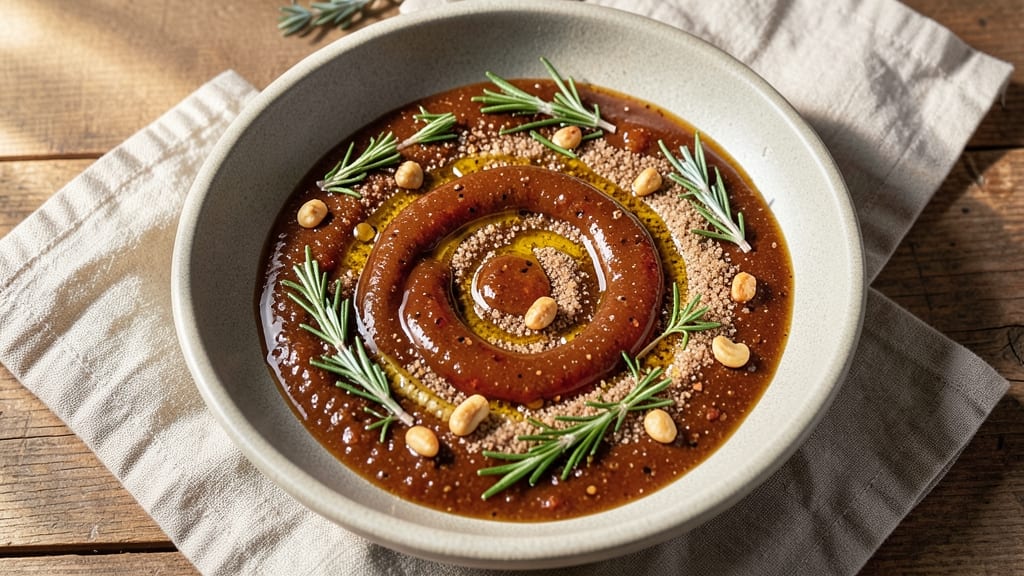
This brown sugar salad dressing recipe transforms ordinary greens into something extraordinary with its caramelized sweetness and bright herb notes. 🌟 The secret lies in balancing rich brown sugar with tangy vinegar and aromatic herbs, creating a dressing that clings beautifully to leaves while adding depth to every bite.
Perfect for coleslaw, fruit salads, or even drizzled over grilled chicken, this dressing elevates simple ingredients into something special.
The foundation starts with a simple emulsion of olive oil and apple cider vinegar, where brown sugar caramelizes slightly for that irresistible depth. Fresh herbs like thyme and rosemary add an earthy complexity, while a touch of Dijon mustard ensures the dressing stays smooth and clings to your salad.
Unlike store-bought versions, this recipe delivers a balance of sweet, tangy, and savory that’s impossible to resist.
What makes this dressing truly stand out is its versatility—it works just as well on crisp cabbage as it does on juicy watermelon slices. The caramelized notes from the brown sugar mellow out over time, making it even more flavorful when stored in the fridge.
A standard batch yields about 1 cup, enough to dress multiple salads or use as a marinade for grilled meats.
Store it in an airtight container for up to a week, shaking well before each use. The flavors deepen as it sits, so if you can wait, the second day is often the best.
Whether you're prepping for a picnic or adding a sweet-tangy finish to a weeknight dinner, this dressing is a game-changer for any meal.
Ingredients for brown sugar salad dressing
Nine simple ingredients create a dressing that transforms salads into something extraordinary.
| Ingredient | Amount | Notes |
|---|---|---|
| Light Brown Sugar 🍯 | ½ cup | Packed for caramelized depth |
| Extra-Virgin Olive Oil 🫒 | ¾ cup | High-quality, fruity variety |
| Apple Cider Vinegar 🍎 | ⅓ cup | Raw, unfiltered preferred |
| Dijon Mustard 🌶️ | 1 tbsp | For smooth emulsion |
| Fresh Thyme Leaves 🌿 | 1 tbsp | Chopped finely |
| Fresh Rosemary Sprigs 🌿 | 1 tbsp | Finely chopped |
| Salt 🧂 | ½ tsp | Diamond Crystal preferred |
| Black Pepper 🌶️ | ¼ tsp | Freshly ground |
| Garlic Cloves 🧄 | 1 whole | Minced for aromatic base |
| Water 💧 | 1 tbsp | For thinning if needed |
The brown sugar is the star here—Light brown sugar caramelizes beautifully, giving that rich depth the dressing is known for. Whole Foods or Trader Joe's carry excellent quality, but any light brown sugar from the grocery store works. The herbs? Fresh is ideal, but if you're using dried, cut the amount in half. For rosemary, grab the fresh sprigs—they're more flavorful than pre-chopped. The olive oil should be extra-virgin—look for bottles labeled 'fruity' or 'peppery' for the best flavor. Skip the cheap stuff, trust me on this.
No apple cider vinegar? White vinegar or balsamic vinegar work in a pinch, though the flavor will be slightly different. Fresh herbs not an option? Dried thyme and rosemary at half the amount will get you close, but the texture won't be as smooth. The Dijon mustard is non-negotiable—it's what makes this dressing cling to your salad instead of pooling at the bottom. If you're out, whole-grain mustard works, but it'll be grainier. The garlic can be roasted for a sweeter flavor—just wrap it in foil with the brown sugar and microwave for 30 seconds before adding.
This dressing gets better with time—24 hours in the fridge lets the flavors meld perfectly. Store it in an airtight jar with a tight-fitting lid. Shake well before each use, as the sugar will settle. It keeps for about 1 week in the fridge, though the caramelized notes start to fade after 5 days. For longer storage, freeze in ice cube trays—thaw and shake to re-emulsify. A little water in the bottom of the jar helps prevent separation, but give it a good stir before using if it does happen.
Why You'll Love This Recipe
- I’ll be real: this dressing lasts for weeks in my fridge, and the ingredients? Already there. A splash of olive oil, a spoonful of sugar—no last-minute grocery runs. Plus, it’s cheaper than buying pre-made dressings, and way more delicious. Win-win.
- Five-Ingredient Magic: I swear by this combo—just whisk, taste, adjust. No fancy techniques, no measuring cups that disappear mid-recipe. That light brown sugar? It dissolves like a dream, giving you a dressing so smooth you’ll forget how little effort went into it.
- Sweet-Savory Balance: Honestly, the first time I tasted this, I nearly spilled it. The brown sugar’s caramel warmth plays off the sharp vinegar while the Dijon mustard ties it all together—like a hug for your taste buds. Fresh thyme? That’s the cherry on top, adding a bright, herbal lift.
- Works Everywhere: Between us, I’ve drizzled this on grilled chicken salads, tossed it with roasted sweet potatoes, and even used it as a marinade for pork chops. It’s the secret weapon that turns simple meals into something memorable—no fancy plating required.
Step-by-step instructions for brown sugar salad dressing
Transform simple ingredients into a rich, caramelized dressing with this precise technique.
🍳 Step 1: Caramelize the Brown Sugar
Place a small saucepan over medium-low heat and add the 0.5 cup light brown sugar. Stir gently with a wooden spoon for 3-4 minutes until it melts completely and turns a deep amber color. You'll notice it smells like warm caramel—this is your signal it's ready.
Watch carefully as the sugar melts—it can burn quickly. If it starts to darken too much or smells bitter, remove it immediately. Once fully melted, remove from heat and let cool for 2 minutes—this prevents a sudden temperature shock when you add the vinegar next.
👨🍳 Step 2: Whisk in Vinegar and Mustard
Return the caramelized sugar to low heat and carefully whisk in the 0.33 cup apple cider vinegar and 1 tbsp Dijon mustard. The mixture will bubble vigorously—this is normal. Keep whisking for 1-2 minutes until it thickens slightly and the bubbles subside.
Here's where it gets interesting: the vinegar will create a slight effervescence that helps emulsify the dressing later. If the mixture separates at all, don't worry—we'll fix that in the next step. Remove from heat and let cool completely for 5 minutes before proceeding.
🍳 Step 3: Build the Emulsion
In a blender or food processor, combine the cooled sugar-vinegar mixture with the 0.75 cup extra-virgin olive oil. Blend on high for 30-45 seconds until completely emulsified. You'll know it's ready when the dressing looks smooth and creamy, not oily.
If it still looks separated, add 1 tbsp water and blend again. The water helps break the emulsion—this is why we keep it on hand. For extra flavor, add the 1 minced garlic clove and blend for another 10 seconds.
🥘 Step 4: Incorporate Herbs and Seasonings
Transfer the dressing to a mixing bowl and stir in the 1 tbsp finely chopped fresh thyme leaves, 1 tbsp finely chopped fresh rosemary sprigs, 0.5 tsp salt, and 0.25 tsp black pepper. Taste and adjust seasoning—you want a balance of sweet, tangy, and herby flavors.
The herbs should be finely chopped to distribute evenly. If you prefer a chunkier texture, leave them slightly larger. Let the dressing sit for 10 minutes before using—this allows all the flavors to meld together beautifully.
Pro Tips For Making Brown Sugar Salad Dressing
- Whisk in Stages: Don’t dump all the brown sugar at once—start with half, whisk until it dissolves, then add the rest. This prevents clumping and ensures a smooth, velvety texture. (Yes, even if you’re impatient like me, give it 10 seconds between additions.)
- Toast the Thyme: Lightly dry the fresh thyme leaves in a hot pan for 10 seconds before adding them—just until the edges curl slightly. This intensifies the aroma and flavor without burning. (I learned this the hard way after tasting bland dressing.)
- Balance the Vinegar: Taste before adding all the apple cider vinegar—start with 1 tablespoon, then adjust. Too much makes the dressing sharp; too little leaves it flat. (Pro tip: If it’s still too sweet, a splash of water thins it out without diluting flavor.)
- Use Warm Oil: Heat the olive oil to room temperature (or slightly warmer) before mixing—it emulsifies the sugar better and prevents graininess. (Cold oil makes the dressing separate like oil and vinegar in a sad little salad.)
Best sauces and condiments for brown sugar salad dressing
Sweet-Tangy Vinaigrette Base
This dressing works as a sweet-tangy vinaigrette perfect for crisp greens like romaine or arugula. The caramelized brown sugar adds depth, while the apple cider vinegar provides the bright acidity needed to cut through richness.
I love using it on mixed greens with pomegranate seeds—the sweetness of the dressing complements the tartness of the fruit beautifully. 🍏
Creamy Coleslaw Dressing
For coleslaw, this dressing becomes a creamy, sweet-tangy alternative to traditional mayo-based versions. Thin it slightly with 2 tbsp water for a lighter texture, then toss with shredded cabbage, carrots, and a pinch of celery seed.
The brown sugar caramelization balances the crunch of raw cabbage perfectly, making it a crowd-pleaser for BBQ sides.
Fruit Salad Enhancer
Drizzle this dressing over watermelon, berries, or mango for a refreshing twist on fruit salads. The caramelized notes enhance the natural sweetness of the fruit while the herbs add an earthy contrast.
I recommend adding 1 tsp lemon zest to brighten the flavors even more. It’s especially great for summer picnics or as a topping for grilled peaches.
Grilled Chicken Marinade
Use half of this dressing as a marinade for grilled chicken before the last 10 minutes of cooking. The brown sugar caramelizes on the grill, creating a sticky, flavorful crust.
Pair it with garlic butter for an extra-rich finish. The herbs infuse into the meat, making every bite aromatic and delicious. 🍗
Roasted Vegetable Drizzle
After roasting vegetables like sweet potatoes, Brussels sprouts, or carrots, drizzle this dressing over them while still warm. The caramelized sugar clings to the edges, adding a sweet-savory glaze.
Toss with toasted pecans for extra crunch and texture. It’s a fantastic way to elevate simple roasted veggies into a showstopping side dish.
Dipping Sauce for Crudités
Serve this dressing as a dipping sauce for raw veggies like celery, bell peppers, or cucumber slices. The sweetness balances the crunch, while the herbs add complexity.
For a fun twist, chill the dressing for 30 minutes before serving—it becomes even more velvety and cohesive. Perfect for game day or snack platters! 🥕
Nutrition facts
Frequently asked questions
Can I substitute white sugar for brown sugar in this recipe?
You can use white sugar, but the dressing will lose its signature caramelized depth. For the best flavor, stick with light brown sugar—it adds that rich molasses note that makes this dressing special. If you must substitute, reduce to 0.4 cup white sugar and add 1 tsp molasses to mimic the flavor.
How do I fix a separated dressing?
Separation happens when oil and vinegar split. Simply whisk or blend in 1 tbsp water or 1 tsp Dijon mustard to re-emulsify. For a smoother texture, strain through a fine-mesh sieve. The dressing will come back together—this is normal and easily fixed!
What's the best way to store leftovers?
Keep it in an airtight container in the fridge for up to 1 week. Shake well before each use, as the sugar may settle. For longer storage, freeze in ice cube trays—thaw and shake to re-emulsify. The flavors actually improve after 24 hours in the fridge!
Can I make this dressing without a blender?
Yes! Whisk the oil into the vinegar mixture vigorously for 3-5 minutes until fully combined. For extra insurance, add 1 tsp cornstarch to thicken and stabilize the emulsion. The texture will be slightly less smooth but still delicious.
What herbs can I swap for thyme and rosemary?
Try fresh tarragon or dill for brightness, or basil for a sweeter note. For a spicy kick, add 1 tsp chopped jalapeño. Just remember: fresh herbs work best—dried versions lose potency when blended.