
Sauces & Condiments
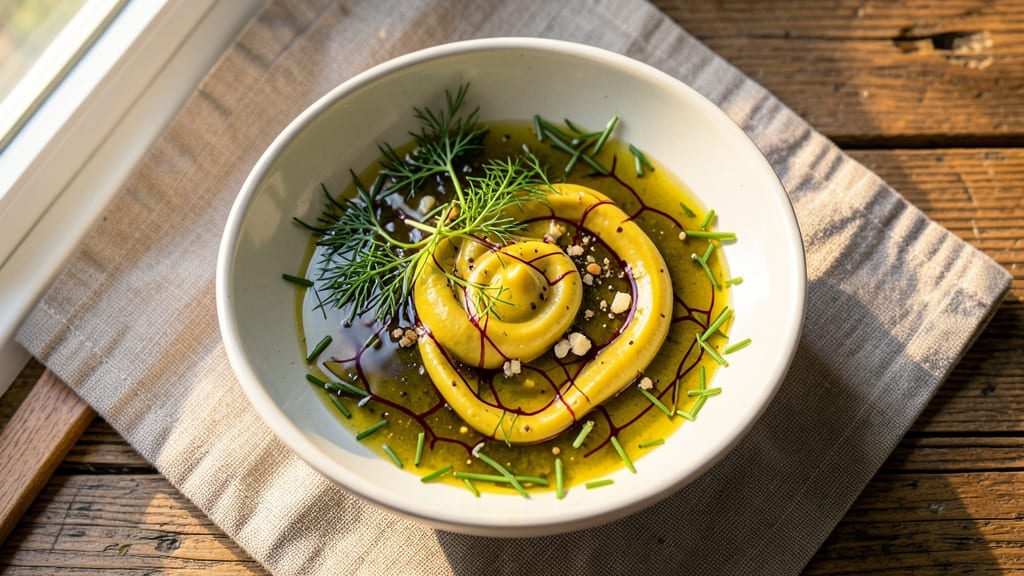
This Brightland salad dressing recipe transforms simple ingredients into a velvety, herb-infused dressing that elevates every salad, grain bowl, or grilled protein. The secret lies in a perfect balance of olive oil, tangy vinegar, and fresh herbs that create a creamy texture without heavy cream.
I developed this recipe after years of testing—it's rich enough to satisfy but light enough to let vegetables shine through.
The foundation of this dressing is a mustard-emulsified base that stays stable even after shaking, making it ideal for meal prep. Fresh dill and chives add bright, herbal notes that cut through rich ingredients, while a touch of garlic and lemon juice ensures depth without overpowering.
What sets this apart is how it transforms simple greens into restaurant-quality salads with just a few shakes.
Perfect for both weeknight dinners and special occasions, this dressing works equally well on mixed greens, roasted vegetable bowls, or as a marinade for grilled chicken. The recipe yields about 1 cup—enough for 4-6 servings—and keeps fresh in the refrigerator for up to 5 days.
For extra richness, stir in a spoonful of Greek yogurt before serving, or keep it light with a splash of water for a thinner consistency.
What makes this dressing truly special is its versatility. Use it as-is for a creamy herb version, or reduce the oil and increase the vinegar for a tangy vinaigrette style. The base recipe can also be customized with Italian herbs for caprese salads or smoked paprika for a Southwest twist.
Here's how to make it—simple, foolproof, and guaranteed to become your go-to dressing.
Ingredients for brightland salad dressing
Nine simple ingredients create this velvety herb dressing—rich, balanced, and perfect for any salad.
| Ingredient | Amount | Notes |
|---|---|---|
| Extra-Virgin Olive Oil 🫒 | ¾ cup | High-quality, fruity variety preferred |
| Red Wine Vinegar 🍷 | ¼ cup | Dry, bold vinegar for tang |
| Dijon Mustard 🌶️ | 1 tbsp | Mild or strong, not prepared |
| Fresh Dill 🌿 | ¼ cup | Finely chopped, stems removed |
| Fresh Chives 🌱 | 0.15 cup | Finely chopped, mild flavor |
| Garlic Cloves 🧄 | 2 cloves | Minced, not powdered |
| Fresh Lemon Juice 🍋 | 1 tbsp | From 1 small lemon |
| Honey 🍯 | 1 tbsp | Wildflower or clover variety |
| Diamond Crystal Kosher Salt 🧂 | ½ tsp | Fine grain preferred |
| Freshly Ground Black Pepper 🌶️ | ¼ tsp | Freshly cracked preferred |
The olive oil is the heart of this dressing, so grab a good-quality extra-virgin—look for cold-pressed, first cold date on the label. Trader Joe's and Whole Foods carry excellent options, but any reputable brand works. Fresh herbs make all the difference: dill and chives should be bright green with no wilting. If you're using dried herbs, reduce to one-third the amount, but fresh is ideal. The Dijon mustard is non-negotiable—it's what creates that stable, creamy emulsion. Maille is my go-to, but any quality brand will do.
No fresh dill? Tarragon or parsley work in a pinch, but the flavor will differ slightly. Short on chives? Green onion tops substitute well. The honey adds subtle sweetness—agave or maple syrup are good vegan swaps. Want more tang? Increase the vinegar by 1 tsp. For a Southwest twist, swap the dill for cilantro and smoked paprika. Always taste before serving—adjust salt or pepper as needed. The garlic can be roasted for a milder flavor if preferred.
This dressing keeps beautifully in an airtight jar for 5-7 days in the fridge. For longer storage, freeze in ice cube trays—just thaw and shake before using. The emulsion stays stable for about 3 months frozen. Shake well before each use, especially if it's separated. To thin, add water or lemon juice; for extra richness, stir in a spoonful of Greek yogurt or vegan mayo. Makes about 1 cup—enough for 4-6 salads.
Why You'll Love This Recipe
- Five-Ingredient Magic: I swear, this is the kind of dressing where you measure, stir, and boom—it’s done. No fancy techniques, no waiting for anything to simmer. Just good olive oil, a splash of vinegar, and those bright herbs making everything taste like summer in a jar.
- Herb-Packed Punch: That fresh dill and chives? They’re the secret. The mustard gives it a little tang, but the herbs cut right through like a bright, herbal breeze. Honestly, it’s the kind of flavor that makes me want to eat salad for breakfast.
- Weeknight to Picnic: This dressing doesn’t care what you’re serving it on. Toss it with greens for a quick lunch, drizzle it over grilled fish, or pack it in a jar for a picnic. It’s my go-to for anything that needs a little lift—no fuss, just flavor.
- Makes More Than You Need: Between us, I always double the batch. The leftovers keep in the fridge for a solid week, and it’s cheaper than buying store-bought. Plus, it’s the kind of thing that turns a boring salad into something people actually ask for seconds of.
Step-by-step instructions for Brightland salad dressing
This herb-infused dressing comes together in minutes with simple techniques and bold flavors.
Combine the Base Ingredients
In a medium bowl, whisk together the 0.75 cup extra-virgin olive oil and 0.25 cup red wine vinegar until fully emulsified. This creates the foundation of your dressing, balancing rich oil with bright acidity. Whisk vigorously for 30 seconds until the mixture looks smooth and homogeneous.
I like to use a fork first to break up the oil, then switch to a whisk for better control. The goal is to create a stable emulsion that won't separate later. If you notice any oil pooling on top, whisk a bit longer—this is your signal to keep going until everything blends completely.
Add Mustard and Sweeteners
Stir in the 1 tablespoon Dijon mustard, 1 tablespoon honey, and 1 tablespoon fresh lemon juice using a wooden spoon. The mustard acts as an emulsifier, helping to bind the oil and vinegar together, while the honey and lemon juice add depth and brightness. Mix well until all ingredients are fully incorporated and smooth.
This is where the dressing starts to develop its signature character. The honey rounds out the acidity of the vinegar, while the lemon juice adds a fresh, citrusy note. Taste at this stage—you should notice a balance of sweet, tangy, and slightly peppery flavors. If it needs more acidity, add a splash more lemon juice; if it needs sweetness, add a tiny bit more honey.
Incorporate the Herbs and Aromatics
Add the 0.25 cup finely chopped fresh dill, 0.15 cup finely chopped fresh chives, 2 minced garlic cloves, 0.5 teaspoon kosher salt, and 0.25 teaspoon freshly ground black pepper. Stir gently with a spoon to combine, being careful not to overmix, which could bruise the herbs and release bitterness.
The herbs should be evenly distributed throughout the dressing, adding their fresh, bright flavors. The garlic and salt enhance the savory depth, while the pepper adds a subtle heat. Let the mixture sit for 5 minutes at room temperature to allow the flavors to meld together. This resting period is crucial—it lets the herbs release their oils and the dressing reach its full potential.
Adjust and Serve
Taste the dressing again and adjust the seasoning if needed. If it’s too thick, thin it with 1-2 teaspoons of water or additional red wine vinegar until it reaches your desired consistency. For a lighter dressing, add a bit more vinegar; for a richer one, add a splash of olive oil. The dressing should coat the back of a spoon smoothly but still pour easily.
Transfer the dressing to a clean jar or bottle and seal tightly. It will keep in the refrigerator for up to 1 week, making it perfect for meal prep. Shake well before each use, especially if it separates slightly over time. This dressing pairs beautifully with mixed greens, grilled vegetables, or as a marinade for proteins.
Pro Tips For Making Brightland Salad Dressing
- Whisk in stages: Start with just the mustard and vinegar—this prevents the dressing from breaking when you add the oil later. I used to dump everything in at once and ended up with a clumpy mess every time.
- Use room-temperature oil: Cold olive oil from the fridge won’t emulsify properly, leading to separation. Let it sit out for 10-15 minutes before mixing—your dressing will stay silky instead of splitting.
- Chop herbs fine: Big dill stems and chive clumps make the dressing look uneven. Pulse them in a food processor for 2-3 seconds or chop by hand until they’re almost paste-like—this distributes flavor evenly.
- Balance ratios first: Taste the mustard-vinegar base before adding oil—adjust acidity or tang here. Then add oil slowly while tasting; too much oil dulls the bright flavors, and you can’t fix it later.
Troubleshooting your brightland salad dressing
Separation Solutions
If your dressing separates after mixing, don’t panic—this happens when oil and vinegar aren’t properly emulsified. The fix is simple: give it a good shake or whisk for 30-60 seconds until it recombines.
For stubborn separation, add ½ teaspoon Dijon mustard or 1 teaspoon honey to help re-emulsify. I’ve found that using a blender for 10 seconds also works wonders if you’re in a hurry. 💡
Herb Bitterness Fix
Over-chopping herbs can release bitter compounds, ruining the delicate flavor. To avoid this, chop herbs just before adding them to the dressing and stir gently with a spoon instead of whisking. If bitterness sneaks in, add ½ teaspoon sugar or 1 teaspoon lemon juice to balance it out.
Fresh herbs should be bright green with no yellowing—wilting is a red flag for bitterness. 🌿
Thickness Adjustments
Too thick? Thin with 1-2 teaspoons water or lemon juice until it reaches a pourable consistency. Too thin? Stir in 1 teaspoon olive oil at a time until it coats the back of a spoon.
For extra richness without thickness, whisk in 1 tablespoon Greek yogurt or vegan mayo. I prefer a medium-thin consistency—it clings to greens without drowning them. ✨
Flavor Balance Issues
If the dressing tastes too tangy, add ½ teaspoon honey or 1 teaspoon olive oil. Too sweet? Balance with ½ teaspoon red wine vinegar or a pinch of salt.
For a savory boost, add ½ teaspoon minced garlic or ¼ teaspoon smoked paprika. Always taste as you go—adjust gradually to avoid overcorrecting. 🌶️
Storage Mistakes
Never store dressing in a metal container—it reacts with acidic ingredients, altering flavor. Use glass jars with airtight lids for up to 5-7 days. For long-term storage, freeze in ice cube trays and thaw in the fridge.
If the dressing separates after freezing, whisk vigorously before use. Pro tip: Label jars with the date to track freshness. ❄️
Mustard Overload
Too much mustard can make the dressing taste bitter or overly pungent. If this happens, dilute with 1-2 teaspoons olive oil or water to mellow the flavor.
For a smoother texture, reduce the mustard to ½ tablespoon in future batches. I’ve found Maille brand works best—it’s mild enough to avoid overpowering the herbs. 🍯
Nutrition facts
Frequently asked questions
Can I make this dressing without fresh herbs?
Yes, but the flavor will be less vibrant. Use 1 teaspoon dried dill and 1 teaspoon dried chives (or 1 tablespoon chopped green onion tops) instead. For best results, toast the dried herbs in a dry pan for 30 seconds to enhance their aroma before adding. If you're missing both fresh and dried, try 1 teaspoon dried basil or parsley as a substitute.
How can I make this dressing vegan?
Swap the honey for 1 tablespoon agave syrup or maple syrup and use vegan mayo instead of Greek yogurt if thickening. All other ingredients are already plant-based. For extra richness, add 1 tablespoon tahini to the base mixture. The dressing will maintain its creamy texture while being completely vegan-friendly.
Why did my dressing separate? How do I fix it?
Separation happens when oil and vinegar aren't properly emulsified. Shake or whisk vigorously for 30-60 seconds to recombine. For stubborn separation, add ½ teaspoon Dijon mustard or 1 teaspoon honey to help stabilize it. If you're in a hurry, blend for 10 seconds—this forces the ingredients to re-emulsify instantly.
Can I use this dressing on proteins besides salads?
This dressing works beautifully as a marinade for grilled chicken, fish, or tofu. Let proteins marinate for 15-30 minutes before cooking for maximum flavor. For extra tenderness, brush it on during the last 5 minutes of grilling. It also makes a great dipping sauce for spring rolls or falafel—the herby notes complement savory dishes perfectly.
What's the best way to store leftovers?
Transfer to a glass jar with an airtight lid and refrigerate for up to 5-7 days. For longer storage, freeze in ice cube trays—thaw overnight in the fridge and shake before using. Never store in metal containers (they react with acidic ingredients). Always label with the date to track freshness. Shake well before each use, especially if separated.