
Sauces & Condiments
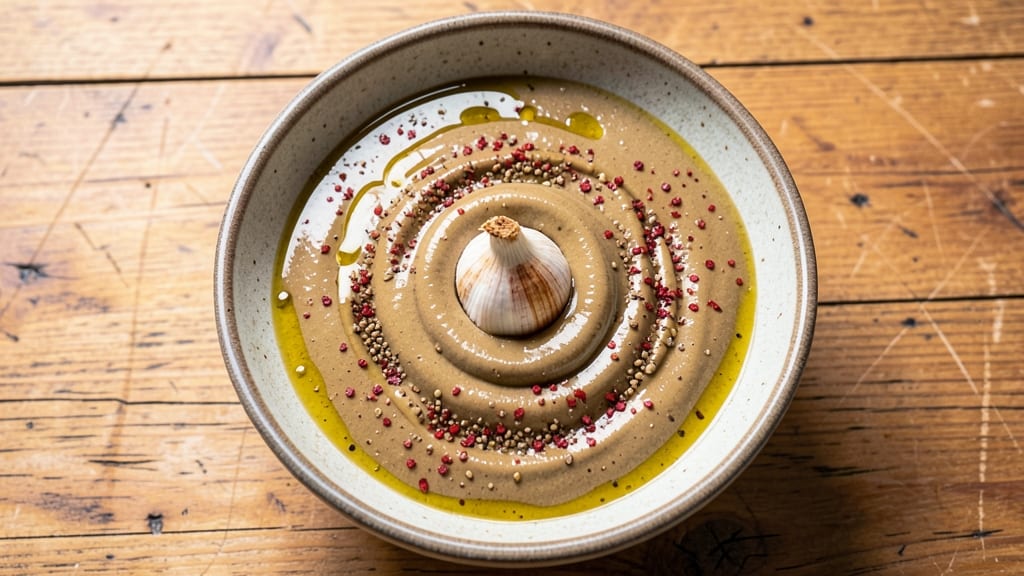
This Arabic salad dressing recipe transforms simple ingredients into a vibrant, tangy elixir that elevates every dish it touches.
The secret lies in the bright citrus notes of lemon juice, the earthy warmth of sumac, and the rich depth of olive oil—all blended into a smooth, emulsified sauce that clings perfectly to greens, grains, and proteins.
I developed this recipe after years of searching for the right balance of acidity and spice, and it’s now my go-to for adding Middle Eastern flair to salads, marinades, and dips.
The beauty of this dressing is its versatility—it works equally well as a zesty dressing for tabbouleh or a bold marinade for grilled meats.
The blend of sumac, garlic, and cumin creates a complex flavor profile that’s both familiar and exciting, while the tahini base adds a creamy richness that sets it apart from standard vinaigrettes.
Unlike store-bought versions, this recipe delivers authentic, restaurant-quality taste with just a few simple ingredients and a quick blend.
What makes this dressing truly special is its smooth, velvety texture—achieved through careful emulsification—that ensures every bite is cohesive and flavorful. The lemon juice brightens the sumac’s tang, while the olive oil and tahini create a silky finish.
It’s a dressing that feels luxurious but requires minimal effort, making it perfect for both weeknight meals and special occasions. Store it in the fridge for up to a week, or freeze for longer shelf life.
Once you try this dressing, you’ll never reach for bottled again. It’s the kind of recipe that turns ordinary salads into something extraordinary—bold, balanced, and impossible to resist. Let’s get blending!
Ingredients for arabic salad dressing
Eight simple ingredients blend into a dressing that transforms ordinary salads into extraordinary dishes.
| Ingredient | Amount | Notes |
|---|---|---|
| Extra-Virgin Olive Oil 🫒 | ½ cup | High-quality, fruity variety preferred |
| Fresh Lemon Juice 🍋 | ¼ cup | Freshly squeezed, no pulp |
| Tahini 🥜 | ¼ cup | Sesame paste, unsweetened |
| Sumac 🌶️ | 2 tbsp | Ground, vibrant red color |
| Garlic Cloves 🧄 | 2 cloves | Fresh, minced or finely chopped |
| Ground Cumin 🌿 | 1 tsp | Freshly toasted for deeper flavor |
| Sea Salt 🧂 | ½ tsp | Fine grain preferred |
| Water 💧 | 2 tbsp | For thinning if needed |
| Fresh Mint Leaves 🌿 | ¼ cup | Optional, finely chopped |
The sumac is the heart of this dressing—look for vibrant red, ground sumac at Middle Eastern markets or specialty stores like Whole Foods. If you can't find it, Penzeys Spices sells high-quality sumac online. Fresh garlic and mint elevate the flavor, but dried cumin and pre-minced garlic work in a pinch. For tahini, Kirkland Signature or Al-Wadi brands offer the best consistency. The olive oil should be extra-virgin—California Olive Ranch or Colavita are reliable choices that won’t overpower the delicate flavors.
No sumac? Substitute with lemon zest plus a pinch of smoked paprika for a similar tangy warmth. Swap tahini for Greek yogurt or vegan mayo if you're avoiding sesame, though the texture will differ slightly. Fresh mint is ideal, but dried mint at one-third the amount works if you're in a hurry. For extra brightness, add a splash of pomegranate molasses—just 1 teaspoon enhances the Middle Eastern profile. If the dressing separates, whisk in 1 tablespoon of water at a time until smooth.
Store in an airtight jar in the fridge for up to 1 week, though it often lasts longer if the sumac stays dry. For longer storage, freeze for up to 3 months—thaw in the fridge and whisk before using. The dressing thickens when chilled, so thin with water or lemon juice if needed. Double the batch—it disappears fast on tabbouleh, grilled veggies, and roasted meats.
Why You'll Love This Recipe
- Five-Ingredient Magic: This dressing comes together in three minutes—no blender, no fuss. Just whisk tahini and olive oil until smooth, add lemon and garlic, and finish with that tangy sumac sprinkle. Honestly, it’s the kind of recipe that makes me feel like a chef without the drama.
- Tangy, Nutty, Addictive: That tahini gives it a rich, creamy backbone, while the sumac adds this bright, citrusy punch. The garlic? Oh, it’s there—but in the best way, like a warm hug for your taste buds. (Yes, even on a Tuesday night.)
- Works Everywhere: Drizzle it over roasted veggies, toss it with grilled chicken, or let it shine on a simple plate of pita and olives. I’ve even used it as a marinade for kebabs—because why not? It’s the kind of dressing that turns basic meals into something special without trying too hard.
- Makes Leftovers Shine: A little goes a long way, so you’ll have enough to stash in the fridge for days. The flavors actually improve after sitting overnight—like a secret upgrade for your next salad or grain bowl. Plus, it’s cheap to make; I’ve fed a crowd for under $5.
Step-by-step instructions for Arabic salad dressing
This vibrant dressing combines Middle Eastern flavors with simple technique for a bright, tangy finish.
Toast the Spices for Depth of Flavor
Heat a small dry skillet over medium-low heat. Add the 2 cloves garlic cloves, minced or finely chopped, and toast for 30 seconds until fragrant but not browned. Immediately transfer to a small bowl and set aside to cool slightly.
Next, add the 1 teaspoon ground cumin to the same skillet and toast for 1 minute, stirring constantly, until it releases its aromatic oils and smells deeply earthy. This quick toasting enhances the cumin's natural warmth without burning it. Let cool for 2 minutes before proceeding.
Whisk Together Wet Ingredients
In a medium bowl, combine the 0.5 cup extra-virgin olive oil with the 0.25 cup fresh lemon juice and the 0.25 cup tahini. Use a whisk to blend vigorously for 1 minute until the mixture becomes smooth and emulsified. The tahini will initially resist, but keep whisking—this is normal and necessary for a silky texture.
Add the toasted garlic and cumin to the bowl, along with the 0.5 teaspoon sea salt. Whisk again for 30 seconds to fully incorporate. The mixture should now have a rich, nutty aroma with bright citrus notes. If the dressing appears too thick, gradually add 1 tablespoon of water at a time until it reaches a pourable consistency.
Incorporate Sumac and Mint
Sprinkle the 2 tablespoons sumac over the dressing and whisk for 20 seconds to distribute evenly. The sumac will dissolve slightly, creating a vibrant red hue and a tangy, lemony brightness. This is the signature flavor of Middle Eastern dressings—don't skip this step.
Finally, fold in the 0.25 cup fresh mint leaves, finely chopped, using a rubber spatula. The mint adds a fresh, herbal note that balances the richness of the tahini and olive oil. Taste and adjust seasoning if needed—you may want to add a touch more lemon juice for brightness or salt for depth.
Rest and Adjust Consistency
Cover the bowl with plastic wrap and let the dressing rest at room temperature for 15 minutes. This allows the flavors to meld and the sumac to fully dissolve. After resting, give it one final whisk to ensure everything is evenly combined.
If the dressing has thickened too much, thin it with the remaining 1 tablespoon water until it reaches a smooth, pourable consistency. It should coat the back of a spoon but still flow easily. This dressing is versatile—use it immediately on fresh salads, grilled meats, or roasted vegetables, or store it in an airtight container in the refrigerator for up to 1 week.
Pro Tips For Making Arabic Salad Dressing
- Whisk the Tahini First: Dump the tahini in the bowl before adding anything else, then slowly drizzle in the olive oil while whisking like your life depends on it. This prevents clumping—something I learned after scraping globs off my whisk for the third time.
- Use Cold Garlic: Mince the garlic cloves right before mixing, keep them in the fridge until the last second, and toss them in after the tahini-oil emulsion is smooth. Warm garlic turns bitter fast, and you don’t want that funk ruining your dressing.
- Measure Lemon Juice Twice: Start with half the called-for lemon juice—taste, then adjust. Fresh lemons vary wildly, and you’ll regret over-souring the whole batch. (Yes, even if you’re using "super tart" lemons from the farmers' market.)
- Toast the Sumac: Warm the sumac in a dry pan for 30 seconds until it smells like sunshine—this deepens its citrusy punch. Skip this, and it’ll just float as a dull powder on top. (Your salad deserves better.)
Serving suggestions for this recipe
Salad Pairings
This dressing shines on tabbouleh, where its bright acidity cuts through the parsley and bulgur. Toss 4 cups chopped parsley with 1 cup cooked bulgur, 1 diced cucumber, and 2 tbsp olive oil, then drizzle generously.
For a heartier option, pair with shakshuka—the dressing’s tang balances the rich tomato and egg flavors beautifully. 🥗
Protein Enhancer
Use it as a marinade for grilled chicken or lamb—the sumac and cumin create a sticky, flavorful crust. Toss 2 lbs boneless chicken thighs with ¼ cup dressing and marinate for 30 minutes before grilling.
It also works wonders on halloumi cheese, adding a zesty contrast to its salty richness.
Dip Perfection
Serve with warm pita bread or lavash for dipping—it’s a crowd-pleaser at parties. The tahini base makes it creamy enough to cling to crispy bread, while the sumac adds a tangy kick. For extra flair, sprinkle with toasted pine nuts or crumbled feta cheese on top.
Vegetable Boost
Drizzle over roasted eggplant or zucchini—the dressing’s acidity brightens their earthy flavors. Toss 3 cups roasted vegetables with 2 tbsp dressing and a pinch of smoked paprika for a smoky-sweet contrast. It also elevates grilled asparagus or bell peppers—just 1 tbsp per serving adds instant flavor.
Grain Bowls
Transform quinoa or farro bowls into Middle Eastern-inspired meals. Mix 1 cup cooked grains with ½ cup chopped cucumber, ¼ cup diced tomatoes, and 2 tbsp dressing.
Top with toasted almonds and fresh mint for a restaurant-worthy dish. The dressing’s balance of richness and acidity ties everything together beautifully. ✨
Nutrition facts
Frequently asked questions
Can I make this dressing without tahini?
Yes! For a lighter version, replace the tahini with ¼ cup Greek yogurt or vegan mayo. The texture will be thinner but still delicious. If you want a tahini-free option with body, try 2 tablespoons ground flaxseed mixed with 2 tablespoons water (let it sit for 5 minutes to thicken first). The sumac and lemon will still shine through.
Why did my dressing separate?
This happens when the oil and liquid ingredients aren't properly emulsified. To fix it, whisk in 1 tablespoon water at a time until smooth. For prevention, whisk vigorously for 1-2 minutes when combining wet ingredients, or use a blender for 10 seconds to force emulsification. The tahini helps bind everything together.
How can I use this dressing beyond salads?
This versatile dressing works as a marinade for grilled chicken or lamb (30-minute marinade), a dip for warm pita or crudités, or a sauce for shakshuka or grain bowls. The sumac and cumin add amazing depth to roasted vegetables too—try drizzling over eggplant or zucchini after roasting. It also makes a fantastic sauce for falafel or hummus.
What's the best way to store leftover dressing?
Keep it in an airtight jar in the fridge for up to 1 week. The flavors actually improve after 24 hours as the sumac and spices meld. For longer storage, freeze for up to 3 months. Thaw in the fridge and whisk before using—it may thicken slightly, so add 1-2 teaspoons water to reach your desired consistency.
Can I adjust the spice level?
For more heat, add ¼ teaspoon cayenne pepper or ½ teaspoon harissa paste. For milder flavor, reduce the sumac to 1 tablespoon and add ½ teaspoon honey to balance. The dressing's acidity makes it naturally adaptable—taste as you go and adjust the lemon juice or salt to suit your preference.