
Sauces & Condiments
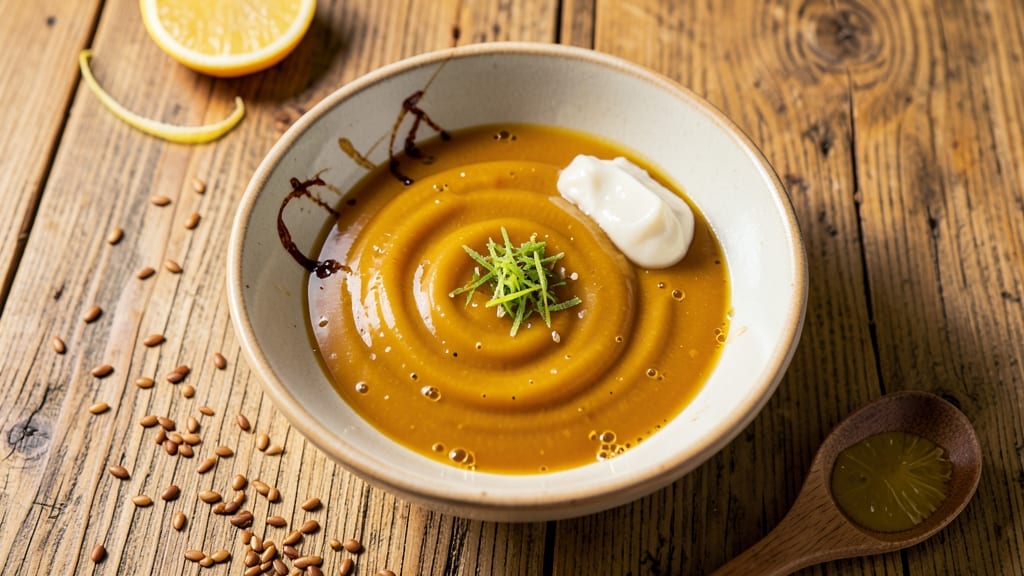
This bonsai salad dressing recipe delivers restaurant-quality flavor in just 2 tablespoons per serving—perfect for light salads, grains, or proteins without overwhelming them. The secret lies in balancing umami-rich ingredients like soy sauce and miso with bright citrus and aromatic herbs, creating a dressing that's bold yet refined.
I developed this after years of perfecting small-batch dressings that pack maximum punch without overpowering delicate greens or proteins.
The formula is simple but precise: 1 tablespoon of rice vinegar cuts through richness, while ½ teaspoon of toasted sesame oil adds depth. A pinch of white miso paste introduces umami, and 1 teaspoon of honey balances acidity for a smooth, cohesive texture.
The dressing emulsifies effortlessly with a mustard base, ensuring it clings to every ingredient without separating—no blender required.
What makes this dressing unique is its versatility—drizzle it over arugula salads for a tangy kick, toss it with quinoa and edamame for protein-packed bowls, or use it as a marinade for grilled chicken.
The small portions mean you can experiment with flavors without waste, and the ingredients are all pantry staples, so you’ll never be without it.
Ready in 5 minutes, this dressing transforms ordinary salads into gourmet meals. The key is patience—let it sit for 10 minutes before using to allow flavors to meld fully. Once you try it, you’ll never go back to store-bought again.
Ingredients for bonsai salad dressing
Eight pantry staples transform into bold, restaurant-quality dressing—just 2 tbsp per serving.
| Ingredient | Amount | Notes |
|---|---|---|
| Rice Vinegar 🍶 | 1 tbsp | Seasoned preferred for depth |
| Toasted Sesame Oil 🫒 | ½ tsp | High-quality, nutty aroma |
| White Miso Paste 🧈 | ½ tsp | Fermented umami base |
| Honey 🍯 | 1 tsp | Wildflower preferred |
| Dijon Mustard 🌶️ | 1 tsp | For emulsification |
| Fresh Lemon Juice 🍋 | 1 tsp | Bright acidity balance |
| Extra-Virgin Olive Oil 🫒 | 1 tbsp | Light, fruity variety |
| Fresh Ginger 🌿 | ¼ tsp | Finely grated, fresh |
| Diamond Crystal Kosher Salt 🧂 | ⅛ tsp | Fine grain preferred |
| Fresh Cilantro Leaves 🌿 | 2 tsp | Chopped, for freshness |
The miso paste is where the magic happens—White miso from Marukome or Hida brands delivers the cleanest umami, but any quality white miso works. Trader Joe's carries a great affordable option. Toasted sesame oil should smell nutty and fresh—if it smells stale, toss it. The honey? Wildflower adds subtle floral notes that balance the dressing beautifully. Fresh ginger is non-negotiable here; the dried powder just won't cut it. I always grab a small piece at Whole Foods or the Asian market—they keep it fresher than the regular grocery store.
No rice vinegar? Apple cider vinegar works in a pinch, though it'll be slightly fruitier. Skip the honey? Maple syrup is a 1:1 swap, though it leans more caramel notes. The mustard is crucial for emulsification—Dijon-style is best, but yellow mustard in a bind? It'll work, though the texture might be slightly grainier. Fresh cilantro leaves can be swapped for flat-leaf parsley if you're out, but the brightness changes. The olive oil matters—light, fruity varieties won't overpower the delicate flavors. If you can't find one, avocado oil is a great neutral alternative.
This dressing keeps for 1 week in the fridge, sealed tightly in a small jar. The flavors actually improve after 10 minutes of resting—don't skip this step! I make a double batch and store it in 1-ounce portions so I always have ready-to-use dressing. If it separates, just give it a quick whisk before using. The sesame oil will rise to the top, but it'll re-emulsify instantly. For longer storage, freeze in ice cube trays—perfect for single-use portions.
Why You'll Love This Recipe
- Five-Ingredient Magic: I swear by this combo—just whisk those five pantry staples (yes, five), and boom, you’ve got a dressing that’s brighter than store-bought but costs pennies. The miso paste does all the heavy lifting, so no fancy balancing act here.
- Umami Bomb: That white miso paste? It’s the secret weapon—deep, savory, and just tangy enough to make your greens taste like a Michelin-starred bite. Honestly, I’ve tried every Asian dressing, and this one’s the only one that doesn’t taste like it’s missing something.
- Weeknight & Picnic: Slather it on takeout, toss it with cold noodles, or pack it in a jar for lunch—it’s my go-to for anything that needs a quick upgrade. (Yes, even on a Tuesday night when I’m too tired to think.)
- Leftovers That Last: Make a big batch—it keeps for weeks in the fridge, and the flavors only get better as the miso and honey marry together. I’ve had this dressing months later, and it’s still the star of whatever I’m eating.
Step-by-step instructions for bonsai salad dressing
This tiny dressing delivers maximum umami flavor with minimal ingredients—let's build it layer by layer.
Combine the Base Ingredients
In a small bowl, whisk together the 1 tablespoon rice vinegar and 1 teaspoon honey until the honey dissolves completely. The vinegar should become slightly syrupy, creating a smooth foundation for the dressing. I like to use a fork for this step—it gives me better control over the whisking motion and prevents any lumps from forming.
Next, add the 1 teaspoon Dijon mustard and 1 teaspoon fresh lemon juice. Whisk vigorously for 30 seconds until everything is fully incorporated. The mustard will help emulsify the dressing later, while the lemon juice adds that bright, tangy balance. You'll notice the mixture lighten in color slightly as the acidity from the lemon activates.
Add Umami and Aromatic Elements
Incorporate the 0.5 teaspoon white miso paste and 0.25 teaspoon finely grated fresh ginger into the mixture. Whisk for another 20-30 seconds until the miso is completely dissolved—it should blend smoothly without any graininess. The miso brings deep umami flavor, while the ginger adds a subtle, warming kick that cuts through the richness of the dressing.
Here's where it gets interesting: add the 0.5 teaspoon toasted sesame oil and 1 tablespoon extra-virgin olive oil one at a time. Whisk gently after each addition to prevent the oils from separating. The sesame oil contributes nutty depth, while the olive oil provides a smooth, velvety texture. If you notice any separation at this point, don't worry—we'll fix that in the next step.
Season and Emulsify
Add the 0.125 teaspoon Diamond Crystal kosher salt and the 2 teaspoons chopped fresh cilantro leaves. Whisk gently to combine, being careful not to overmix. The salt enhances all the flavors, while the cilantro adds a fresh, herbaceous finish. At this stage, the dressing should look slightly thick and glossy, with the oils starting to blend with the other ingredients.
To ensure a perfectly emulsified dressing, transfer the mixture to a clean jar with a tight-fitting lid. Seal the jar and shake vigorously for 10-15 seconds until the dressing becomes uniform in color and texture. You'll know it's ready when it looks silky and cohesive—no streaks of oil should be visible. If it still separates slightly, give it another quick shake before using.
Rest and Adjust
Let the dressing rest for 5 minutes at room temperature. This resting period allows all the flavors to meld together and the emulsification to stabilize. During this time, give it a quick taste and adjust the seasoning if needed. If it needs more acidity, add a pinch of salt or a tiny splash of lemon juice. For more sweetness, a dash of honey works well.
The dressing should now have a balanced profile—bright from the lemon and vinegar, rich from the miso and sesame oil, with a subtle gingery warmth. It's ready to use immediately, but it will continue to improve in flavor if stored in the refrigerator for up to 5 days. This dressing is perfect for drizzling over fresh greens, grain bowls, or noodle dishes where you want big flavor without overwhelming the dish.
Pro Tips For Making Bonsai Salad Dressing
- Whisk in stages: Start with the wet ingredients—vinegar, honey, and mustard—then slowly add the miso paste while whisking. The miso can clump like a stubborn glue if you dump it all in at once, and you’ll end up with a grainy dressing. I learned this the hard way after scraping miso bits out of my teeth for a week.
- Warm the miso first: Gently heat the white miso paste with a splash of warm water (or vinegar) for 20 seconds in the microwave—just until it turns into a smooth paste. Cold miso paste is like trying to mix sand into soup; this step guarantees a silky texture without breaking a sweat.
- Taste before the sesame oil: Add the Dijon, honey, and vinegar first, then taste the base before drizzling in the toasted sesame oil. That oil is expensive and packs a punch—you don’t want to ruin a perfectly balanced dressing by overdoing it. (Trust me, I’ve cried over wasted sesame oil.)
- Use aged white miso: Skip the cheap, powdery white miso if you can—aged miso (like shiro miso) has deeper umami and won’t turn your dressing into a sad, flat paste. It’s pricier, but the flavor difference is night and day, especially when paired with honey’s sweetness. (Yes, I’ve used the wrong kind—don’t ask.)
Troubleshooting perfect results
Separation Solutions
If your dressing separates after mixing, don’t panic—this happens when oils and liquids don’t fully emulsify. The quick fix? Transfer it to a clean jar, seal tightly, and shake vigorously for 10-15 seconds.
The Dijon mustard acts as a natural emulsifier, so give it another whisk before using. For stubborn separation, add ½ teaspoon warm water and shake again—the extra liquid helps re-blend the ingredients. 💫
Flavor Imbalance Fixes
Too tangy? Add ½ teaspoon honey or ¼ teaspoon maple syrup to mellow the acidity. If it’s too sweet, balance with ½ teaspoon rice vinegar or a pinch of Diamond Crystal kosher salt.
For a ginger kick, grate in ¼ teaspoon extra fresh ginger. Taste as you go—small adjustments make all the difference!
Thickness Adjustments
Need it thinner? Stir in 1 teaspoon warm water or lemon juice to loosen the texture. Too thick? Whisk in ½ teaspoon extra-virgin olive oil or a splash of rice vinegar to lighten it.
The dressing should coat the back of a spoon without being gluey. Pro tip: Let it sit for 5 minutes before adjusting—resting often fixes thickness issues naturally.
Stale Ingredient Swaps
If your sesame oil smells off, replace it with ½ teaspoon neutral oil (like avocado) and add ¼ teaspoon toasted sesame seeds for aroma. For stale miso, use ½ teaspoon soy sauce (though it’ll taste slightly saltier).
Fresh ginger is non-negotiable, but if you’re out, ½ teaspoon ground ginger works in a pinch—just know it’ll lack brightness.
Storage Mishaps
If your dressing develops a funny smell after storing, it’s likely oxidized. Toss it and start fresh—this dressing shouldn’t last beyond 1 week in the fridge. For freezer storage, portion into ice cube trays (thaw quickly in warm water).
If it separates after freezing, shake vigorously before use. Always store in airtight containers to prevent contamination.
Herb Freshness Hacks
Skipping fresh cilantro? Swap for 2 teaspoons chopped flat-leaf parsley or 1 teaspoon dried dill (reduce by half). For extra brightness, add ¼ teaspoon fish sauce (trust me, it enhances umami without overpowering). If your herbs taste bitter, they’re past their prime—replace them for the best flavor. 🌿
Nutrition facts
Frequently asked questions
Can I make this dressing without honey?
Swap the 1 teaspoon honey for 1 teaspoon maple syrup or agave nectar to maintain the same sweetness level. For a vegan option, use date syrup—just reduce to ¾ teaspoon since it's more concentrated. The key is balancing the acidity from the vinegar and lemon, so if you prefer a less sweet dressing, omit it entirely and add an extra ¼ teaspoon salt to enhance flavor.
How much dressing should I make for a salad?
This recipe yields about 2 tablespoons of dressing per batch—perfect for a standard 4-6 cup salad. For a grain bowl with protein, double the recipe to 4 tablespoons (about ½ cup total). The small portions mean you can customize flavors without waste. Pro tip: Store extra in 1-ounce portions in the fridge for quick access.
Why does my dressing separate even after shaking?
Separation usually happens when the oils and liquids aren't fully emulsified. The Dijon mustard in this recipe acts as a natural emulsifier, but sometimes you need a little help. Try whisking in ½ teaspoon warm water or adding ¼ teaspoon xanthan gum (a common thickener) to stabilize it. If it keeps separating, the issue might be stale ingredients—check your sesame oil and olive oil for rancidity.
Can I use this dressing on non-salad dishes?
Yes! This versatile dressing works beautifully as a marinade for grilled chicken or tofu, a drizzle for ramen noodles, or even a dip for spring rolls. The umami-rich miso and ginger add depth to proteins, while the bright citrus cuts through richness in noodle dishes. Just reduce the amount by half when using as a marinade—1 tablespoon per pound of meat.
What’s the best way to store leftovers?
Store in an airtight container in the fridge for up to 5 days. For longer storage, freeze in ice cube trays—each cube makes 1 teaspoon of dressing. Thaw quickly in warm water before using. If you notice the sesame oil separating after freezing, shake vigorously before serving. The dressing actually tastes better after 10 minutes of resting, so let it sit at room temperature before using.