
Side Dishes
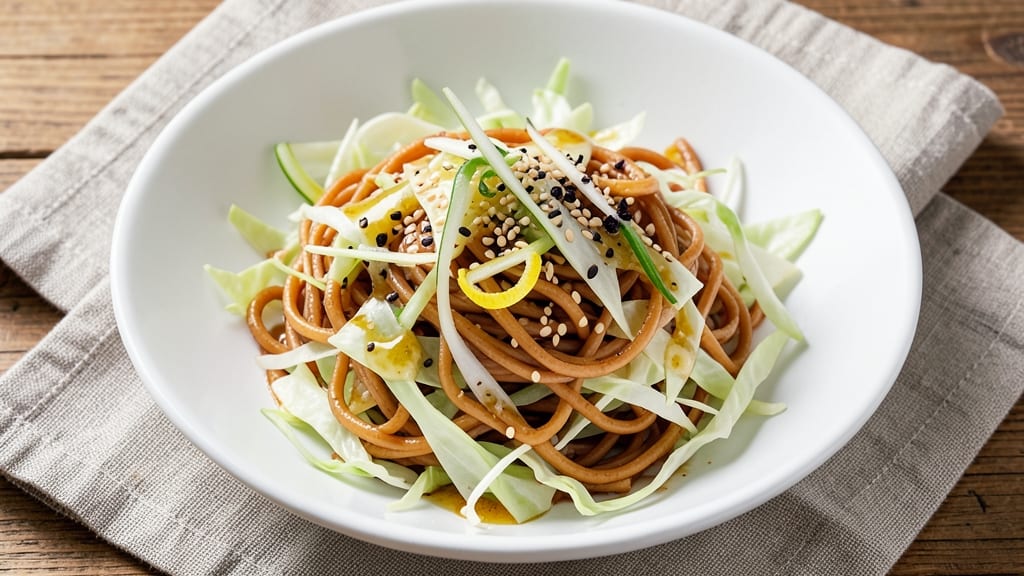
Transforming leftover ramen noodles into a crispy, flavorful Japanese cabbage salad recipe with ramen noodles is a game-changer for busy weeknights. This dish combines tender cabbage, savory noodles, and a tangy dressing that balances umami and freshness.
The key lies in properly preparing the noodles—whether stir-fried for extra crunch or tossed in a light sesame dressing—and pairing them with thinly shredded cabbage for texture contrast.
The beauty of this dish is its adaptability. You can use store-bought ramen or homemade noodles, and the dressing can be customized with miso, peanut butter, or even a yogurt-based option for a lighter twist.
Traditional Japanese techniques like quick-pickling the cabbage or adding a touch of rice vinegar elevate the flavors while keeping the method simple enough for beginners. The result? A satisfying, balanced meal that’s both comforting and fresh.
What makes this recipe stand out is the harmony between the chewy noodles and crisp cabbage, all tied together with a dressing that’s rich yet bright. The noodles absorb the dressing beautifully, while the cabbage adds a refreshing crunch that cuts through the richness.
Perfect as a standalone dish or paired with grilled proteins, this salad proves leftovers can be just as exciting as a fresh meal.
Ready in just 20 minutes, this recipe is ideal for meal preppers or anyone looking to repurpose ingredients creatively. The best part? Every bite delivers a satisfying mix of textures and flavors that feel both nostalgic and innovative. Let’s get started!
Ingredients for japanese cabbage salad recipe with ramen noodles
Transform leftover noodles and crisp cabbage into a restaurant-style Japanese-inspired salad bursting with texture and umami.
| Ingredient | Amount | Notes |
|---|---|---|
| Japanese Cabbage 🥬 | 8 cups | Thinly shredded, core removed |
| Cooked Ramen Noodles 🍜 | 8 oz | Unseasoned, chilled and broken |
| Rice Vinegar 🍶 | ⅓ cup | Unseasoned, light variety |
| Sesame Oil 🫒 | 1 ½ tbsp | Toasted, for aroma |
| Soy Sauce 🥢 | 2 tbsp | Low-sodium preferred |
| Sesame Seeds 🌾 | 1 tbsp | Toasted, for garnish |
| Toasted Sesame Seeds 🌾 | 1 tbsp | Extra for garnish |
| Garlic Cloves 🧄 | 3 cloves | Minced, for dressing |
| Ginger 🌿 | 1 tsp | Fresh, grated |
| Honey 🍯 | 1 tbsp | Or agave for vegan option |
| Vegetable Oil 🫒 | 1 tbsp | For stir-frying noodles |
| Salt 🧂 | ½ tsp | Kosher or sea salt |
| Black Pepper 🌶️ | ¼ tsp | Freshly ground |
| Red Pepper Flakes 🌶️ | ¼ tsp | Optional, for heat |
The Japanese cabbage is the star here—look for heads with crisp, vibrant leaves and a firm core. Asian grocery stores often carry the freshest varieties, but most mainstream supermarkets stock it too. If you can't find pre-shredded, invest in a good mandoline for even slices. For the noodles, unseasoned ramen is key—skip the flavored packets to control the seasoning. If you're using dried ramen, cook it just until al dente, then rinse under cold water to stop the cooking and remove excess starch. The cabbage should be shredded into thin ribbons, not chopped, to maintain that signature crunch.
No sesame oil? Toasted peanut oil works in a pinch, though the flavor will differ slightly. Substitute honey with agave or maple syrup for a vegan version—both add sweetness without altering the dressing's balance. For extra depth, add a teaspoon of miso paste to the dressing. If you're short on time, pre-shredded coleslaw mix can replace the cabbage, though it won't have the same texture. The garlic and ginger can be swapped for 1 teaspoon each of garlic powder and ground ginger, though fresh is ideal. For heat lovers, doubling the red pepper flakes adds a nice kick without overpowering.
This salad keeps beautifully—3-4 days in an airtight container in the fridge, though the cabbage may soften slightly. For best texture, store the noodles and dressing separately until ready to serve. The dressing can be made a day ahead and stored in a small jar. To reheat, gently warm the noodles in a dry skillet for 2-3 minutes to restore crispness. Garnish with extra sesame seeds just before serving to keep them toasted and aromatic. Portion into meal prep containers for grab-and-go lunches all week.
Why You'll Love This Recipe
- No-Chop Nightmare: I swear, this salad takes me less than 10 minutes to toss together—just thinly slice the cabbage (or buy pre-shredded if you’re really lazy) and dump in whatever ramen noodles you have. The sesame oil and rice vinegar dressing comes together in one bowl while you’re microwaving the noodles. Honestly, I make this when I’m too tired to decide what to eat.
- Umami Bomb: That combo of soy sauce and sesame oil? It’s like a flavor grenade in the best way. The ramen noodles—still slightly chewy, not mushy—soak up the tangy-salty dressing while the cabbage stays crisp. I’ll be real: the first time I tried it, I ate the whole bowl with chopsticks. (Yes, even on a Tuesday night.)
- Lunchbox Hero: This salad keeps perfectly for days, which is why I prep it on Sundays. Pack it in jars or containers for work lunches—just shake it up before eating so the noodles don’t get soggy. My kids actually finish their lunches now, and I’ve even brought it to potlucks (it’s the one dish no one picks at).
- Pantry Magic: You’re already buying ramen and cabbage, so this costs next to nothing. One head of cabbage lasts me two meals, and a pack of noodles stretches into three. Between us, I’ve made this with leftover takeout ramen, and it still tasted spot-on. It’s my go-to when I’m broke or when I forget to meal prep.
Step-by-step instructions for Japanese cabbage salad with ramen noodles
Transform simple ingredients into a crisp, flavorful salad that repurposes leftovers beautifully.
Prepare the Japanese Cabbage Base
Place the 8 cups Japanese cabbage on a clean cutting board and separate the leaves. Remove the thick core from each leaf and discard it. Using a sharp knife, thinly shred the cabbage into ¼-inch wide ribbons, working from the outer edge toward the stem. The goal is to create long, even shreds that will maintain their crunch when tossed with the dressing.
Transfer the shredded cabbage to a large mixing bowl. Sprinkle with 0.5 tsp salt and gently massage the cabbage with your hands for 1 minute. This process softens the cabbage slightly and helps it absorb the dressing more evenly. Let it sit for 5 minutes while you prepare the remaining components.
Create the Flavorful Dressing
In a small bowl, combine the 0.33 cup rice vinegar, 2 tbsp soy sauce, 1 tbsp honey, 1.5 tbsp sesame oil, 3 cloves garlic cloves (minced), and 1 tsp ginger (grated). Whisk vigorously until all ingredients are fully incorporated and the mixture is smooth. Taste the dressing and adjust seasoning if needed—you may want to add a pinch more salt or a drizzle of honey to balance the flavors.
This dressing is the heart of the salad, delivering a perfect balance of tangy, sweet, umami, and aromatic notes. The sesame oil adds depth, while the garlic and ginger provide a subtle kick. Save 1 tablespoon of the dressing to drizzle over the finished salad for extra shine and flavor.
Stir-Fry the Ramen Noodles
Heat 1 tbsp vegetable oil in a large skillet over medium-high heat until shimmering. Add the 8 oz cooked ramen noodles (broken into 2-inch pieces) and stir-fry for 2-3 minutes until they begin to crisp slightly at the edges. The noodles should be hot but not soggy—this step adds texture and prevents them from becoming mushy when combined with the cabbage.
Remove the skillet from heat and transfer the warm noodles to the bowl with the cabbage. Drizzle ¾ of the prepared dressing over the cabbage and noodles. Using clean hands or a large spoon, gently toss everything together until the cabbage is evenly coated and the noodles are well distributed. Let the salad sit for 5 minutes to allow the flavors to meld.
Assemble and Garnish
Return the salad to the bowl and gently fold in 1 tbsp sesame seeds and 1 tbsp toasted sesame seeds. Sprinkle with 0.25 tsp black pepper and 0.25 tsp red pepper flakes (if using) for a touch of heat. The toasted sesame seeds add a nutty crunch that contrasts beautifully with the tender cabbage and crispy noodles.
Serve immediately while the noodles are still warm and the cabbage retains its crisp texture. Drizzle the reserved 1 tablespoon of dressing over the top just before serving for an elegant finish. This salad holds well for 2-3 hours in the refrigerator, making it perfect for meal prep or repurposing leftover ramen.
Pro Tips For Making Japanese Cabbage Salad Recipe With Ramen Noodles
- SHRED CABBAGE THIN: Use a sharp knife and cut the cabbage lengthwise into quarters first—this keeps the core intact and makes shredding faster. I learned this the hard way after struggling with a wobbly cabbage on the cutting board (yes, even with a mandoline).
- DRAIN NOODLES WELL: Toss freshly cooked ramen noodles in a colander, then rinse them under cool water for 10 seconds. This stops the cooking and removes excess starch, which prevents your salad from turning into a gluey mess. Trust me, you’ll notice the difference.
- SALT THE CABBAGE FIRST: Sprinkle ½ teaspoon salt over the shredded cabbage and let it sit for 5 minutes before adding other ingredients. This softens the leaves and draws out bitterness—my grandmother swore by this, and she was right.
- MIX DRESSING LAST: Toss the noodles and cabbage with half the dressing first, then fold in the rest right before serving. This keeps the cabbage crisp and prevents the noodles from absorbing all the flavor. I skip this when I’m lazy, but the dish is noticeably better when I don’t.
Regional styles of this recipe
Kyoto-Inspired Style
The Kyoto region elevates this dish with delicate flavors and refined techniques. Here, the cabbage is often lightly pickled in a mix of rice vinegar and a touch of mirin before assembly, adding subtle sweetness.
I recommend marinating the shredded cabbage for 10 minutes in ¼ cup rice vinegar and 1 tbsp mirin before tossing with the noodles. This approach keeps the cabbage crisp while infusing it with umami depth. 🌸
Tokyo Street Food Twist
Tokyo’s fast-paced street food culture transforms this salad into a handheld snack.
In this version, the ramen noodles are stir-fried with a splash of sake> (just 1 tbsp) for extra aroma, then tossed with cabbage and a dressing made with 1 tbsp grated daikon radish> for a peppery kick.
Serve in a paper cone> or lettuce wrap for an authentic street-food experience. The radish adds a refreshing crunch that balances the richness of the noodles.
Okinawa’s Tropical Fusion
Okinawa’s warm climate brings a sweeter, fruitier touch to this dish. Here, the dressing includes 1 tbsp shredded pineapple> and a drizzle of sesame-ginger syrup> (simmer 1 tbsp honey> with 1 tsp grated ginger> for 2 minutes).
The cabbage is lightly massaged with ½ tsp salt> and a pinch of black pepper>, then tossed with the noodles and topped with toasted coconut flakes for a tropical crunch. This version is perfect for summer meals and pairs beautifully with grilled fish.
Hokkaido Hearty Version
Hokkaido’s cold climate inspires a heartier, more robust salad.
The noodles are stir-fried with 1 tbsp butter> and a pinch of salt> for extra richness, then combined with cabbage dressed in a mix of 2 tbsp soy sauce>, 1 tbsp miso paste>, and 1 tsp grated apple> for natural sweetness.
Top with crispy fried shallots> and a sprinkle of furikake> (Japanese seasoning) for a savory, umami-packed bite. This version is ideal for colder months and feels deeply satisfying.
Modern Japanese Café Style
Inspired by Tokyo’s trendy cafés, this version focuses on presentation and balance. The cabbage is arranged in a neat pile on a plate, with the noodles artfully draped over the top.
The dressing is drizzled in a zigzag pattern, and the dish is finished with microgreens>, edible flowers>, and a dusting of flaky sea salt>.
For extra flair, add a side of spicy mayo> (mix 2 tbsp mayo> with ½ tsp sriracha>) for dipping. This style is perfect for brunch or as a light lunch with grilled proteins.
Nutrition facts
Frequently asked questions
Can I use regular cabbage instead of Japanese cabbage?
Regular cabbage works in a pinch, but Japanese cabbage's milder sweetness and delicate texture make it ideal. If substituting, choose green cabbage and shred it slightly thinner (⅛-inch instead of ¼-inch) to prevent bitterness. For best results, massage it with 1 tsp sugar or honey before adding the dressing to mimic the natural sweetness of Japanese cabbage.
How do I prevent the ramen noodles from getting soggy?
Stir-fry the noodles in a dry skillet over medium-high heat for 2-3 minutes until they crisp slightly at the edges. This step removes excess moisture and creates texture. For extra insurance, pat them dry with a paper towel before cooking. Always combine the noodles with the cabbage just before serving to maintain crispness.
What are some good protein additions for this salad?
Grilled chicken, shrimp, or tofu work beautifully. For a vegetarian option, add crispy baked tofu or edamame. If using meat, cook it separately and add it warm to the salad just before serving. For extra protein without cooking, try white beans or chickpeas—simply rinse and toss them in.
Can I make this salad ahead of time?
Yes, but store the components separately. Keep the cabbage and dressing in one container and the noodles in another. When ready to serve, toss everything together and let it sit for 5 minutes to rehydrate the cabbage slightly. For best texture, reheat the noodles in a dry skillet for 1-2 minutes before combining. The dressing can be made 2 days ahead and stored in the fridge.
Why does my dressing taste too strong?
Balance the flavors by adding a touch of sweetness (½ tsp honey) or acidity (½ tsp rice vinegar). If the soy sauce dominates, dilute it with 1 tbsp water or add a splash of sesame oil to mellow the intensity. Always taste as you go—start with half the garlic and ginger, then adjust. The dressing should complement, not overpower, the cabbage and noodles.