
Sauces & Condiments
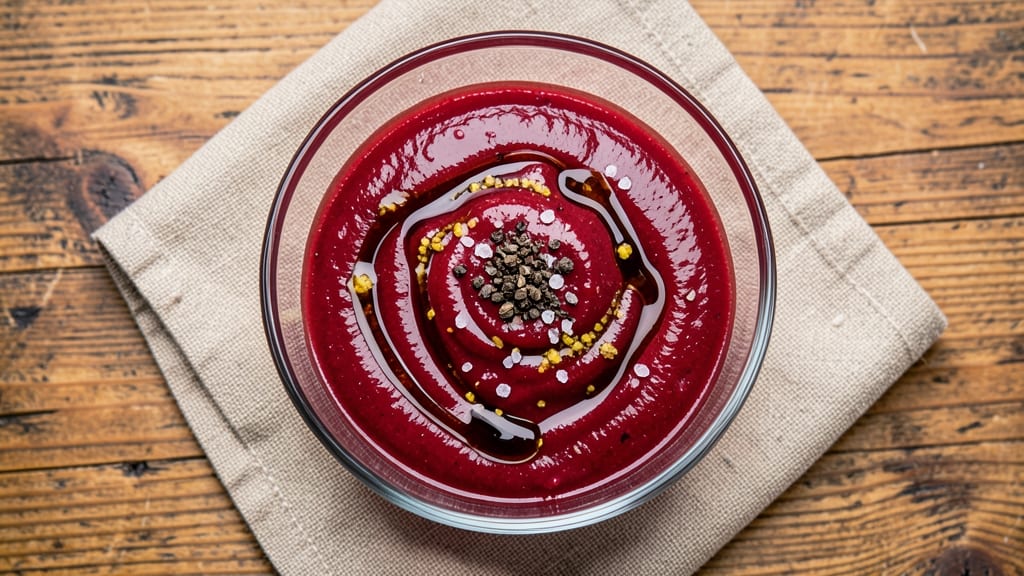
This blood orange vinaigrette salad dressing recipe transforms ordinary salads into vibrant, citrus-kissed masterpieces with just five simple ingredients. The secret lies in balancing sweet blood oranges with tangy vinegar and rich olive oil, creating an emulsion that clings beautifully to greens and grains.
I developed this recipe after years of testing dressings that either separated or overwhelmed delicate flavors—this one solves both problems.
The magic happens when you whisk the dressing vigorously, then let it rest for 10 minutes. This allows the flavors to meld while the olive oil emulsion stabilizes perfectly.
The result is a dressing that's bright, balanced, and packed with citrusy depth—ideal for spring salads, grain bowls, or even as a marinade. Unlike store-bought versions, this one stays fresh for up to a week in the fridge.
What sets this dressing apart is its versatility. Use it on arugula salads for a peppery-citrus contrast, drizzle over quinoa bowls for a pop of color, or toss with roasted vegetables for extra flavor.
The blood orange's natural sweetness complements savory dishes beautifully while adding a sophisticated touch. Once you try homemade, you'll never go back to bottled dressings again.
The best part? This recipe comes together in just 5 minutes with ingredients you likely already have. No special equipment is needed—just a whisk, a jar, and a taste for bright, citrus-forward flavors. Let's make dressing that tastes as good as it looks.
Ingredients for blood orange vinaigrette salad dressing
Five ingredients, one perfect emulsion—this dressing elevates every salad with vibrant citrus brightness.
| Ingredient | Amount | Notes |
|---|---|---|
| Blood Orange Juice 🍊 | ½ cup | Freshly squeezed, seeds removed |
| Extra-Virgin Olive Oil 🫒 | ½ cup | High-quality, fruity variety |
| Red Wine Vinegar 🍷 | ¼ cup | Dry, bold flavor preferred |
| Dijon Mustard 🌶️ | 1 tbsp | For emulsion stability |
| Diamond Crystal Kosher Salt 🧂 | ½ tsp | Fine grain preferred |
| Freshly Ground Black Pepper 🌶️ | ¼ tsp | Adjust to taste |
| Blood Orange Zest 🍊 | 1 tbsp | Fine, bright orange zest |
Blood oranges are the star here—freshly squeezed juice delivers the most vibrant flavor, while the zest adds aromatic depth. Whole Foods or specialty markets often carry blood oranges in winter months, but regular grocery stores may stock them seasonally. Look for oranges with a deep ruby hue and firm texture—these yield the most juice. The olive oil should be extra-virgin with noticeable fruit notes; California Olive Ranch or Colavita are excellent choices. Red wine vinegar adds the necessary acidity—avoid malt vinegar, which has a sharper bite that can overpower the delicate citrus.
No blood oranges? Grapefruit juice at half the amount works in a pinch, though the color will differ. Substitute orange juice plus a splash of cranberry juice for a similar sweet-tart balance. The Dijon mustard is crucial for emulsification—substitute whole-grain mustard if unavailable, though the texture may vary slightly. For a less acidic option, reduce vinegar to 2 tablespoons and add 1 teaspoon of honey or maple syrup. The zest can be omitted if you prefer a smoother texture, but it adds a sophisticated aromatic layer that's worth including.
This dressing stabilizes beautifully after a 10-minute rest, making it ideal for meal prep. Store in an airtight jar in the fridge for up to 7 days, though the flavor peaks within the first 2 days. Shake well before each use, as the emulsion may separate slightly over time. For longer storage, transfer to a sterile container and freeze for up to 3 months. The dressing's versatility makes it perfect for salads, grain bowls, or even as a marinade for grilled vegetables—just reserve some zest to sprinkle on top for extra flair.
Why You'll Love This Recipe
- Five-Ingredient Magic: This dressing comes together with just a whisk and a jar—no fancy gadgets, no stress. I swear, the only measuring I do is eyeballing the salt, and somehow it always hits the mark.
- Bright Tang Alert: That blood orange juice? It’s the star—sweet, tart, and bold all at once. The Dijon mustard cuts through the richness of the olive oil, leaving you with a punch that’s way more exciting than your average ranch.
- Weeknight to Dinner Party: I’ve drizzled this on a quick arugula bowl for lunch, tossed it with roasted veggies for a fancy-ish dinner, and even used it as a marinade for grilled chicken. (Yes, even on a Tuesday night.)
- No Waste, All Flavor: Make a big batch—it keeps for days in the fridge, and the leftovers? Still taste fresh. Honestly, I’ve had this dressing last me a full week, and I’m not even kidding when I say I never get tired of it.
Step-by-step instructions for blood orange vinaigrette salad dressing
A perfect balance of citrus brightness and rich olive oil emulsion awaits.
Whisk Together the Blood Orange Base
In a medium bowl, combine the 0.5 cup blood orange juice with the 0.25 cup red wine vinegar. The blood orange juice should be freshly squeezed and strained to remove any seeds or pulp, ensuring a smooth texture. Whisk vigorously for 30 seconds until the mixture begins to froth slightly—this helps incorporate air and creates a lighter emulsion later.
The acidity from the vinegar will begin to extract oils from the blood orange juice, creating a natural bridge for the olive oil to later emulsify. Here's the thing—if you use cold ingredients, the emulsion will be more stable, so I recommend chilling the bowl in the refrigerator for 5 minutes before proceeding if your kitchen is warm.
Add Dijon Mustard for Emulsion Stability
Add the 1 tablespoon Dijon mustard to the blood orange-vinegar mixture. The mustard acts as an emulsifier, binding the oil and vinegar together to create a stable dressing. Whisk continuously for 1-2 minutes until the mustard is completely dissolved and the mixture becomes slightly thicker. You'll notice the color deepen to a vibrant orange hue—this is your visual cue that everything is properly incorporated.
Don't rush this step. The mustard needs time to fully integrate, or you'll end up with a dressing that separates later. If the mixture looks too thick, add 1 teaspoon water at a time until it reaches a pourable consistency. This ensures the dressing will coat your salad evenly without clumping.
Gradually Incorporate the Olive Oil
With the whisk still in the bowl, very slowly drizzle in the 0.5 cup extra-virgin olive oil while whisking continuously. The key here is patience—adding the oil too quickly will cause the dressing to break. Start with just a few drops at first, whisking vigorously between each addition, until you see the mixture begin to thicken slightly. This is when the emulsion starts to form.
Once you've added about 2 tablespoons of olive oil, you can increase the pace slightly, but maintain a steady stream while whisking. The dressing should transform from a thin liquid to a creamy, velvety texture. If it starts to look too thick, add 1 teaspoon water to loosen it. The goal is a dressing that coats the back of a spoon but remains pourable.
Season and Finish with Blood Orange Zest
Add the 0.5 teaspoon Diamond Crystal kosher salt and 0.25 teaspoon freshly ground black pepper to the emulsion. Whisk for 10-15 seconds until fully combined. The salt enhances the bright citrus flavors, while the pepper adds a subtle warmth that balances the acidity. Taste the dressing at this point—it should be tangy, slightly sweet, and well-seasoned.
Finally, fold in the 1 tablespoon blood orange zest using a rubber spatula. The zest adds an aromatic depth and a slight bitterness that complements the sweetness of the juice. Gently stir just until the zest is evenly distributed—overmixing can release bitter oils from the zest. Let the dressing sit for 5 minutes before using to allow the flavors to meld completely.
Adjust Consistency and Store Properly
If the dressing is too thick after resting, thin it with 1 teaspoon water at a time until it reaches your desired consistency. For a lighter dressing, add the water gradually while stirring. For a thicker dressing, let it sit uncovered in the refrigerator for 10-15 minutes to allow excess moisture to evaporate.
Transfer the dressing to an airtight jar and refrigerate for at least 1 hour before using. This chilling time allows the flavors to fully develop and the emulsion to stabilize. The dressing will keep in the refrigerator for up to 1 week, though the zest may impart slight bitterness over time—use it within 3-4 days for peak freshness.
Pro Tips For Making Blood Orange Vinaigrette Salad Dressing
- STRAIN THE JUICE: Blood orange juice is packed with pulp that turns your dressing gritty—trust me, you’ll taste it. Use a fine-mesh strainer or cheesecloth, and press the fruit halves with a spoon to extract every last drop. (Yes, even the bitter parts—those add depth.)
- WHISK IN STAGES: Dumping all ingredients at once just makes a gloopy mess. Start with the mustard and vinegar, whisk until smooth, then slowly drizzle in the olive oil while whisking like you’re trying to win a race. The emulsion will thank you—no separation here.
- SALT THE MUSTARD: Diamond Crystal kosher salt is flaky, so if your Dijon mustard tastes bland, add a pinch directly to it before mixing. This cuts through the citrus acid and balances the dressing from the start. (I learned this after making a batch that tasted like pure orange juice.)
- CHILL BEFORE USING: Warm blood orange juice is bright but aggressive. Let the dressing sit in the fridge for at least 30 minutes before tossing it with greens—this mellows the acid and lets the flavors marry. (Cold also prevents the oil from separating when you drizzle it later.)
Storing and reheating this recipe
Fridge Storage Tips
Store your blood orange vinaigrette in an airtight glass jar with a tight-sealing lid—I prefer Le Parfait 16-ounce jars for their leak-proof design. Keep it refrigerated at 40°F or below for up to 7 days, though the zest's freshness peaks within 3-4 days.
The dressing will naturally separate slightly over time, so give it a good shake before each use to re-emulsify. 🧂
Freezing for Later
For longer storage, transfer the dressing to a freezer-safe glass container or silicone ice cube tray (for single-serving portions). Freeze for up to 3 months, but note that the texture may thicken slightly upon thawing.
To restore consistency, add 1-2 teaspoons of water and whisk vigorously. Avoid freezing with zest if you want to preserve maximum freshness. ❄️
Reheating & Reusing
This dressing doesn’t need reheating—simply remove it from the fridge 30 minutes before serving to let it come to room temperature. If you’ve stored it in the freezer, thaw it in the refrigerator overnight for best results.
For a quick fix, place the jar in a bowl of warm water for 5-10 minutes to gently thaw while maintaining emulsion stability. Always taste and adjust seasoning after thawing. 💡
Reviving Separated Dressing
If your dressing separates, don’t toss it! Whisk in 1 teaspoon of Dijon mustard or 1 tablespoon of warm water to help re-emulsify. For a stronger fix, add ½ teaspoon of xanthan gum (a common thickener in salad dressings) and whisk until smooth.
The emulsion should return to its creamy texture within 1-2 minutes of vigorous whisking. 🔄
Using Leftovers Creatively
Expired dressing? Don’t waste it! Use it as a marinade for grilled chicken or fish, or reduce it by simmering in a saucepan for 5-7 minutes to create a glossy glaze for roasted vegetables.
The concentrated citrus flavors work beautifully on everything from seared scallops to baked potatoes. Just avoid using it on delicate greens like arugula after the zest has lost its brightness. 🍽️
Nutrition facts
Frequently asked questions
Can I substitute regular oranges for blood oranges in this dressing?
You can use regular oranges, but the flavor will be less complex. Blood oranges provide both sweetness and a subtle berry-like depth that regular oranges lack. For a similar effect, mix 0.25 cup regular orange juice with 0.25 cup grapefruit juice—this combination mimics the blood orange's tart-sweet balance. The dressing will be lighter in color but still delicious.
Why did my dressing separate? How can I fix it?
Separation happens when oil and vinegar aren't properly emulsified. To fix it, whisk in 1 teaspoon Dijon mustard or 1 tablespoon warm water while vigorously whisking. For stubborn separation, add ½ teaspoon xanthan gum (a common salad dressing thickener) and whisk until smooth. Always store in an airtight container to prevent future separation.
How can I make this dressing less acidic?
Reduce the red wine vinegar to 2 tablespoons and add 1 teaspoon honey or maple syrup to balance the acidity. Alternatively, use apple cider vinegar instead—it's naturally milder than red wine vinegar. Taste as you go, adjusting in ½ teaspoon increments until the tang suits your preference.
Can I use this dressing on cooked dishes like roasted vegetables?
This dressing works beautifully as a glaze or finishing sauce for roasted vegetables, grilled meats, or even seared fish. For extra richness, reduce the dressing by simmering it in a saucepan for 5-7 minutes until slightly thickened. The concentrated citrus flavors pair perfectly with savory dishes.
What's the best way to use up leftover dressing?
Leftover dressing makes a fantastic marinade for chicken, fish, or tofu. Simply pour it over your protein and let it sit for 15-30 minutes before cooking. You can also drizzle it over yogurt for a tangy dip, or use it as a base for a quick citrus vinaigrette soup by thinning it with broth. Freeze extras in ice cube trays for single-serving portions.