
Sauces & Condiments
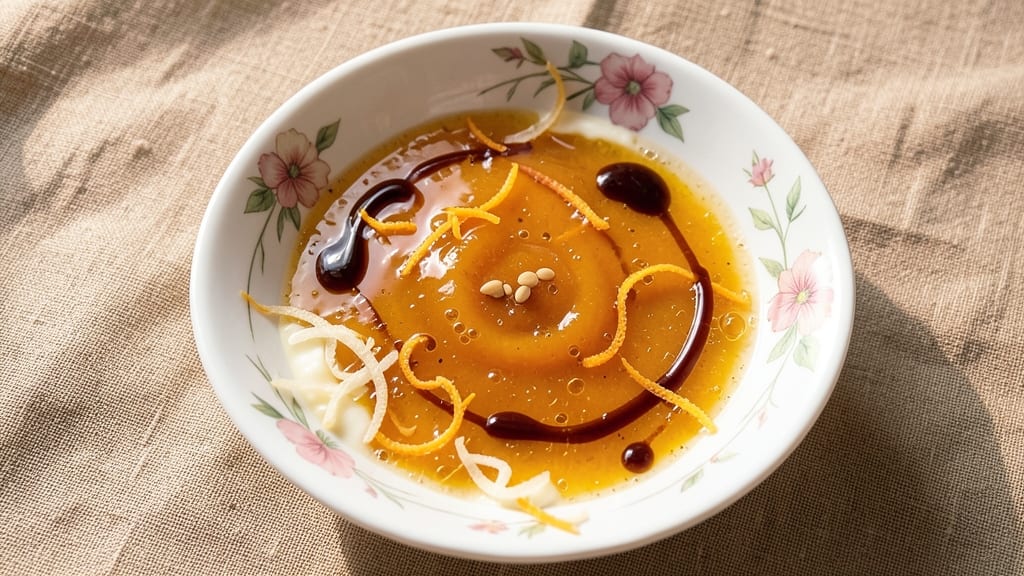
This Asian orange salad dressing transforms ordinary greens into vibrant, flavor-packed meals with just a few simple ingredients. The bright citrus notes of orange juice and zest blend seamlessly with umami-rich soy sauce and aromatic ginger, creating a dressing that’s both refreshing and deeply satisfying.
It’s the perfect balance of tangy, sweet, and savory—ideal for elevating salads, noodles, or even grilled proteins.
The beauty of this dressing lies in its versatility and ease. With just 5 minutes of prep, you’ll have a batch that keeps well in the fridge for up to 5 days, making it a go-to for quick lunches or last-minute dinners.
The recipe uses common pantry staples—like rice vinegar, sesame oil, and a touch of chili—for depth without overpowering the natural citrus brightness.
What makes this dressing truly special is how it elevates every dish it touches. Drizzle it over crisp greens for a zesty kick, toss it with cold noodles for a restaurant-worthy meal, or use it as a marinade for chicken or fish.
The crisp, clean flavors cut through rich foods, ensuring every bite is balanced and exciting.
For extra depth, add a clove of minced garlic or a dash of red pepper flakes, but the base recipe is already foolproof. Whether you’re prepping for the week or whipping up a quick lunch, this dressing delivers restaurant-quality flavor with minimal effort. Let’s get started!
Ingredients for asian orange salad dressing
Bright citrus meets umami depth in this vibrant Asian-inspired dressing—just 10 ingredients for restaurant-quality flavor.
| Ingredient | Amount | Notes |
|---|---|---|
| Fresh Orange Juice 🍊 | ½ cup | Freshly squeezed, no pulp |
| Orange Zest 🍊 | 1 tbsp | Finely grated outer peel |
| Rice Vinegar 🍶 | ⅓ cup | Unseasoned, mild acidity |
| Sesame Oil 🫒 | 1 tbsp | Toasted sesame oil preferred |
| Low-Sodium Soy Sauce 🍜 | 1 ½ tbsp | For balanced umami |
| Fresh Ginger 🌿 | 1 tbsp | Finely grated, peeled |
| Honey 🍯 | 1 tbsp | Light floral variety |
| Garlic Cloves 🧄 | 1 clove | Minced, optional for depth |
| Red Chili Flakes 🌶️ | ½ tsp | Adjust for heat preference |
| Sesame Seeds 🌾 | 1 tsp | Toasted, for garnish |
The fresh orange juice is non-negotiable here—bottled won’t give the same bright punch. Look for juices with minimal pulp (like Tropicana Pure or Simply Orange) for smoother texture. Rice vinegar should be unseasoned (like Kikkoman or Annie Chun’s) to avoid overpowering the citrus. For the sesame oil, grab the toasted variety at Trader Joe’s or Asian markets—it adds nutty depth the regular kind lacks. The ginger should be fresh, not powdered—Whole Foods or Publix usually carry it pre-peeled for convenience.
No fresh orange juice? Store-bought orange juice works in a pinch (just strain out pulp), and lime juice adds a nice twist. Swap honey for maple syrup if you prefer, or use agave for a neutral sweetness. Soy sauce can be regular, but low-sodium keeps the dressing from getting too salty. The garlic and chili flakes are optional but add layers—skip them if you’re sensitive to heat or strong flavors. For extra richness, stir in 1 tsp of tahini post-whisking. The sesame seeds can be omitted if you’re nut-free, but they add a lovely crunch.
This dressing keeps for up to 5 days in the fridge, sealed tightly in a jar. The flavors actually improve after the first day as everything melds. For longer storage, transfer to an ice cube tray, freeze, and pop out single portions—perfect for quick meals. If it thickens, just whisk in 1 tsp of water or orange juice to loosen. Always taste before serving—adjust sweetness with more honey or tang with extra vinegar as needed.
Why You'll Love This Recipe
- Five-Ingredient Magic: I swear by this—just juice, zest, vinegar, a drizzle of sesame oil, and a splash of soy sauce. That’s it. No standing over a stove, no blender cleanup, just stir and taste. Honestly, I make double batches because it’s that effortless.
- Bright & Tangy Kick: The orange zest gives this dressing a zing that cuts through greasy takeout or dull salads. That first bite of sesame oil’s nutty warmth? It’s like a little flavor explosion that makes everything taste fresh again—no heavy cream or weird preservatives.
- Salad Game-Changer: I use this on everything—cold noodles, grilled chicken, even as a marinade. The acidity tenderizes meat, and the soy sauce adds depth. Pro tip: Drizzle it over store-bought sushi rolls for instant restaurant vibes. (Yes, even on a Tuesday night.)
- Stays Fresh for Days: Unlike creamy dressings that go rancid in hours, this keeps in the fridge for a week. I’ll be real—it’s my go-to for lazy mornings when I toss it with pre-cut veggies. Plus, the ingredients cost pennies compared to bottled dressings. Budget win.
Step-by-step instructions for Asian orange salad dressing
This vibrant dressing balances citrus brightness with umami richness in just minutes.
Prepare the Base Ingredients
In a medium bowl, combine the 0.5 cup fresh orange juice and 1 tbsp orange zest using a whisk. The zest should be finely grated to avoid any bitter peel bits—this ensures a smooth texture. I like to press the zest through a fine-mesh strainer if I'm worried about any lingering pulp.
Add the 0.33 cup rice vinegar next, whisking until fully incorporated. This creates the acidic foundation that will brighten your salad. The vinegar should be unseasoned to maintain balance—seasoned vinegars can overpower the delicate citrus flavors we're building here.
Incorporate Aromatics and Umami Elements
To the bowl, add the 1 tbsp finely grated fresh ginger, 1 clove minced garlic cloves, and 1.5 tbsp low-sodium soy sauce. Whisk vigorously for 30 seconds until the ginger and garlic are completely dissolved. The ginger should infuse the dressing with a subtle warmth, while the soy sauce adds that essential umami depth that makes this dressing truly Asian-inspired.
Here's where the balance matters: if you taste the mixture now, it should be tangy with a hint of sweetness from the orange juice, but still need that final touch of richness. Don't worry if it looks slightly separated—we'll fix that next.
Add Sweetness and Oil for Emulsion
Pour in the 1 tbsp honey and 1 tbsp sesame oil, whisking continuously for 1 full minute. The honey should dissolve completely, creating a smooth, cohesive dressing. The sesame oil is crucial here—it not only adds nutty depth but also helps emulsify the dressing so it doesn't separate when drizzled over greens.
I use toasted sesame oil for that extra nutty aroma, but if you're using regular sesame oil, give it a quick toast in a dry pan for 30 seconds before adding to enhance the flavor. The mixture should now look glossy and well-blended, with all ingredients fully incorporated.
Season and Adjust for Perfection
Add the 0.5 tsp red chili flakes and give it one final whisk. Taste immediately—this is your quality control moment. The dressing should have a perfect balance of sweet, sour, spicy, and umami. If it needs more acidity, add 1 teaspoon rice vinegar. Too sweet? Add 1 teaspoon soy sauce. Too spicy? Reduce the chili flakes slightly next time.
For best results, let the dressing rest for 5 minutes before using. This allows all the flavors to meld together completely. The dressing should coat the back of a spoon with a silky texture, ready to elevate any salad from ordinary to extraordinary.
Finish and Store Properly
Before serving, sprinkle the 1 tsp toasted sesame seeds on top and give it one final stir. These seeds add both visual appeal and a delightful crunch when tossed with greens. The dressing will keep in the refrigerator for up to 5 days in an airtight container, though I find it's best used within 2-3 days for maximum freshness.
For the best experience, toss with crisp greens like butter lettuce or arugula, and add crunchy elements like shredded carrots or cucumber. The dressing's vibrant color will make your salad look as good as it tastes—bright, refreshing, and perfectly balanced.
Pro Tips For Making Asian Orange Salad Dressing
- STRAIN THE ZEST: Orange zest clumps like tiny sandbags if you don’t sift it—especially the dried, papery bits. Use a fine-mesh sieve or cheesecloth to catch the grit, or your dressing will taste like you’re chewing on a screen door. (Yes, I’ve done it. Twice.)
- WHISK IN STAGES: Dump all ingredients in at once and you’ll end up with a lumpy, oily mess. Start with the rice vinegar and soy sauce, whisk until smooth, then add orange juice and zest gradually. Finally, drizzle in sesame oil—too much too soon and it’ll separate like a bad oil painting.
- USE COLD SESAME OIL: Warm sesame oil straight from the bottle? You’re killing its aroma and turning your dressing into a sad, flat puddle. Chill the oil in the fridge for 10 minutes first—it’ll emulsify better and keep that nutty, toasty punch intact. (I learned this after making dressing that tasted like it was bottled in a sauna.)
- DILUTE THE SOY SAUCE: Low-sodium soy sauce is still salty—like, way saltier than you’d think. Mix it with an equal part water before adding it to the dressing, or your whole dish will taste like a misplaced soup. (Trust me, your greens will thank you.)
Flavor customization for this recipe
Sweetness Control
The honey in this dressing is what ties all the flavors together, but it’s easy to overdo it. Start with 1 tablespoon and taste before adding more—this dressing should be sweet enough to balance the acidity but not cloying.
If you prefer a more subtle sweetness, swap the honey for 1 tablespoon maple syrup or agave nectar, which have a cleaner, less floral profile. For a fruitier twist, try 1 tablespoon orange marmalade—it adds a lovely citrus depth that complements the fresh orange juice. 🍯
Spice Level Adjustments
The red chili flakes add a subtle kick, but if you’re sensitive to heat, you can easily dial it down. Start with ¼ teaspoon and work your way up to ½ teaspoon based on your preference.
For a different kind of heat, add 1 teaspoon of sriracha or ½ teaspoon of gochujang for a deeper, fermented spice note. If you want to keep it completely mild, omit the chili flakes entirely and add a pinch of black pepper for warmth instead.
Umami Depth Variations
The soy sauce is the backbone of the umami flavor here, but there are other ways to enhance it. For a richer taste, add 1 teaspoon of miso paste (preferably white or red) to the dressing—it adds a savory depth that pairs beautifully with the citrus.
If you’re using regular soy sauce, reduce the salt in your dish elsewhere, as soy sauce can make things salty quickly. For a vegetarian-friendly twist, swap the soy sauce for 1 tablespoon of coconut aminos, which has a milder, slightly sweeter profile. 🍜
Citrus Flexibility
While fresh orange juice is ideal, you can experiment with other citrus juices to change up the flavor profile. Swap the orange juice for lime juice to give the dressing a tangier, more refreshing edge—this works especially well with seafood or spicy dishes.
For a tropical twist, use ½ cup grapefruit juice (strain out any pulp) for a bitter-sweet balance. If you’re feeling adventurous, mix ¼ cup orange juice with ¼ cup pineapple juice for a fruity, slightly tropical dressing that’s perfect for summer salads.
Herbal and Aromatic Boosts
Fresh herbs can take this dressing to the next level. Add 1 tablespoon of finely chopped cilantro or mint leaves for a brighter, fresher note that pairs beautifully with the citrus.
For a more earthy flavor, stir in 1 teaspoon of fresh basil or Thai basil—it adds a subtle anise-like quality that complements the soy sauce. If you love garlic, don’t be shy: add an extra clove of minced garlic for a bolder, more aromatic dressing.
Just remember, fresh herbs should be added at the very end to preserve their brightness. 🌿
Texture and Garnish Ideas
While the dressing itself is smooth, you can add texture to make it even more exciting. For a crunchy finish, stir in 1 teaspoon of toasted sesame seeds or crushed peanuts before serving.
If you’re feeling fancy, add 1 teaspoon of finely chopped scallions or fresh ginger slices for a pop of color and freshness. For a creamy twist, whisk in 1 tablespoon of tahini or a dollop of Greek yogurt to make the dressing thicker and richer.
These additions not only enhance the texture but also add another layer of flavor to every bite. ✨
Nutrition facts
Frequently asked questions
Can I make this dressing without fresh orange juice?
Yes, but the flavor will be less vibrant. Use ½ cup store-bought orange juice (strain out pulp) or mix ¼ cup orange juice with ¼ cup pineapple juice for a tropical twist. For a tangier profile, swap for lime juice—just reduce the honey slightly since citrus varies in sweetness.
How long does this dressing keep, and can I freeze it?
The dressing stays fresh in the fridge for 5 days in an airtight container. For longer storage, freeze in ice cube trays—pop out single portions as needed. Thaw overnight in the fridge; never at room temperature. The texture may separate slightly after freezing, so whisk before using.
What can I use this dressing on besides salads?
This versatile dressing elevates so much more! Drizzle over cold noodles, grilled chicken, or steamed veggies. Use it as a marinade for fish or tofu (30 minutes max), or mix with mayo for a zesty sandwich spread. The bright citrus cuts through rich flavors beautifully.
Why did my dressing separate? How do I fix it?
Separation happens when oil and liquid ingredients aren't fully emulsified. Whisk in 1 teaspoon of warm water or orange juice to re-combine. For a smoother texture, add ½ teaspoon of cornstarch mixed with 1 teaspoon water and whisk vigorously. Always taste and adjust sweetness/tanginess before serving.
Can I make this dressing spicier or sweeter?
For extra heat, add ½ teaspoon sriracha or ½ teaspoon gochujang. Need more sweetness? Stir in 1 teaspoon maple syrup or orange marmalade. Always taste as you go—start with small amounts to avoid overpowering the citrus balance. Adjust gradually!