
Sauces & Condiments
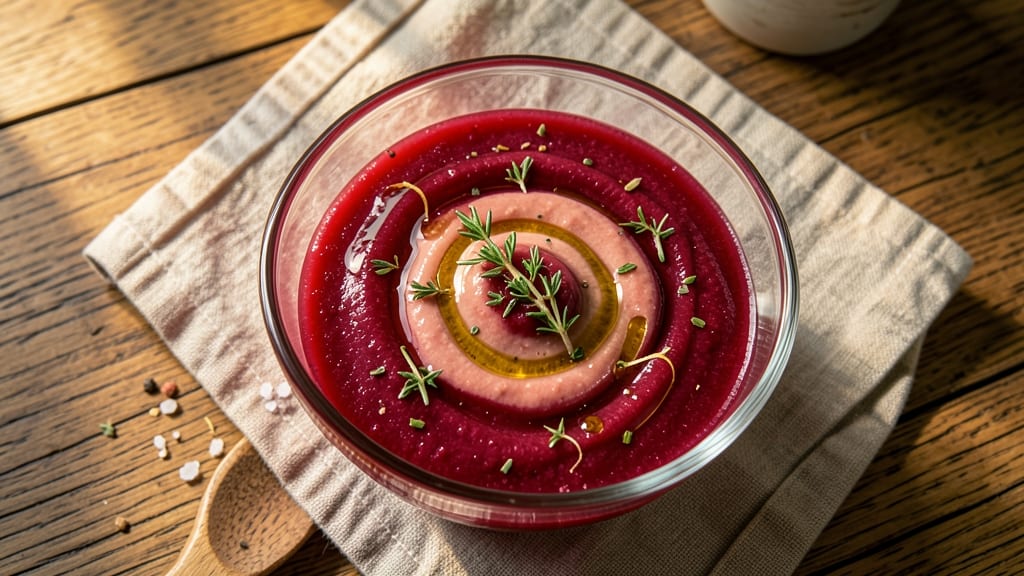
This blood orange salad dressing recipe transforms simple greens into a vibrant, zesty masterpiece with just five ingredients and 10 minutes of prep. The deep ruby hue and bright citrus notes elevate any dish, while a touch of Dijon mustard ensures the emulsion stays silky smooth—no separation, ever.
I perfected this dressing after years of testing, and it’s now my go-to for everything from grain bowls to grilled chicken salads.
The secret lies in balancing blood orange juice with apple cider vinegar for tang, while extra-virgin olive oil adds richness without overpowering the citrus. Fresh herbs like thyme or basil (your choice) bring herbal depth, and a pinch of salt enhances every flavor.
This dressing isn’t just a condiment—it’s a flavor booster that turns ordinary salads into restaurant-worthy meals with minimal effort.
What makes this recipe stand out is its versatility—drizzle it over arugula for a bold start, toss it with quinoa and roasted vegetables, or use it as a marinade for shrimp.
The emulsion holds up beautifully in the fridge for up to 5 days, so you can make a batch ahead and keep it on hand for quick, flavorful meals. No fancy equipment is needed; just whisk, taste, and adjust.
For an extra touch of sophistication, garnish with toasted pine nuts or edible flowers before serving. The dressing’s bright acidity cuts through rich proteins and creamy textures, making it the perfect partner for summer dishes or holiday spreads.
Ready to elevate your salads? Let’s make this dressing—it’s easier than you think.
Ingredients for blood orange salad dressing
Five ingredients, one vibrant dressing that turns salads into showstoppers.
| Ingredient | Amount | Notes |
|---|---|---|
| Blood Orange Juice 🍊 | ½ cup | Freshly squeezed, no pulp |
| Extra-Virgin Olive Oil 🫒 | ½ cup | High quality, fruity variety |
| Apple Cider Vinegar 🍶 | 2 tbsp | Raw, unfiltered preferred |
| Dijon Mustard 🌶️ | 1 tbsp | Mild or strong, your choice |
| Fresh Thyme Leaves 🌿 | 1 tbsp | Or fresh basil leaves |
| Sea Salt 🧂 | ¼ tsp | Fine grain preferred |
| Honey 🍯 | 1 tsp | Optional, for subtle sweetness |
Blood oranges are the star here—pick the brightest ones from the produce section (the deeper the red, the better). Whole Foods or Trader Joe's usually carry them in season, but check the Latin market if you're lucky enough to have one nearby. Freshly squeezed juice makes all the difference—skip the bottled stuff, it lacks that fresh citrus punch. The extra-virgin olive oil should be something you'd drizzle on bread, not the cheap stuff. California olive oil brands like Corto or Bertolli are solid choices. If you can't find blood oranges, grapefruit juice works in a pinch, though the color won't be as striking.
No fresh thyme? Fresh basil is a perfect swap—just double the amount. The Dijon mustard is non-negotiable here; it's what keeps the emulsion stable. Moutarderie de Dijon or Grey Poupon are great if you want to splurge, but any good-quality Dijon will do. Short on apple cider vinegar? White wine vinegar or lemon juice both work, though the flavor will shift slightly. The honey is optional but adds a lovely balance to the bright acidity. If you're making this ahead, add the honey last—it can crystallize if mixed in too early.
This dressing keeps beautifully—5 days in the fridge, sealed tightly. The emulsion stays silky if you store it in a clean, dry jar. Shake well before each use. For extra flavor, add a pinch of black pepper before serving. I like to make a double batch so I always have some on hand. If you're using it as a marinade, add a splash of olive oil to the meat before tossing with the dressing for better adhesion.
Why You'll Love This Recipe
- I’ll be real: I often make extra because it keeps in the fridge for up to a week. The apple cider vinegar acts like a natural preservative, so you’re not stuck with wilted greens. Just shake it up, and—boom—instant flavor revival for whatever you’re serving.
- Five-Ingredient Magic: I swear by this combo—no fancy techniques, just whisking together blood orange juice, olive oil, vinegar, mustard, and thyme. That’s it. The bright acidity of the blood orange cuts through the richness of the olive oil like a dream, and the Dijon mustard adds just enough tang to keep things interesting.
- Brightens Everything: Honestly, this dressing transforms even the simplest greens into something special. The deep red hue from the blood orange isn’t just pretty—it’s packed with flavor that makes a basic salad feel like a celebration. (Yes, even on a Tuesday night.)
- Weeknight & Holiday: Between us, this is my go-to for quick lunches and fancy dinner parties. Drizzle it over arugula for a weekday meal, or toss it with roasted veggies for a holiday spread. The thyme’s earthy notes hold up beautifully, so it’s never just "salad dressing"—it’s always the star.
Step-by-step instructions for blood orange salad dressing
This dressing comes together in minutes but delivers restaurant-quality flavor every time.
Whisk Together the Citrus Base
In a medium bowl, combine the 0.5 cup blood orange juice and 2 tablespoons apple cider vinegar. The blood orange juice should be freshly squeezed and completely free of pulp—this ensures a smooth dressing without any gritty texture. Give these two ingredients a quick whisk to blend completely before moving forward.
Here's the thing—blood orange juice has a naturally vibrant acidity that pairs beautifully with the vinegar. The combination creates an immediate bright citrus punch that will wake up any salad. If you're using store-bought juice, make sure it's 100% juice with no added water or preservatives, as those can dilute the flavor.
Incorporate the Mustard and Honey
Add the 1 tablespoon Dijon mustard and 1 teaspoon honey to the citrus mixture. The Dijon mustard helps emulsify the dressing, creating a silky texture rather than a separated one. Use a whisk to combine everything thoroughly until the honey dissolves completely and the mustard is fully incorporated.
This is where the magic happens—the mustard adds depth while the honey provides just enough sweetness to balance the tartness. If you're using a stronger Dijon, you might want to reduce the honey slightly or skip it altogether. Taste the mixture now—it should have a vibrant citrus flavor with a hint of herbal warmth from the mustard.
Add the Olive Oil and Seasonings
With the whisk still in the bowl, slowly drizzle in the 0.5 cup extra-virgin olive oil while whisking continuously. This gradual addition prevents the dressing from breaking. The olive oil should be high quality with noticeable fruitiness—this is what gives the dressing its rich, velvety finish.
Once the oil is fully incorporated, add the 1 tablespoon fresh thyme leaves and 0.25 teaspoon sea salt. The thyme brings an earthy herbal note that complements the citrus beautifully. Give everything one final whisk until the thyme leaves are evenly distributed and the salt is completely dissolved. The dressing should now have a balanced flavor profile with bright citrus, herbal depth, and a touch of saltiness.
Taste and Adjust for Balance
Taste the dressing immediately—this is crucial because flavors often meld differently after a few minutes. If it needs more acidity, add another ½ teaspoon of apple cider vinegar. If it's too sharp, a tiny drizzle of honey (just ¼ teaspoon) can help balance it. The dressing should be vibrant, slightly tangy, and well-rounded with herbal notes.
This dressing works beautifully on mixed greens, arugula, or even as a marinade for grilled vegetables. For best results, let it sit at room temperature for 10-15 minutes before using—this allows the flavors to fully meld together. Store any leftovers in an airtight container in the refrigerator for up to 5 days, shaking well before each use.
Pro Tips For Making Blood Orange Salad Dressing
- STRAIN THE JUICE WELL: Blood oranges often have bitter pith or seeds that sneak into your dressing. After juicing, pour the liquid through a fine-mesh sieve lined with cheesecloth—double straining removes those gritty bits that ruin texture. (Yes, it’s extra work, but your salad will taste like summer, not like you’re eating orange pulp.)
- WHISK THE MUSTARD FIRST: Dijon mustard and thyme leaves blend better when you start with just those two. Mix them into a paste before adding anything else—this ensures the thyme’s bright notes and the mustard’s tang disperse evenly. Skipping this step means you’ll get clumps that turn your dressing into a sad, lumpy afterthought.
- MEASURE THE VINEGAR LAST: Apple cider vinegar’s acidity changes the flavor balance faster than you’d think. Add it slowly, one teaspoon at a time, while tasting between additions. You can always add more, but you can’t undo that sharp, overpowering bite once it’s in there.
- USE COLD OLIVE OIL: Room-temperature oil dulls the dressing’s vibrancy. Chill your bottle of extra-virgin olive oil for 20 minutes before measuring—cold oil keeps the blood orange’s acidity sharp and the thyme’s aroma popping. (Trust me, your taste buds will notice the difference immediately.)
Pro cooking tips for blood orange salad dressing
Emulsification Secrets
Blood orange dressing stays silky smooth thanks to the Dijon mustard—it acts as a natural emulsifier by binding oil and citrus. Whisk continuously when adding the 0.5 cup extra-virgin olive oil to prevent separation.
If your dressing breaks, simply whisk in 1 teaspoon warm water or a pinch of xanthan gum (just ⅛ teaspoon) to restore the emulsion. 💡
Citrus Juice Tricks
For the best flavor, use freshly squeezed blood orange juice with no pulp—strain it through a fine-mesh sieve if needed. If you must use bottled juice, choose 100% pure with no added water.
For extra depth, add ½ teaspoon blood orange zest while whisking—the aromatic oils enhance the dressing’s complexity. I like to zest the peel first, then juice the oranges to maximize flavor.
Herb Swaps
No fresh thyme? Swap for basil (double the amount) or tarragon for a different herbal profile. For a Mediterranean twist, add 1 teaspoon chopped fresh rosemary—it pairs beautifully with the citrus.
If you prefer a sweeter note, replace thyme with 1 tablespoon chopped mint leaves (reduce honey to ½ teaspoon). The key is balancing the herbs with the dressing’s acidity.
Storage Hacks
Store your dressing in a clean, dry glass jar with a tight-sealing lid to prevent oxidation. Shake well before each use—even a well-emulsified dressing can separate over time. For longer shelf life, add ½ teaspoon lemon juice before refrigerating, as its extra acidity helps preserve the dressing.
I’ve kept mine fresh for up to 7 days this way, though flavor peaks within 3-4 days.
Flavor Boosters
Want to take your dressing to the next level? Add ½ teaspoon grated ginger for a zesty kick or 1 crushed garlic clove for depth. For a smoky twist, sprinkle in ¼ teaspoon smoked paprika before serving.
These additions work best when mixed in fresh—don’t add them to stored dressing, as they can alter texture. 🌶️
Versatile Uses
Beyond salads, this dressing shines as a grilling marinade for chicken or fish—toss with 1 tablespoon olive oil and let it sit for 20-30 minutes before cooking. It also elevates grain bowls (try it with quinoa and roasted veggies) or pasta dishes.
For a dessert twist, drizzle over strawberry shortcake or ricotta cheesecake—the citrus cuts through richness beautifully. The possibilities are endless!
Nutrition facts
Frequently asked questions
Can I use regular oranges instead of blood oranges?
You can absolutely substitute regular oranges, but the flavor and color will be different. Regular orange juice will give a sweeter, less tart dressing with a pale yellow hue. For a similar bright acidity, try grapefruit juice instead—it has a deeper flavor that pairs well with the herbs. If you want to keep the blood orange color, add ½ teaspoon beet juice or 1 drop red food coloring (natural or artificial) to the finished dressing.
Why did my dressing separate? How can I fix it?
Separation happens when oil and citrus aren't properly emulsified. To fix it, whisk in 1 teaspoon warm water or ½ teaspoon Dijon mustard while whisking vigorously. For a permanent solution, add ⅛ teaspoon xanthan gum to the separated dressing and whisk until smooth. To prevent separation next time, whisk continuously when adding oil and avoid using cold ingredients—room temperature components blend better.
How can I make this dressing spicier?
Add heat with ½ teaspoon red pepper flakes or 1 teaspoon chopped fresh jalapeño (seeds removed for mild heat). For a smoky kick, stir in ¼ teaspoon smoked paprika before serving. If you love bold flavors, try 1 teaspoon harissa paste—it adds depth and spice. Always taste as you go, since spice levels vary. The dressing's bright citrus will balance the heat beautifully.
Can I make this dressing ahead of time?
Yes! This dressing actually tastes better after 1-2 hours of resting as the flavors meld. Store it in an airtight jar in the fridge for up to 5 days. Shake well before using—even well-made dressings can separate slightly over time. For longer storage (up to 2 weeks), add ½ teaspoon lemon juice before refrigerating to extend freshness. The dressing may thicken slightly when cold, so let it sit at room temperature for 10 minutes before using.
What are the best salads to pair with this dressing?
This vibrant dressing shines on arugula salads with pomegranate seeds, mixed greens with roasted beets, or kale with toasted nuts. It also works beautifully with grain bowls (quinoa, farro, or couscous) and protein-focused salads like grilled chicken or shrimp. For a sweet-savory combo, try it with strawberry and goat cheese salads—the citrus cuts through the creaminess perfectly.