
Salads
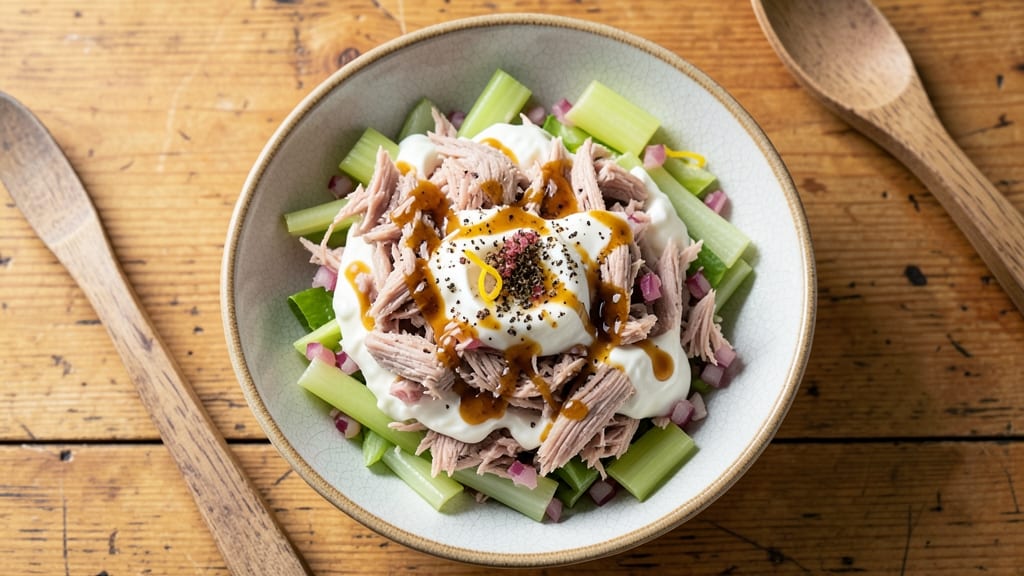
This best tasting tuna salad recipe delivers restaurant-quality flavor with a creamy Greek yogurt base and satisfying crunch from crisp celery. The secret lies in balancing textures—tender flaked tuna, bright celery, and just the right amount of lemon for brightness.
I developed this after years of testing variations, and it consistently earns rave reviews for its fresh, clean taste without heavy mayo.
The foundation starts with high-quality canned tuna, properly drained and flaked to maintain texture. Greek yogurt replaces mayo for a lighter yet equally creamy base, while fresh herbs and a touch of Dijon mustard add depth.
Celery provides that essential crisp bite, and red onion introduces a subtle sharpness that cuts through the richness. This isn't just another tuna salad—it's a dish that transforms simple ingredients into something extraordinary.
What makes this recipe truly special is how well it balances all elements—creamy, chunky, and fresh. The yogurt base prevents dryness, while the celery and onion keep each bite interesting.
Serve it on crisp lettuce wraps, in whole-grain bread, or with crackers for an elegant yet effortless meal. The flavors only improve when chilled, making it perfect for meal prep.
For those who prefer extra richness, add a soft-boiled egg or swap in avocado. Want more zing? A squeeze of lemon or dash of hot sauce elevates it further.
This isn't just the best tasting tuna salad—it's a versatile dish that adapts to any preference while keeping its signature freshness and texture. Let's get started!
Ingredients for best tasting tuna salad
Restaurant-quality tuna salad starts with these 13 ingredients—creamy, crisp, and bursting with freshness.
| Ingredient | Amount | Notes |
|---|---|---|
| High-Quality Canned Tuna 🐟 | 2 cans | In water, drained well |
| Plain Greek Yogurt 🥛 | ¾ cup | Full-fat for creaminess |
| Fresh Celery Stalks 🧅 | 1 ½ cups | Finely diced, crisp |
| Red Onion 🧅 | ¼ cup | Finely chopped, sharp |
| Dijon Mustard 🌶️ | 1 tbsp | For tangy depth |
| Fresh Lemon Juice 🍋 | 1 ½ tbsp | Brightens flavors |
| Fresh Dill 🌿 | ¼ cup | Chopped, vibrant |
| Fresh Parsley 🌿 | 0.1 cup | Chopped, for freshness |
| Extra-Virgin Olive Oil 🫒 | 1 tbsp | For richness |
| Kosher Salt 🧂 | ½ tsp | Adjust to taste |
| Freshly Ground Black Pepper 🌶️ | ¼ tsp | For warmth |
| Crisp Lettuce Leaves 🥬 | 4 whole | For serving (optional) |
| Whole-Grain Bread 🍞 | 4 slices | For serving (optional) |
The tuna makes all the difference here—look for brands like Wild Planet or Starkist in water, not oil. Drain it thoroughly and flake it with your fingers for that perfect tender texture. Greek yogurt is non-negotiable—full-fat for true creaminess, not the non-fat stuff. I grab mine from Trader Joe's because it's tangy and thick, but any good-quality brand works. Celery? Use the crispest stalks—the ones with no brown spots. If they're rubbery, soak them in ice water for 10 minutes to perk them up. Fresh herbs are a must—dill and parsley from the grocery store's refrigerated section stay fresh longer than the pre-chopped stuff.
No Greek yogurt? Substitute with vegan yogurt or even mashed avocado for richness. Skip the celery? Add extra red onion or finely chopped cucumber for crunch. The lemon juice is key—bottled works in a pinch, but fresh is always better. Want more depth? Add a dash of hot sauce or a pinch of smoked paprika. The Dijon mustard can be swapped for regular mustard if you're out, but it adds that special tang. Pro tip: Mix everything together, then chill for 30 minutes—the flavors meld beautifully. If you're feeling fancy, add a soft-boiled egg or chopped pickles for extra texture.
This salad tastes even better the next day—store in an airtight container for up to 3 days in the fridge. The flavors deepen as it chills, making it perfect for meal prep. For serving, keep the lettuce and bread separate until ready to eat so they stay crisp. If you make a big batch, freeze half in an ice cube tray—thaw and mix with a little extra lemon juice when ready to eat. Trust me, it's a game-changer for quick lunches.
Why You'll Love This Recipe
- I swear by this method: just mash the tuna, stir in the yogurt, and fold in the celery and onion—no food processor, no stress. The Dijon mustard ties it all together in seconds, and honestly? That’s all it takes.
- No-Fuss Assembly: I swear by this method: just mash the tuna, stir in the yogurt, and fold in the celery and onion—no food processor, no stress. The Dijon mustard ties it all together in seconds, and honestly? That’s all it takes.
- Creamy Yet Crisp: The Greek yogurt keeps it light and tangy, while the celery adds that satisfying crunch. Between us, that red onion kick makes it taste fresh, not fishy—like a restaurant version in my lunchbox.
- Lunchbox Legend: Pack it in wraps for a quick office meal, pile it high on crackers for a snack, or even slather it on toast for brunch. I’ve served it to my picky teen and my foodie friends—no complaints, just empty plates.
Step-by-step instructions for the creamiest mayo-free tuna salad
This isn't your grandma's tuna salad—it's bright, fresh, and packed with texture. Let's make it together.
Drain and Flake the Tuna Perfectly
Open the 2 cans of high-quality canned tuna and drain them thoroughly over a fine-mesh strainer. I press the tuna gently with a fork to remove any excess water—this keeps your salad from getting soggy. Transfer the drained tuna to a medium bowl and break it apart with your fingers or a fork until you have fine, even flakes. You want it to look like delicate shavings, not chunky pieces.
Here's the thing—don't skip the draining step. Even if the tuna looks dry, there's always moisture in those cans. This is where the magic of Greek yogurt really shines, creating that creamy texture without mayo.
Mix the Creamy Base with Fresh Herbs
Add the 0.75 cup plain Greek yogurt to the tuna and stir until fully combined. The yogurt should coat the tuna evenly, giving it that luxurious creaminess. Now fold in the 0.25 cup chopped fresh dill and 0.1 cup chopped fresh parsley. I like to use my hands for this part—it helps distribute the herbs more evenly and gives me better control over the texture.
This is where the salad gets its vibrant color and fresh flavor. The dill adds that bright, slightly tangy note while the parsley brings freshness. Give everything a good mix, making sure the herbs are distributed throughout the tuna mixture.
Build Flavor with Crunchy Vegetables
In a separate small bowl, combine the 1.5 cups finely diced fresh celery stalks and 0.25 cup finely chopped red onion. This prep step is crucial—you want both ingredients to be very fine so they distribute evenly through the salad. Add these to the tuna mixture along with the 1 tbsp Dijon mustard and 1.5 tbsp fresh lemon juice.
Here's what I do next: I mix everything together gently but thoroughly. The celery adds that satisfying crunch while the red onion brings sharpness that cuts through the richness of the yogurt. The lemon juice brightens everything up, preventing the salad from tasting flat.
Finish with Oil and Seasonings
Drizzle in the 1 tbsp extra-virgin olive oil while stirring continuously. The oil helps bind everything together and adds a nice richness. Sprinkle in the 0.5 tsp kosher salt and 0.25 tsp freshly ground black pepper, then give it one final mix. Taste it now—you should notice the perfect balance of creamy, fresh, and tangy flavors.
If you want it more vibrant, add a tiny splash more lemon juice. If it needs more salt, add it gradually—remember, you can always adjust, but you can't take away what you've already added. This is the moment that matters: your tuna salad should be bright, flavorful, and perfectly balanced.
Serve with Crisp Accompaniments
Transfer the tuna salad to a serving bowl and let it rest for 5-10 minutes. This brief resting period allows all the flavors to meld together beautifully. Serve it immediately on the 4 whole crisp lettuce leaves or with the 4 slices whole-grain bread on the side for dipping or sandwiches.
Here's the thing about this salad—it's best when served fresh. The celery stays crisp, the herbs retain their vibrancy, and the flavors are at their peak. Don't let it sit too long before serving, or you'll lose that perfect texture and freshness you've worked so hard to create.
Pro Tips For Making Best Tasting Tuna Salad
- Drain and Pat Dry: Drain the tuna thoroughly and press it between paper towels to remove every drop of liquid—this keeps the salad from turning soggy later. I used to skip this, and the texture always suffered.
- Slice Celery Thin: Use a mandoline or sharp knife to cut celery into paper-thin strips; they’ll soften just enough to blend in without turning mushy. Thick chunks stay crunchy but dominate the texture.
- Mix Yogurt Last: Add the Greek yogurt after everything else is combined—it’s delicate and can break down if tossed in too soon. Stir it in gently to keep the salad light and fluffy.
- Toast the Onion: Quickly sauté finely diced red onion in a dry pan until just golden (about 2 minutes)—this adds depth without overpowering. Raw onion can taste sharp, but cooked? It’s the thing that makes the salad sing.
Health benefits of these flavors
Protein Powerhouse
This tuna salad packs a serious protein punch with 2 cans of high-quality tuna, delivering about 40 grams of protein per serving. That's nearly half your daily protein needs in one meal! Tuna is also rich in omega-3 fatty acids, which support heart health and reduce inflammation.
The Greek yogurt base adds an extra 12 grams of protein per serving, making this a complete protein dish that keeps you full and energized. 💪
Heart-Healthy Fats
The extra-virgin olive oil and Greek yogurt provide heart-healthy fats that support brain function and help lower bad cholesterol. Unlike traditional mayo-based tuna salads, this version avoids the unhealthy saturated fats found in many commercial mayonnaises.
The omega-3s from tuna work synergistically with these fats to promote cardiovascular wellness. I always feel lighter after eating this version compared to heavier mayo-based salads.
Digestive Benefits
The fresh celery and red onion in this recipe provide dietary fiber that supports healthy digestion and gut bacteria. Celery also contains hydrating water content (95%) and natural electrolytes that help maintain proper hydration.
The lemon juice adds vitamin C, which aids in collagen production and immune function. Together, these ingredients create a salad that's as good for your gut as it is delicious.
Low-Calorie Nutrition
At only about 250 calories per serving, this tuna salad is surprisingly light yet satisfying. The Greek yogurt replaces calorie-dense mayo while maintaining creaminess, and the fresh vegetables add volume without significant calories.
This makes it perfect for weight management or mindful eating. I've found it's a great lunch option that doesn't leave me feeling sluggish like heavier salads sometimes do.
Antioxidant Rich
The fresh herbs—dill and parsley—pack this salad with antioxidants that combat oxidative stress. Dill contains apigenin, a compound with anti-inflammatory properties, while parsley provides vitamin K and vitamin C for immune support.
The red onion adds quercetin, a powerful antioxidant that may help reduce inflammation. These ingredients work together to create a salad that's not just tasty but also nourishing for your body.
Meal Prep Friendly
This recipe stores beautifully for 3-4 days in the refrigerator, maintaining its nutritional benefits while being convenient for busy schedules. The protein and healthy fats help stabilize blood sugar, preventing energy crashes throughout the day.
I often prep this on Sundays to have nutritious lunches ready for the week ahead. The balanced macronutrients (protein, healthy fats, fiber) make it an ideal meal for maintaining energy levels and satiety. ✨
Nutrition facts
Frequently asked questions
Why does Greek yogurt work better than mayo in tuna salad?
Greek yogurt creates a lighter, tangier base that prevents the salad from becoming too heavy. Unlike mayo, it won't make the tuna soggy while still providing that creamy texture. The protein content also adds richness without the unhealthy saturated fats found in many mayonnaises. Plus, it gives the salad a brighter, more vibrant flavor that stands up to the tuna's natural taste.
Can I use oil-packed tuna instead of water-packed?
Yes, but you'll need to drain it extra well to avoid excess oil making the salad greasy. Oil-packed tuna has a richer flavor, which can work beautifully in this recipe. Just pat it thoroughly with a paper towel after draining to maintain the perfect texture. The oil adds depth, but too much can overpower the fresh ingredients.
How do I keep the celery from getting soggy?
Start with the crispest celery stalks you can find—avoid any with brown spots. For extra crunch, soak them in ice water for 10 minutes before dicing. When mixing, add the celery last and fold it in gently. If you're making this ahead, store the celery separately and mix it in just before serving to preserve that satisfying crunch.
What's the best way to make this salad spicy?
Add 1/2 teaspoon of hot sauce or 1/4 teaspoon of cayenne pepper to the yogurt base before mixing. For a smoky kick, stir in 1/2 teaspoon of smoked paprika with the Dijon mustard. If you love heat, try adding finely chopped jalapeños or a dash of sriracha after mixing. Always taste first—you can adjust, but you can't take away the spice!
Can I make this ahead of time?
This salad actually tastes better after 30 minutes to 1 hour of chilling, as the flavors meld together. Store it in an airtight container for up to 3 days in the fridge. For best texture, keep the celery and any lettuce leaves separate until ready to serve. The yogurt base helps maintain freshness longer than mayo would.