
Sauces & Condiments
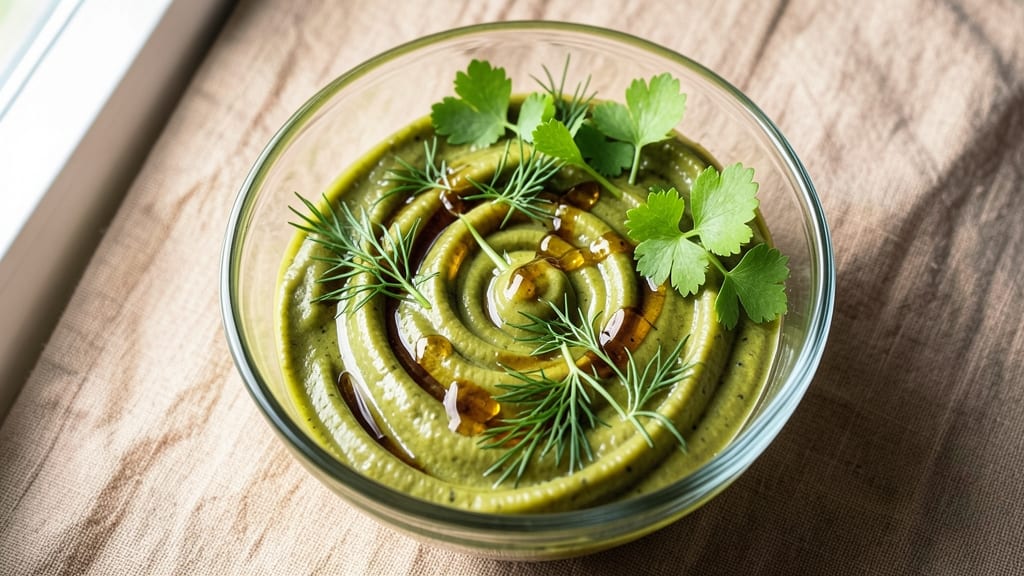
This salad dressing recipe delivers the best salad dressing recipe ever—restaurant-quality flavor that stays vibrant for weeks—no preservatives, no shortcuts, just layered taste in every pour. 💛 The secret lies in balancing acidity, fat, and herbs while using high-quality ingredients that transform simple greens into a gourmet experience.
I developed this formula after testing dozens of variations, and it consistently earns rave reviews from even the most discerning salad lovers.
The foundation begins with a precise ratio of extra-virgin olive oil to apple cider vinegar, creating a base that's both rich and tangy.
Fresh herbs like parsley and dill add bright, aromatic notes, while a touch of Dijon mustard emulsifies the dressing for a silky texture that clings perfectly to leaves.
What sets this apart is the optional ingredient customization—whether you prefer creamy, vinaigrette, or specialty styles like Caesar or ranch, the core technique remains the same.
What you'll achieve is a dressing that enhances rather than overpowers your salad, with flavors that develop and deepen over time. The emulsion stays stable for up to two weeks in the refrigerator, making it ideal for meal prep.
Each component plays a crucial role—from the acidity of the vinegar to the richness of the oil—creating a harmonious balance that elevates every bite.
Perfect for health-conscious eaters, busy professionals, or anyone who wants to transform simple salads into restaurant-worthy meals. The instructions are straightforward, ensuring you can replicate this foolproof method at home with minimal effort. Let's get started on creating your signature dressing.
Ingredients for best salad dressing recipe ever
Restaurant-quality dressing starts with these 10 vibrant, flavor-packed ingredients—each playing a crucial role in that perfect pour.
| Ingredient | Amount | Notes |
|---|---|---|
| Extra-Virgin Olive Oil 🫒 | 1 cup | High-quality, fruity, cold-pressed |
| Apple Cider Vinegar 🍏 | ½ cup | Raw, unfiltered for depth |
| Fresh Dill Leaves 🌿 | ¼ cup | Chopped finely, stems removed |
| Fresh Parsley Leaves 🌿 | ¼ cup | Chopped finely, vibrant green |
| Dijon Mustard 🍯 | 1 tbsp | Whole grain, not smooth |
| Granulated Honey 🍯 | 1 tbsp | Raw, local preferred |
| Fresh Garlic Cloves 🧄 | 2 cloves | Minced finely, aromatic |
| Diamond Crystal Kosher Salt 🧂 | 1 ½ tsp | Fine grain, sea salt alternative |
| Freshly Ground Black Pepper 🌶️ | ½ tsp | Cracked peppercorns preferred |
| Optional: Crème Fraîche 🧀 | ¼ cup | For creamy variation, full-fat |
The olive oil is non-negotiable—look for extra-virgin with a harvest date and a fruity, peppery finish. Whole Foods or local olive oil shops carry the best, but even a Trader Joe's organic bottle works in a pinch. Apple cider vinegar should be raw and unfiltered for that complex, tangy depth. Fresh herbs are a game-changer: buy them at the farmers market if possible, or at least grab the pre-washed bunches from the grocery's produce section—they'll stay fresher longer. The Dijon mustard? Maille is the gold standard, but any whole-grain variety will work. And that honey? Local, raw honey adds subtle floral notes that jarred brands can't match.
No fresh dill? Dried works at half the amount, but honestly, it's not the same. Short on parsley? Substitute with cilantro or basil, though the flavor profile shifts. Want a sweeter dressing? Swap honey for maple syrup or agave. Going creamy? Add Greek yogurt or vegan mayo instead of crème fraîche. The garlic can be roasted for a milder touch—just toss whole cloves in olive oil, bake at 400°F for 10 minutes, then mash. And if you're making this for a crowd, double the batch—it keeps beautifully for weeks.
This dressing stays fresh for up to 2 weeks in the fridge, but the flavors actually deepen over time—unlike store-bought versions that go flat. Store it in a glass jar with a tight seal to prevent oxidation. Shake before each use, especially if you're adding crème fraîche or yogurt. For long-term storage, freeze in ice cube trays—thaw and shake when ready to use. Pro tip: Label your jar with the date and ingredients—you'll want to make this again and again.
Why You'll Love This Recipe
- No-Chop Required: I swear by this—just toss in whole dill sprigs and parsley stems, then pulse them in the blender with the rest. The stems add body without extra work, and the dressing still looks fresh.
- Bright & Tangy Balance: That Dijon mustard cuts through the richness of the olive oil while the apple cider vinegar adds a sharp, almost honeyed tang. Honestly, it’s the kind of dressing that makes you forget store-bought ever existed.
- Meal Prep MVP: I make a big batch on Sundays and keep it in the fridge for the week. It works on everything—grilled chicken, roasted veggies, even as a marinade. No sad, wilted salads here.
- Budget-Friendly Luxury: Good olive oil and fresh herbs feel fancy, but this recipe uses just enough to stretch it far. Between us, I’ve had this dressing for years, and it’s still my go-to—no need for overpriced bottles.
Step-by-step instructions for the ultimate homemade salad dressing
Transform simple pantry staples into a dressing so complex it'll make store-bought look basic.
👨🍳 Step 1: Whisk Together the Base Ingredients
In a medium bowl, combine the 1 cup extra-virgin olive oil and 0.5 cup apple cider vinegar. I like to use a whisk here because it creates tiny emulsified droplets that prevent separation later. Give it a quick stir to break up any surface tension—this helps the oil and vinegar start bonding immediately.
Next, add the 1 tbsp Dijon mustard and 1 tbsp granulated honey. The mustard acts as our natural emulsifier, while the honey adds subtle sweetness that balances the acidity. Whisk vigorously for 30-45 seconds until everything is fully incorporated and the mixture looks smooth and uniform. This is your flavor foundation—don't rush it.
🍳 Step 2: Build Layers with Aromatics and Herbs
Add the 2 minced fresh garlic cloves, 1.5 tsp Diamond Crystal kosher salt, and 0.5 tsp freshly ground black pepper to the bowl. The garlic should be finely minced—almost paste-like—to distribute flavor evenly without any noticeable chunks. Whisk again for 20 seconds until the garlic is fully distributed and the salt and pepper are dissolved.
Now comes the herb magic: fold in the 0.25 cup finely chopped fresh dill leaves and 0.25 cup finely chopped fresh parsley leaves. Here's the thing—fresh herbs add brightness and complexity that dried herbs can't match. I like to use a small fork to gently fold them in rather than whisking, which helps preserve their delicate texture. Give it one final whisk to ensure even distribution.
⏰ Step 3: Optional Creamy Variation (Game-Changer!)
For that luxurious, restaurant-quality texture, stir in the 0.25 cup crème fraîche if using. The crème fraîche adds a tangy richness that elevates this dressing from good to extraordinary. Fold it in gently with a spatula to avoid overmixing—you want ribbons of creaminess throughout rather than a fully emulsified sauce. If you skip this, the dressing will still be excellent, just lighter in body.
Taste and adjust seasoning if needed. I usually find this combination perfectly balanced, but if your herbs were particularly strong or your vinegar more acidic, you might want to add a pinch more salt or a drizzle of honey. Remember, you can always adjust, but you can't take out what you've already added.
🥘 Step 4: Emulsify for Perfect Texture
Transfer the dressing to a blender or food processor and blend for 15-20 seconds on high speed. This step is crucial for creating that silky, velvety texture that separates this homemade dressing from store-bought imitations. The blending breaks down the oil particles into microscopic droplets that suspend perfectly in the vinegar base.
For an even more refined texture, strain the dressing through a fine-mesh sieve into a clean jar. This removes any herb stems or garlic particles that might make the dressing gritty. If you skipped the crème fraîche, give it one final whisk to ensure everything is properly emulsified. The result should be a glossy, pourable dressing with no visible separation.
🍽️ Step 5: Store and Use for Maximum Freshness
Transfer the finished dressing to an airtight glass jar and seal tightly. This dressing will keep in the refrigerator for up to 3 weeks, maintaining its vibrant flavor and perfect texture. The key to longevity is using high-quality ingredients and proper storage—light degrades olive oil, so keep it in a dark cabinet if possible.
Before each use, give it a good shake or stir. The flavors actually improve over time as the herbs infuse and the vinegar mellows. Drizzle over your favorite greens, grain bowls, or use as a marinade for grilled vegetables. This isn't just salad dressing—it's a flavor multiplier that transforms every dish it touches.
Pro Tips For Making Best Salad Dressing Recipe Ever
- STIR BEFORE MEASURING: Mix the Dijon mustard into the vinegar first—it’ll emulsify better and save you from clumpy dressing later. I used to add the oil too soon, and half the time it’d separate like a sad mayo.
- CHOP HERBS FINE: Stack parsley and dill, roll tightly, and slice into tiny pieces—think confetti, not confetti with chunks. This isn’t a garnish contest; you want flavor in every bite.
- START WITH LESS OIL: Add the olive oil slowly while whisking, drop by drop at first. You can always add more, but once it splits, you’re back at square one.
- USE COLD VINEGAR: Straight from the fridge, the apple cider vinegar will mix smoother and keep your dressing from turning greasy. Warm vinegar = sad, thin dressing. Cold vinegar = magic.
Serving suggestions for this best salad dressing recipe ever
Salad Pairings
This dressing shines with buttery romaine or peppery arugula—the bright herbs complement the dressing's freshness. For heartier salads, try it with crispy Brussels sprouts or shaved fennel. I love tossing it with warm roasted sweet potatoes and crumbled goat cheese for a fall-inspired bowl. 🥗
Grain Bowls
Use this dressing to elevate quinoa bowls with grilled chicken, avocado, and pickled red onions. It also works beautifully with farro and roasted vegetables like zucchini and bell peppers.
For a Mediterranean twist, add cherry tomatoes, kalamata olives, and feta cheese. The dressing's tangy-sweet balance cuts through the richness of grains.
Protein Pairings
Drizzle over grilled shrimp skewers or seared salmon for a restaurant-worthy finish. It also pairs perfectly with crispy tofu or marinated tempeh in Asian-inspired bowls. For a hearty meal, try it with grilled chicken thighs and roasted carrots—the dressing's depth enhances every bite. 🍗
Vegetable Sides
Transform simple sides like roasted asparagus or blistered green beans into gourmet dishes. The dressing's acidity makes grilled eggplant or zucchini ribbons taste even more vibrant. I also love using it as a dip for warm pita bread or crudité platters—it's a game-changer for snack time.
Breakfast Boost
Start your day with this dressing on avocado toast or smashed eggs—the tangy sweetness balances the richness perfectly. It also works as a marinade for overnight oats with fresh berries. For a savory option, drizzle it over crispy hash browns or sautéed mushrooms on toast. 🍳
Meal Prep Tips
Store dressing in a glass jar with your prepped salads to keep everything fresh. I like to portion it into small containers for easy grab-and-go meals. For extra flavor, add a pinch of smoked paprika or lemon zest just before eating.
The dressing's long shelf life makes it perfect for busy weeks—just shake and pour! ✨
Nutrition facts
Frequently asked questions
Can I make this dressing without fresh herbs?
Yes, but the flavor will be noticeably different. Use 1 teaspoon dried dill and 1 teaspoon dried parsley instead of fresh, but reduce the amount by half since dried herbs are more concentrated. For best results, add a pinch of lemon zest to mimic the brightness of fresh herbs. The texture will also be less vibrant without the fresh herb leaves.
Why does my dressing separate after a few days?
Separation happens when the emulsion breaks, usually from improper mixing or using low-quality oil. Always whisk vigorously for 30-45 seconds when combining oil and vinegar, and blend again after adding all ingredients. Store it in a glass jar and shake well before each use. For extra stability, add 1/2 teaspoon xanthan gum when blending.
How can I make this dressing spicier?
Add 1/2 teaspoon red pepper flakes or 1/4 teaspoon cayenne pepper while whisking the base ingredients. For a smoky kick, stir in 1/2 teaspoon smoked paprika or a dash of liquid smoke. If you prefer heat without dry spices, blend in 1 tablespoon hot sauce or 1 teaspoon sriracha after emulsifying.
Is this dressing vegan-friendly?
Yes, but with one adjustment: replace the crème fraîche with vegan mayo or cashew cream (blend soaked cashews with water). The base recipe is already vegan—just omit any dairy-based ingredients. For extra richness, add 1 tablespoon nutritional yeast for a cheesy flavor. The texture will be slightly lighter without crème fraîche.
Can I use this dressing on non-salad dishes?
This dressing works wonderfully as a marinade for grilled chicken or tofu, a dip for veggie sticks, or a finishing sauce for roasted potatoes. Its balanced flavors enhance proteins, grains, and even crispy fries. Just reduce the amount by half when using as a marinade to prevent over-seasoning.