
Side Dishes
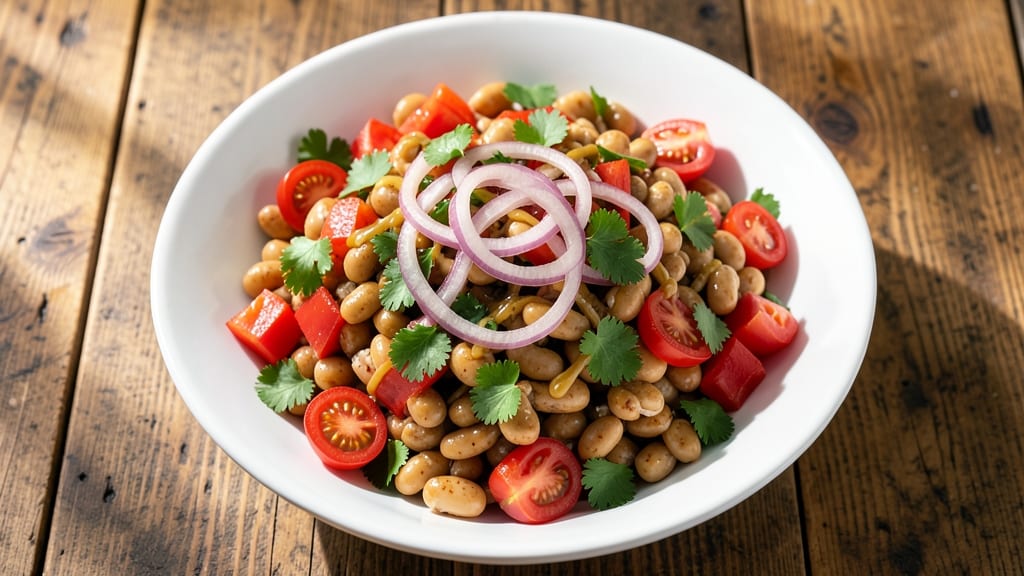
A bean salad with red wine vinegar transforms simple pantry staples into a vibrant, tangy side dish that brings brightness to any table. This recipe delivers restaurant-quality flavor in just 10 minutes—perfect for picnics, potlucks, or a quick weeknight meal.
The red wine vinegar cuts through the earthiness of beans, creating a balance that’s both refreshing and satisfying.
The secret lies in the dressing: a bright blend of red wine vinegar, olive oil, Dijon mustard, and fresh herbs that coats every bean with a tangy, herby finish. No fancy techniques required—just a quick rinse of canned beans, a chop of fresh vegetables, and a toss with the dressing.
The result? A salad that’s crisp, crunchy, and packed with flavor without overpowering the main dish.
What makes this salad stand out is its versatility—it works as a standalone vegetarian meal or pairs beautifully with grilled meats, sandwiches, or crusty bread. The red wine vinegar adds depth that elevates the dish beyond basic bean salads, making it feel special without the effort.
Ready in minutes, it’s the kind of recipe that proves simple ingredients can deliver big results.
For extra texture, add toasted nuts or crumbled feta, and for color, toss in cherry tomatoes or bell peppers. The possibilities are endless, but the foundation—beans, vinegar, and fresh herbs—is what makes this salad shine. Let’s get started!
Ingredients for bean salad recipe red wine vinegar
Simple ingredients for a salad that delivers restaurant-quality tangy crunch in minutes.
| Ingredient | Amount | Notes |
|---|---|---|
| Canned Cannellini Beans 🌱 | 1 ½ cups | Drained and rinsed |
| Red Wine Vinegar 🍷 | ½ cup | Balsamic or sherry works too |
| Extra-Virgin Olive Oil 🫒 | ½ cup | Light or fruity varieties |
| Dijon Mustard 🌶️ | 1 tbsp | For tangy depth |
| Fresh Parsley 🌿 | ¼ cup | Chopped, stems removed |
| Fresh Cilantro 🌿 | ¼ cup | Chopped, optional |
| Red Bell Pepper 🌶️ | 1 whole | Diced, any color |
| Red Onion 🧅 | ½ whole | Thinly sliced |
| Cherry Tomatoes 🍅 | 1 cup | Halved, optional |
| Salt 🧂 | ½ tsp | Diamond Crystal preferred |
| Black Pepper 🌶️ | ¼ tsp | Freshly ground |
| Garlic Cloves 🧄 | 2 cloves | Minced, optional |
The red wine vinegar is the star here—look for a bold, dry variety at the store, not the sweetened kind. Trader Joe's and Whole Foods carry excellent options, but any decent bottle will work. The beans should be canned but not pre-seasoned—just rinse them well. For the herbs, fresh is ideal, but if you're in a pinch, dried parsley at one-third the amount will do. The bell pepper adds sweetness that balances the acidity perfectly—pick one that's firm and vibrant in color.
No red wine vinegar? Substitute with apple cider vinegar or lemon juice, though the flavor will be slightly different. Fresh herbs not available? Dried oregano or basil work in a bind. The garlic is optional but adds depth—if you skip it, boost the mustard by half a teaspoon. For extra crunch, toasted walnuts or pecans make a great addition. The salad holds up well in the fridge for 3-4 days, but the tomatoes will soften over time, so add them fresh when serving.
Prep the dressing first—it's the heart of this salad. Store it separately in the fridge for up to 5 days if you want to make it ahead. The beans and vegetables can be chopped and stored in airtight containers for 2 days, but toss with a little extra vinegar to keep them crisp. For best texture, assemble the salad just before serving. If you're meal prepping, keep the dressing and salad components separate until ready to eat.
Why You'll Love This Recipe
- Pantry to Plate: I swear by this one—open a can, dump, stir. That’s it. The red wine vinegar and Dijon mustard do all the work while I chop parsley in half the time I’d spend peeling potatoes for a side dish.
- Tangy Magic: The bright acidity of red wine vinegar cuts through the creamy beans like a whisper. Honestly, the first bite makes me pause—it’s that good. The parsley adds this fresh finish that keeps it from feeling heavy.
- Lunchbox Hero: Between us, this is my go-to for packed lunches. It holds up for days, stays crisp, and I’ve even tossed it with grilled chicken for a hearty salad. (Yes, even on a Tuesday night.)
- Budget Win: Cannellini beans are my wallet’s best friend—cheap, filling, and this dressing costs pennies. I make a big batch and use it for sandwiches, wraps, or just as a snack. My grocery bill thanks me every week.
Step-by-step instructions for bright tangy bean salad
Here's how to assemble this vibrant salad with perfect balance—crisp vegetables meet zesty dressing in minutes.
Prepare All Vegetables for Even Texture
Dice the 1 whole red bell pepper into ½-inch pieces—remove seeds and membranes first for cleaner texture. Thinly slice the ½ whole red onion into ⅛-inch rings and place in a bowl of ice water for 5 minutes to mellow the sharpness. Halve the 1 cup cherry tomatoes and remove any stems.
While the onion soaks, chop the 0.25 cup fresh parsley and 0.25 cup fresh cilantro into fine pieces—discard cilantro stems if you prefer milder flavor. Minced the 2 cloves garlic if using, but I often omit it for a cleaner taste. Drain and pat the onion dry before adding to your mixing bowl.
Combine Beans and Vegetables
In a large bowl, add the 1.5 cups drained and rinsed cannellini beans along with the prepared vegetables. Gently toss everything together with your hands or a wooden spoon—this ensures even distribution of flavors. The beans should be fully coated with the vegetables' juices after mixing.
Taste the raw mixture at this stage. You'll notice the beans are bland and the vegetables need acidity to brighten. This is where the dressing transforms everything—hold off on seasoning until after adding the dressing to avoid over-salting.
Whisk the Dressing Components
In a small bowl, combine the 0.5 cup extra-virgin olive oil, 0.5 cup red wine vinegar, 1 tbsp Dijon mustard, 0.5 tsp salt, and 0.25 tsp black pepper. Whisk vigorously for 30 seconds until emulsified—you should see a smooth, slightly thickened liquid with no visible oil separation.
The Dijon mustard acts as an emulsifier here, helping the oil and vinegar blend properly. If the dressing looks too thick, add 1 teaspoon water at a time until it reaches a pourable consistency. Taste before proceeding—you want tangy, slightly peppery notes that cut through the beans' earthiness.
Toss and Rest for Maximum Flavor
Pour the dressing over the bean-vegetable mixture and toss gently but thoroughly. The beans should be evenly coated with dressing, and the vegetables should glisten slightly. Let the salad sit at room temperature for 10 minutes—this allows the flavors to meld and the dressing to penetrate the beans completely.
After resting, give it one final taste. Adjust seasoning if needed—most likely you'll want to add a pinch more salt to balance the acidity. The salad should be vibrant, with bright acidity from the vinegar contrasting the beans' creaminess and the vegetables' crunch.
Chill and Serve Immediately
Transfer the salad to the refrigerator and let it chill for at least 30 minutes before serving. This step is crucial—it allows the flavors to fully develop and the textures to soften slightly, making each bite more harmonious. The beans will absorb more dressing, becoming even more tender.
Serve the salad chilled or at room temperature, garnished with extra parsley or cilantro if desired. The contrast of warm bread or grilled proteins makes this salad even more satisfying. The dressing should cling to every bean and vegetable piece, creating that signature tangy crunch promised in the title.
Pro Tips For Making Bean Salad Recipe Red Wine Vinegar
- Drain and Rinse Beans: Skip this step and your salad will taste like a can of beans—flat and metallic. Drain the cannellini beans, then rinse them under cold water for 10 seconds to strip away excess starch and sodium. Trust me, the texture and flavor will be noticeably brighter.
- Emulsify the Dressing Properly: Tossing red wine vinegar and olive oil together without mixing them thoroughly? You’ll end up with a sad, separated dressing. Whisk the vinegar, mustard, and a splash of water first, then slowly drizzle in the olive oil while whisking like you’re trying to win a prize. The mustard acts as an emulsifier—don’t skimp.
- Chop Parsley Like You Mean It: A handful of whole parsley stems won’t cut it. Strip the leaves from the stems, then finely chop them—think tiny confetti, not rough chunks. If you’re lazy, pulse them in a food processor for 2 seconds, but hand-chopping gives you better control over the texture. Fresh herbs make or break this dish.
- Let the Salad Rest: Toss everything together and immediately serve? Big mistake. Give the salad 15-20 minutes to let the flavors meld—especially the vinegar and mustard. The beans will absorb the dressing better, and the parsley will release its oils. I know, I know, but waiting makes a real difference.
Pro cooking tips for perfect results
Dressing Emulsification
The key to a silky, clinging dressing lies in proper emulsification. Whisk the 0.5 cup red wine vinegar and 1 tbsp Dijon mustard together first—the mustard acts as an emulsifier that binds the 0.5 cup olive oil later.
I use a whisk or small fork and pour the oil in a slow, steady stream while whisking continuously. This creates tiny oil droplets that disperse evenly, preventing separation. If the dressing breaks, simply whisk again or add 1 tsp water to loosen it. 🌟
Bean Texture Control
Cannellini beans have a naturally creamy texture, but rinsing them thoroughly removes excess sodium and starch that can make the salad gummy. After draining, pat the beans dry with a clean kitchen towel to absorb any surface moisture.
For extra tenderness, I like to warm the beans slightly in a dry skillet over medium heat for 2-3 minutes—this enhances their flavor without cooking them. Never skip rinsing pre-seasoned beans, as the added salt will overpower the delicate balance of the dressing. ✨
Onion Soaking Trick
The sharp bite of raw red onion can overpower the salad's delicate flavors. My secret is soaking the thinly sliced onion in ice water for 5 minutes before draining and patting dry. This reduces the sulfur compounds that cause harshness while keeping the onion crisp.
For even milder flavor, you can soak for up to 10 minutes, but drain immediately before using to prevent sogginess. This simple step makes the salad taste more refined and balanced. 🧅
Herb Freshness Matters
Fresh herbs make all the difference in this salad. I always chop parsley and cilantro just before tossing with the dressing to preserve their bright flavors. For maximum freshness, store herbs in airtight containers with a paper towel to absorb moisture.
If using dried herbs, measure 1/3 the amount of fresh and add them to the dressing rather than the salad. The herbs should be finely chopped to distribute evenly—no large stems or leaves should remain. 🌿
Resting for Flavor Development
Never skip the 10-minute rest at room temperature before chilling. This allows the dressing to fully penetrate the beans and vegetables, creating that signature tangy crunch. During this time, the acidity in the red wine vinegar begins to break down the bean skins slightly, making them even more tender.
I also find that resting prevents the salad from becoming watery when chilled later. For best results, assemble the salad in a shallow dish to maximize surface area for dressing absorption. 💫
Storage and Reheating
This salad keeps beautifully in the fridge for 3-4 days if stored in an airtight container. The dressing will separate slightly, so give it a good stir before serving.
To reheat, I recommend warming the salad gently in a skillet over low heat for 3-4 minutes—this revives the flavors without making the vegetables mushy. For cold servings, simply toss with a splash of fresh red wine vinegar to revive the tang.
The beans hold their texture remarkably well when stored properly. ❄️
Nutrition facts
Frequently asked questions
Can I use white wine vinegar instead of red wine vinegar?
White wine vinegar works in a pinch, but the flavor will be milder and slightly sweeter. For the best tangy depth, stick with red wine vinegar. If you only have white, add an extra ½ teaspoon of Dijon mustard to compensate for the lost acidity. The salad will still taste good, but the bright, bold character of red wine vinegar is hard to match.
How do I make this salad ahead of time?
Prepare the dressing separately and store it in a sealed container for up to 5 days. Chop the vegetables and beans, but keep them dry in airtight containers for 2 days. When ready to serve, toss everything together with the dressing and let it sit for 10 minutes before chilling. This keeps the vegetables crisp and prevents sogginess.
What if I don’t have Dijon mustard?
Use regular yellow mustard or even a pinch of ground mustard powder—just reduce the amount by half. For a smoother texture, blend the mustard with a splash of vinegar first. Without it, the dressing may separate more easily, so whisk vigorously and add 1 teaspoon water if needed to help emulsify.
Can I add cooked proteins like chicken or shrimp?
Toss in ½ cup cooked chicken breast or shrimp after chilling the salad. Warm the protein gently in a skillet first to revive its flavor, then mix it in just before serving. The red wine vinegar dressing will complement both proteins beautifully, adding a bright contrast to their richness.
Why does my dressing separate after chilling?
This happens when the oil and vinegar aren’t properly emulsified. Re-whisk the dressing vigorously or add 1 teaspoon water at a time until it smooths out. For extra stability, blend the dressing in a food processor for 10 seconds before tossing with the salad. The Dijon mustard helps, but sometimes a little extra effort is needed for long-term fridge storage.