
Sauces & Condiments
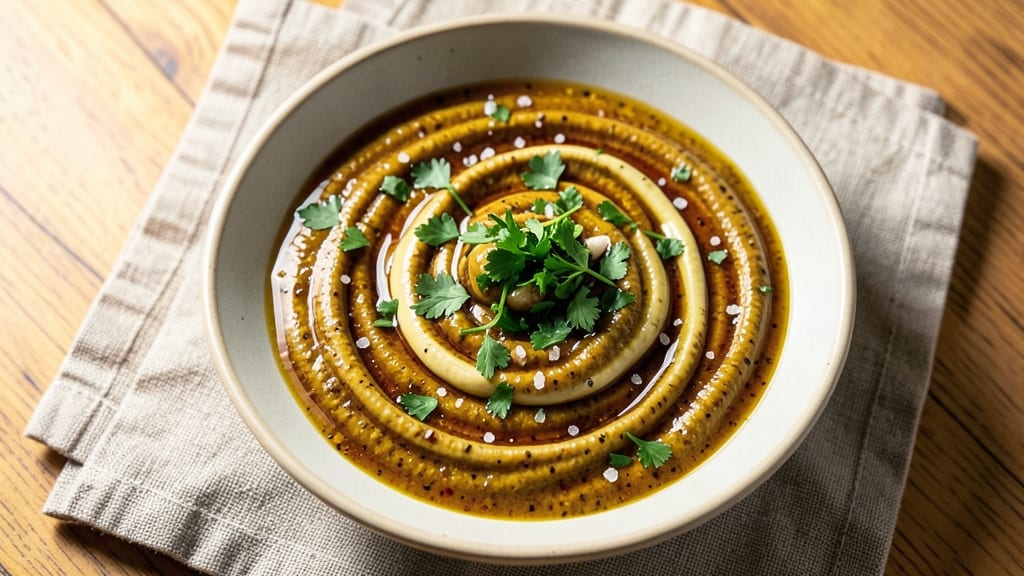
This apple cider vinegar and olive oil salad dressing recipe transforms simple pantry staples into a silky, tangy emulsion that elevates every salad. The balance of sharp vinegar and rich olive oil creates a dressing that's both bold and versatile—perfect for crisp greens, hearty grains, or grilled vegetables.
What makes this recipe special is its foolproof emulsification technique, ensuring no separation and maximum flavor in every pour.
The foundation is straightforward: equal parts apple cider vinegar and extra-virgin olive oil, combined with a pinch of salt and a touch of Dijon mustard to bind the mixture. Optional additions like minced garlic, fresh herbs, or a drizzle of honey let you customize the flavor to suit your meal.
The key to success lies in whisking vigorously and letting the dressing rest for 10 minutes before using—this allows the ingredients to meld into a smooth, cohesive sauce.
What you’ll end up with is a dressing that’s tangy yet refined, with a velvety texture that coats every ingredient beautifully. It’s the kind of dressing that turns a simple salad into a restaurant-worthy dish, all while keeping prep effortless.
Whether you’re dressing a quick lunch or prepping for a dinner party, this recipe delivers consistent, professional-quality results every time.
Store any leftovers in an airtight container in the refrigerator for up to 2 weeks, shaking gently before each use to maintain that perfect emulsion. The simplicity of the ingredients and the reliability of the technique make this dressing a must-have in your kitchen arsenal.
Ingredients for apple cider vinegar and olive oil salad dressing
Eight simple ingredients create a restaurant-quality dressing with perfect balance and silky texture.
| Ingredient | Amount | Notes |
|---|---|---|
| Apple Cider Vinegar 🍏 | ½ cup | Raw, unfiltered preferred |
| Extra-Virgin Olive Oil 🫒 | ½ cup | High-quality, fruity variety |
| Dijon Mustard 🌿 | 1 tbsp | Whole grain preferred |
| Sea Salt 🧂 | ½ tsp | Fine grain preferred |
| Fresh Garlic Cloves 🧄 | 1 whole | Minced for stronger flavor |
| Fresh Parsley Leaves 🌿 | ¼ cup | Chopped, stems removed |
| Raw Honey 🍯 | 1 tbsp | Optional, for sweetness |
| Maple Syrup 🍁 | 1 tbsp | Vegan alternative to honey |
The quality of your olive oil makes all the difference here—look for extra-virgin with a fruity aroma from brands like California Olive Ranch or Colavita. Apple cider vinegar should be raw and unfiltered for depth of flavor; Bragg or Texas Pete are solid choices. Fresh garlic and parsley are worth the extra effort—they elevate the dressing significantly. If you're using honey, local raw honey adds subtle floral notes, but maple syrup delivers the same sweetness without compromising vegan status.
No Dijon mustard? Whole grain mustard works best, but yellow mustard in a pinch will still emulsify. Short on fresh herbs? Dried parsley at one-third the amount works, though it lacks brightness. Want more tang? Add an extra tablespoon of vinegar. Prefer a sweeter dressing? Swap honey for agave or date syrup. For a more robust flavor, toast the garlic cloves in olive oil for 30 seconds before mincing—this brings out deeper notes.
This dressing keeps beautifully in an airtight container in the fridge for up to 2 weeks. Always shake gently before using to maintain the emulsion. For single servings, store in small jars or ice cube trays. If the dressing separates, simply whisk vigorously to re-emulsify. The flavor actually improves after resting for a few hours, so make it ahead whenever possible.
Why You'll Love This Recipe
- Five-Ingredient Magic: I swear by this combo—just vinegar, oil, mustard, salt, and garlic. No fancy gadgets, no measuring cups that never fit right. Honestly, I keep a jar of it in my fridge because it’s that reliable.
- Tangy Crunch Alert: That first bite? The apple cider vinegar cuts through greasy fried foods like a dream, while the olive oil keeps everything silky. The Dijon mustard adds a little kick, and the garlic? Oh, it’s the secret weapon—raw, pungent, and impossible to resist.
- Salad’s Best Friend: Between us, this dressing turns a basic bowl of lettuce into a meal. But it’s also perfect for roasted veggies, grilled chicken, or even drizzled over avocado toast. I’ve used it for everything from picnic lunches to last-minute dinner sides.
- Lasts a Week: No sad, wilted leftovers here. This dressing keeps for days in the fridge, so I make a big batch on Sundays. It’s budget-friendly too—just a few cents per serving—and I never run out when I need it most.
Step-by-step instructions for apple cider vinegar and olive oil salad dressing
This dressing comes together in minutes with simple techniques for a perfectly balanced emulsion.
Combine Wet Ingredients in a Whisking Bowl
In a medium bowl, pour in the 0.5 cup apple cider vinegar and 0.5 cup extra-virgin olive oil. The vinegar should be raw and unfiltered for maximum tang, while the olive oil should be high-quality and fruity to carry the flavor. Add the 1 tbsp Dijon mustard and 0.5 tsp sea salt, whisking vigorously to dissolve the salt and emulsify the mustard into the liquid.
Watch closely as the mustard begins to thicken the mixture slightly—this is your emulsifier in action. The mustard's whole grain texture helps bind the oil and vinegar, preventing separation later. If you notice any oil floating on top at this stage, don't worry; we'll fix that in the next step.
Add Sweetness and Aromatics
Add the 1 tbsp raw honey and 1 tbsp maple syrup to the bowl. These ingredients not only balance the acidity of the vinegar but also add subtle sweetness that rounds out the dressing. Next, add the 1 whole fresh garlic clove, minced finely for maximum flavor impact. The garlic should be fresh—you'll know it's ready when you smell that sharp, pungent aroma.
Give everything another thorough whisk until fully combined. The mixture should now be smooth with no visible streaks of honey or syrup. This is where the magic happens—the sweetness and acidity create a perfect harmony that makes this dressing versatile for both sweet and savory salads.
Incorporate Fresh Parsley and Emulsify
Add the 0.25 cup fresh parsley leaves, chopped and stems removed, to the bowl. The parsley adds freshness and a vibrant green color that makes the dressing visually appealing. Using a whisk or fork, gently fold the parsley into the mixture until it's evenly distributed. Be careful not to overmix at this stage—just enough to incorporate the parsley without breaking down its texture.
Now comes the critical emulsification step. Transfer the dressing to a clean jar with a tight-fitting lid. Seal the jar and shake vigorously for 30-45 seconds. You're looking to create a stable emulsion where the oil and vinegar blend completely. After shaking, let the dressing sit for 5 minutes—this resting period allows the flavors to meld together. If you see any separation after resting, simply shake again before using.
Taste and Adjust for Perfect Balance
After resting, taste the dressing straight from the jar. The ideal balance should have a bright tang from the apple cider vinegar, a rich silkiness from the olive oil, and a subtle sweetness from the honey and maple syrup. The garlic should add a sharp, aromatic punch, while the parsley provides freshness. If it needs more acidity, add a splash of additional apple cider vinegar. For more richness, add a drizzle of extra-virgin olive oil.
This dressing keeps well in the refrigerator for up to 1 week, though it's best used within 3-4 days for maximum freshness. Always shake well before using, as the natural ingredients may separate slightly over time. The result is a versatile dressing that works beautifully on mixed greens, grain bowls, or even as a marinade for grilled vegetables.
Pro Tips For Making Apple Cider Vinegar And Olive Oil Salad Dressing
- Whisk in Stages: Pour in the apple cider vinegar and Dijon first, then slowly drizzle the olive oil while whisking constantly—this emulsifies the dressing right away instead of leaving you with a sad, separated mess. I learned this the hard way after shaking a jar for 10 minutes with no luck.
- Mince That Garlic: Skip the press and finely mince the garlic with a knife instead—it blends smoother and won’t turn the dressing bitter over time. (Yes, even if you’re impatient like me.)
- Salt the Mustard: Mix a pinch of sea salt directly into the Dijon before adding it to the dressing—it cuts the sharpness and makes the flavor more balanced from the start. I was skeptical until I tried it.
- Store It Right: Keep the dressing in a clean, airtight jar and refrigerate it upside down for 10 minutes after shaking—this forces any separated oil to sink and re-emulsify when you flip it right-side up. (Your future salads will thank you.)
Creative variations of these flavors
Herb-Infused Variations
Swap the parsley for fresh dill or tarragon to create a bright, anise-forward dressing perfect for seafood salads. I love adding 1 tbsp finely chopped fresh dill and a pinch of black pepper for a Scandinavian-inspired twist.
For a Mediterranean vibe, combine 1 tbsp chopped fresh basil with ½ tsp dried oregano—this pairs beautifully with tomato-based salads or grilled vegetables. 🌿
Spicy Kick Options
Add ½ tsp smoked paprika or ¼ tsp cayenne pepper for warmth, but if you want serious heat, try 1 tsp hot honey or 1 tsp sriracha stirred in at the end.
For a smoky depth, toast ½ tsp ground cumin in the olive oil before whisking it into the dressing. I find that ½ tsp garlic powder (in addition to fresh garlic) adds an extra layer of complexity without overpowering. 🌶️
Sweet and Savory Twists
For a dessert-friendly dressing, replace the honey with 1 tbsp apricot jam and add ½ tsp vanilla extract—this works surprisingly well on fruit salads or with fresh berries. A savory-sweet version?
Mix in 1 tsp soy sauce (for umami) and 1 tsp grated ginger for a dressing that shines on Asian-inspired salads or cold noodles. The ginger adds a zesty lift that balances the acidity perfectly. 🍯
Global Flavor Adaptations
Transform this dressing into a French-inspired vinaigrette by adding 1 tsp Dijon mustard (already in the recipe) and 1 tsp chopped shallots for depth.
For a Mexican-style salsa cruda, blend in 1 tbsp lime juice, ½ tsp ground cumin, and ¼ cup finely diced cucumber—this becomes a refreshing topping for tacos or grilled fish. The lime brightens the tang, while the cucumber adds crunch. 🌎
Nutty and Creamy Upgrades
For a richer texture, whisk in 1 tbsp tahini or 1 tbsp finely ground almond butter after emulsifying. This adds a velvety mouthfeel that works beautifully on hearty salads like kale or roasted squash.
If you prefer dairy, a splash of buttermilk (about 1 tbsp) creates a tangy, creamy dressing that’s perfect for potato salads. The buttermilk adds a subtle tang that complements the vinegar. 🥜
Nutrition facts
Frequently asked questions
Why does my apple cider vinegar dressing separate?
Separation happens when oil and vinegar aren't properly emulsified. The key is whisking vigorously for at least 30 seconds or shaking the jar for 45 seconds to break the oil into tiny droplets. Add ½ tsp xanthan gum or an extra ½ tbsp Dijon mustard as a natural thickener to stabilize it. Always shake before using to re-emulsify!
Can I make this dressing without honey?
Use 1 tbsp maple syrup or agave nectar for a vegan version, or swap in 1 tsp date syrup for deeper caramel notes. For a tangier profile, skip sweeteners entirely and add an extra ½ tbsp apple cider vinegar instead. The dressing will still balance beautifully.
How much dressing should I make for a salad?
Start with 2 tbsp per serving (about ¼ cup total for a standard dinner salad). This recipe yields roughly 1 cup—enough for 4-5 servings. For grain bowls or hearty salads, double the recipe. Remember, you can always adjust the ratio of vinegar to oil (e.g., ⅔ cup vinegar to ⅓ cup oil) for extra tang.
What’s the best way to store leftovers?
Transfer to an airtight glass jar or container and refrigerate for up to 2 weeks. Shake gently before each use to re-emulsify. For single servings, freeze in ice cube trays—just thaw overnight in the fridge. Pro tip: Add a pinch of salt before storing to preserve freshness longer.
Can I use this dressing on non-salad dishes?
Drizzle over grilled chicken, roasted vegetables, or tacos for instant flavor. It also makes a great marinade—coat fish or tofu in the dressing for 15-20 minutes before cooking. The tangy-sweet balance works surprisingly well in vinaigrette-style soups too!