
Sauces & Condiments
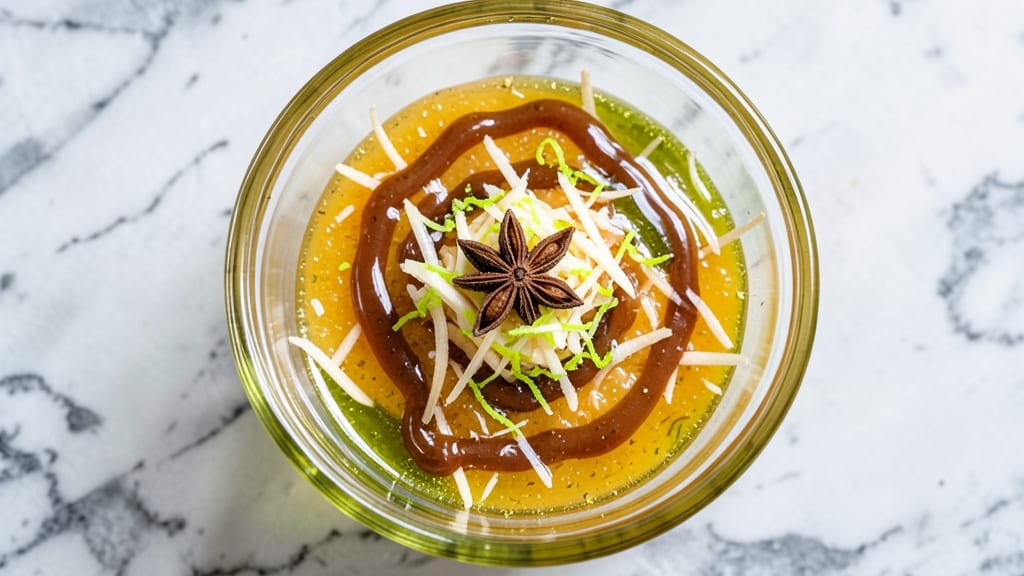
This Asian orange ginger salad dressing recipe transforms ordinary greens into vibrant bowls of flavor that linger long after the first bite. The secret lies in balancing bright citrus with fiery ginger, stabilized by a touch of mustard and sweetness—creating a dressing that clings beautifully to every leaf.
I developed this version after years of testing, ensuring it stays fresh for days without separating.
The magic happens through emulsification: combining citrus juice with oil while adding a stabilizing agent (in this case, Dijon mustard) creates a velvety texture that coats ingredients perfectly.
Fresh grated ginger adds warmth, while orange zest delivers a bright, zesty kick that elevates everything from simple salads to hearty grain bowls. The recipe uses simple pantry staples but delivers restaurant-quality results.
What makes this dressing truly special is its versatility—drizzle it over mixed greens, toss it with noodles, or use it as a marinade for tofu or chicken. The balance of sweet, tangy, and spicy flavors works equally well as a dipping sauce or as the star of a vibrant salad.
With just 10 minutes of prep and ingredients you likely already have, you’ll never buy store-bought again.
The dressing stays fresh for up to 5 days in the refrigerator, making it perfect for meal prep. For extra staying power, store it in a sealed jar and shake gently before each use.
Whether you're serving a light lunch or a dinner party spread, this dressing will be the highlight of your table.
Ingredients for asian orange ginger salad dressing
Bright citrus meets fiery ginger in this zesty dressing—just ten ingredients for big flavor.
| Ingredient | Amount | Notes |
|---|---|---|
| Fresh Orange Juice 🍊 | ½ cup | Freshly squeezed, no pulp |
| Fresh Ginger Root 🌿 | 2 tbsp | Finely grated, fresh only |
| Orange Zest 🍊 | 1 tbsp | From 1 large orange |
| Dijon Mustard 🌶️ | 1 tbsp | For emulsification |
| Extra-Virgin Olive Oil 🫒 | ½ cup | High quality, fruity |
| Maple Syrup 🍯 | 1 tbsp | For subtle sweetness |
| Rice Vinegar 💧 | 1 tbsp | White or seasoned |
| Sesame Oil 🫒 | ½ tbsp | Toasted, for aroma |
| Salt 🧂 | ½ tsp | Sea salt preferred |
| Black Pepper 🌶️ | ¼ tsp | Freshly ground |
The orange juice and zest are the heart of this dressing. Freshly squeezed juice (no bottled stuff) makes all the difference—it’s brighter and more vibrant. Grab a navel orange for the zest; its thick peel yields more flavor than blood oranges. Ginger? Freshly grated is a must—dried won’t cut it here. I always grab a small piece from the Asian market if I’m making a big batch, but the regular grocery store ginger works too. Just make sure it’s firm and free of soft spots—those mean it’s past its prime.
No fresh orange juice? Bottled 100% orange juice works in a pinch, but add a splash of water to thin it out. Short on ginger? Ginger paste from a tube (like Annie’s) is a decent backup, but it’s not the same. The Dijon mustard is non-negotiable—it’s what makes this dressing cling to greens instead of pooling at the bottom. Substituting with yellow mustard? Use half the amount—it’s milder. Sesame oil can be skipped if you’re avoiding that nutty aroma, but trust me, it’s worth the extra zing.
This dressing keeps like a dream. Store it in a small glass jar with a tight lid—shake before each use to re-emulsify. It’ll stay fresh for 5 days in the fridge, maybe even a week if you’re gentle with it. For extra staying power, freeze it in ice cube trays—just thaw and shake when you’re ready to use. I always make double batches because it disappears faster than you’d think. Perfect for meal prep, lunchboxes, or last-minute salad upgrades.
Why You'll Love This Recipe
- Five-Ingredient Magic: I swear by this combo—just peel, grate, squeeze, and whisk. No fancy tools, no stress, and honestly? The fresh ginger and orange zest do all the heavy lifting while I sip my coffee.
- Bright & Spicy Kick: That zesty orange and fiery ginger? It’s the kind of punch you taste immediately. The Dijon mustard ties it all together—tangy, sharp, and just a little sneaky in the best way.
- Works Everywhere: Drizzle it on greens, toss with grilled fish, or even use it as a marinade. My go-to? A quick Vietnamese-style chicken salad where this dressing makes the whole dish sing—no extra prep needed.
- Lasts All Week: Make a double batch and store it in the fridge. The flavors actually deepen over time, and I’ve used this dressing for days without it ever turning flat or sad. Budget win: fresh ginger and citrus stretch further than you’d think.
Step-by-step instructions for Asian orange ginger salad dressing
Here's how to blend vibrant citrus and zesty ginger into a dressing that stays fresh for days.
Grate and Measure the Ginger
Start by peeling the 2 tablespoons of fresh ginger root using a microplane or fine grater. You want a smooth, fine texture—not chunky bits—that will dissolve completely into the dressing. I like to press the ginger against the grater with my thumb to get every last bit of juice and flavor.
Transfer the grated ginger to a small bowl and set it aside. This step is crucial—fresh ginger adds depth that powdered ginger can't match. If you're using a pre-grated jar, make sure it's labeled "fresh" and not dried, or your dressing will taste flat.
Whisk Wet Ingredients Together
In a medium bowl, combine the 0.5 cup fresh orange juice, 1 tablespoon orange zest, 1 tablespoon Dijon mustard, 1 tablespoon maple syrup, 1 tablespoon rice vinegar, and the grated ginger. Use a whisk to blend everything thoroughly for about 30 seconds until fully incorporated.
The orange zest should be finely grated—no visible flecks. The Dijon mustard acts as an emulsifier, helping the oil and citrus blend smoothly. Taste the mixture now; it should be tangy, slightly sweet, and packed with ginger heat. If it needs more balance, adjust with a pinch of salt or a drizzle of maple syrup.
Slowly Incorporate the Olive Oil
With the whisk still in the bowl, begin adding the 0.5 cup extra-virgin olive oil very slowly—about 1 tablespoon at a time. After each addition, whisk vigorously for 10-15 seconds until the mixture begins to thicken and emulsify. This slow process prevents the dressing from breaking.
If the dressing looks curdled or separates at any point, keep whisking. The key is patience—the oil needs time to bind with the citrus and mustard. Once fully combined, the dressing should have a creamy, pourable consistency with a glossy sheen.
Finish with Sesame Oil and Seasonings
Remove the whisk and stir in the 0.5 tablespoon sesame oil, 0.5 teaspoon salt, and 0.25 teaspoon black pepper using a silicone spatula. The sesame oil adds a nutty aroma that complements the citrus perfectly. Taste again and adjust seasoning—you might need a touch more salt to balance the sweetness or a splash of rice vinegar for extra tang.
This is your chance to tweak the flavor. I like mine bright and zesty, but if you prefer it milder, reduce the ginger slightly next time. The dressing should coat the back of a spoon and cling to greens without being overly thick.
Store and Use for Maximum Freshness
Transfer the dressing to a clean, airtight jar or bottle. It'll keep in the refrigerator for up to 5 days, but I find it's best within the first 3 days when the flavors are at their peak. Shake well before each use—especially if you've stored it for more than a day.
Use this dressing on mixed greens, shredded cabbage, or as a marinade for grilled chicken. The citrus and ginger brighten up even the simplest salads, and the sesame oil adds a subtle umami note that ties everything together. Trust me, your salads will never be boring again!
Pro Tips For Making Asian Orange Ginger Salad Dressing
- ZEST FIRST, THEN JUICE: Fresh orange zest packs more punch when added early—whisk it into the mustard and olive oil first, then stir in the juice. I learned this the hard way: adding zest last makes it sink to the bottom like a bitter surprise.
- GRATE GINGER FINE: Skip the food processor for this dressing—use a microplane or fine grater to get a smooth, paste-like consistency. Chunky ginger bits make the texture uneven, and you’ll taste every speck.
- WHISK IN STAGES: Start with just the mustard, zest, and half the olive oil, then slowly add the juice and ginger. Dumping everything in at once creates a thin, watery mess—this way, you control the thickness.
- USE COLD JUICE: Straight-from-the-fridge orange juice emulsifies better with the oil. Warm juice makes the dressing separate faster, and no one wants a greasy salad after all that effort.
Storing and reheating this dish
Refrigerator Storage
Store your dressing in a small glass jar with a tight-fitting lid—glass is best because it won’t absorb flavors or odors like plastic.
Keep it in the fridge at 40°F or below for up to 5 days, though I’ve found it’s at its peak for the first 3 days. The glass jar also lets you see the dressing’s vibrant color, which is a great visual cue for freshness. 🌿
Freezing for Later
For long-term storage, freeze the dressing in ice cube trays. Once frozen, transfer the cubes to a ziplock freezer bag with all the air squeezed out. This method preserves texture and flavor better than freezing in a jar.
When ready to use, thaw in the fridge overnight and shake well to re-emulsify before drizzling. 🧊
Re-Emulsifying Tips
If your dressing separates after storage, don’t toss it! Simply shake the jar vigorously for 10-15 seconds until it returns to a smooth, creamy consistency. For extra help, add 1 teaspoon of warm water and whisk briefly.
The Dijon mustard does most of the work, but a quick shake keeps everything in balance. 💫
Portioning for Convenience
Divide the dressing into small reusable containers (like 4-ounce mason jars) before storing. This makes it perfect for meal prep—just grab one jar and toss it with your salad or grains. I like to keep one in my fridge at all times for quick lunches.
The smaller containers also make shaking easier, so you won’t have to deal with a full jar every time. ✨
Reviving Stale Dressing
If your dressing tastes a bit flat after a few days, add ½ teaspoon of fresh orange juice or a pinch of orange zest to brighten it up.
A splash of rice vinegar (about ½ teaspoon) can also restore tang. Avoid reheating—this dressing is best served cold, so always chill it before using again. 🍊
Best Practices for Longevity
Avoid metal spoons when serving—use a silicone spatula or wooden spoon to prevent oxidation, which can dull the flavors. If you notice any mold or off smells, discard it immediately. When in doubt, make a fresh batch—it only takes 10 minutes, and the freshness makes all the difference. 💪
Nutrition facts
Frequently asked questions
Can I make this dressing without fresh orange juice?
You can use 100% bottled orange juice in a pinch, but it won't be as vibrant. Thin it with 1 tablespoon of water per 0.5 cup to mimic fresh juice's consistency. For extra brightness, add ½ teaspoon of orange zest to compensate for the lack of freshness. The flavor won't be identical, but it'll still taste delicious!
How spicy should the ginger be?
The recipe calls for 2 tablespoons of fresh ginger, which gives a noticeable but not overwhelming heat. For milder flavor, reduce to 1 tablespoon. If you love spice, try 3 tablespoons or add a pinch of red pepper flakes. Always taste before adjusting—ginger's potency varies by root!
What can I use instead of sesame oil?
Skip it if avoiding nuts, but for flavor, try ½ teaspoon of toasted sesame seeds (whisked in) or ½ teaspoon of avocado oil. The nutty aroma is key to balancing citrus, but the dressing will still work without it. For a different twist, add ½ teaspoon of toasted coconut oil for a tropical note.
Why did my dressing separate?
Separation happens when oil and liquid aren't properly emulsified. Shake vigorously for 15 seconds to re-combine. For prevention, whisk oil in 1 tablespoon at a time and ensure your mustard is fresh. If it keeps separating, add ½ teaspoon of cornstarch to thicken it slightly.
Can I use this dressing on cooked proteins?
It makes an excellent marinade for tofu, chicken, or shrimp. Let proteins marinate for 15-30 minutes (no longer to avoid over-tenderizing). For extra flavor, add 1 tablespoon of soy sauce or 1 teaspoon of sriracha to the dressing. The citrus tenderizes while the ginger adds depth to grilled or baked dishes.