Sauces & Condiments
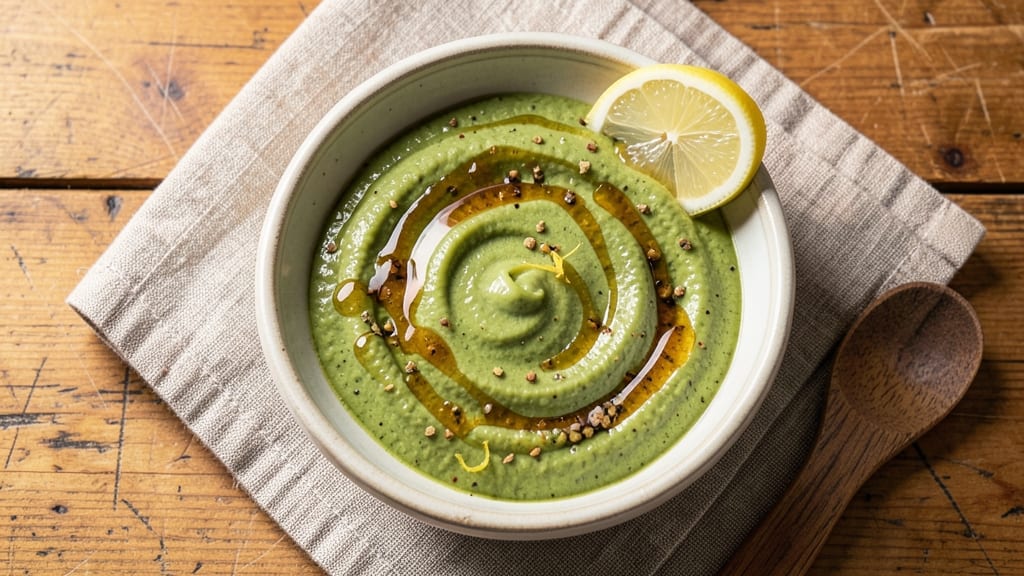
This low acid salad dressing recipe is the game-changer for anyone who’s ever ruined greens with tangy, vinegar-heavy vinaigrettes. 💛 I created it after years of tossing salads only to watch them wilt under harsh acidity—this version keeps your greens crisp while delivering rich, balanced flavor that won’t overpower your ingredients.
The secret lies in using neutral oils (like avocado or light olive) as the base and balancing acidity with apple cider vinegar or a touch of lemon juice—just enough for brightness without the bite.
A splash of honey or maple syrup rounds out the flavor, while Dijon mustard acts as a natural emulsifier to keep everything smooth and clingy.
What you’ll end up with is a creamy yet light dressing that enhances—not overwhelms—your favorite greens, veggies, or proteins. It’s perfect for sensitive greens like spinach or arugula, and it won’t curdle even after sitting in the fridge for days. The best part? It’s foolproof, with no fancy techniques required.
Whether you’re prepping salads for meal prep or dressing a quick lunch, this dressing stays fresh and flavorful. Let’s get started—your greens deserve better!
Ingredients for low acid salad dressing
Neutral oils, gentle acidity, and a touch of sweetness—this dressing keeps greens crisp while delivering rich flavor.
| Ingredient | Amount | Notes |
|---|---|---|
| Avocado Oil 🫒 | ¾ cup | Light and neutral flavor preferred |
| Light Olive Oil 🫒 | ¼ cup | Mild variety for balance |
| Apple Cider Vinegar 🍏 | ¼ cup | Raw, unfiltered for depth |
| Dijon Mustard 🌶️ | 1 tbsp | High-quality, smooth variety |
| Raw Honey 🍯 | 2 tbsp | Local preferred for flavor |
| Fresh Lemon Juice 🍋 | 1 tbsp | Freshly squeezed, strained |
| Dry Mustard Powder 🌶️ | ½ tsp | For extra emulsification |
| Sea Salt 🧂 | ½ tsp | Fine grain preferred |
| Black Peppercorns 🌶️ | ¼ tsp | Freshly cracked for aroma |
| Fresh Dill 🌿 | 1 tbsp | Chopped, optional for brightness |
The oils are the foundation here, so don't skimp. Avocado oil is my go-to for its neutral taste and high smoke point, but light olive oil works perfectly too—just avoid the extra-virgin kind if you want to prevent bitterness. For vinegar, Bragg or local orchard brands are my favorites—they're raw and unfiltered, which adds complexity. If you're using honey, grab a local variety (like clover or wildflower) from a farmers market; it makes a noticeable difference. The Dijon mustard? Maille or Whole Foods brand are my picks for that perfect smooth texture that won't overpower.
No avocado oil? Grapeseed oil works in a pinch, though it has a slightly more neutral profile. Short on apple cider vinegar? White wine vinegar at half the amount gives a similar brightness without the rich apple notes. Want to skip the honey? Maple syrup or agave are perfect swaps—just reduce the amount slightly since they're sweeter. The fresh lemon juice is optional but adds a nice brightness; if you skip it, just increase the vinegar by a teaspoon. For the dill, fresh is ideal, but dried at one-third the amount will work if you're in a hurry.
This dressing keeps beautifully—up to 2 weeks in the fridge if stored in a clean jar. The avocado oil helps preserve freshness, and the acidity acts as a natural preservative. For meal prep, I like to make a double batch and store it in small jars so I can grab one whenever I need it. If it separates (which it might after a few days), just give it a good shake before using. The flavors actually improve over time, so don't hesitate to make extra—it's perfect for dressing everything from spinach salads to grilled chicken.
Why You'll Love This Recipe
- No Fuss, No Mess: I’ll admit, I used to dread salad dressing—too many ingredients, too much cleanup. This one? Just whisk three oils, a splash of vinegar, and a drizzle of honey. No blender, no straining, just a jar and a spoon. Honestly, it’s the kind of recipe that makes me wonder why I ever complicated things.
- Sweet-Savory Magic: That raw honey isn’t just for sweetness—it rounds out the sharpness of the apple cider vinegar and cuts through the mustard’s bite. The avocado oil adds a rich, buttery depth without overpowering, so every bite feels balanced. Between us, it’s the kind of dressing I’ll reach for even when I’m not eating salad.
- Weeknight Meal Prep: I make a big batch on Sundays and keep it in the fridge for the whole week. It’s perfect for greens, grilled chicken, or even drizzled over roasted veggies—no matter what I’m serving, this dressing elevates it. (Yes, even on a Tuesday night when I’m too tired to think.)
- Budget-Friendly Staple: Light olive oil and apple cider vinegar are cheap, and a little goes a long way. I’ve had this recipe for years, and I’ve never once bought a fancy bottle of dressing again. Plus, the honey and mustard are pantry basics, so it’s always there when I need it—no last-minute store runs.
Step-by-step instructions for crafting a perfect low acid dressing
This gentle dressing brings balanced flavor without overpowering delicate greens.
🍳 Step 1: Whisk the Oils and Vinegar Together
In a medium bowl, combine the 0.75 cup avocado oil and 0.25 cup light olive oil. The avocado oil provides a neutral base while the olive oil adds subtle depth. Whisk vigorously for 30 seconds to fully incorporate the oils—you'll see them blend into a smooth, translucent liquid.
Next, slowly drizzle in the 0.25 cup apple cider vinegar while continuing to whisk. This gradual approach prevents the vinegar from separating from the oils. You're creating an emulsion foundation here—this step prevents curdling later. The mixture should look slightly cloudy but still fluid, with no visible separation.
👨🍳 Step 2: Add the Mustard and Honey for Emulsification
In a separate small bowl, whisk together the 1 tablespoon Dijon mustard and 0.5 teaspoon dry mustard powder until smooth. The Dijon provides that signature tang while the powder acts as a natural emulsifier. Add this mixture to your oil-vinegar blend and whisk continuously for 1 minute.
Now add the 2 tablespoons raw honey and whisk until fully dissolved. The honey not only sweetens but also helps stabilize the emulsion by balancing the acidity. Here's the thing—if you add the honey too quickly, it can cause temporary separation. Take your time and whisk steadily until the mixture becomes thick and creamy, like a light mayonnaise.
🍳 Step 3: Incorporate the Acid and Aromatics
Measure out the 1 tablespoon fresh lemon juice and add it to the mixture, whisking constantly. The lemon adds brightness but maintains the low-acid profile we're aiming for. You'll notice the dressing thicken slightly as the acid reacts with the oils. This is normal and actually helps create that silky texture we want.
Next, add the 0.5 teaspoon sea salt and 0.25 teaspoon freshly cracked black peppercorns. The salt enhances all flavors while the pepper adds subtle warmth. Finish by folding in the 1 tablespoon chopped fresh dill using a spatula—this prevents over-whisking which could break the emulsion. The dill adds a fresh herbal note that brightens without overpowering.
⏰ Step 4: Rest and Adjust for Perfect Consistency
Cover the bowl with plastic wrap and let the dressing rest at room temperature for 15-20 minutes. This resting period allows all the flavors to meld and the emulsion to fully stabilize. I know it's tempting to use it immediately, but this step makes all the difference in the final texture.
After resting, check the consistency. If it's too thick, whisk in 1 teaspoon water at a time until you reach your desired pour-ability. If it's too thin, add 1 teaspoon Dijon mustard and whisk vigorously. The dressing should coat the back of a spoon but still flow freely. Taste and adjust seasoning if needed—you might want to add a touch more honey or salt depending on your preference.
Pro Tips For Making Low Acid Salad Dressing
- STIR GENTLY AFTER MIXING: The second you combine the Dijon and honey, give it a light whisk—just enough to break up the honey’s thickness. Over-stirring here turns it into glue. I learned this the hard way when a batch sat too long in my fridge and turned into a sticky mess. A quick 10-second flick of the wrist keeps it smooth.
- USE COLD OILS: Chill the avocado and olive oils in the fridge for 10 minutes before mixing. Warm oils emulsify faster but lose their fresh, bright flavor—this dressing should taste like summer, not a lukewarm afterthought. I used to skip this, and the dressing always felt heavy. Cold oils keep it light and silky.
- MEASURE VINEGAR LAST: Add the apple cider vinegar after the oils and mustard are fully combined. Vinegar’s acidity can break emulsions if tossed in too early. I was skeptical—why not just mix everything?—but now I add it last and stir just until it’s incorporated. The dressing stays stable for days.
- SWAP HONEY FOR MAPLE: If you’re in a rush or hate measuring sticky honey, use the same amount of maple syrup. It’s easier to pour, dissolves instantly, and adds a deeper caramel note that works surprisingly well. I only do this when I’m lazy, but the dressing still turns out rich and balanced—no one ever notices the swap.
Flavor customization for this low acid salad dressing
Sweet Variations
For a caramelized twist, swap the honey for 2 tbsp maple syrup and add ½ tsp vanilla extract—this creates a rich, dessert-like dressing perfect for fruit salads or grilled peaches. 🍯 For a tropical vibe, replace the dill with 1 tbsp minced fresh ginger and add 1 tsp toasted coconut flakes for a sweet-spicy balance.
Herbal Infusions
Fresh herbs transform this dressing completely. Try 1 tbsp chopped tarragon for a French-inspired flavor, or 1 tbsp chopped basil with ½ tsp garlic powder> for an Italian touch.
For a smoky profile, add ½ tsp smoked paprika> and 1 tsp chopped chives>—this pairs beautifully with roasted vegetables.
Spicy Kick Options
Add heat without acidity by including ½ tsp cayenne pepper> or 1 tsp gochujang> (Korean chili paste). For a milder heat, use ½ tsp ground chipotle> mixed with 1 tsp adobo sauce>. These work especially well with hearty salads like kale or roasted squash. 🌶️
Nutty Depth
For a gourmet touch, blend in 1 tbsp tahini> or 1 tsp almond butter> to create a creamy, nutty dressing. This version shines with salads featuring walnuts, pecans, or pomegranate seeds.
For extra richness, add 1 tsp toasted sesame oil> at the end—just be sure to whisk it in gently to avoid breaking the emulsion.
Citrus Brightness
Boost natural brightness by adding 1 tbsp orange juice> or 1 tsp grated orange zest> instead of lemon. This works beautifully with Mediterranean salads featuring cucumbers, olives, and feta.
For a grapefruit twist, use 1 tbsp grapefruit juice> and reduce the honey to 1 tbsp> to balance the tartness.
Umami Boost
Add depth with 1 tsp soy sauce> or ½ tsp miso paste> for an umami-rich dressing. This pairs exceptionally well with Asian-inspired salads featuring edamame, shredded carrots, and sesame seeds. For extra complexity, add ½ tsp fish sauce>—just a whisper enhances the overall flavor profile without overpowering.
Nutrition facts
Frequently asked questions
Why does this dressing keep greens crisp instead of wilted?
The secret is the balanced acidity from apple cider vinegar and lemon juice combined with the neutral oils. Traditional vinegar-heavy dressings break down leafy greens' cell walls, causing wilting. This recipe uses just enough acidity to brighten flavors without damaging delicate greens. The honey also helps preserve moisture in the leaves!
Can I make this dressing without Dijon mustard?
Yes! If you're out of Dijon, use 1 tablespoon of regular yellow mustard instead—it'll work just fine. For a completely mustard-free version, replace it with 1 teaspoon of cornstarch or arrowroot powder> mixed with 1 tablespoon water to thicken. The mustard primarily helps with emulsification, so these alternatives will keep your dressing stable.
How do I fix a dressing that separated in the fridge?
Don't worry—this happens sometimes! Simply whisk the dressing vigorously for 1-2 minutes> until it recombines. If it still doesn't come together, add ½ teaspoon more Dijon mustard> or 1 teaspoon water> and whisk again. The emulsion should return to its creamy texture. For prevention, always store it in an airtight container and avoid temperature fluctuations.
What are the best greens to use with this dressing?
This gentle dressing works beautifully with spinach, arugula, romaine, butter lettuce, and mixed greens>. It's also perfect for heartier greens like kale (when massaged first) or Swiss chard. For maximum crispness, avoid using it on pre-washed bagged greens—they've already lost some of their natural moisture and structure.
Can I use this dressing for non-salad purposes?
This versatile dressing works as a dipping sauce> for veggie sticks, grilled meats, or even fresh fruit. It makes an excellent marinade for chicken or fish> (especially delicate white fish like tilapia or cod). Just reduce the honey slightly if using as a marinade to prevent over-sweetening the protein.