
Sauces & Condiments
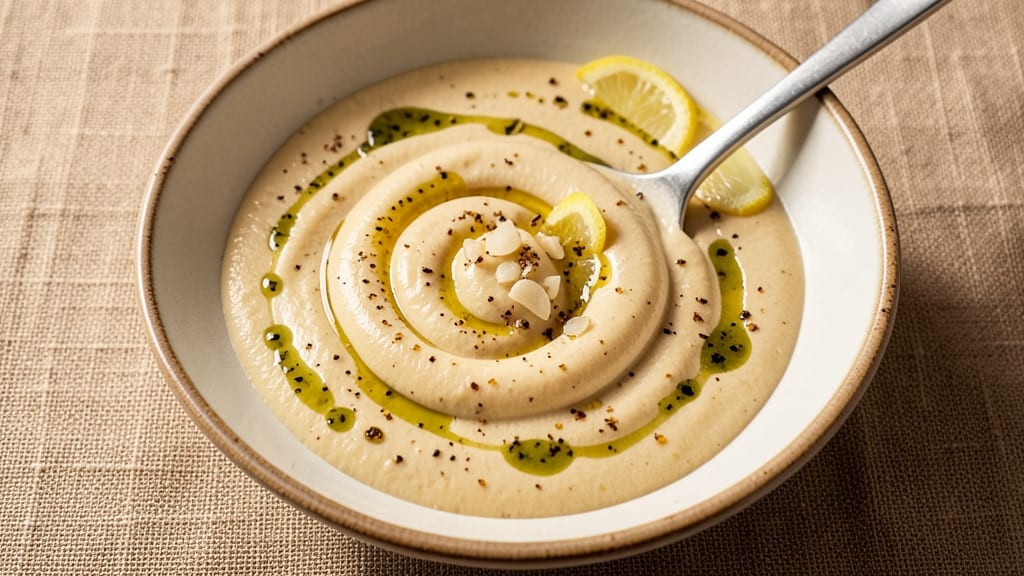
This Caesar salad dressing recipe with egg and anchovy paste delivers restaurant-quality richness without the harsh bitterness of traditional recipes. The secret lies in balancing umami from anchovy paste with a perfectly emulsified base—creamy yet tangy, with just enough garlic to linger.
I've perfected this version after years of testing, ensuring every spoonful coats lettuce with velvety depth rather than clinging oiliness.
The foundation starts with raw egg yolks and anchovy paste, which create that signature savory backbone, while Dijon mustard and lemon juice provide the emulsifying stability. Unlike store-bought versions, this dressing develops complexity over time—the flavors meld beautifully when whisked properly and rested before serving.
The key technique? Slowly drizzling in oil while whisking vigorously to prevent separation.
What sets this apart is the anchovy paste's umami punch, which transforms ordinary Caesar dressing into something extraordinary—think of it as a cross between classic anchovy flavor and creamy egg richness. The result is a dressing that clings perfectly to romaine, enhancing rather than overpowering the crisp greens.
Store it in the fridge for up to 5 days, or make a double batch for future salads.
This recipe is ideal for Caesar salad enthusiasts who crave authentic depth without the aftertaste. The emulsification process ensures smooth texture, while the anchovy paste adds layers of flavor that elevate even simple lettuce. Ready to transform your salads? Let's make this dressing.
Ingredients for caesar salad dressing recipe with egg and anchovy paste
Ten ingredients transform ordinary Caesar dressing into velvety umami perfection with restaurant-quality depth.
| Ingredient | Amount | Notes |
|---|---|---|
| Raw Egg Yolks 🥚 | 3 whole | Large eggs preferred for richness |
| Anchovy Paste 🐟 | 1 ½ tbsp | High-quality, finely chopped anchovies |
| Extra-Virgin Olive Oil 🫒 | 1 cup | Light, fruity variety for balance |
| Dijon Mustard 🌶️ | 1 ½ tbsp | Mild to moderate heat preferred |
| Fresh Lemon Juice 🍋 | 1 tbsp | Freshly squeezed, strained |
| Garlic Cloves 🧄 | 1 whole | Freshly minced, not pre-minced |
| Diamond Crystal Kosher Salt 🧂 | ½ tsp | Fine grain for proper emulsification |
| Ground Black Pepper 🌶️ | ¼ tsp | Freshly ground for optimal flavor |
| Worcestershire Sauce 🍶 | ½ tbsp | Anchovy-free version for pescatarian |
| Granulated Garlic 🧄 | ½ tsp | For additional umami depth |
The anchovy paste and egg yolks form the dressing's savory foundation—Colosio or Bonami brands deliver superior quality without harsh aftertaste. For the yolks, use large eggs from pasture-raised hens (like Vital Farms or Peters Farm) for richer flavor. The olive oil should be light and fruity, not robust or peppery—California Extra Virgin brands excel here. Freshness matters most: anchovies should be packed in oil, not salt, and garlic cloves must be firm with no sprouting. Store anchovy paste in the fridge after opening to preserve its umami punch.
Substitutions require careful balance—vegan mayo at half quantity replaces egg yolks for a lighter texture, though it lacks richness. No anchovy paste? High-quality fish sauce (Red Boat brand) at 1 tsp mimics umami, but reduce Worcestershire to 0.25 tbsp. For garlic, granulated garlic powder works at double the amount, though fresh minced delivers superior flavor. The Dijon mustard can be swapped for whole-grain mustard at equal quantity, though it may alter texture slightly. Always strain lemon juice to avoid grit, and use a fine-mesh sieve for the egg yolks to prevent lumps in the final dressing.
This dressing develops complexity over time—rest for 30 minutes before serving to allow flavors to meld. Store in an airtight container with a thin layer of olive oil on top to prevent oxidation; keeps 5 days refrigerated or 3 months frozen in ice cube trays. For restaurant-quality consistency, whisk vigorously while slowly drizzling oil to achieve proper emulsification. The anchovy paste's umami intensifies when combined with the egg yolks, creating that signature Caesar depth without bitterness. Double batches freeze beautifully for future salads.
Why You'll Love This Recipe
- Five-Ingredient Magic: I swear by this combo—just yolks, anchovies, olive oil, mustard, and lemon. No straining herbs, no measuring spices, and no second-guessing. That anchovy paste? It’s the secret sauce that cuts through the richness of the raw egg for a dressing that’s actually balanced.
- Umami Bomb: Honestly, the moment I taste that anchovy paste hit the warm yolks, I get chills. It’s salty, funky, and deep—like a little flavor explosion. The lemon brightens it up so fast, you’ll want to drizzle it on everything (yes, even toast).
- Weeknight Superstar: Between us, this is my go-to for last-minute salads, charcuterie boards, or when I’m too tired to make a full Caesar. It keeps for days in the fridge, so I make a batch and use it for romaine, grilled chicken, or even pasta. No waste, all flavor.
- Budget Game-Changer: Anchovy paste and eggs are cheap, but they punch way above their price point. A tiny jar of paste lasts forever, and I use the yolks from eggs I’d normally scramble. Suddenly, restaurant-quality dressing costs pennies—and tastes like it’s worth dollars.
Step-by-step instructions for Caesar salad dressing with egg and anchovy paste
A perfectly balanced Caesar dressing requires precision and patience—this method delivers umami depth without bitterness.
Whisk Egg Yolks and Anchovy Paste Until Fully Emulsified
In a medium bowl, combine the 3 whole raw egg yolks and 1.5 tablespoons anchovy paste. Using a whisk, blend vigorously for 2-3 minutes until the mixture becomes smooth and pale yellow. The anchovy paste should dissolve completely—this forms the flavor foundation. I like to work in a small bowl to prevent splashing, and I always use a clean, dry whisk for best results.
Here's the thing—don't rush this step. The yolks need time to fully incorporate the anchovy's saltiness and umami. You'll know it's ready when the mixture holds its shape briefly when you lift the whisk. If you see any streaks of anchovy paste remaining, keep whisking until fully integrated. This ensures even flavor distribution throughout the dressing.
Incorporate Mustard, Lemon Juice, and Aromatics
Add the 1.5 tablespoons Dijon mustard, 1 tablespoon fresh lemon juice, 1 minced garlic clove, 0.5 teaspoon granulated garlic, 0.5 teaspoon Diamond Crystal kosher salt, and 0.25 teaspoon ground black pepper to the yolk mixture. Whisk continuously for another 2 minutes until everything is completely combined and the mixture is homogeneous.
The Dijon mustard acts as an emulsifier, helping to bind the oil later, while the lemon juice brightens the rich flavors. I always use freshly minced garlic and freshly ground black pepper—pre-minced or pre-ground spices lose their potency quickly. The granulated garlic adds an extra layer of umami without overpowering the delicate anchovy flavor. Keep whisking until you see no more dry spots in the bowl.
Gradually Add Olive Oil for Perfect Emulsification
With the motor running on low speed in a stand mixer (or whisking vigorously by hand), very slowly drizzle in the 1 cup extra-virgin olive oil. Add it in a thin, steady stream—this gradual incorporation prevents the dressing from breaking. I use a small ladle for precise control, adding just a few drops at a time while maintaining constant motion.
The key to a successful emulsion is patience. If you add the oil too quickly, the dressing will separate immediately. You're looking for a smooth, mayonnaise-like consistency that coats the back of a spoon. This process should take about 5-7 minutes of continuous whisking. If the mixture starts to thicken too much, add 1 teaspoon of water to loosen it slightly while continuing to whisk.
Finish with Worcestershire and Final Adjustments
Once the oil is fully incorporated, stir in the 0.5 tablespoon Worcestershire sauce. Taste the dressing immediately—this is your quality control moment. The flavor should be rich with anchovy umami, bright from the lemon, and properly balanced with salt and acidity. Adjust seasoning if needed: add more salt if it's bland, more lemon juice if it's too heavy, or a pinch of pepper if it needs more bite.
Here's where professional chefs differ: some like their Caesar dressing slightly tangy, others prefer it more mellow. I lean toward a balanced profile where the anchovy shines but doesn't dominate. The Worcestershire sauce adds complexity without overpowering. If the dressing is too thick, thin it with 1-2 teaspoons of water until it reaches a pourable consistency. For best results, let it rest at room temperature for 15 minutes before using—this allows all the flavors to meld completely.
Pro Tips For Making Caesar Salad Dressing Recipe With Egg And Anchovy Paste
- Whisk Yolks Slowly: I learned this the hard way—dumping anchovy paste into raw yolks and whisking aggressively just makes a gloopy mess. Instead, mix the anchovy paste with a splash of lemon juice first, then gradually drizzle in the yolks while whisking. This keeps the emulsion smooth and prevents curdling.
- Use Cold Yolks: Room-temperature yolks? Skip it. Chilled yolks emulsify better and won’t turn into scrambled eggs when you add the oil. Pop the eggs in the fridge for 10 minutes before starting—your dressing will thank you.
- Salt the Anchovies: Anchovy paste is salty, but not always enough. Taste it first—if it’s bland, add a pinch of salt before mixing it into the yolks. This balances the whole dressing later, so you’re not playing flavor catch-up.
- Add Oil in Stages: Pouring all the olive oil at once is a recipe for separation. Start with half, whisk until thick, then add the rest in slow drizzles. This builds a stable emulsion without breaking—no one likes a watery Caesar.
Troubleshooting this recipe
Broken Emulsion Fix
If your dressing separates after adding oil, don't panic—this happens to everyone. Immediately whisk in 1 teaspoon of hot water (just boiled and cooled slightly) while vigorously whisking. The heat helps re-emulsify the oils. For stubborn cases, add ½ teaspoon Dijon mustard and whisk for another 2 minutes.
The mustard's acidity acts as a natural emulsifier. I've revived broken dressings this way even after they've sat for hours.
Anchovy Overpower
The anchovy paste can dominate if not balanced properly. If your dressing tastes too salty or fishy, add 1-2 teaspoons of fresh lemon juice to brighten the flavors. For a smoother profile, stir in ½ teaspoon granulated sugar to counteract the saltiness.
Remember, the anchovy paste should enhance, not overpower—the goal is umami depth, not fishiness. Taste as you go and adjust gradually.
Raw Egg Safety
Using raw eggs requires caution, especially if serving vulnerable populations. For extra safety, use pasteurized eggs (like Pasteurized Shell Eggs from Vital Farms) or make a double batch and freeze half in ice cube trays.
If you prefer no raw eggs, replace yolks with ½ cup vegan mayo (like Just Mayo) but reduce the Worcestershire to 0.25 tbsp—this version will be lighter but still delicious. 🥚
Oil Too Heavy
If your dressing feels too oily or greasy, the emulsion needs strengthening. Whisk in 1 teaspoon of cold water while adding ½ teaspoon of xanthan gum (found in baking sections) to thicken it naturally.
For an instant fix, mix 1 teaspoon of cornstarch with 1 tbsp cold water, then stir into the dressing. This creates a smoother texture without altering flavor. The key is gradual incorporation—add just enough to achieve a balanced consistency.
Storage Separation
Dressing sometimes separates when refrigerated due to temperature changes. Before using, whisk vigorously for 2-3 minutes*, then add 1 teaspoon of warm water to restore the emulsion. For long-term storage, freeze in 1-tablespoon portions in ice cube trays—thaw overnight in the fridge before using.
The cold helps preserve the emulsion structure. I always make a double batch so I have pre-portioned dressing ready for quick salads. ❄️
Flavor Too Mild
If your dressing lacks depth, boost the umami with ½ teaspoon additional anchovy paste or 1 teaspoon fish sauce. For a smoky note, add ¼ teaspoon smoked paprika. If it needs more acidity, increase lemon juice to 1.5 tbsp total.
The anchovy paste is your secret weapon—don't be afraid to adjust it slightly for richer flavor. Taste after each addition to avoid overpowering the delicate balance. 🌶️
Nutrition facts
Frequently asked questions about Caesar dressing with egg and anchovy paste
Why does this recipe use raw egg yolks instead of cooked?
The raw yolks create a silky, velvety texture that cooked yolks can't match. The natural lecithin in raw eggs acts as a natural emulsifier, helping the oil and vinegar blend seamlessly. When cooked, yolks lose this binding property and the dressing becomes heavier. Plus, the raw yolks blend perfectly with the anchovy paste for that signature umami depth.
Can I make this dressing without anchovy paste?
Yes, but you'll lose some depth. For a substitute, use 1 teaspoon high-quality fish sauce (like Red Boat) or ½ teaspoon soy sauce plus ¼ teaspoon smoked paprika for umami. The anchovy paste is key for that authentic Caesar flavor—it's what transforms ordinary dressing into something extraordinary. If avoiding fish entirely, try ½ teaspoon nutritional yeast for a mild cheesy note.
How do I fix dressing that's too thick or too thin?
For thick dressing, whisk in 1 teaspoon of warm water while continuously whisking. For thin dressing, add ½ teaspoon Dijon mustard and whisk vigorously for 1 minute—the mustard helps re-emulsify while adding body. The ideal consistency should coat the back of a spoon but still be pourable. If it's still too thick after adding water, try adding ½ teaspoon xanthan gum dissolved in 1 tbsp cold water.
Can I make this dressing ahead of time?
This dressing actually improves overnight as the flavors meld. Store it in an airtight container with a thin layer of olive oil on top to prevent oxidation. It keeps well in the fridge for 5 days—just give it a good whisk before using. For longer storage, freeze in 1-tablespoon portions in ice cube trays. Thaw overnight in the fridge before using to maintain the perfect emulsion.
What's the best way to store leftover anchovy paste?
Transfer any unused anchovy paste to a small airtight container and refrigerate it. The paste will last about 2 weeks this way. For even longer storage, freeze it in 1-teaspoon portions—just thaw at room temperature before using. Never store it at room temperature as it can spoil quickly. The fresher the anchovy paste, the more vibrant the umami flavor in your dressing will be.