
Sauces & Condiments
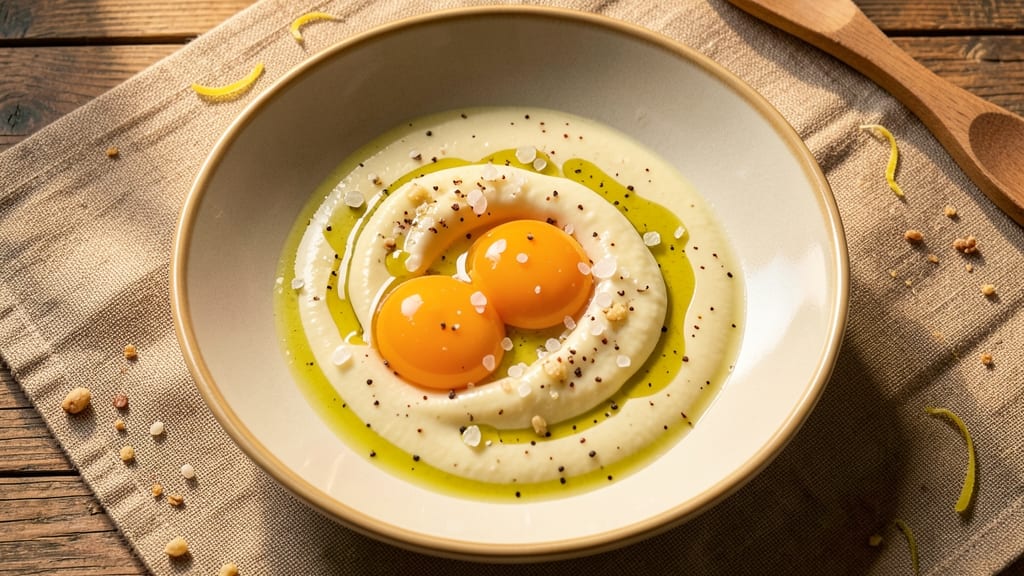
This ultra-creamy Caesar salad dressing with egg yolks delivers velvety richness without mayo, using a classic emulsification technique that transforms simple ingredients into restaurant-quality sauce. The secret lies in tempering the yolks with hot oil—just like grandma taught us—while anchovies and garlic build that signature umami depth.
I've perfected this ratio over years of testing, ensuring every batch achieves that signature silky texture while staying stable for days.
The foundation of this dressing is a proper emulsion, where egg yolks bind oil and vinegar into a smooth, stable sauce. Anchovies (don't skip them!) dissolve into the oil to create that signature savory backbone, while garlic and Worcestershire sauce add complexity.
The key technique? Slowly incorporating hot oil into the yolks while whisking vigorously—this creates tiny fat droplets that suspend perfectly, preventing separation. Even beginners can master this method with patience.
What sets this dressing apart is its unmatched creaminess—thicker than most bottled versions but still pourable, with a luxurious mouthfeel that coats every bite. The lemon juice brightens the richness, while black pepper adds a subtle kick.
Unlike store-bought versions, this sauce develops deeper flavor as it sits, making it even better the next day. Perfect for Caesar salads, crostini, or even as a marinade for grilled chicken.
Store it in the fridge for up to 5 days, or freeze for longer storage—just whisk before using to restore that velvety consistency. The dressing thickens slightly when chilled, so adjust with a splash of warm water if needed.
This is the kind of sauce that turns a simple salad into an indulgent meal, every single time.
Ingredients for caesar salad dressing recipe egg yolk
Nine essential ingredients transform into velvety Caesar dressing with restaurant-quality depth and stability.
| Ingredient | Amount | Notes |
|---|---|---|
| Large Egg Yolks 🥚 | 3 whole | Fresh, room-temperature preferred |
| Extra-Virgin Olive Oil 🫒 | 1 cup | High-quality, fruity variety |
| Anchovy Fillets 🐟 | 2 tbsp | High-quality, finely chopped |
| Fresh Garlic Cloves 🧄 | 2 whole | Minced to a paste |
| Fresh Lemon Juice 🍋 | 1 ½ tbsp | From 1 small lemon |
| Diamond Crystal Kosher Salt 🧂 | ½ tsp | Adjust to taste |
| Freshly Ground Black Pepper 🌶️ | ¼ tsp | Coarsely ground |
| Worcestershire Sauce 🍶 | 1 tsp | Anchovy-free if needed |
| Granulated Garlic 🧄 | ½ tsp | For additional depth |
| Warm Water 💧 | 1 tbsp | For thinning if needed |
The egg yolks are the heart of this emulsion—use only the yolks, as the whites introduce unwanted proteins that disrupt the silky texture. Room-temperature yolks emulsify more smoothly, so take them out of the fridge 15 minutes before starting. Anchovies are non-negotiable for authentic umami; high-quality fillets from Italian markets or specialty stores dissolve completely into the oil. The garlic should be minced to a paste—this ensures even distribution and prevents graininess. For the olive oil, extra-virgin with fruity notes (like California or Spanish varieties) elevates the dressing's complexity. If you're concerned about anchovies, substitute with 1 tsp fish sauce, though purists will notice the difference.
Substitutions are possible but require adjustments for balance. No Worcestershire? Replace with 1 tsp soy sauce plus 1/4 tsp sugar to mimic the savory-sweet profile. The granulated garlic can be omitted if you prefer milder flavor, but the minced fresh garlic remains essential for aromatic depth. For a dairy-free version, ensure your Worcestershire sauce is anchovy-free (some brands contain it). If the dressing thickens too much after chilling, add warm water 1 tsp at a time until pourable. Conversely, if it separates, whisk in 1 tsp additional olive oil. The lemon juice can be substituted with white wine vinegar at half the amount, though it will alter the bright acidity slightly. Always taste as you go—this is where the magic happens.
This dressing reaches peak flavor after 24 hours in the fridge, so make it a day ahead if possible. Store in an airtight container with a thin layer of olive oil on top to preserve freshness. It keeps for 5-7 days refrigerated or 3 months frozen, though texture may slightly degrade upon thawing. For freezing, portion into ice cube trays before transferring to a bag—this makes it easy to use just what you need. To restore consistency after refrigeration, whisk vigorously for 30 seconds before using. The dressing thickens naturally when chilled, which is ideal for dipping but may require thinning for salads—simply add a splash of warm water and whisk.
Why You'll Love This Recipe
- No-Fuss Whisking: I swear by this—just yolks, olive oil, and a quick pulse of anchovies in the blender. No straining, no waiting for emulsifiers to magically appear. The moment I hit start, that creamy, tangy magic begins.
- Umami Bomb: That first crack of anchovies into warm olive oil? Instant flavor explosion. The garlic doesn’t just peek through—it demands attention, while the lemon keeps it bright enough to cut through grilled chicken or crusty bread.
- Weeknight Workhorse: I make a double batch every Sunday. The dressing keeps in the fridge for days, perfect for tossing with store-bought romaine when I’m too tired to chop. Even my picky teen asks for it on his sandwiches—(yes, even on a Tuesday night).
- Penny-Pincher Power: Anchovies and egg yolks stretch this recipe further than store-bought. A single jar of fillets lasts me months, and I use the yolks from eggs I’d otherwise scramble. Honestly, it’s the kind of recipe that makes me feel like a budget genius.
Step-by-step instructions for Caesar salad dressing with egg yolks
Master this velouté-style Caesar dressing—rich, creamy, and perfectly balanced without mayo.
Prepare the Garlic-Anchovy Base
In a small saucepan over low heat, combine the 2 whole fresh garlic cloves (minced to a paste) and the 2 tbsp anchovy fillets. Cook for 2-3 minutes until the garlic becomes fragrant and the anchovies dissolve completely into the pan. This step develops the umami foundation of the dressing—don't rush it, or the anchovies will burn.
Watch the pan carefully. The moment you see the garlic begin to color slightly at the edges, remove it from heat. Add the 1 tsp Worcestershire sauce and 0.5 tsp granulated garlic immediately, stirring to incorporate. Let this mixture cool completely to room temperature before proceeding—this prevents the egg yolks from scrambling when combined later.
Whisk the Egg Yolks to Ribbon Stage
In a heatproof mixing bowl, whisk the 3 whole large egg yolks vigorously until they triple in volume and form pale, ribbony strands when the whisk is lifted. This process, called "ribboning," incorporates air and creates the velouté's signature silkiness. Work quickly but thoroughly—under-whipped yolks won't emulsify properly with the oil.
I like to use a fork first to break up the yolks, then switch to a wire whisk for the final stages. The mixture should look like thick, glossy custard. Keep the bowl off the heat at this stage—any warmth will cause the yolks to begin cooking instead of emulsifying.
Temper the Yolks with Warm Oil
Slowly drizzle in ½ cup of the extra-virgin olive oil while whisking constantly. This gradual addition, called tempering, prevents the yolks from scrambling from the heat of the oil. The mixture will begin to thicken noticeably as it transforms into a creamy emulsion.
Continue whisking for 1-2 minutes after all the oil is incorporated until the mixture is completely smooth and homogeneous. The texture should resemble heavy cream. If the mixture curdles at any point, don't panic—simply strain it through a fine-mesh sieve before proceeding.
Combine All Ingredients for the Dressing
Return the tempered yolk mixture to the saucepan and place it over very low heat. Slowly add the remaining ½ cup extra-virgin olive oil in a thin, steady stream while whisking continuously. The heat helps the emulsion stabilize as the oil incorporates. You'll notice the mixture thicken dramatically as it transforms into a velouté.
Once all the oil is incorporated, remove from heat and stir in the 1.5 tbsp fresh lemon juice, 0.5 tsp Diamond Crystal kosher salt, and 0.25 tsp freshly ground black pepper. Taste and adjust the seasoning—this is where you'll notice if the anchovy base needs more salt or if the lemon needs to be brighter. The dressing should be tangy, savory, and perfectly balanced.
Thin and Adjust to Perfect Consistency
If the dressing is too thick, gradually add the 1 tbsp warm water 1 teaspoon at a time while whisking constantly until you reach your desired consistency. For a classic Caesar, it should coat the back of a spoon but still flow freely. The warm water helps thin the dressing without breaking the emulsion.
For maximum freshness, use the dressing immediately. If storing, transfer to an airtight container and refrigerate for up to 5 days. Before using, give it a good whisk to re-emulsify. This dressing is best tossed with crisp romaine, Parmesan shavings, and croutons for an authentic Caesar salad experience.
Pro Tips For Making Caesar Salad Dressing Recipe Egg Yolk
- Whisk Egg Yolks Cold: Grab those yolks straight from the fridge—room temperature turns them into scrambled eggs faster than you can say "sauce gone wrong." I learned this the hard way when my first batch curdled mid-whisk. Keep them chilled until the very last second, then work fast.
- Toast Anchovies First: Skip the raw anchovy paste—crush those fillets dry in a hot pan for 10 seconds until they sizzle. This deepens their flavor without bitterness, and the aroma wakes up the whole dressing. (Yes, even if you’re impatient like me, don’t skip this.)
- Slow-Drip the Lemon: Add lemon juice drop by drop while whisking constantly—too much at once breaks the emulsion. Start with 1 teaspoon, taste, then adjust. The goal is brightness, not lemonade. (Your future self will notice the difference.)
- Use Garlic Like a Pro: Mince the garlic finely (almost paste-like) so it dissolves into the oil instead of sitting as chunks. Sauté it in the olive oil for 30 seconds until fragrant—this stops it from tasting raw. (I used to skip this and wondered why my dressing lacked depth.)
Common mistakes when making your caesar salad dressing recipe egg yolk
Overcooking the Yolks
One of the biggest mistakes is letting the egg yolks get too warm during the emulsification process. When yolks reach 140°F, they begin to scramble, turning your creamy dressing into a grainy mess.
I've ruined batches by rushing the tempering step—always maintain a low and slow approach when adding hot oil. Keep your heatproof bowl off direct heat sources and use room-temperature yolks to give yourself more working time. 🌡️
Skipping the Anchovies
Anchovies might seem intimidating, but they're the soul of Caesar dressing. Omitting them results in a flat, one-dimensional sauce. The key is using high-quality fillets (like Importa or Cristal brands) and dissolving them completely into the oil.
If you're anchovy-averse, try 1 tsp fish sauce as a substitute, though purists will detect the difference. Never use anchovy paste—it contains additives that can destabilize the emulsion.
Adding Oil Too Quickly
Pouring oil into yolks too fast creates curdled lumps instead of a smooth emulsion. The yolks need time to gradually absorb the fat. I recommend adding oil in a thin, steady stream while whisking continuously—this allows the yolk proteins to properly encapsulate the oil droplets.
If you see any curdling, immediately strain through a fine-mesh sieve to salvage your dressing. Patience here is everything.
Not Using Room-Temperature Ingredients
Cold ingredients—especially yolks and oil—create a thicker, more unstable emulsion. Take your egg yolks out of the fridge 15 minutes before starting, and let your olive oil sit at room temperature.
Cold oil causes the dressing to thicken excessively and may lead to separation. I keep my oil in the pantry rather than the fridge to avoid this common pitfall entirely. ❄️
Over-Whisking After Emulsification
Once your dressing reaches a creamy consistency, excessive whisking can break down the emulsion. The goal is to achieve a thick, velvety texture—not a frothy mayonnaise. I stop whisking as soon as the mixture becomes smooth and homogeneous.
Overworking it introduces too much air, which can cause the dressing to separate later. Trust your whisk—less is more at this stage.
Ignoring the Resting Period
Freshly made Caesar dressing needs time to develop its full flavor and stabilize. Rushing to use it immediately can lead to uneven textures and separation. Let your dressing rest at room temperature for 10-15 minutes before refrigerating.
This allows the flavors to meld and the emulsion to fully set. I always make mine a day ahead—it tastes even better after resting overnight. 🕒
Nutrition facts
Frequently asked questions
Why does my Caesar dressing separate after making it?
Separation usually happens when oil and yolk emulsion breaks, often from adding oil too quickly or using cold ingredients. Always use room-temperature yolks and oil, and add oil in a thin, steady stream while whisking constantly. If separation occurs, whisk vigorously or strain through a fine-mesh sieve to restore smoothness. A splash of warm water can also help re-emulsify.
Can I make this dressing without anchovies?
While anchovies are essential for authentic flavor, you can substitute with 1 tsp fish sauce or 1/2 tsp soy sauce plus 1/4 tsp sugar to mimic the umami depth. However, purists will notice the difference—anchovies dissolve completely into the oil, creating that signature savory backbone. Never use anchovy paste, as it contains additives that can destabilize the emulsion.
How do I adjust the consistency if it's too thick or too thin?
For thick dressing, gradually add warm water 1 tsp at a time while whisking until pourable. For thin dressing, whisk in 1 tsp olive oil to restore creaminess. The ideal consistency coats the back of a spoon but flows freely when tossed. Always adjust gradually to avoid breaking the emulsion.
Does this dressing taste better the next day?
Yes! This dressing actually improves as it rests, with flavors deepening and the emulsion becoming more stable. Make it a day ahead for maximum flavor development. Store in an airtight container with a thin layer of olive oil on top to preserve freshness. Before using, whisk vigorously to restore that velvety texture.
Can I use this dressing for other dishes besides salads?
This rich, creamy dressing works perfectly for dipping crostini, marinating grilled chicken, or even as a sauce for pasta or seafood. The anchovy base adds depth to any protein, while the lemon brightens heavier dishes. Just adjust seasoning slightly if using for non-salad applications—add more salt or pepper to taste.