
Salads
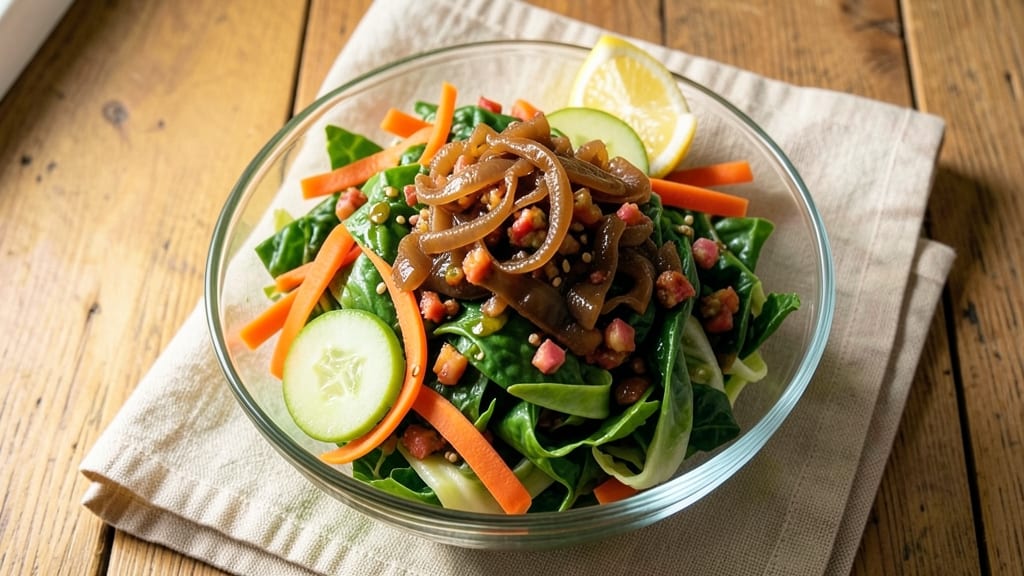
This cabbage health salad transforms simple ingredients into a probiotic powerhouse that’s as vibrant as it is nutritious. 💛 The secret lies in fermented elements like sauerkraut and kimchi, which bring gut-friendly benefits while adding tangy depth—no special equipment required.
What sets this apart is the balance of crisp textures and bright flavors that keep it satisfying as a standalone meal or side.
The foundation is a mix of shredded cabbage, carrots, and cucumbers for crunch, paired with fermented elements that introduce beneficial bacteria. A zesty lemon vinaigrette ties everything together, cutting through the richness while highlighting the natural sweetness of the vegetables.
This recipe delivers fiber, vitamins C and K, and probiotics in every bite—all while being effortlessly customizable.
What you’ll end up with is a salad that’s packed with color, texture, and flavor—crisp, tangy, and refreshing enough to stand alone or complement any protein. The fermented components add complexity, while the vinaigrette ensures each bite is bright and balanced.
Perfect for meal prep or a quick lunch, this salad proves healthy eating can be both nourishing and delicious.
For extra protein, toss in chickpeas or white beans, or add toasted nuts and seeds for crunch. The possibilities are endless, but the core remains simple: fresh, fermented, and full of flavor. Let’s get started!
Ingredients for cabbage health salad
Fresh cabbage, fermented probiotics, and bright citrus create this vibrant, nutrient-rich salad—simple yet deeply satisfying.
| Ingredient | Amount | Notes |
|---|---|---|
| Green Cabbage 🥬 | 4 cups | Shredded, outer leaves removed |
| Carrots 🥕 | 1 medium | Shredded, organic preferred |
| Cucumber 🥒 | 1 whole | English or Persian, thinly sliced |
| Sauerkraut 🥬 | 1 cup | Unpasteurized for probiotics |
| Kimchi 🥬 | ½ cup | Spicy or mild, drained slightly |
| Fresh Lemon 🍋 | 1 whole | Juiced, seeds removed |
| Extra-Virgin Olive Oil 🫒 | ¼ cup | Cold-pressed, fruity variety |
| Apple Cider Vinegar 🍶 | 1 tbsp | Raw, unfiltered preferred |
| Maple Syrup 🍁 | 1 tbsp | Grade B for depth of flavor |
| Fresh Dill 🌿 | ¼ cup | Chopped, stems removed |
| Fresh Parsley 🌿 | ¼ cup | Chopped, flat-leaf preferred |
| Diamond Crystal Kosher Salt 🧂 | ½ tsp | Fine grain, for seasoning |
| Black Peppercorns 🌶️ | ¼ tsp | Freshly cracked, coarse grind |
| Toasted Walnuts 🥜 | ½ cup | Chopped, optional for crunch |
The cabbage is the star here, so look for heads with crisp, vibrant outer leaves—those are the freshest. Whole Foods Market and local farms often carry the most flavorful varieties, but any green or red cabbage works. Shred it yourself for maximum crunch—pre-shredded loses texture fast. For the carrots, organic is ideal to avoid wax coatings, and purple or rainbow carrots add extra color. The cucumber should be firm with no soft spots, and English cucumbers have fewer seeds. Sauerkraut and kimchi are non-negotiable for the probiotic benefits—choose unpasteurized versions to preserve live cultures, and drain them well before adding to avoid excess liquid.
No sauerkraut? Store-bought fermented green beans or pickles work in a pinch, though texture differs. Kimchi unavailable? Extra-spicy sriracha mixed with a little rice vinegar mimics the tang. Fresh herbs wilt fast, so buy just enough for one salad—or freeze chopped dill and parsley in ice cube trays for later. The vinaigrette ratio is key: lemon juice to apple cider vinegar at 1:1 balances brightness and depth. For extra protein, add chickpeas or white beans—just rinse canned versions well. Walnuts can be swapped for toasted pecans or sunflower seeds if nut allergies are a concern.
Store the cabbage, carrots, and cucumber separately in airtight containers for 5-7 days in the fridge. The fermented elements last up to 3 weeks if sealed properly. For meal prep, assemble the salad just before serving to preserve crispness. The vinaigrette keeps for 1 week in the fridge, and the herbs stay fresh for 3 days wrapped in damp paper towels. This salad tastes even better the next day as flavors meld—perfect for batch cooking.
Why You'll Love This Recipe
- No Knife Skills Needed: I swear by this one—just shred the cabbage, slice the carrots, and chop the cucumber into thick half-moons. No julienne, no mandoline, no stress. The sauerkraut and kimchi do the flavor work for you, so you can throw everything together in minutes. (Yes, even on a Tuesday night when you’re exhausted.)
- Tangy-Crunchy Magic: That first bite? The crisp green cabbage meets the funky punch of kimchi and the cool bite of cucumber—it’s like a flavor party in your mouth. Honestly, the sauerkraut adds this deep, umami richness that makes it way more exciting than your average salad. I’ll take this over wilted lettuce any day.
- Meal Prep MVP: This salad keeps like a champ in the fridge for days, so I make a big batch on Sundays and grab it for lunches all week. The textures hold up perfectly—no soggy mess—and the flavors actually get better as the kimchi and sauerkraut mellow. It’s my go-to for busy mornings when I need something fresh but don’t have time to cook.
- Budget-Friendly Powerhouse: Green cabbage lasts forever, carrots are dirt cheap, and a little sauerkraut or kimchi goes a long way. I stretch this salad into three meals for the price of one restaurant entree. Plus, it’s packed with fiber and probiotics, so you’re basically eating your veggies and saving money. Win-win.
Step-by-step instructions for cabbage health salad
This vibrant salad combines gut-friendly probiotics with crisp vegetables and a bright lemon vinaigrette.
👨🍳 Step 1: Prep and Shred All Vegetables
Begin by removing any wilted outer leaves from the 4 cups green cabbage and quarter it lengthwise. Using a sharp mandoline or knife, shred the cabbage into thin ribbons. I like to work in batches to avoid overcrowding my cutting board—this keeps the shreds even and prevents bruising.
Next, peel the 1 medium carrot and shred it using the same mandoline setting. For the 1 whole cucumber, slice it thinly (about ⅛-inch thick) using a sharp chef's knife. The thinner the slices, the more delicate and refreshing the texture will be in your salad. Place all shredded vegetables in a large mixing bowl as you go.
🥘 Step 2: Add Probiotic Elements and Herbs
Drain any excess liquid from the 1 cup sauerkraut and 0.5 cup kimchi using a fine-mesh strainer. This prevents your salad from becoming soggy while preserving their beneficial bacteria. Add both to the bowl with the vegetables. The tangy, fermented flavors will complement the fresh crunch perfectly.
Fold in the 0.25 cup chopped fresh dill and 0.25 cup chopped fresh parsley. These herbs add vibrant color and a bright, fresh aroma that cuts through the richness of the walnuts. I like to distribute them evenly throughout the salad so every bite has a balanced flavor profile.
🍳 Step 3: Whisk the Lemon Vinaigrette
In a small bowl, combine the juice of the 1 whole fresh lemon (about 3-4 tablespoons), 0.25 cup extra-virgin olive oil, 1 tbsp apple cider vinegar, and 1 tbsp maple syrup. Whisk vigorously until emulsified—this should take about 1 minute of steady whisking. The vinaigrette should coat the back of a spoon without separating.
Season with 0.5 tsp diamond crystal kosher salt and 0.25 tsp freshly cracked black peppercorns. Taste and adjust—you want a balance of sweet, tangy, and slightly bitter notes. The maple syrup adds depth while the vinegar brightens the salad's overall flavor.
🥘 Step 4: Combine and Toss Gently
Pour the vinaigrette over the vegetable mixture and toss gently with your hands or a large spoon. Work quickly but carefully to distribute the dressing evenly without crushing the vegetables. The salad should glisten slightly from the olive oil, indicating even coating.
Finally, fold in the 0.5 cup toasted walnuts. I like to add them last so they remain crisp and crunchy. If you prefer extra crunch, toast the walnuts fresh in a dry skillet over medium heat for 3-4 minutes until fragrant and lightly golden before adding.
⏰ Step 5: Rest and Serve for Maximum Freshness
Let the salad rest for 10-15 minutes before serving. This allows the flavors to meld together and the vegetables to soften slightly while maintaining their crisp texture. The probiotics in the sauerkraut and kimchi will also become more active, enhancing the salad's gut-friendly benefits.
Serve immediately for the freshest experience. The salad's vibrant colors will make it visually appealing, while the combination of tangy, crunchy, and herby flavors creates a perfect balance. Store any leftovers in an airtight container in the refrigerator for up to 3 days, though it's best enjoyed fresh.
Pro Tips For Making Cabbage Health Salad
- SHRED CABBAGE THIN: I learned this the hard way—thick shreds turn soggy fast. Use a sharp knife or mandoline for even, paper-thin slices (about 1/8-inch) so they hold up better in the dressing and don’t turn into mush by lunchtime. (Yes, even if you’re impatient like me, take the extra 2 minutes.)
- JULIENNE CARROTS FAST: Skip the peeler for carrots—it’s slower and leaves uneven strips. Instead, trim the ends, cut in half lengthwise, then slice into 1/4-inch planks with a knife. No mandoline? A sharp chef’s knife works just fine if you’re steady. (Your future self will thank you for not peeling every last speck.)
- SALT SAUERKRAUT FIRST: Drain the sauerkraut but don’t rinse—it loses flavor. Toss it with a pinch of salt (about 1/4 tsp per cup) and let it sit for 5 minutes before mixing with other ingredients. This draws out excess liquid and balances the tang without making the salad watery. (Sounds weird, but it works—trust me.)
- DRESS IT LAST: Add dressing in stages—start with half, toss, taste, then add more if needed. Over-dressing turns this crunchy salad into a sad, limp pile. A light drizzle of sesame oil or a splash of rice vinegar (1 tbsp per 4 cups salad) keeps it fresh longer. (I skip this when I’m lazy, but the dish is noticeably better when I don’t.)
Flavor customization for this cabbage health salad
Sweet and Tangy Twist
Swap the maple syrup for honey or agave nectar to intensify the sweetness while keeping the vinaigrette light. I find 1 tbsp honey adds a floral note that pairs beautifully with the fermented tang.
For a tropical vibe, add ½ tsp grated ginger or 1 tsp lime zest to the dressing—it brightens the whole salad. 🌶️
Spicy Kick Options
If you love heat, fold in ½ cup diced jalapeño or 1 tbsp gochujang (Korean chili paste) with the kimchi. For a smoky depth, add ½ tsp smoked paprika to the vinaigrette.
I also love sprinkling everything bagel seasoning on top for a savory crunch. Just be mindful—these additions can overpower the delicate cabbage if used too liberally.
Nutty Crunch Alternatives
Toasted walnuts are classic, but pecans, sunflower seeds, or pumpkin seeds add unique textures. For a nut-free option, try crispy chickpeas (tossed in olive oil and baked at 400°F for 20 minutes).
I’ve also used toasted coconut flakes for a tropical twist—just be sure to toast them lightly to avoid bitterness. 🥜
Herb Swaps for Variety
Fresh dill and parsley are perfect, but mint, cilantro, or basil work beautifully too. For a Mediterranean touch, add chopped oregano or thyme to the vinaigrette. If you’re using mint, start with ¼ cup—it’s potent!
I also love a pinch of fresh tarragon for an elegant, slightly anise-like flavor that elevates the dish.
Protein Boosters
For a heartier salad, toss in ½ cup cooked quinoa or ½ cup chickpeas (rinsed well). Grilled chicken or smoked salmon add protein without overpowering the fresh flavors. I’ve even used crumbled feta cheese for a creamy contrast—just add it last so it doesn’t get soggy. 🍗
Seasonal Fruit Additions
In warmer months, add diced apple or pear for natural sweetness. For winter, try pomegranate seeds or dried cranberries (unsweetened) for a festive touch. I find ½ cup diced persimmon in fall adds a honeyed depth that pairs perfectly with the fermented elements.
Balance is key—start with ¼ cup fruit to avoid overwhelming the salad.
Nutrition facts
Frequently asked questions
Can I make this salad without fermented foods?
The probiotic benefits come from sauerkraut and kimchi, but you can still make a delicious version! Swap them for pickled red onions or extra-spicy sriracha (1 tbsp) to keep the tangy flavor. The salad will still be nutrient-packed, just without the gut-friendly bacteria.
How long does this salad keep fresh?
Store the vegetables separately in airtight containers for 5-7 days in the fridge. The fermented elements last up to 3 weeks if sealed properly. Assemble the salad just before serving to preserve crispness—it tastes even better the next day as flavors meld!
Is this salad suitable for meal prep?
Prep the vegetables and dressing separately, then combine when ready to eat. The vinaigrette keeps for 1 week in the fridge, and the herbs stay fresh for 3 days wrapped in damp paper towels. For extra protein, add chickpeas or white beans—they hold up well in meal prep.
Can I use red cabbage instead of green?
Yes! Red cabbage adds beautiful color and a slightly sweeter flavor. Shred it the same way, but note it may bleed purple when combined with other ingredients. For best results, use 3 cups red cabbage + 1 cup green cabbage to balance color and texture.
What if I don't have a mandoline for shredding?
No problem! Use a sharp chef's knife instead. Quarter the cabbage and slice thinly against the grain for even shreds. For carrots, peel and slice into matchsticks. The key is patience—smaller batches prevent overcrowding and make cutting easier.