
Side Dishes
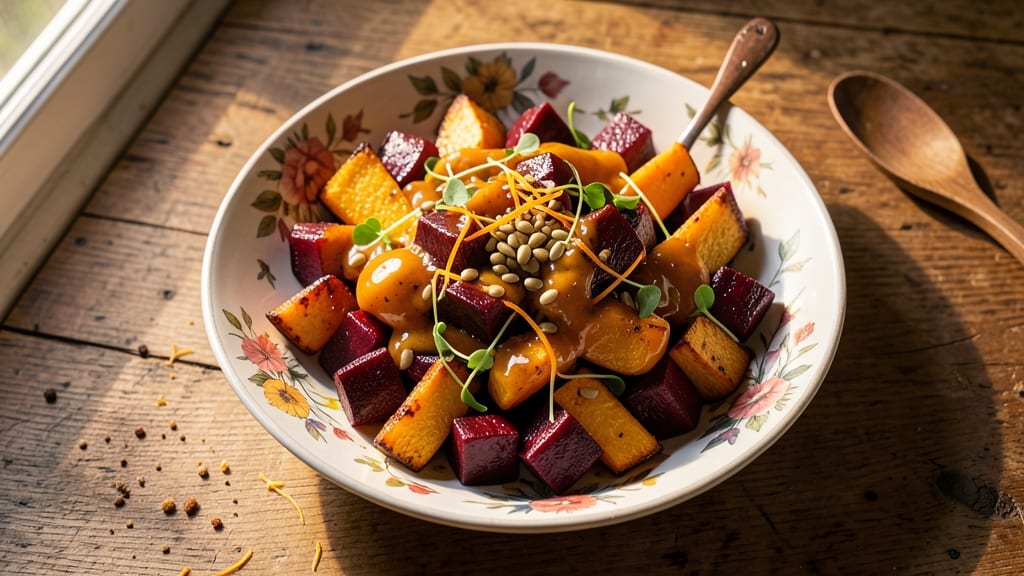
This butternut and beetroot salad transforms humble vegetables into a showstopping side dish with crispy roasted edges and a perfect balance of earthy sweetness. The secret lies in roasting the vegetables until they develop caramelized depth and satisfying texture, while a bright citrus vinaigrette ties everything together.
I developed this recipe during a particularly chilly autumn when I wanted something hearty yet light—it became an instant favorite for holiday meals and everyday lunches alike.
The beauty of this salad is in its simplicity: just four core ingredients come together to create a dish that feels both rustic and refined. Butternut squash and beets roast until tender with crispy edges, their natural sweetness intensified by the caramelization process.
A zesty orange vinaigrette cuts through the richness while adding a refreshing contrast that keeps every bite interesting. The result is a salad that's substantial enough to serve as a main course but elegant enough for special occasions.
What makes this recipe truly special is how the textures and flavors play off each other. The crispy roasted vegetables provide satisfying contrast to the creamy vinaigrette, while the earthy beets and sweet squash create a harmonious balance.
The colors alone make this salad visually stunning—deep ruby beets alongside golden butternut squash create a striking presentation that's as beautiful as it is delicious. This is the kind of dish that proves healthy eating can be both nourishing and indulgent.
Perfect for holiday gatherings, potlucks, or as a sophisticated side for grilled meats, this salad comes together in under an hour with minimal effort. The roasting process can be done ahead of time, making it ideal for meal prep.
Once assembled, it keeps well in the refrigerator for up to three days, allowing the flavors to meld even further. Here's how to create this showstopping salad that will have everyone asking for the recipe.
Ingredients for butternut and beetroot salad
Four core ingredients transform autumn's harvest into a visually stunning, texture-rich salad.
| Ingredient | Amount | Notes |
|---|---|---|
| Medium Butternut Squash 🎃 | 1 whole | Peeled, cubed into 1-inch pieces |
| Medium Beets 🍠 | 2 whole | Peeled, cubed into 1-inch pieces |
| Extra-Virgin Olive Oil 🫒 | ½ cup | For roasting, high quality preferred |
| Orange Juice 🍊 | ¼ cup | Freshly squeezed, no pulp |
| Apple Cider Vinegar 🍶 | 2 tbsp | For tangy brightness |
| Maple Syrup 🍁 | 1 tbsp | Pure grade B for depth |
| Sea Salt 🧂 | ½ tsp | Fine grain, Diamond Crystal preferred |
| Freshly Ground Black Pepper 🌶️ | ¼ tsp | Freshly cracked for intensity |
| Fresh Thyme Leaves 🌿 | ¼ cup | Finely chopped, stems removed |
| Toasted Walnuts 🥜 | ¼ cup | Lightly toasted, chopped |
The butternut squash and beets are the stars here—organic produce from Whole Foods or your local farmers market yields the sweetest flavor. Look for beets with deep ruby color and squash with firm, unblemished skin. The key to those crispy edges lies in proper roasting: cut evenly sized pieces so they cook uniformly. For extra caramelization, toss the cubed vegetables with extra-virgin olive oil and a pinch of salt before roasting at 400°F until tender with crispy edges—about 25-30 minutes. Don't skip the thyme; it adds an earthy depth that complements both vegetables perfectly.
No fresh thyme? Dried thyme at one-third the amount works in a pinch, though fresh is ideal. Substituting walnuts? Toasted pecans or almonds provide a similar crunch, though walnuts' mild sweetness pairs best. For the vinaigrette, balsamic vinegar can replace apple cider vinegar if preferred, though the citrus notes from orange juice are essential for that refreshing contrast. If you're short on time, pre-cut frozen beets (thawed and drained) work beautifully—just add 5-10 minutes to the roasting time. The maple syrup adds subtle sweetness without overpowering; if you prefer less sweetness, reduce to 1 teaspoon and add 1 teaspoon of Dijon mustard for extra tang.
Roasted vegetables keep their best texture and flavor for 4-5 days in the fridge when stored in an airtight container. The vinaigrette should be made fresh day-of for optimal brightness, though it can be prepped ahead and stored separately for up to 3 days. For meal prep, roast the vegetables and store them in the fridge; toss with the vinaigrette just before serving to maintain crispness. The salad reheats beautifully—simply warm the roasted vegetables in a 350°F oven for 10 minutes before reassembling. Portion into individual containers for easy grab-and-go lunches, though the flavors meld even better when served fresh from the fridge.
Why You'll Love This Recipe
- I swear by this trick: toss the squash and beets on a sheet pan, roast them at 400°F for 30 minutes, and walk away. No peeling required—just scrub, chop, and let the oven do the work while you make dinner or answer emails. The caramelized edges? Worth the zero effort.
- Roast While You Breathe: I swear by this trick: toss the squash and beets on a sheet pan, roast them at 400°F for 30 minutes, and walk away. No peeling required—just scrub, chop, and let the oven do the work while you make dinner or answer emails. The caramelized edges? Worth the zero effort.
- Sweet-Tart Magic: That orange juice and apple cider vinegar dressing is where it gets good—bright, tangy, and just sweet enough to make the earthy squash and deep beets sing. Honestly, I’ll take this over a fancy vinaigrette any day. The acidity cuts through the richness, and suddenly, it’s a salad you’ll eat with actual joy.
- Meals for Days: I make a big batch on Sundays and eat it for lunch all week—straight up, tossed with goat cheese, or even over grain bowls. The roasted veggies keep for five days in the fridge, and the dressing stays fresh if you store it separately. (Yes, even on a Tuesday night.)
Step-by-step instructions for roasted butternut and beetroot salad
Master this technique and you'll achieve perfectly crispy roasted vegetables with balanced, vibrant flavors.
Roast the Vegetables Until Crispy
Preheat your oven to 400°F and line two large baking sheets with parchment paper. Arrange the 1 whole medium butternut squash and 2 whole medium beets (both cut into 1-inch cubes) in a single layer, leaving space between each piece. This ensures even cooking and maximum crispiness.
Drizzle the vegetables with 0.25 cup of the extra-virgin olive oil and toss gently to coat evenly. Spread them out again, making sure no pieces overlap. Sprinkle with 0.25 teaspoon of the freshly ground black pepper and 0.25 teaspoon of the sea salt, focusing on the cut sides where the most flavor absorption occurs.
Roast for 25-30 minutes, flipping halfway through, until the edges are deep golden brown and the vegetables pierce easily with a knife. The butternut squash should develop caramelized edges while maintaining a tender interior. Remove from oven and let cool slightly for 5 minutes before assembling the salad.
Prepare the Dressing Components
While the vegetables roast, combine 0.25 cup of orange juice, 2 tablespoons of apple cider vinegar, 1 tablespoon of maple syrup, and the remaining 0.25 cup of extra-virgin olive oil in a small bowl. Whisk vigorously until fully emulsified and the mixture lightens in color.
Add the 0.25 cup of finely chopped fresh thyme leaves and give one final stir. The thyme will infuse the dressing with its earthy aroma while adding subtle floral notes. Taste and adjust seasoning with additional salt or pepper if needed. This dressing should balance the sweetness of the roasted vegetables with bright acidity and herbal complexity.
Let the dressing sit at room temperature for 5 minutes before using. This brief rest allows the flavors to meld and the dressing to reach its optimal consistency for tossing with the salad.
Assemble the Salad with Crispy Texture
Transfer the cooled roasted vegetables to a large serving bowl. Add the 0.25 cup of toasted walnuts, tossing gently to distribute them evenly throughout the salad. The walnuts provide a satisfying crunch that contrasts beautifully with the tender roasted vegetables.
Drizzle the dressing over the salad in a slow, steady stream while gently tossing with tongs. This gradual approach ensures even distribution without over-mixing, which could break down the crispy edges of the roasted vegetables. You should use all of the dressing, but feel free to adjust the ratio slightly based on your preference for moisture level.
Taste immediately after tossing. The salad should deliver a harmonious blend of sweet roasted vegetables, tangy dressing, and nutty crunch. The crispy edges from roasting should still be perceptible, proving that your technique worked. Serve at room temperature for the best texture and flavor experience.
Pro Tips For Making Butternut And Beetroot Salad
- ROAST UNTIL TENDER: Cut the butternut squash into even 1-inch cubes—no need for perfect shapes—and roast at 400°F (200°C) for 25 minutes. The skin will crisp slightly, and the flesh will pull apart easily when pierced with a fork. I learned this the hard way: undercooked squash turns mushy, and overcooked squash turns to paste. Aim for that sweet, fork-tender spot.
- PEEL BEETS COLD: Fresh beets take forever to peel when hot. Roast them whole with their skins on, let them cool completely in the pan, then slip off the skins under running water—no knife required. The skins slide right off when cool, and you’ll save time (and frustration) from peeling them raw.
- DRESS SALAD LAST: Mix the orange juice and vinegar first, but toss it with the warm squash and beets only when ready to serve. The acid in the dressing will soften the squash edges faster if added too early, turning your crisp salad into a sad, soggy mess. Keep the dressing separate until the final moment.
- UPGRADE WITH ZEST: Skip the plain orange juice and zest one strip of orange peel into the dressing before adding vinegar. The bright, aromatic oils will cut through the earthy sweetness of the squash and beets, adding depth without overpowering. It’s a tiny effort for a noticeable lift—trust me, it matters.
Perfect pairings for these flavors
Protein Pairings
This salad's earthy sweetness complements hearty proteins beautifully. I love serving it alongside grilled chicken breast or pan-seared salmon—the crispy edges of the roasted vegetables contrast perfectly with the tender protein. For a vegetarian option, crispy tofu cubes tossed in a smoky paprika marinade add satisfying texture. 🍗
For a complete autumnal meal, pair with roasted turkey breast or herb-crusted pork tenderloin. The salad's bright citrus dressing cuts through the richness of the meat while adding freshness. I often double the recipe when hosting Thanksgiving dinners—it's always the first dish to disappear!
Cheese Complements
Add a sprinkle of aged cheddar crumbles or crumbled goat cheese for extra depth. The tangy cheese balances the sweetness of the roasted vegetables while adding a creamy contrast. For a vegan option, use nutritional yeast or cashew cheese—both add a nutty, umami richness. 🧀
For a more decadent touch, top with shaved parmesan just before serving. The salty, nutty flavor enhances the earthy notes of the beets and butternut squash. I also love adding blue cheese crumbles for a bold, tangy twist that pairs wonderfully with the walnuts.
Bread Pairings
A warm crusty baguette or sourdough loaf is perfect for soaking up any extra dressing. Toast the bread lightly and rub it with a garlic clove for added flavor. The crispy texture contrasts nicely with the salad's tender roasted vegetables. 🥖
For a heartier option, serve with rosemary focaccia or herb-infused flatbread. The bread's savory notes complement the salad's sweetness, creating a balanced bite. I often make a batch of focaccia ahead of time and keep it at room temperature until ready to serve.
Seasonal Beverages
Pair this salad with sparkling apple cider or dry sparkling wine to cleanse your palate between bites. The effervescence enhances the salad's bright citrus notes. For a non-alcoholic option, try iced hibiscus tea or ginger beer—both add a refreshing zing. 🍎
In colder months, a warm spiced chai latte or mulled wine makes the perfect companion. The warmth contrasts with the salad's cool, crispy textures, creating a satisfying balance. I love serving this pairing during holiday gatherings—it's always a crowd-pleaser!
Nutrition facts
Frequently asked questions
Can I use sweet potatoes instead of butternut squash?
Yes, you can substitute sweet potatoes for butternut squash in a 1:1 ratio. They'll provide a similar sweetness and texture, though the flavor will be slightly different. For best results, choose orange-fleshed sweet potatoes and roast them for 20-25 minutes at 400°F until tender with crispy edges.
How do I make this salad ahead of time?
Roast the vegetables and store them separately in an airtight container for up to 4-5 days. Prepare the dressing fresh day-of and toss with the roasted veggies just before serving. This keeps the crispy texture intact while allowing flavors to meld. For meal prep, store components separately and assemble when ready to eat.
What if my roasted vegetables aren't crispy enough?
For extra crispiness, try roasting the vegetables at 425°F instead of 400°F and reduce the time to 20-25 minutes. Spread them in a single layer on the baking sheet and avoid overcrowding. Another trick is to broil for 2-3 minutes at the end of roasting—watch closely to prevent burning.
Can I make this salad without nuts?
Skip the walnuts or substitute with toasted pumpkin seeds or sunflower seeds for a nut-free option. These seeds provide a similar crunch and can be toasted in a dry pan for 2-3 minutes until golden. They add a subtle earthy flavor that complements the roasted vegetables beautifully.
Is this salad suitable for meal prep?
Yes, it's perfect for meal prep! Roast the vegetables and store them in the fridge for up to 5 days. Keep the dressing separate until ready to eat. When assembling, gently toss the vegetables with the dressing to maintain that satisfying crispy texture. This makes it an excellent option for healthy lunches all week long.