
Sauces & Condiments
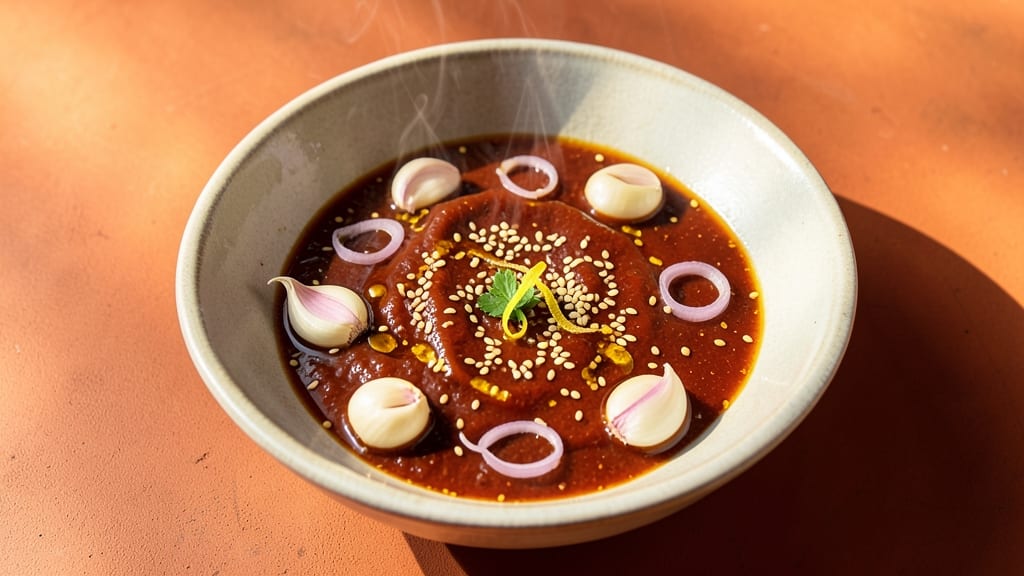
This Burmese salad dressing recipe transforms simple greens into a vibrant, tangy masterpiece that balances sweet, sour, and nutty flavors. The secret lies in tamarind paste and toasted sesame oil, which create a complex, aromatic base that clings perfectly to lettuce or grilled meats.
I developed this version after years of experimenting with traditional Burmese hin salad dressings, ensuring every spoonful delivers that signature zing without overpowering the dish.
The dressing begins with a smooth tamarind paste dissolved in warm water, creating a silky foundation that's both tart and slightly sweet. Toasted sesame oil adds depth and a subtle crunch, while garlic, shallots, and a touch of fish sauce deepen the umami profile.
The final touch? A splash of lime juice to brighten the flavors and balance the richness. This recipe yields about 1 cup of dressing, perfect for 4-6 servings of salad or marinade.
What sets this dressing apart is its versatility—it elevates fresh lettuce salads, pairs beautifully with grilled chicken or fish, and even works as a marinade for tofu or vegetables. The texture is silky yet clings well, ensuring every bite is infused with that signature Burmese tang.
Store any leftovers in an airtight container in the refrigerator for up to 5 days, though it’s best used fresh for maximum flavor.
For an extra layer of authenticity, consider adding a pinch of ground turmeric or a sprinkle of crushed peanuts to the finished dressing. This recipe is a testament to how a few simple ingredients can create a dressing that’s both restaurant-quality and effortlessly homemade. Let’s make it!
Ingredients for burmese salad dressing
Nine simple ingredients create a complex, restaurant-quality dressing that transforms any salad.
| Ingredient | Amount | Notes |
|---|---|---|
| Tamarind Paste 🍯 | ½ cup | Unsweetened for authentic tang |
| Warm Water 💧 | ½ cup | Dissolve tamarind completely |
| Toasted Sesame Oil 🫒 | ¼ cup | Lightly toasted for nutty depth |
| Garlic Cloves 🧄 | 3 cloves | Minced for aromatic punch |
| Shallots 🧅 | ¼ cup | Finely minced, not chopped |
| Fish Sauce 🐟 | 1 tbsp | Red Boat preferred for quality |
| Lime Juice 🍋 | ¼ cup | Freshly squeezed for brightness |
| Sugar 🍚 | 1 tbsp | Balances tamarind tartness |
| Ground Turmeric 🌿 | ¼ tsp | Optional for golden hue |
| Salt 🧂 | ½ tsp | Kosher or sea salt |
Tamarind paste is the heart of this dressing—look for blocks or unsweetened paste in Asian markets or specialty stores. Red Boat fish sauce is worth the investment for that authentic umami kick, though Red Boat Red works too. Toast the sesame oil gently in a dry pan until fragrant (about 2 minutes)—this adds depth that store-bought oil can't match. For garlic and shallots, mincing by hand gives better texture than chopping. I always double-check my tamarind paste for grit; strain it if needed for a silky finish.
No tamarind paste? Substitute 1 tbsp lime juice plus 1 tsp honey, though the flavor won't be identical. Short on fish sauce? Soy sauce at half the amount works in a pinch, but you'll lose some complexity. The sugar can be swapped for maple syrup or agave if you prefer. For extra nutty flavor, add 1 tbsp crushed peanuts to the finished dressing. Store-bought toasted sesame oil is fine, but toasting your own makes a noticeable difference—just don't burn it!
This dressing keeps beautifully in an airtight jar for 5 days in the fridge, though it's best used within 3 days for peak freshness. The lime juice will separate—just give it a quick stir before using. For extra authenticity, serve with crushed peanuts or fried shallots on top. The dressing thickens as it chills, so thin with a splash of water if needed. I always make a double batch—it disappears fast!
Why You'll Love This Recipe
- Five-Ingredient Magic: I swear by this—just tamarind paste, warm water, garlic, shallots, and a drizzle of toasted sesame oil. No fancy gadgets, no last-minute grocery runs, and honestly, if you’ve got a knife and a bowl, you’re golden.
- Tangy-Savory Balance: That first bite? The tamarind’s sharp sweetness cuts through the garlic’s bite while the sesame oil adds this nutty, toasty warmth. It’s the kind of dressing that makes you pause mid-bite—like a flavor revelation.
- Dresses Everything: Slather it on grilled fish, toss it with greens, or drizzle it over noodles. I’ve even used it as a marinade for tofu. Between us, it’s my go-to for quick lunches or lazy dinners when I don’t want to overthink it.
- Makes Leftovers Shine: A small batch keeps in the fridge for days, and it only gets better. The flavors meld like old friends, turning yesterday’s sad salad into today’s star. Plus, it’s dirt cheap—tamarind paste lasts forever, and garlic/shallots are pantry staples.
Step-by-step instructions for Burmese salad dressing
This dressing delivers the perfect balance of tangy, sweet, and umami—essential for authentic Burmese flavors.
Dissolve the Tamarind Paste
In a medium bowl, combine the 0.5 cup tamarind paste with the 0.5 cup warm water. Use a whisk to stir vigorously for 2-3 minutes until the mixture becomes smooth and lump-free. The tamarind paste has a strong, concentrated flavor, so complete dissolution is key to achieving an even texture in the final dressing.
If you encounter any stubborn lumps, strain the mixture through a fine-mesh sieve to ensure a silky consistency. This step is critical—undissolved tamarind will create a grainy dressing that disrupts the smooth balance of flavors. Set the dissolved tamarind mixture aside for now.
Toast and Infuse the Aromatics
In a small dry skillet over medium-low heat, add the 3 cloves garlic cloves and 0.25 cup finely minced shallots. Toast them for 2-3 minutes, stirring constantly, until they become fragrant and just begin to turn golden. This step deepens their flavor and removes any raw bite.
Immediately transfer the toasted garlic and shallots to a mortar and pestle (or small bowl) and mash them into a rough paste. This process releases their oils and intensifies their aroma. In a separate small bowl, lightly toast the 0.25 cup toasted sesame oil in the same dry skillet for 30 seconds—just until it smells nutty and warm. Remove from heat and let it cool slightly.
Combine Wet and Dry Ingredients
Return the dissolved tamarind mixture to the bowl and add the mashed garlic-shallot paste, 1 tbsp fish sauce, 0.25 cup freshly squeezed lime juice, 1 tbsp sugar, 0.25 tsp ground turmeric, and 0.5 tsp salt. Whisk vigorously for 1-2 minutes until all ingredients are fully incorporated and the sugar has dissolved completely.
Taste the mixture and adjust the balance—add a touch more lime juice if it’s too sweet, or a splash of warm water if it’s too thick. The dressing should coat the back of a spoon but still flow smoothly. The turmeric adds a subtle golden hue and earthy depth, while the fish sauce brings umami richness.
Finish with Toasted Sesame Oil
Slowly drizzle in the 0.25 cup toasted sesame oil while whisking continuously. The oil should emulsify into the dressing, creating a glossy, velvety texture. If the mixture separates, whisk in 1 teaspoon of warm water at a time until it recombines smoothly.
Let the dressing rest for 10 minutes at room temperature. This allows the flavors to meld fully and the texture to stabilize. Before using, give it one final taste and adjust seasoning if needed—perhaps a pinch more salt or a squeeze of lime juice for brightness. This dressing is now ready to elevate any Burmese salad or noodle dish.
Pro Tips For Making Burmese Salad Dressing
- Bloom the Tamarind: Mix the tamarind paste with warm water first—hot enough to steam slightly—then let it sit for 3-5 minutes. I learned this the hard way: dry, clumpy paste ruins the dressing. The warmth unlocks the tang, and you’ll end up with a smooth, vibrant base every time.
- Toast the Aromatics: Fry the minced garlic and shallots in sesame oil until they’re just golden—about 2 minutes. Push them to the edges of the pan and let them cool for 30 seconds before mixing into the dressing. This prevents a bitter, burnt edge that kills the flavor.
- Strain the Garlic: After toasting, press the garlic and shallots through a fine-mesh sieve or cheesecloth. Yes, it’s extra work, but you’ll avoid grittiness that makes the dressing feel like you’re chewing. Trust me, your mouth will notice.
- Use Cold Water for Oil: Chill the toasted sesame oil in the fridge for 10 minutes before adding it to the warm tamarind mixture. The temperature contrast balances the heat, so the dressing doesn’t taste like it was poured over a flame. (Your future self will thank you.)
Storing and reheating your burmese salad dressing
Fridge Storage Tips
Store your Burmese salad dressing in an airtight glass jar or container—I recommend mason jars for easy pouring. Keep it refrigerated at 40°F or below for up to 5 days, though the flavors peak within 3 days.
The lime juice may separate slightly, so give it a quick stir before using. For extra freshness, press plastic wrap directly onto the surface to minimize air exposure. 🥫
Freezing for Later
This dressing isn’t ideal for long-term freezing due to texture changes, but you can freeze it for up to 1 month if needed. Portion it into ice cube trays or small silicone molds, then transfer cubes to a freezer bag.
Thaw in the fridge overnight and stir well—add a splash of warm water if it thickens too much. The toasted sesame oil may solidify slightly but will re-emulsify when stirred. ❄️
Reheating and Reusing
If your dressing thickens after refrigeration, thin it with 1-2 teaspoons of warm water while whisking. For a quick refresh, add ½ teaspoon of freshly squeezed lime juice to brighten flavors.
I’ve even used leftover dressing as a marinade for tofu or grilled chicken—just toss with protein and let sit for 15-20 minutes before cooking. The flavors deepen beautifully when used this way. 🍗
Preserving Freshness
Avoid metal spoons when storing—acidic ingredients like tamarind and lime can react with metal, altering the flavor. Use plastic or silicone spoons instead. For extra shelf life, add a pinch of salt before storing, as it helps preserve the dressing’s integrity.
I always label my jars with the date to track freshness—this dressing is worth using up quickly! 🗓️
Reviving Stale Dressing
If your dressing tastes dull after a few days, revive it with ½ teaspoon of toasted sesame oil and a squeeze of lime juice. For a smoky twist, add a crushed red pepper flake or a dash of chili powder to reignite the heat.
The key is balancing the tamarind’s tang with fresh acidity—this trick works like magic for tired flavors. 🌶️
Nutrition facts
Frequently asked questions
What makes this Burmese salad dressing different from other Asian dressings?
This dressing stands out because of its unique tamarind base, which gives it that signature tangy-sweet profile found in traditional Burmese cuisine. Unlike many Asian dressings that rely on soy sauce or vinegar, this one uses toasted sesame oil and fish sauce for a deeper umami richness. The combination of garlic, shallots, and lime creates a complex flavor that's both vibrant and balanced.
Can I substitute tamarind paste if I can't find it?
Yes! For a quick substitute, mix 1 tbsp lime juice with 1 tsp honey to mimic tamarind's tartness and slight sweetness. However, the flavor won't be identical—tamarind has a unique depth that's hard to replicate. If you're feeling adventurous, try fermented black beans (like those used in Chinese cooking) for a different but still authentic Asian tang.
How should I adjust this dressing for spicier or milder flavors?
For extra heat, add ½ tsp chili flakes or 1 tsp sambal oelek while whisking. For milder heat, reduce the fish sauce to ½ tbsp and add ¼ tsp more sugar to balance. Remember, you can always adjust the seasoning after the dressing rests—taste as you go! The lime juice and tamarind work together to create a natural sweet-spicy balance.
What are the best vegetables to use with this dressing?
This dressing pairs beautifully with crisp greens like butter lettuce or cabbage, but it also works wonderfully with shredded carrots, cucumbers, and bean sprouts. For a more traditional Burmese salad (hin), try using thinly sliced radishes, tomatoes, and herbs like cilantro or Thai basil. The dressing's tangy-sweet profile complements both raw and lightly cooked vegetables equally well.
Can I make this dressing without fish sauce?
Yes, but you'll lose some depth. Replace the fish sauce with ½ tbsp soy sauce plus ½ tbsp rice vinegar for a vegetarian version. For a vegan option, use 1 tbsp coconut aminos instead. The dressing will still be delicious, though it won't have the same umami richness. The tamarind and lime will still provide that essential tangy brightness.