
Desserts
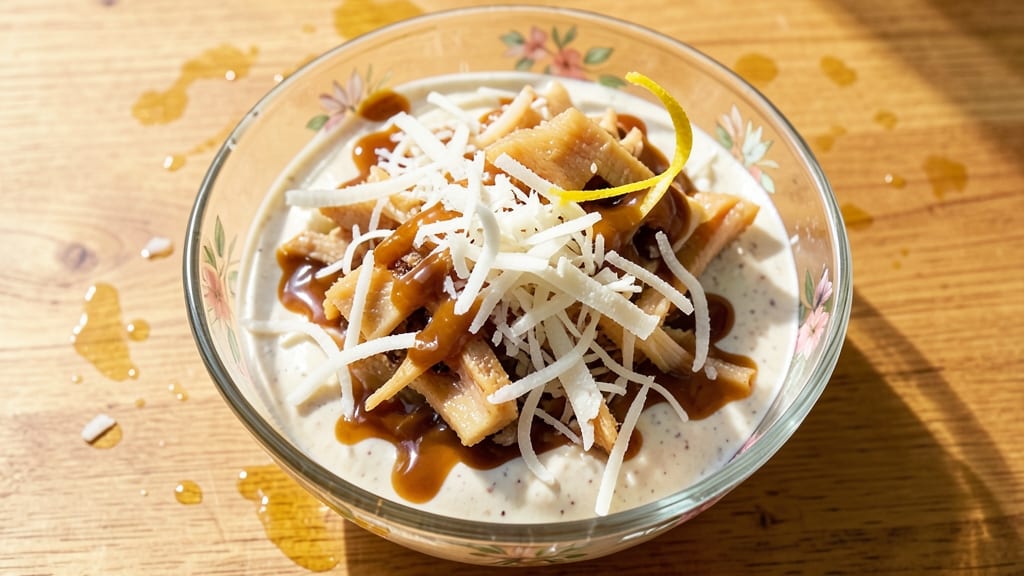
This buko salad ice cream recipe transforms a beloved Filipino dessert into a dreamy, creamy frozen treat that balances tropical flavors with satisfying texture contrasts. The secret lies in layering shaved coconut's chewy crunch with velvety ice cream, creating every bite like a cool, refreshing hug.
I developed this after craving buko salad's nostalgic sweetness but wanting something more indulgent for summer days.
The magic happens in two parts: first preparing the traditional buko salad with fresh coconut, young jackfruit, and sweetened condensed milk, then blending it into a smooth ice cream base. Using high-quality coconut milk and nata de coco ensures that signature chewy texture remains intact even when frozen.
The key technique is freezing the mixture in stages to maintain both creaminess and crunch.
What you'll end up with is a dessert that's equal parts nostalgic and innovative—creamy vanilla ice cream swirled with shards of coconut and jackfruit that stay delightfully chewy.
The temperature contrast between the frozen base and room-temperature toppings (like toasted coconut or fresh mango) makes each spoonful feel like a tropical escape. Perfect for hot days or special occasions when you want to impress with a dessert that's both familiar and exciting.
This recipe scales beautifully for gatherings, and the components can be prepped ahead, making it ideal for busy hosts. The result is a dessert that delivers restaurant-quality texture and flavor without requiring advanced techniques. Let's create this tropical masterpiece that will have everyone asking for seconds.
Ingredients for buko salad ice cream
Six servings of tropical perfection—where creamy ice cream meets chewy coconut and jackfruit magic.
| Ingredient | Amount | Notes |
|---|---|---|
| Fresh Young Jackfruit 🥭 | 1 ½ lbs | Canned in water, drained and rinsed |
| Shredded Coconut 🥥 | 2 cups | Sweetened, unsweetened works too |
| Nata De Coco 🍃 | 1 package | 14-oz size, drained well |
| Sweetened Condensed Milk 🥛 | 1 can | 14-oz size, full-fat preferred |
| Full-Fat Coconut Milk 🥥 | 1 can | 13.5-oz size, refrigerated after opening |
| Vanilla Bean Ice Cream Base 🍦 | 4 cups | Homemade or high-quality store-bought |
| Granulated Sugar 🍚 | ½ cup | Adjust to taste, fine grain preferred |
| Lemon Juice 🍋 | 2 tbsp | Freshly squeezed, for brightness |
| Toasted Coconut Flakes 🥥 | ¼ cup | For garnish, lightly toasted |
| Fresh Mango Chunks 🥭 | 1 cup | For topping, ripe and diced |
| Light Corn Syrup 🍯 | 2 tbsp | For texture stability |
| Sea Salt 🧂 | ¼ tsp | Fine grain, for balancing sweetness |
| Pure Vanilla Extract 🌿 | 1 tsp | For enhanced vanilla flavor |
| Xanthan Gum 🧪 | ¼ tsp | For creaminess, optional but recommended |
The nata de coco and young jackfruit are non-negotiable for that signature buko salad texture. Filipino markets or Asian grocery stores carry the best quality—look for nata de coco that's firm and plump, not mushy. Young jackfruit should be bright yellow and tender when canned; Filipino Food Store or H Mart often stock the best brands. For the coconut milk, full-fat canned varieties like Thai Kitchen deliver the richest flavor. Toast your own coconut flakes for garnish—5 minutes at 350°F until golden—for maximum aroma.
No nata de coco? Silken tofu cubes mimic the chewiness, though texture won't be identical. Substitute jackfruit with diced pineapple or mango for a similar sweetness, but the tropical crunch will differ. Running low on condensed milk? Mix equal parts evaporated milk and sugar, though the texture will be slightly lighter. For the ice cream base, homemade vanilla bean ice cream elevates this dessert, but high-end store-bought brands like Häagen-Dazs work beautifully too. The xanthan gum is crucial—it prevents iciness during freezing, but if unavailable, 1 tbsp cornstarch can substitute.
Prep the buko salad mixture 24 hours ahead—the flavors meld beautifully overnight. Store the unfrozen mixture in an airtight container in the fridge for up to 3 days. For freezing, use a shallow metal pan to chill the ice cream base 4 hours in the freezer before churning. Once served, keep the ice cream at 0°F or below for optimal texture. Garnishes like toasted coconut and mango stay fresh for 3 days refrigerated, so prep extras for easy serving.
Why You'll Love This Recipe
- No Chopping Needed: I swear by this—just scoop the jackfruit, tear the nata de coco, and fold. No knives, no stress, just layers of chewy, creamy magic in minutes. Between us, that’s my kind of dessert.
- Chewy-Creamy Obsession: That first bite? The jackfruit’s mild sweetness soaks up the condensed milk while the nata de coco adds that jelly-like snap. Honestly, it’s the kind of texture combo that makes you forget it’s “just” ice cream.
- Party in a Bowl: Serve it in a big glass for potlucks, scoop it into cups for kids’ birthdays, or pack it in jars for office treats. I’ve brought this to everything from BBQs to lazy Sundays, and it’s always the hit.
- Leftovers? Better Than Ever: This stuff actually improves overnight—the flavors meld, the coconut gets even creamier. I’ll be real: I’ve eaten cold leftovers straight from the fridge at midnight, and it’s still spot-on. (Don’t judge.)
Step-by-step instructions for buko salad ice cream
This tropical dessert combines creamy texture with satisfying crunch—here's how to assemble it perfectly.
Prepare the Jackfruit and Nata de Coco
Drain and rinse the 1.5 lbs fresh young jackfruit thoroughly under cold water, then pat completely dry with paper towels. Using a fork, shred the jackfruit into small, pea-sized pieces—this mimics the traditional buko salad texture. Set aside in a medium bowl.
Open the 1 package nata de coco and drain it completely, pressing gently between paper towels to remove excess water. Cut the nata de coco into ½-inch cubes and add them to the jackfruit bowl. This step ensures the nata de coco maintains its signature jelly-like texture rather than dissolving into the mixture.
Create the Cream Base
In a large mixing bowl, combine the 4 cups vanilla bean ice cream base, 1 can sweetened condensed milk, and 1 can full-fat coconut milk. Whisk until fully blended, then add the 0.5 cup granulated sugar, 2 tbsp lemon juice, 2 tbsp light corn syrup, 0.25 tsp sea salt, and 1 tsp pure vanilla extract. Mix thoroughly to dissolve all solids.
For extra creaminess, sprinkle the 0.25 tsp xanthan gum over the mixture and whisk vigorously for 30 seconds until completely dissolved. This stabilizer prevents iciness during freezing while maintaining a smooth, velvety texture. The mixture should be thick but pourable—if it's too stiff, add 1-2 tablespoons of cold water to adjust consistency.
Combine and Chill the Mixture
Gently fold the prepared jackfruit and nata de coco cubes into the cream base using a spatula, being careful not to break the nata de coco. The mixture should coat the ingredients evenly while maintaining their distinct textures. Transfer the entire mixture to a 9x13-inch baking dish or similar shallow container.
Smooth the top with a spatula and cover tightly with plastic wrap. Refrigerate for at least 4 hours or until completely chilled. This step is crucial—it allows the flavors to meld and the nata de coco to fully absorb the cream base, resulting in a harmonious texture when served.
Freeze and Serve
Remove the baking dish from the refrigerator and place it in the freezer. Freeze for 6-8 hours or until the mixture is completely solid. For best results, use an ice cream scoop to portion the frozen dessert into bowls or cones.
Garnish each serving with 1 cup fresh mango chunks and 0.25 cup toasted coconut flakes just before serving. The contrast of warm toasted coconut against the icy dessert creates a delightful sensory experience. Serve immediately for the perfect balance of creamy, crunchy, and tropical flavors.
Pro Tips For Making Buko Salad Ice Cream
- Chill the Jackfruit First: Toss your young jackfruit chunks in ice water for 10 minutes before mixing—this prevents the fruit from releasing too much liquid and turning your ice cream into a watery mess. I learned this the hard way when my first batch ended up like a sad, runny smoothie.
- Toast the Coconut: Lightly dry-toast your shredded coconut in a pan for 2-3 minutes until fragrant—this adds depth and prevents it from turning mushy in the mix. Skip this, and you’ll just get soggy coconut flakes instead of that perfect crunch.
- Soak Nata De Coco: Drain and pat dry your nata de coco, then give it a quick 30-second soak in cold water before adding it to the mix—this keeps it chewy instead of turning into a gluey blob. (Yes, I’ve seen it happen.)
- Mix in Stages: Fold in the condensed milk and coconut milk last, right before freezing, to keep the texture creamy—not clumpy. I used to dump everything in at once and ended up with a grainy, uneven texture. Stir gently, like you’re tucking in a picky kid.
Troubleshooting this dish
Texture Issues
If your ice cream turns out too icy or grainy, it’s likely because the mixture wasn’t properly stabilized. The xanthan gum is your secret weapon—ensure it’s fully dissolved in the cream base before adding the jackfruit and nata de coco.
If you skipped it, whisk in 1 tbsp cornstarch with 2 tbsp cold water to replace it. Also, avoid over-churning if using an ice cream maker—freeze the mixture in a shallow tray first for 4 hours to prevent large ice crystals from forming. 🥶
Nata De Coco Problems
Mushy nata de coco? This usually happens when it’s not drained well or soaked in liquid too long. Always press it between paper towels to remove excess moisture, then cut into ½-inch cubes right before mixing.
If your nata de coco dissolves during freezing, try soaking it in cold coconut milk for just 5 minutes before adding it to the mixture—this helps it hold its shape better. For extra insurance, add the cubes last when folding into the cream base. 🍃
Flavor Imbalance
The sweetness of condensed milk can sometimes overpower the tropical notes. If your dessert tastes too cloying, balance it with 1 extra tbsp lemon juice or ½ tsp sea salt—these brighten the flavors.
For a more authentic buko taste, add 1 tsp ube halaya (purple yam jam) to the cream base. If the coconut flavor feels weak, use 1 extra can of full-fat coconut milk in the mixture. Taste as you go—adjustments are easier before freezing! 🍋
Freezing Time Troubles
If your ice cream isn’t firm enough after 6-8 hours, it likely didn’t freeze long enough. Use a digital thermometer to check the internal temperature—it should reach 0°F before serving.
For faster freezing, spread the mixture in a shallow metal pan (like a half-sheet tray) and freeze uncovered for 2 hours before covering. If it’s too hard to scoop, let it sit at room temperature for 5-10 minutes to soften slightly. 🕒
Garnish Mishaps
Toasted coconut flakes losing their crunch? Toast them fresh 5 minutes at 350°F right before serving—store-bought flakes often get soggy too quickly. For mango chunks, use ripe but firm fruit and pat dry with a paper towel to prevent excess moisture.
If your garnishes stick to the ice cream, chill them separately for 10 minutes before adding. Pro tip: Sprinkle 1 tsp powdered sugar over the toasted coconut to keep it crisp longer. 🥥
Nutrition facts
Frequently asked questions
Can I make this without an ice cream maker?
For a creamy texture without a machine, spread the mixture in a shallow metal pan and freeze it uncovered for 2 hours, stirring with a fork every 30 minutes. Then cover and freeze for another 4-6 hours. This prevents large ice crystals while keeping the nata de coco intact. For extra richness, fold in ½ cup whipped cream after freezing to soften the texture.
How do I store leftovers?
Transfer any remaining buko salad ice cream to an airtight container and keep it frozen for up to 1 week. To serve, let it sit at room temperature for 10-15 minutes to soften slightly. For best texture, avoid refreezing thawed portions. Garnishes like toasted coconut and mango should be added fresh when serving to maintain crispness.
What if I can't find nata de coco?
Try these substitutes: silken tofu cubes (for chewiness), diced pineapple (for sweetness), or agar-agar jelly cubes (for texture). For the closest match, soak tofu in coconut milk for 10 minutes before adding. The flavor won't be identical, but it'll still deliver that tropical crunch.
Can I make this dairy-free?
Yes! Replace the vanilla ice cream base with coconut milk ice cream or a dairy-free vanilla bean option. Use coconut condensed milk (available at Asian markets) instead of regular condensed milk, and ensure all other ingredients are dairy-free. The tropical flavors will still shine while keeping it creamy and rich.
Why does my buko salad ice cream turn out too sweet?
The condensed milk is the main culprit! Balance the sweetness by adding 1 extra tbsp lemon juice or ½ tsp sea salt to the cream base. For a more authentic taste, stir in 1 tsp ube halaya (purple yam jam) which adds natural sweetness with earthy depth. Always taste the mixture before freezing to adjust.