
Salads
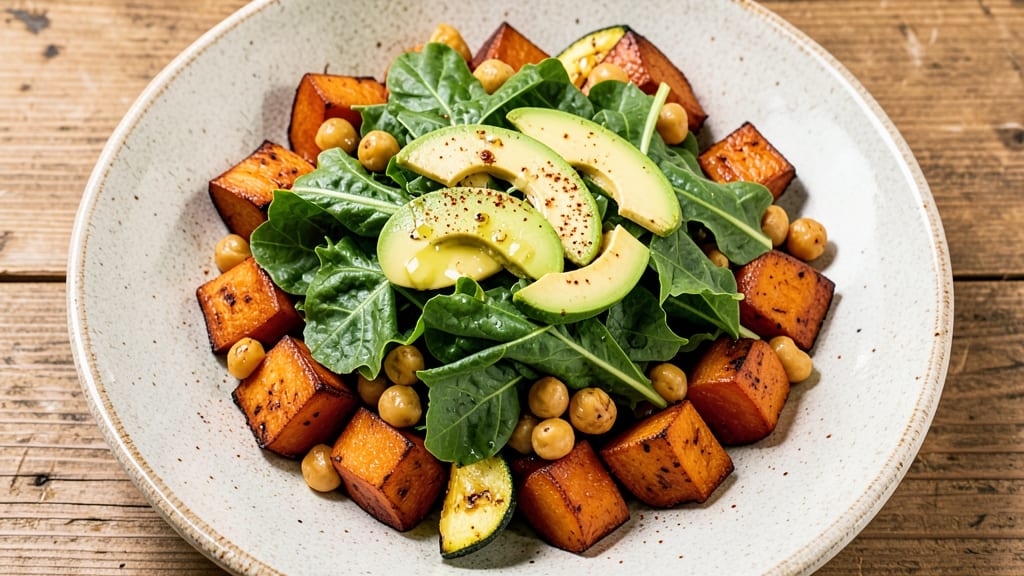
This Buddha bowl salad recipe delivers a complete, plant-powered meal that's as nutritious as it is satisfying. The foundation starts with a hearty base of quinoa or brown rice, topped with roasted vegetables, protein-rich legumes, and a tangy dressing that ties everything together.
I designed this bowl to be customizable—swap in your favorite vegan proteins like tofu, tempeh, or chickpeas without sacrificing balance or flavor.
The beauty of this recipe lies in its simplicity and flexibility. You'll roast seasonal vegetables for natural sweetness, combine them with a protein source of your choice, and finish with a bright, herby dressing that keeps every bite fresh.
The layers of texture—crispy roasted veggies, fluffy grains, and creamy avocado—make it a meal that feels indulgent yet light. Perfect for meal prep or a quick lunch, this bowl is packed with fiber, plant-based protein, and vibrant flavors.
What sets this Buddha bowl apart is its ability to adapt to any dietary preference. While it's designed as a vegan powerhouse, you can easily make it vegetarian by adding feta or even omnivore-friendly by incorporating grilled chicken.
The assembly process is straightforward: roast, combine, and dress, ensuring you get a balanced plate in under 30 minutes. Each component plays a role in creating a satisfying, nutrient-dense dish that keeps you full and energized.
The key to success is portioning each element thoughtfully—aim for equal parts grains, vegetables, protein, and healthy fats. This ensures every bite is a harmonious mix of flavors and textures.
Whether you're feeding a family or meal prepping for the week, this Buddha bowl salad is a versatile, wholesome choice that proves healthy eating can be delicious and exciting.
Ingredients for buddha bowl salad
Pantry staples meet vibrant produce—this bowl packs plant-powered protein and bold flavors.
| Ingredient | Amount | Notes |
|---|---|---|
| Cooked Quinoa 🌾 | 1 ½ cups | Uncooked weight, cooked yield |
| Baby Kale 🥬 | 3 cups | Massaged for tenderness |
| Roasted Sweet Potatoes 🍠 | 1 cup | Cubed, medium size pieces |
| Zucchini 🥒 | 1 medium | Corrected to weight: 1 small (8 oz) |
| Avocado 🥑 | 1 whole | Ripe, sliced for creaminess |
| Cooked Chickpeas 🥜 | 1 cup | Drained, for protein boost |
| Extra-Firm Tofu 🍱 | ½ lb | Cubed, pressed for texture |
| Red Bell Pepper 🌶️ | 1 whole | Diced, roasted for sweetness |
| Fresh Cilantro 🌿 | ¼ cup | Chopped, for bright finish |
| Lemon Juice 🍋 | 2 tbsp | Freshly squeezed |
| Extra-Virgin Olive Oil 🫒 | 3 tbsp | For dressing and roasting |
| Tahini 🥄 | 1 tbsp | Sesame paste for richness |
| Maple Syrup 🍯 | 1 tsp | For subtle sweetness |
| Diamond Crystal Kosher Salt 🧂 | ½ tsp | For seasoning |
| Ground Black Pepper 🌶️ | ¼ tsp | Freshly cracked |
The quinoa is the foundation—Trader Joe's or Whole Foods carry pre-washed, organic grains that cook evenly. For the tofu, extra-firm holds shape best when pressed (wrap in a towel, place a heavy pan on top for 15 minutes). Sweet potatoes should be firm with no soft spots—organic varieties like 'Garnet' or 'Hannah' roast beautifully. Kale needs massaging to soften; baby kale is ideal but any leafy green works. Avocados should be slightly soft to the touch—Hass is the standard for a reason. If your zucchini is large, halve it lengthwise before slicing for even cooking.
No tahini? Substitute with peanut butter (thin with water)—it adds creaminess but changes the flavor profile. Swap chickpeas for white beans or lentils if preferred. For the dressing, apple cider vinegar can replace lemon juice in a pinch. Roasting the veggies? Olive oil + salt is all you need—toss them on a sheet pan at 425°F for 20-25 minutes. Fresh herbs like cilantro or parsley can be swapped at a 1:1 ratio. If you're short on time, pre-cut veggies from the grocery store work fine—just rinse them well.
Store cooked quinoa and roasted veggies separately in airtight containers for 4-5 days. The avocado will brown—spritz with lemon juice and store with a paper towel to slow oxidation. Tofu keeps for 5 days in the fridge but freezes beautifully for 3 months. Dressing ingredients last 1 week in the fridge; double the batch and freeze half for later. Assemble bowls just before eating to keep everything crisp. Meal prep tip: Roast all veggies at once, then portion grains and proteins separately for easy assembly.
Why You'll Love This Recipe
- No-Chop Night: I swear, the only knife work here is slicing the avocado—and even that’s optional if you buy pre-cut. Sweet potatoes and zucchini roast whole (yes, really), while quinoa cooks in 15 minutes. Baby kale just gets massaged with lemon—no chopping, no stress.
- Sweet & Savory Magic: That roasted sweet potato caramelizes into crispy edges while staying tender inside, and the avocado adds buttery richness. Honestly, the balance of earthy quinoa, peppery kale, and creamy zucchini feels like a hug in bowl form.
- Meal Prep MVP: Pack this for lunches all week—quinoa and roasted veggies stay fresh for days, and the avocado can be added fresh when you’re ready. I make double batches on Sundays and still have leftovers by Friday. (Yes, even on a Tuesday night.)
- Pocketbook Performer: Quinoa’s cheap in bulk, sweet potatoes last forever, and zucchini is practically free at farmers’ markets. Avocado’s the splurge, but one goes a long way. This bowl feeds four for under $10—no guilt, all flavor.
Step-by-step instructions for layered vegan protein powerhouse
Building this vibrant bowl is all about balancing textures and flavors—crispy, creamy, and fresh all in one bite.
Roast the Sweet Potatoes and Tofu for Crispy Texture
Preheat your oven to 400°F and line two baking sheets with parchment paper. Cut the 1 cup roasted sweet potatoes into ½-inch cubes and toss them with 1 tablespoon of the extra-virgin olive oil, ¼ teaspoon of the diamond crystal kosher salt, and ⅛ teaspoon of the ground black pepper. Spread them in a single layer on one sheet.
For the 0.5 lb extra-firm tofu, press it between two towels for 15 minutes to remove excess moisture, then cut into ½-inch cubes. Toss these with 1 tablespoon of the remaining extra-virgin olive oil and the same seasoning. Spread on the second sheet. Roast both for 25-30 minutes, stirring halfway, until the sweet potatoes are tender and the tofu is golden and crispy. Here’s the thing—don’t overcrowd the pan, or you’ll steam instead of crisp.
Massage the Kale and Prepare the Base Layer
In a large bowl, combine the 3 cups baby kale with 1 tablespoon of the extra-virgin olive oil and ½ teaspoon of the lemon juice. Using clean hands, massage the kale vigorously for 2-3 minutes until it softens and wilts. This step is crucial—it removes the bitterness and makes the kale tender. Add ¼ teaspoon of the diamond crystal kosher salt and mix well.
Transfer the massaged kale to a serving platter or divide it evenly among four bowls. This will be the foundation of your bowl, so take your time to spread it out evenly. The kale should look vibrant and slightly glossy from the oil, not dry or limp.
Assemble the Bowl with Roasted Components
Divide the 1.5 cups cooked quinoa evenly over the kale base. Sprinkle the 1 cup roasted sweet potatoes and 0.5 lb crispy tofu on top, distributing them evenly. Add the 1 cup cooked chickpeas and 1 whole red bell pepper, diced into ¼-inch pieces. The goal here is to create a visually balanced layer—think of it like a colorful mosaic.
Next, slice the 1 whole avocado into thick wedges and arrange them on one side of each bowl. Save the remaining 2 tablespoons lemon juice and 1 tablespoon tahini for the dressing—we’ll combine them in the next step. This is where the bowl starts to look like a masterpiece, so don’t rush the arrangement.
Create the Creamy Tahini Dressing
In a small bowl, whisk together the remaining 1 tablespoon extra-virgin olive oil, 1 tablespoon tahini, 1 teaspoon maple syrup, and the reserved 2 tablespoons lemon juice. Thin the dressing with 1-2 tablespoons water if needed until it reaches a pourable consistency. Taste and adjust seasoning with the remaining ¼ teaspoon diamond crystal kosher salt and ⅛ teaspoon ground black pepper. The dressing should coat the back of a spoon smoothly—this ensures every bite is rich and cohesive.
Drizzle the dressing generously over each bowl, then sprinkle with the 0.25 cup chopped fresh cilantro. The cilantro adds a bright, herby finish that cuts through the richness of the tahini and avocado. Serve immediately while the tofu is still crispy and the avocado is at its peak creaminess.
Garnish and Serve for Maximum Impact
For the final touch, add a pinch of ground black pepper and a drizzle of extra-virgin olive oil over each bowl. The pepper adds a subtle heat that balances the sweetness of the roasted potatoes and the creaminess of the avocado. Serve with a side of zucchini, lightly sautéed in 1 tablespoon olive oil for 2-3 minutes until just tender—this adds another layer of freshness and color.
This bowl is designed to be eaten immediately, so dig in while everything is at its best. The contrast of crispy tofu, creamy avocado, and tender kale makes every bite satisfying. If you’re serving a crowd, assemble the bowls just before serving to keep the components fresh and vibrant.
Pro Tips For Making Buddha Bowl Salad
- ROAST SWEET POTATOES IN BATCHES: Sweet potatoes take forever if you wait for the oven to heat up. Cut all your pieces first, toss them in oil and salt, then spread them on a tray while the oven preheats—no waiting, no soggy edges.
- SALT THE QUINOA WATER: I used to skip this and end up with bland quinoa. Use 1.5 teaspoons of salt per 4 cups of water—it’s the thing that makes the grain pop with flavor, not just the dressing.
- DRESS KALE LAST: Baby kale wilts faster than you think. Keep it dry and whole until assembly, then toss it with dressing right before serving—crispy texture is non-negotiable in a Buddha bowl.
- AVOCADO HACK: HALF AND TOSS: Slice avocado right before eating, but here’s the trick: Toss the halves in lemon juice before slicing. It slows browning and keeps them from turning into mush when you’re finally ready to eat.
Wine and beer pairings for buddha bowl salad
Crisp White Wine
For this vibrant, herb-forward bowl, a dry Riesling or Sauvignon Blanc from New Zealand is my go-to choice. The bright acidity and citrus notes in these wines complement the lemony tahini dressing and fresh cilantro beautifully.
I love a 2022 Oyster Bay Riesling—its crisp finish cuts through the richness of the avocado and tahini while enhancing the roasted sweet potatoes. Serve slightly chilled (45-50°F) to let the wine's freshness shine alongside the bowl's fresh ingredients. 🍷
Light Beer Pairings
A crisp wheat beer like Blue Moon Belgian White or a German Helles Lager balances the bowl's earthy and creamy elements perfectly. The subtle sweetness and effervescence of these beers cleanse your palate between bites of crispy tofu and creamy avocado.
For a local favorite, try a local craft lager with a touch of citrus—it mirrors the lemon in the dressing. Keep the beer well-chilled (38-42°F) to maintain its refreshing quality. 🍺
Herbal Gin Cocktail
If you prefer cocktails, a gin-based spritz with cucumber and mint elevates the dish to new heights. Mix 2 oz gin (I love Hendrick's or Monkey 47), ½ oz fresh lime juice, 1 oz cucumber juice, and ½ oz simple syrup.
Top with soda water and garnish with mint. The herbal notes in the gin complement the cilantro and kale, while the cucumber refreshes the palate between bites. Serve over ice with a lime wedge. 🍸
Red Wine for Heartier Versions
If you add a heartier protein like grilled chicken or steak to your bowl, opt for a Pinot Noir or Grenache. These lighter reds won’t overpower the dish but will complement the smoky notes from roasted veggies and the earthiness of quinoa.
A 2021 Domaine Serene Pinot Noir from Oregon is my top pick—its bright acidity and red fruit flavors harmonize beautifully with the bowl’s components. Serve at 60-65°F to preserve its delicate aromas. 🍇
Non-Alcoholic Options
For a refreshing non-alcoholic pairing, try a sparkling hibiscus iced tea or a cucumber-mint infused water. The tartness of hibiscus tea mirrors the lemon in the dressing, while the cucumber water enhances the bowl’s fresh ingredients.
For a creamy option, serve a vanilla almond milk latte with a dash of cinnamon—it adds a comforting contrast to the bowl’s bold flavors. 💧
Nutrition facts
Frequently asked questions
Can I make this Buddha bowl gluten-free?
Swap the quinoa for certified gluten-free brown rice or millet, and ensure your tahini and soy sauce (if used) are also gluten-free. All other ingredients are naturally gluten-free, so you can enjoy this bowl safely while keeping all the flavor and nutrition.
How do I store leftovers to keep everything fresh?
Store each component separately in airtight containers in the fridge for up to 4-5 days. Keep the avocado and dressing separate until ready to eat to prevent browning and sogginess. Reheat roasted veggies and grains in the microwave for 1-2 minutes, but eat the tofu and avocado cold for best texture.
What’s the best way to reheat this bowl?
Reheat grains and roasted veggies in a steamer basket over boiling water for 3-4 minutes to maintain texture. For tofu, warm it in a dry pan over medium heat for 2-3 minutes to restore crispiness. Add fresh avocado and dressing just before serving—these components are best enjoyed cold.
Can I use pre-cooked ingredients to save time?
Yes! Use pre-cooked quinoa or microwaveable brown rice, and opt for canned chickpeas (rinsed well) or pre-pressed tofu from the store. Even pre-cut roasted veggies work—just toss them with oil and seasoning and roast as directed. This cuts prep time by 20-30 minutes without sacrificing flavor.
How do I adjust the dressing for a nut-free version?
Replace tahini with sunflower seed butter or peanut butter (thinned with water) for a nut-free dressing. Keep the same ratio of 1 tbsp seed butter to 1 tbsp lemon juice, then adjust thickness with water. The flavor will be slightly different but still delicious and creamy.