
Side Dishes
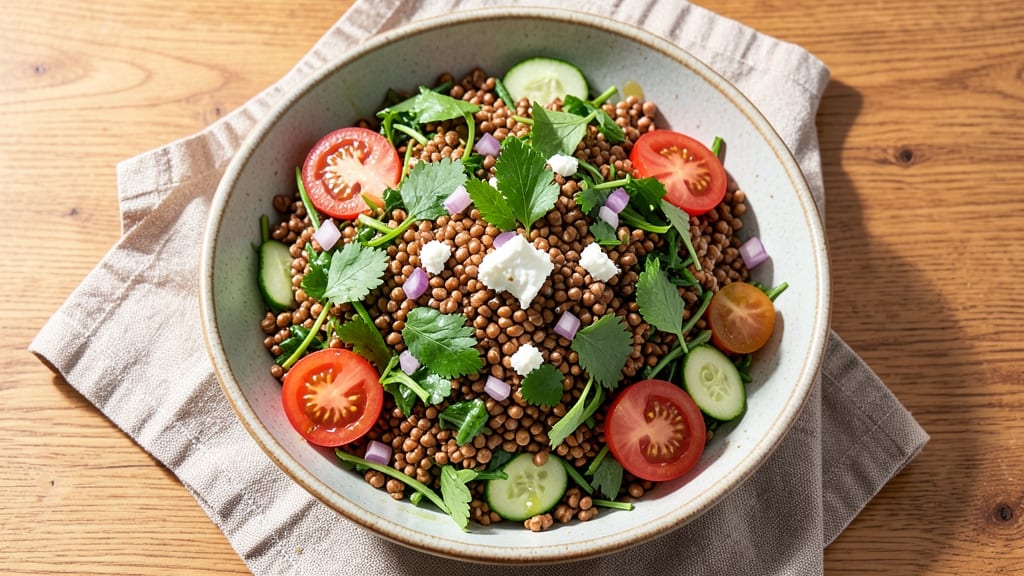
This buckwheat tabbouleh salad transforms a classic Middle Eastern dish into a nutritious, protein-rich centerpiece that still delivers that signature bright, herby freshness. 💛 The secret lies in swapping traditional bulgur for buckwheat—its earthy, nutty flavor stands up beautifully to the zesty lemon dressing while adding satisfying bite.
I've perfected a quick-soak method that cuts preparation time without sacrificing texture, making this version perfect for modern weeknight meals.
The magic happens in the texture contrast—tender buckwheat grains, crisp fresh herbs, and juicy vegetables create each satisfying bite. Unlike traditional tabbouleh, this version holds its shape better when dressed, preventing that dreaded soggy salad scenario.
The lemon-garlic dressing cuts through the nutty buckwheat while enhancing the parsley and mint flavors, creating a perfect balance of tangy and fresh.
What you'll end up with is a vibrant, restaurant-quality salad that's heartier than the original but still light enough to serve as a main dish or substantial side. The buckwheat adds a satisfying chewiness that pairs perfectly with grilled meats or stands alone with a drizzle of olive oil.
This recipe delivers authentic Middle Eastern flavors with a modern twist that's both nutritious and deeply satisfying.
Perfect for meal preppers, health-conscious eaters, or anyone craving a fresh, flavorful salad that's more than just greens. The ingredients are simple but powerful—just a few minutes of prep transforms them into something extraordinary. Let's get started with this nutritious twist on a classic.
Ingredients for buckwheat tabbouleh salad
Transform classic tabbouleh with nutty buckwheat and vibrant herbs—earthy, fresh, and packed with satisfying texture.
| Ingredient | Amount | Notes |
|---|---|---|
| Buckwheat Groats 🌾 | 1 cup | Rinsed thoroughly before soaking |
| Fresh Flat-Leaf Parsley 🌿 | 1 ½ cups | Stems removed, finely chopped |
| Fresh Mint Leaves 🌿 | ½ cup | Finely chopped, stems removed |
| English Cucumbers 🥒 | 1 whole | Seeded, diced small |
| Roma Tomatoes 🍅 | 2 whole | Diced, seeds removed |
| Red Onion 🧅 | ½ whole | Finely diced, soaking in cold water |
| Extra-Virgin Olive Oil 🫒 | ½ cup | High-quality, fruity variety |
| Fresh Lemon Juice 🍋 | ¼ cup | Freshly squeezed, strained |
| Garlic Cloves 🧄 | 4 cloves | Minced finely, fresh preferred |
| Diamond Crystal Kosher Salt 🧂 | 1 ½ tsp | Adjust to taste |
| Freshly Ground Black Pepper 🌶️ | ½ tsp | Freshly cracked for best flavor |
| Toasted Pine Nuts 🥜 | ¼ cup | For crunchy texture |
| Crumbled Feta Cheese 🧀 | ½ cup | Optional, for tangy finish |
Buckwheat is the star here—Whole Foods or bulk bins carry the best quality. Look for groats that are uniformly round and free of debris. Soaking them for 15 minutes (not hours like bulgur) keeps them tender without turning mushy. Fresh herbs are non-negotiable: Trader Joe's has the best parsley-mint blends, but grab them separately if you can. The parsley should be vibrant green, not yellowing, and mint should smell bright and fresh. For the cucumbers, English varieties stay crisp longer than seedless—skip the pre-sliced kind, which gets soggy fast.
No fresh mint? Dried mint at one-third the amount works in a pinch, but it lacks that bright freshness. Swap feta for vegan feta or extra crumbled goat cheese if needed. Pine nuts too pricey? Toasted walnuts or sunflower seeds add similar crunch. The dressing is where the magic happens—high-quality olive oil (like California Olive Ranch) makes all the difference. If you're short on time, the buckwheat can soak while you chop everything else—just drain it well before mixing. For extra zing, add a pinch of ground cumin to the dressing.
This salad tastes even better the next day—4-5 days in the fridge, sealed airtight. The buckwheat absorbs flavors beautifully over time, so don't skip the overnight soak. For meal prep, store dressing separately and toss just before serving. If using feta, add it last to prevent sogginess. Portion into containers with a drizzle of olive oil on top to keep everything crisp. Leftovers? Toss with grilled chicken or serve over quinoa for a hearty bowl.
Why You'll Love This Recipe
- No-Cook Base: I swear by the pre-cooked buckwheat—just rinse and toss. The groats hold their shape perfectly, so no mushy texture here, even if you prep it ahead.
- Herb-Packed Punch: That bright parsley-mint combo with a hint of lemon? It’s like summer in a bowl. The cucumbers add a cool crunch that cuts through the earthy buckwheat.
- Lunchbox Hero: Between us, this is my go-to for packed lunches. The tomatoes stay firm, the herbs keep their snap, and it’s hearty enough to fill a container—no sad wilted salads here.
- Budget Meal Maker: Buckwheat’s cheaper than quinoa, and the veggies stretch far. I’ve fed four people for under $10, and honestly? They didn’t even notice it wasn’t the fanciest salad.
Step-by-step instructions for buckwheat tabbouleh salad
Here's how to transform nutty buckwheat into a vibrant, herb-packed salad that's anything but ordinary.
👨🍳 Step 1: Prepare the Buckwheat Base
Start by rinsing the 1 cup buckwheat groats thoroughly under cold water in a fine-mesh strainer until the water runs clear. This removes any bitterness and ensures even cooking. Transfer the rinsed groats to a saucepan and cover with 2 cups water (double the volume). Bring to a boil over medium-high heat, then immediately reduce to a simmer and cook for 12-15 minutes until tender and all liquid is absorbed.
Here's the thing—buckwheat should have a slight bite, so don't overcook it. When done, the grains should be plump but still hold their shape. Drain any remaining water and spread the cooked buckwheat on a baking sheet to cool completely. I like to fan it with a fork to speed up the process and prevent clumping.
🍳 Step 2: Build the Herb and Vegetable Mixture
While the buckwheat cools, prepare the fresh components. Finely chop 1.5 cups fresh flat-leaf parsley and 0.5 cup fresh mint leaves, removing stems first. For the vegetables, seed and dice 1 whole English cucumber and 2 whole Roma tomatoes into small, even pieces. Finely dice 0.5 whole red onion and soak it in cold water for 5 minutes to mellow its sharpness—drain well before using.
In a large mixing bowl, combine the chopped parsley, mint, cucumber, tomatoes, and drained onion. This is where the magic happens—the bright herbs will infuse the buckwheat with their zesty freshness. Give everything a gentle toss with your hands to distribute the flavors evenly. The mixture should look vibrant and inviting, like a burst of Mediterranean sunshine.
🥘 Step 3: Create the Zesty Dressing
In a small bowl, whisk together 0.5 cup extra-virgin olive oil, 0.25 cup fresh lemon juice, 4 cloves minced garlic, 1.5 tsp kosher salt, and 0.5 tsp freshly ground black pepper. The lemon juice should be freshly squeezed and strained to avoid any pulp. Taste the dressing—it should be bright, tangy, and just slightly spicy from the garlic. If it needs more punch, add another squeeze of lemon.
Here's a pro tip: Let the dressing sit for 5 minutes before using. This allows the flavors to meld slightly, creating a more cohesive taste. The olive oil should be high-quality—you can taste the difference in the final salad. I like to use a fruity variety with notes of pepper and almond.
🥘 Step 4: Combine and Marinate
Add the cooled buckwheat to the herb-vegetable mixture in the large bowl. Pour the dressing over everything and gently fold with a wooden spoon or your hands until everything is evenly coated. The salad should look glossy and inviting, with the herbs clinging to the nutty buckwheat grains. Let it marinate in the refrigerator for at least 30 minutes—this allows the flavors to develop fully.
If you're short on time, you can serve it immediately, but the longer it sits, the better the flavors blend. I often make this salad the night before because the flavors deepen overnight. Just give it a good stir before serving to redistribute any settled ingredients.
🍽️ Step 5: Add Finishing Touches
Before serving, toast 0.25 cup pine nuts in a dry skillet over medium heat for 2-3 minutes, stirring constantly until golden and fragrant. Watch them closely—they burn quickly! Transfer to a plate to cool. Crumble 0.5 cup feta cheese (if using) over the salad and sprinkle with the toasted pine nuts just before serving.
This is where the salad comes together as a complete dish. The pine nuts add a delightful crunch that contrasts beautifully with the soft buckwheat, while the feta brings a tangy finish. Serve immediately while the pine nuts are still warm and crisp. The salad should be refreshing, hearty, and packed with layers of flavor that dance on your palate.
Pro Tips For Making Buckwheat Tabbouleh Salad
- TOAST THE BUCKWHEAT: I learned this the hard way—skip toasting, and your salad turns mushy. Dry-toast the groats in a skillet over medium heat for 5-7 minutes until they’re golden and smell nutty. This chewy texture holds up better than raw buckwheat and adds depth.
- CHOP HERBS COARSELY: Fine herbs? Nope. Rough-chop parsley and mint into ¼-inch pieces—they’ll soften in the dressing but stay bright, not sloppy. If you’re impatient like me, use a knife instead of a food processor; it keeps the leaves intact longer.
- SALT THE CUCUMBERS: This isn’t optional. Toss sliced cucumbers with ½ teaspoon salt and let them sit for 10 minutes before draining. It draws out excess water, so your salad stays crisp instead of watery. (Yes, even if you’re in a rush—just set a timer.)
- USE LEMON ZEST: Skip the zest, and you’re missing the brightest flavor. Grate 1 teaspoon of lemon zest into the dressing—it adds aroma without overpowering. Store-bought zest works, but if you’re scraping it fresh, do it right before mixing; it loses potency fast.
Common mistakes when making this recipe
Over-Soaking Buckwheat
Buckwheat absorbs liquid differently than bulgur—it doesn't need hours of soaking. Leaving it in water for more than 15 minutes after cooking makes it mushy and turns your salad into a grainy mush. I've ruined this dish twice by forgetting to drain it properly.
After cooking, spread the buckwheat on a baking sheet and let it cool completely before mixing—this prevents clumping and keeps the texture perfect. 🌾
Skipping the Soak
Don't skip soaking the red onion! The sharpness needs to mellow before mixing, or it'll overpower the delicate herbs. Soak it in cold water for 5 minutes and drain well. I once forgot this step and ended up with a salad that tasted like onion soup.
Also, never skip soaking the buckwheat—it needs that 12-15 minute simmer to soften properly. Raw buckwheat tastes bitter and gritty.
Using Dried Herbs
Fresh herbs are non-negotiable for authentic flavor. Dried herbs lose their vibrant quality when rehydrated, and they can't replicate the bright, fresh taste of parsley and mint. If you must use dried, reduce the amount to one-third of fresh and add them to the dressing instead of the salad.
I've tried this shortcut, and while it works in a pinch, it's not the same as the real deal. 🌿
Over-Mixing the Salad
Gently tossing the ingredients is key—over-mixing breaks down the buckwheat and makes the salad soggy. Use your hands or a wooden spoon to combine everything just until the dressing is evenly distributed.
I've seen salads turn into a grainy paste when mixed too vigorously. Also, avoid adding dressing too early—the buckwheat needs to cool completely first to prevent steaming.
Adding Feta Too Soon
If using feta, add it just before serving to prevent sogginess. The moisture in the salad will make the cheese dissolve too quickly, ruining its texture. I learned this the hard way when I made the salad ahead and added feta early—it turned into a sad, watery mess.
Toast the pine nuts right before serving too, so they stay crisp and add that perfect crunch. 🥜
Using Low-Quality Olive Oil
The dressing makes or breaks this salad, and cheap olive oil ruins everything. Use a high-quality, fruity extra-virgin olive oil like California Olive Ranch—you can taste the difference in the final dish.
I used a basic store brand once, and while it worked, the flavor was flat compared to what a premium oil delivers. The dressing should be bright, tangy, and full of flavor, not bland and oily. 🫒
Nutrition facts
Frequently asked questions
Why use buckwheat instead of traditional bulgur in tabbouleh?
Buckwheat adds a satisfying nutty depth and chewy texture that bulgur can't match. It's also gluten-free, making this version perfect for those avoiding gluten while still delivering that hearty, satisfying bite. The earthy flavor pairs beautifully with the bright herbs and lemon dressing.
Can this salad be made ahead of time?
This salad tastes even better the next day. Store all components (except pine nuts and feta) in an airtight container in the fridge for 4-5 days. Keep the dressing separate until ready to serve—toss everything together just before eating to maintain crispness.
What if I don't have fresh mint?
Use one-third the amount of dried mint (about 1.5 teaspoons) and add it directly to the dressing instead of the salad. For best results, crush the dried leaves between your fingers to release their aroma. If you can't find mint at all, try cilantro or basil as alternatives.
How do I prevent the salad from getting soggy?
Drain the buckwheat thoroughly after cooking and spread it on a baking sheet to cool completely before mixing. Add the dressing just before serving, and only include feta and pine nuts right before eating. Also, use English cucumbers—they stay crisp longer than seedless varieties.
Is this salad gluten-free?
Yes! Buckwheat is naturally gluten-free, and all other ingredients (fresh herbs, vegetables, olive oil, lemon) are gluten-free as well. Just be sure to check your feta cheese label—some brands may contain gluten additives. The pine nuts are also gluten-free, making this a completely safe option for gluten-sensitive diets.