
Sauces & Condiments
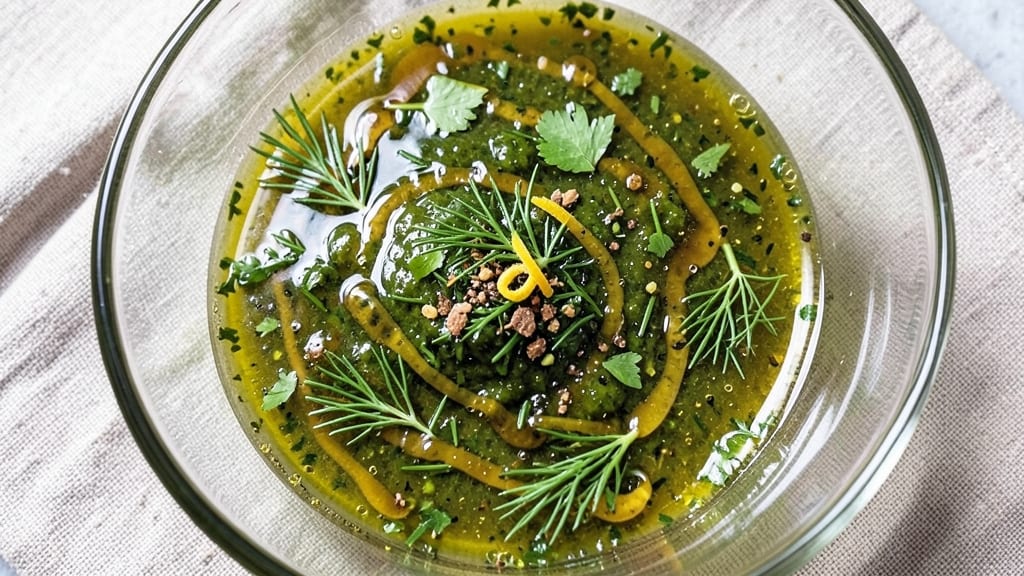
This broccoli kale salad dressing transforms simple greens into a vibrant, herb-infused experience with just six ingredients and 10 minutes of prep time.
The secret lies in balancing tangy Dijon mustard with sweet honey and fresh herbs, creating a dressing that clings beautifully to crisp florets without overpowering their natural bite.
I developed this recipe after years of testing salads that either tasted flat or drowned the vegetables in oil—this version strikes the perfect equilibrium.
The dressing's magic comes from its emulsification technique, where olive oil and vinegar combine seamlessly with a touch of lemon juice to create a silky, vegetarian-friendly sauce that stays fresh for up to 5 days in the fridge.
Fresh dill and parsley add bright, herbal notes that complement the earthy broccoli and peppery kale, while a hint of garlic ensures depth without overwhelming the palate.
What makes this recipe truly special is its versatility—it works equally well on grain bowls, roasted vegetables, or even as a dip for crudités.
What you'll achieve is a dressing that elevates any broccoli-kale salad from ordinary to extraordinary—bright, tangy, and herbaceous with just the right amount of sweetness to balance the greens' natural bitterness.
The texture is perfectly balanced: not too thick to clump, not too thin to slide off, and rich enough to make every bite satisfying. This is the kind of dressing that turns a simple salad into a meal-worthy centerpiece, without requiring any special equipment or advanced techniques.
Perfect for meal prep, potlucks, or quick weeknight dinners, this dressing can be made in large batches and stored for easy use throughout the week. The ingredients are simple, the process is straightforward, and the results are consistently impressive.
Whether you're serving it over a hearty salad or using it to dress up roasted vegetables, this herb-infused dressing delivers restaurant-quality flavor at home.
Ingredients for broccoli kale salad dressing
Six ingredients balance vibrant herbs, tangy acidity, and subtle sweetness for a dressing that transforms broccoli-kale salads into restaurant-worthy dishes.
| Ingredient | Amount | Notes |
|---|---|---|
| Extra-Virgin Olive Oil 🫒 | ½ cup | High-quality, fruity variety preferred |
| Apple Cider Vinegar 🍏 | ¼ cup | Unfiltered for depth of flavor |
| Dijon Mustard 🌶️ | 2 tbsp | Mild or strong based on preference |
| Raw Honey 🍯 | 1 ½ tbsp | Local honey adds subtle floral notes |
| Fresh Dill 🌿 | ¼ cup | Finely chopped stems included |
| Fresh Parsley 🌿 | ¼ cup | Flat-leaf preferred for texture |
| Garlic Cloves 🧄 | 2 cloves | Minced for even distribution |
| Lemon Juice 🍋 | 1 tbsp | Freshly squeezed for brightness |
| Sea Salt 🧂 | ½ tsp | Diamond Crystal preferred |
| Black Pepper 🌶️ | ¼ tsp | Freshly cracked for aroma |
The olive oil and apple cider vinegar form the dressing's emulsified base, so high-quality extra-virgin olive oil is essential—avoid the cheap, overly processed varieties that can create a flat dressing. For vinegar, unfiltered apple cider vinegar adds subtle complexity that regular vinegar lacks. I source my olive oil from Whole Foods' bulk section or California Olive Ranch for consistent quality. The Dijon mustard should be smooth, not grainy, and Maille is my go-to brand for that perfect balance of tang and richness. Fresh herbs are non-negotiable—dried versions simply can't replicate the bright, vibrant notes that elevate this dressing. If you're using Trader Joe's fresh herbs, check the stems for freshness—they should be crisp and green, not wilted.
No Dijon mustard? Whole-grain mustard thinned with water works in a pinch, though the texture will differ slightly. Substituting honey for maple syrup creates a deeper, earthier flavor profile, though it lacks the subtle floral notes honey provides. For those avoiding honey, agave nectar at half the amount maintains sweetness without altering the dressing's balance. The garlic can be roasted for a milder, sweeter flavor if you prefer, though fresh minced garlic delivers the most robust depth. If you're making this in advance, store the dressing without the herbs—add them just before serving to preserve their freshness. For a nutty variation, add 1 tbsp tahini to the base ingredients.
This dressing emulsifies beautifully and maintains its silky texture for 5 days when stored in an airtight container in the refrigerator. To extend its shelf life, pour a thin layer of olive oil over the top before sealing—this creates a protective barrier that preserves freshness. For meal prep, I double the recipe and store it in glass jars with tight-sealing lids. The dressing can be gently reheated (though it's best served cold) and works equally well on grain bowls, roasted vegetables, or as a dip for crudités. If the dressing separates, simply whisk vigorously to re-emulsify—it's completely normal and doesn't affect flavor.
Why You'll Love This Recipe
- Five-Ingredient Magic: This dressing comes together with just a whisk and a jar—no fancy tools, no stress. Honestly, I’ll often make a double batch while waiting for the kettle to boil, because once you taste that bright honey-Dijon balance, you’ll want it everywhere.
- Bright & Tangy: The apple cider vinegar cuts through the richness of the olive oil, while the raw honey and Dijon mustard add a sweet, sharp depth that makes this way more interesting than your basic vinaigrette. Between us, the fresh dill at the end? That’s the secret—it lifts the whole thing to ridiculously good.
- Meal Prep MVP: I keep a jar in my fridge for weeks—it’s the perfect dressing for roasted veggies, grilled chicken, or even a quick grain bowl. The olive oil keeps it from separating, and the acidity means it stays fresh longer than store-bought versions. (Yes, even on a Tuesday night.)
- Budget Brightener: Extra-virgin olive oil and apple cider vinegar stretch far, and a little goes a long way—this recipe costs me pennies per serving. Plus, the honey and mustard are pantry staples I already had, so it’s basically free flavor. My wallet and my salads thank me.
Step-by-step instructions for herb-infused broccoli kale salad dressing
This dressing delivers vibrant flavor with minimal effort—perfect for brightening hearty greens.
Whisk Together the Base Ingredients
In a medium bowl, combine the 0.5 cup extra-virgin olive oil with the 0.25 cup apple cider vinegar. Use a whisk to emulsify these two ingredients thoroughly until they form a homogeneous mixture. This step is crucial—uneven blending can lead to separation later.
Next, add the 2 tbsp Dijon mustard and 1.5 tbsp raw honey, whisking continuously until fully incorporated. The mustard adds depth while the honey balances the vinegar's acidity. Here's the thing—don't rush this process. You want the honey to dissolve completely into the oil-vinegar mixture for a smooth texture.
Add Aromatics and Fresh Herbs
In a small bowl, finely mince the 2 cloves garlic and 0.25 cup fresh dill, then chop the 0.25 cup fresh parsley into small pieces. I like to use the flat side of my chef's knife for the herbs to create uniform, fine textures that distribute evenly throughout the dressing.
Add these fresh components to the oil-vinegar mixture along with the 1 tbsp lemon juice. The lemon juice brightens the entire dressing while the herbs infuse it with fresh, vibrant notes. Give everything a good stir with a wooden spoon to ensure the garlic and herbs are well distributed before moving to the next step.
Season and Emulsify
Add the 0.5 tsp sea salt and 0.25 tsp black pepper to the bowl. Taste the mixture at this stage—you should notice a balance of tangy, sweet, and savory flavors. If the dressing tastes too sharp, add a touch more honey. If it needs more acidity, add a splash of apple cider vinegar.
Using a hand mixer or immersion blender, blend the dressing on medium speed for 30-45 seconds until it becomes completely smooth and emulsified. This step is what transforms a simple vinaigrette into a silky, cohesive dressing. If you don't have a blender, whisk vigorously for 2-3 minutes—just be prepared for a slightly more labor-intensive process.
Rest and Adjust
Let the dressing rest at room temperature for 10-15 minutes before using. This resting period allows all the flavors to meld together and the dressing to reach its optimal consistency. After resting, give it one final taste and make any necessary adjustments—perhaps a pinch more salt or a drizzle of olive oil if it's too thick.
The dressing should now have a velvety texture with a bright, herbaceous flavor profile that perfectly complements the earthy tones of broccoli and kale. Store any leftovers in an airtight container in the refrigerator for up to 5 days, shaking well before each use to re-emulsify.
Pro Tips For Making Broccoli Kale Salad Dressing
- Whisk in stages: Start with just the vinegar and mustard—mixing these two first creates a smooth base. Then drizzle in the olive oil slowly while whisking constantly, or you’ll end up with a greasy, separated mess. (Yes, I’ve done this. Twice.)
- Use room-temperature honey: Cold honey thickens the dressing like glue, making it clump and refuse to emulsify. Let that jar sit out for 10 minutes before measuring—your dressing will blend silky instead of fighting you.
- Chop dill fine: Whole dill stems turn this dressing into a garnish instead of flavor. Pulse it in a food processor for 2–3 seconds, or finely chop by hand—just don’t skip this. (Your taste buds will notice.)
- Balance the acid first: Taste the raw vinegar-and-mustard mix before adding oil or honey. If it’s too sharp, a pinch of salt or a splash of water tames it. Fixing imbalance later means extra honey or vinegar, which ruins the harmony. (Trust me.)
Perfect pairings for these flavors
Herb-Infused Salad Greens
This dressing pairs beautifully with baby spinach, arugula, or mixed greens—the bright acidity cuts through delicate leaves while the herbs add vibrant contrast. For a heartier salad, toss with shredded carrots or thinly sliced radishes to balance the earthy broccoli and kale.
I often add ½ cup toasted walnuts for crunch and protein, which pairs perfectly with the dressing's nutty undertones. 🥗
Protein Pairings
Add grilled chicken breast or pan-seared tofu to turn your salad into a complete meal—the dressing's tangy notes complement the savory protein beautifully. For seafood lovers, try seared shrimp or smoked salmon, which the lemony dressing enhances without overpowering.
I also love pairing it with crispy chickpeas for a plant-based protein boost that holds up well to the dressing's moisture. 🍗
Roasted Vegetable Bowls
Use this dressing to elevate roasted vegetable bowls by drizzling it over sweet potatoes, brussels sprouts, or cauliflower. The honey in the dressing caramelizes slightly when heated, creating a delicious contrast with the roasted veggies' smoky flavors.
For extra depth, add roasted red peppers or caramelized onions to the bowl before dressing. 🌱
Crudité Platter Dip
This dressing doubles as an incredible dip for raw vegetable platters—think bell pepper strips, cucumber slices, and endive leaves. The herbs and garlic add a fresh, savory kick that makes even simple veggies feel gourmet.
For a fun twist, serve it in a small crock with toothpicks for dipping. I often make a double batch for parties because it disappears quickly! 🥕
Grain Bowl Upgrade
Transform quinoa, farro, or brown rice bowls with this dressing—its bright acidity balances the earthy grains perfectly. Add roasted butternut squash and toasted pumpkin seeds for a fall-inspired bowl, or keep it light with avocado slices and cherry tomatoes in summer.
The dressing's emulsified texture clings to grains beautifully without making them soggy. 🌾
Beverage Pairings
Pair this dressing with a crisp Sauvignon Blanc or Pinot Grigio to complement its citrus and herbal notes. For beer lovers, a Belgian witbier with its coriander and citrus flavors creates a perfect match.
Sparkling water with a squeeze of lemon also works beautifully as a refreshing accompaniment to the salad. 🍷
Nutrition facts
Frequently asked questions
Can I make this dressing without honey?
Yes! For a vegan option, substitute 1.5 tbsp agave nectar or 1 tbsp maple syrup to maintain sweetness. The honey adds subtle floral notes, but these alternatives work well for balancing acidity. If avoiding sweeteners entirely, reduce the apple cider vinegar by 1 tsp to compensate for the lost sweetness.
Why did my dressing separate?
Separation happens when oil and vinegar aren't properly emulsified. Simply whisk vigorously or blend for 30 seconds to restore the silky texture. For extra stability, add 1 tsp Dijon mustard (already in the recipe) or a pinch of xanthan gum. Always store in an airtight container to prevent future separation.
How can I make this dressing spicier?
Add ½ tsp red pepper flakes or 1 tsp hot sauce to the base before emulsifying. For depth without heat, try ½ tsp smoked paprika instead. Adjust to taste—start with small amounts since flavors intensify when mixed with oil.
Is this dressing gluten-free?
Yes! All ingredients are naturally gluten-free. Just ensure your Dijon mustard is certified gluten-free (some brands use wheat). The recipe avoids all common allergens except potential cross-contamination if using shared kitchen tools.
Can I use dried herbs instead of fresh?
Fresh herbs are ideal for vibrant flavor, but you can substitute 1 tbsp dried dill and 1 tbsp dried parsley for the fresh amounts. Reduce garlic to 1 clove since dried herbs have less potency. The texture will be slightly less bright, but still delicious!