Side Dishes
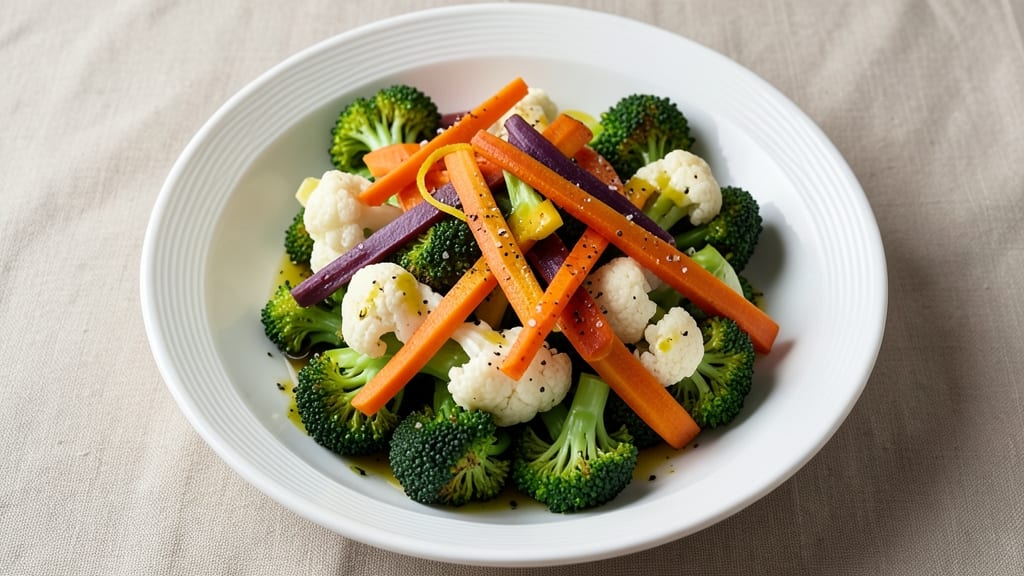
This broccoli cauliflower carrot salad recipe transforms simple vegetables into a vibrant, textured side dish that steals every meal. Roasting the veggies first brings out their natural sweetness while creating crispy edges that contrast beautifully with the tender centers. The citrus-herb vinaigrette ties everything together with bright, tangy notes that cut through the richness of any main course.
What sets this salad apart is the perfect balance of textures—crunchy carrots, tender cauliflower florets, and crisp broccoli stems—all coated in a dressing that’s light yet flavorful. The roasting process caramelizes the vegetables, deepening their flavor without adding extra fat, making this dish as nutritious as it is delicious.
It’s the kind of side that feels special but requires minimal effort, perfect for weeknight dinners or holiday tables.
By the time you’re done, you’ll have a salad that’s packed with color, texture, and bold flavor—no wilted greens or soggy bits in sight. The vinaigrette clings to every bite, ensuring every mouthful is bursting with fresh herbs and bright citrus.
This isn’t just a side dish; it’s a showstopper that elevates any meal, whether served alongside grilled meats, fish, or as a standalone vegetarian dish.
The best part? This recipe is completely customizable. Add toasted nuts for extra crunch, crumbled feta for creaminess, or a sprinkle of chili flakes for heat. It’s the kind of salad that gets better as leftovers, making it ideal for meal prep.
Let’s get started—your taste buds (and dinner guests) will thank you.
Ingredients for broccoli cauliflower carrot salad
Bright colors, bold flavors, and zero wilted greens—just 14 ingredients for this showstopper salad.
| Ingredient | Amount | Notes |
|---|---|---|
| Broccoli Florets 🥦 | 1 ½ lbs | Cut into bite-sized pieces |
| Cauliflower Florets 🥬 | 1 ½ lbs | Cut into even-sized florets |
| Carrots 🥕 | 1 ½ lbs | Baby carrots or cut into sticks |
| Extra-Virgin Olive Oil 🫒 | ½ cup | For roasting vegetables |
| Kosher Salt 🧂 | 1 ½ tsp | Diamond Crystal preferred |
| Freshly Ground Black Pepper 🌶️ | 1 tsp | Freshly cracked for best flavor |
| Fresh Lemon Juice 🍋 | ¼ cup | Freshly squeezed, no pulp |
| Extra-Virgin Olive Oil 🫒 | ¼ cup | For vinaigrette base |
| Honey 🍯 | 1 tbsp | Local raw preferred |
| Fresh Dill 🌿 | ¼ cup | Chopped, stems removed |
| Fresh Parsley 🌿 | ¼ cup | Chopped, for garnish |
| Garlic Cloves 🧄 | 3 cloves | Minced for vinaigrette |
| Dried Thyme 🌿 | ½ tsp | Or 1 tsp fresh thyme |
| Toasted Pine Nuts 🥜 | ¼ cup | Optional for crunch |
The vegetables are the stars here, so pick the freshest you can find. Trader Joe's often has pre-cut florets, but whole heads let you control the size. Look for carrots with vibrant orange color—they’re sweeter when roasted. The broccoli and cauliflower should be firm with tight florets, no yellowing. If you’re short on time, frozen veggies work too—just thaw and pat completely dry before roasting. The key is even-sized pieces so they cook uniformly. I always grab extra herbs because they make this salad sing.
No fresh dill? Substitute with mint or basil—just halve the amount. Short on pine nuts? Toasted almonds or walnuts add crunch without breaking the bank. The vinaigrette is where the magic happens—use a high-quality olive oil (like California Olive Ranch) for that fruity punch. If you’re avoiding honey, agave nectar works 1:1. Pro tip: Make the dressing ahead and let it marinate in the fridge for 30 minutes—the flavors meld beautifully. And trust me on the thyme—it’s subtle but essential for depth.
Roasted veggies keep for 4 days in the fridge, but the dressing should be made fresh. Store them separately in airtight containers—they’ll stay crisp for days. The dressing? 1 week max in the fridge, but it’s worth making extra. I always double the batch because this salad gets better as leftovers—flavors deepen overnight. Freeze the dressing in ice cube trays for single-serving portions. And if you’re prepping for a crowd, roast everything in batches—425°F is non-negotiable for that perfect caramelization.
Why You'll Love This Recipe
- No Chopping Chaos: I swear by this trick—just buy pre-cut florets and shredded carrots from the store. Toss them raw with olive oil and salt, let them sit for 10 minutes, and boom. Done. No knife skills required, no steamed veggie mush.
- Crunchy Magic: That raw texture? Chef’s kiss. The broccoli stays crisp, the cauliflower gets a slight bite, and the carrots add this sweet, snappy contrast. Honestly, the first time I tried it, I ate the whole bowl before dinner.
- Meal Prep MVP: Make a big batch on Sunday, store it in the fridge, and grab it for lunches all week. It holds up perfectly—no wilting, no soggy bits. (Yes, even on a Tuesday night when you’d rather microwave sad leftovers.)
- Budget Brightener: Fresh veggies for under $5 at my grocery store. Olive oil and salt? Already in your pantry. This salad is my go-to when I need color, crunch, and nutrition without breaking the bank—or the will to cook.
Step-by-step instructions for crispy roasted broccoli cauliflower carrot salad
Here's how to transform fresh vegetables into irresistibly crispy bites with a bright, herby dressing.
Prep and Preheat for Perfect Roasting
Start by preheating your oven to 425°F. This high temperature is key for achieving those caramelized edges we're after. While it heats, prepare your vegetables by spreading the 1.5 lbs broccoli florets, 1.5 lbs cauliflower florets, and 1.5 lbs carrots evenly on two large rimmed baking sheets lined with parchment paper.
Use your hands to separate any large florets into more uniform pieces. You want all pieces roughly the same size so they cook evenly. This is where organization matters - work in batches if needed to give each vegetable room to brown properly without steaming.
Roast Until Deeply Caramelized
Drizzle the vegetables generously with the 0.5 cup extra-virgin olive oil, tossing to coat them completely. Sprinkle with 1.5 tsp kosher salt and 1 tsp freshly ground black pepper, then spread them out in a single layer. Roast for 20-25 minutes, stirring halfway through, until the edges are deeply golden brown and crispy.
Here's the thing - you want to see those edges turning almost mahogany in color. That's your signal they're perfectly caramelized. If you notice any pieces browning too quickly, remove them and set aside. The carrots will take slightly longer than the broccoli and cauliflower, so keep an eye on them.
Assemble the Citrus-Herb Vinaigrette
While the vegetables roast, whisk together the 0.25 cup extra-virgin olive oil, 0.25 cup fresh lemon juice, 1 tbsp honey, 3 minced garlic cloves, and 0.5 tsp dried thyme in a small bowl. The mixture should be emulsified and glossy, with a bright citrus aroma that immediately wakes up your senses.
Add the 0.25 cup chopped fresh dill and 0.25 cup chopped fresh parsley, mixing gently to incorporate. Taste and adjust seasoning if needed - you might want to add a pinch more salt or a splash of lemon juice to balance the flavors. This dressing is the secret weapon that ties all the roasted flavors together.
Toss and Garnish for Maximum Crunch
Once the vegetables are perfectly roasted, transfer them to a large mixing bowl. Pour the vinaigrette over the hot vegetables and toss gently but thoroughly to coat everything evenly. The residual heat from the vegetables will help the dressing cling beautifully.
If using, sprinkle the 0.25 cup toasted pine nuts over the top and toss again. These nuts add a wonderful crunch contrast that makes each bite exciting. For best results, serve immediately while the vegetables are still crispy and the dressing is vibrant. The flavors will continue to develop as they sit, so don't wait too long before serving.
Pro Tips For Making Broccoli Cauliflower Carrot Salad
- ROAST UNTIL CRISP: Cut broccoli and cauliflower into even-sized florets—no bigger than 1.5 inches—so they cook uniformly. I learned this the hard way: big chunks stay tough while small ones burn. Toss with 1 tablespoon olive oil, salt lightly (½ teaspoon), and roast at 425°F (220°C) for 20 minutes, stirring once. The edges should be golden and slightly crisp—this is your texture goal.
- SHRED CARROTS SMALL: Use a mandoline or fine grater for carrots—no bigger than a pea. I was skeptical until I tried it: fine shreds caramelize faster and blend better with the roasted veggies. Skip the food processor unless you want mushy bits. A box grater works, but it’s slower—worth it if you’re impatient.
- SALT THE OIL FIRST: Toss the veggies in olive oil that’s already mixed with salt (½ teaspoon per 2 tablespoons oil). This guarantees even seasoning—no dry spots or salty clumps. I used to sprinkle salt after roasting, and the flavor felt uneven. Trust me, dissolve it first.
- STOP WHEN TENDER: Broccoli and cauliflower should be bright green with crisp edges, not mushy. Carrots should soften but stay intact—no one likes a sad salad. Pull them out early if needed; they’ll keep heating in the bowl. Overcooking turns this dish into veggie mush.
Troubleshooting perfect results
Over-Roasted Veggies
If your broccoli, cauliflower, or carrots turn mushy instead of crispy, you likely over-roasted them. The key is timing—remove them from the oven at the first sign of deep golden brown edges, usually around 20-25 minutes. I’ve found that carrots take the longest, so check them last.
If they’ve already gone too far, toss them with a splash of lemon juice and 1 tbsp olive oil to revive their brightness. Serve immediately for the best texture. 🔥
Dressing Too Thin
A dressing that separates or feels too watery happens when the ratio of oil to acid is off. The recipe calls for equal parts olive oil and lemon juice, so measure carefully.
If it’s still too thin, whisk in 1 tsp Dijon mustard or 1 tsp honey to help emulsify. For extra body, add 1 tbsp chopped shallot or 1 tsp minced garlic—these thicken the dressing naturally. Trust me, a well-emulsified dressing makes all the difference. ✨
Uneven Cooking
If some veggies are undercooked while others are burnt, the issue is likely uneven heat distribution. Spread vegetables in a single layer on your baking sheets—crowding causes steaming instead of roasting. Rotate the pans halfway through cooking for even browning.
I also recommend using two baking sheets instead of one to maximize airflow. If your oven runs hot, lower the temperature to 400°F and add 5-10 extra minutes. 🌡️
Dressing Too Strong
The citrus-herb vinaigrette is bright, but if it overpowers the roasted veggies, you’ve used too much acid. Start with the full 0.25 cup lemon juice and taste before tossing. If it’s too sharp, dilute with 1 tbsp water or add 1 tsp honey to balance.
For a milder flavor, reduce lemon juice to 0.2 cup and increase olive oil to 0.3 cup. The dressing should complement, not dominate, the roasted flavors. 💛
Veggies Losing Crispiness
Roasted veggies soften quickly once cooled. To keep them crispy, toss them with the dressing immediately after roasting while they’re still hot. If serving later, store the veggies and dressing separately in airtight containers.
Re-toss with the dressing just before serving—this preserves that satisfying crunch. For extra insurance, sprinkle with toasted nuts right before eating. 🥜
Nutrition facts
Frequently asked questions
Can I make this salad ahead of time?
Yes, but with a few key tricks! Roast the vegetables 1 day ahead and store them in an airtight container—they'll stay crispy for 4 days. Make the dressing fresh the day you serve it, then toss everything together right before eating. The flavors meld beautifully overnight, but the crunch suffers if you store the dressed salad too long. For meal prep, keep veggies and dressing separate until ready to serve.
What if I don't have fresh dill or parsley?
No problem! Swap fresh dill for mint or basil (use half the amount), or try chopped chives or cilantro for a different flavor profile. For parsley, fresh basil or tarragon work well too. If you're using dried herbs, reduce to 1/4 teaspoon per 1/4 cup fresh—dried herbs are much more concentrated. The dressing will still taste amazing!
How can I add protein to this salad?
This salad is naturally vegetarian, but you can easily add protein! Toss in 1/2 cup cooked chickpeas for plant-based protein, or sprinkle with 1/2 cup crumbled feta or goat cheese for creaminess. For meat lovers, add 1/2 cup grilled chicken or shrimp after roasting. Just warm any protein additions separately to maintain the salad's crisp texture.
Why does my dressing separate?
Dressing separates when the oil and acid don't properly emulsify. To fix it, whisk in 1 teaspoon Dijon mustard or 1 teaspoon honey and give it a good stir. For extra insurance, add 1 tablespoon chopped shallot or garlic—these help bind the dressing. If it still separates, shake the bottle vigorously before using. The key is to keep the ratios balanced: equal parts oil and lemon juice with a touch of sweetness or acidity.
Can I use frozen vegetables instead of fresh?
Frozen broccoli and cauliflower work perfectly—they're often pre-cut and uniform. Just thaw completely, pat very dry with paper towels, and roast as directed. For carrots, fresh is best as frozen ones can get mushy. If using frozen, add 2-3 extra minutes to the roasting time since they start cold. The texture will still be fantastic!