
Sauces & Condiments
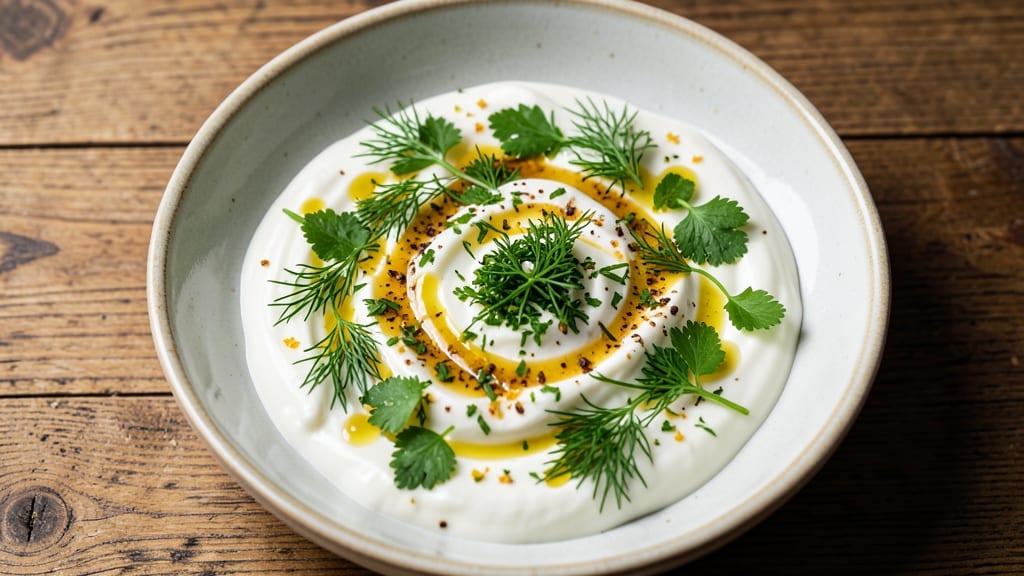
This broccoli and cauliflower salad dressing recipe transforms simple greens into vibrant, zesty bites with just five ingredients. The tangy yogurt-lime base cuts through the natural bitterness of raw cruciferous vegetables while adding a refreshing brightness that keeps every forkful lively.
What sets this dressing apart is the herb zing—fresh dill and parsley infuse the creamy yogurt with layers of aromatic freshness that elevate even the most basic salad.
The secret to this dressing lies in balancing acidity and creaminess without overpowering the vegetables' natural flavor. Greek yogurt provides a thick, velvety texture that clings beautifully to florets, while lime juice delivers that signature tang that makes salads irresistible.
A touch of Dijon mustard adds subtle depth, ensuring the dressing doesn't separate and stays silky smooth. Best of all, it comes together in under 5 minutes with no cooking required.
What you'll end up with is a dressing that's equally at home on a summer picnic table or a weeknight dinner plate. The creamy yogurt base coats each floret perfectly, while the lime and herbs create a burst of freshness that makes every bite taste like a breath of spring.
This isn't just dressing—it's the transformative element that turns simple vegetables into a restaurant-worthy dish.
Use it immediately for maximum freshness, or store in the refrigerator for up to 5 days. The flavors only deepen over time, making it perfect for meal prep.
Whether you're serving it over roasted broccoli and cauliflower or tossing it with fresh greens, this dressing delivers effortless elegance with every pour.
Ingredients for broccoli and cauliflower salad dressing
Five simple ingredients transform raw cruciferous vegetables into vibrant, restaurant-worthy bites.
| Ingredient | Amount | Notes |
|---|---|---|
| Plain Greek Yogurt 🥛 | 1 cup | Full-fat for creaminess (or 2% if preferred) |
| Fresh Lime Juice 🍋 | ¼ cup | Freshly squeezed, seeds strained out |
| Extra-Virgin Olive Oil 🫒 | ¼ cup | Light, fruity variety preferred |
| Dijon Mustard 🍯 | 1 tbsp | Mild or hot variety, not prepared |
| Fresh Dill Leaves 🌿 | ¼ cup | Finely chopped, stems removed |
| Fresh Parsley Leaves 🌿 | 0.15 cup | Finely chopped, flat-leaf preferred |
| Sea Salt 🧂 | ½ tsp | Fine grain, Diamond Crystal preferred |
| Black Pepper 🌶️ | ¼ tsp | Freshly ground for best flavor |
The Greek yogurt is the foundation—Fage or Siggi's are my go-tos for their thick, tangy texture. Full-fat gives the best creaminess, but 2% works if you prefer lighter. Fresh lime juice is non-negotiable; bottled won't cut it. The herbs? Buy fresh dill and parsley from the grocery store's produce section—they're usually cheaper than pre-chopped and last longer. If you're short on time, dried herbs at half the amount work in a pinch, but fresh is ideal. For the olive oil, California Avocado or Bertolli brands have that perfect balance of fruity and mild.
No fresh dill? Substitute extra parsley or cilantro—just reduce the parsley slightly to avoid overpowering. Short on lime juice? Lemon juice works 1:1, but the flavor will be slightly different. The Dijon mustard adds depth without overpowering; if you only have whole-grain mustard, blend it briefly to break up the seeds. For a lighter dressing, reduce the yogurt to 0.75 cup and add 1 tbsp more olive oil. This dressing works beautifully with roasted or raw broccoli and cauliflower—just toss with florets and a sprinkle of toasted almonds or sunflower seeds for crunch.
Store in an airtight container in the fridge for up to 5 days. The flavors actually deepen over time, making it perfect for meal prep. For longer storage, transfer to a sealed jar and freeze for up to 3 months. When ready to use, let it sit at room temperature for 10 minutes before tossing with salad—this helps the flavors meld beautifully. The dressing thickens slightly when refrigerated, so give it a quick whisk or shake before serving.
Why You'll Love This Recipe
- No-Fuss Whisking: I swear by this dressing because it’s three ingredients plus a squeeze—no blender, no straining, just a bowl and a fork. The Greek yogurt thickens it perfectly, and the lime brightens everything in one go.
- Zingy Tangy Magic: That lime-Dijon combo? Chef’s kiss. The yogurt keeps it creamy but the dill and citrus cut through it like a summer breeze—great for when you want something fresh but still rich.
- Meal-Prep MVP: Make a big batch Sunday night and toss it with roasted veggies, grilled chicken, or even cold pasta all week. It stays fresh in the fridge for days, and honestly? I’ve never had dressing go bad on me.
- Budget Brightener: Olive oil and yogurt stretch this recipe further than store-bought dressings, and lime and dill last longer than you’d think. Plus, it’s cheaper than buying fancy vinaigrettes—without sacrificing flavor.
Step-by-step instructions for tangy yogurt-lime vinaigrette
This bright, herb-infused dressing comes together in minutes with no cooking required.
Whisk Together the Base Ingredients
In a medium bowl, combine the 1 cup Plain Greek Yogurt with the 0.25 cup Fresh Lime Juice. Use a whisk and stir vigorously for 30 seconds until the mixture begins to thicken slightly. The yogurt will lighten in color as the lime juice incorporates, creating a tangy foundation for your dressing.
Next, add the 1 tbsp Dijon Mustard and continue whisking for another 15 seconds until fully smooth. The mustard helps emulsify the dressing later, preventing separation. If you're using a hot Dijon, you'll notice a more pronounced depth of flavor developing immediately.
Gradually Incorporate the Olive Oil
With the whisk moving continuously, slowly drizzle in the 0.25 cup Extra-Virgin Olive Oil. Add it in a thin, steady stream—about 1 tablespoon at a time—while whisking vigorously. This gradual approach prevents the dressing from breaking and creates a stable emulsion.
Watch for the mixture to transform from a thick paste to a creamy, pourable consistency. You'll know it's properly emulsified when it coats the back of your spoon smoothly without separating. If it looks too thick, add 1-2 teaspoons of water to adjust the texture.
Fold in the Fresh Herbs
Add the 0.25 cup finely chopped Fresh Dill Leaves and 0.15 cup finely chopped Fresh Parsley Leaves to the dressing. Using a rubber spatula, gently fold them in until evenly distributed. The herbs should be completely incorporated but still visible as bright flecks throughout the dressing.
Here's the thing—don't pulse these herbs in a food processor. Chopping them finely by hand releases more flavor and prevents the dressing from becoming grainy. Taste the mixture at this stage to check the balance of tang and freshness before adding the final seasonings.
Season and Adjust the Dressing
Sprinkle in the 0.5 tsp Sea Salt and 0.25 tsp Black Pepper, then whisk gently to combine. The salt should enhance the brightness of the lime while the pepper adds a subtle warmth that complements the herbs. Taste again and make any final adjustments—perhaps a touch more lime juice for extra tang or a drizzle of olive oil for silkier texture.
This dressing works best when used immediately, but it will keep in an airtight container in the refrigerator for up to 5 days. Give it a good stir before each use, as the herbs may settle slightly. The flavor actually improves after a few hours as the ingredients meld together.
Pro Tips For Making Broccoli And Cauliflower Salad Dressing
- Whisk in stages: Start with the yogurt and lime juice—this prevents curdling when you add the oil later. After mixing those two, slowly drizzle in the olive oil while whisking constantly. I learned this the hard way when my first batch split like a sad mayo.
- Use cold yogurt: Take the Greek yogurt straight from the fridge—room temperature thickens it faster and can turn your dressing grainy. Cold yogurt blends smoother and stays stable longer, especially if you’re making this ahead.
- Salt the mustard: Mix a pinch of salt into the Dijon before adding it to the dressing—it balances the sharpness right away. Skipping this step means you’ll end up chasing flavor with extra lime or salt later.
- Pulse the dill: Roughly chop the dill and give it a quick pulse in a food processor (or just tear it by hand) to release more flavor. Whole stems add texture, but finely chopped dill dissolves better into the yogurt base—no clumps, just bright flavor.
Troubleshooting perfect results
Curds Forming?
If your dressing separates into curds and whey, it’s likely from over-whisking or using cold ingredients. Let your yogurt and lime juice sit at room temperature for 10 minutes before mixing—this prevents curdling.
Also, whisk gently when adding olive oil; rapid whisking can break the yogurt proteins. If it happens, stir in 1 tsp honey or maple syrup to stabilize the mixture. 🥛
Too Thick?
This usually happens when the yogurt is too cold or the lime juice wasn’t fully incorporated. Thin it with 1-2 tsp water or apple cider vinegar (vinegar adds tang).
For a smoother texture, whisk vigorously for 30 seconds to re-emulsify. If it’s still too thick, add 1 tsp more olive oil—it helps bind the dressing.
Herbs Sinking?
Fresh herbs settle quickly, but you can prevent this by finely chopping them with a sharp knife instead of a food processor. For extra insurance, whisk the dressing for 10 seconds before storing, or stir vigorously before each use.
If herbs clump, gently fold them in with a rubber spatula to distribute evenly.
Not Tangy Enough?
If the dressing tastes bland, it’s likely because the lime juice wasn’t fresh or the yogurt overpowered the acidity. Boost the tang by adding 1 tsp more lime juice or ½ tsp apple cider vinegar.
For a deeper flavor, stir in ½ tsp lemon zest—it adds brightness without altering the texture. 🍋
Separating After Storage?
This is normal for yogurt-based dressings. Before using, whisk or shake the container vigorously for 20-30 seconds to re-emulsify. If it still separates, stir in 1 tsp Dijon mustard or honey to help bind the ingredients.
For future batches, store in a sealed jar and press a plastic wrap directly on the surface to minimize air exposure.
Too Mild Flavor?
If the dressing lacks depth, it’s often due to low-quality herbs or olive oil. Swap in freshly ground black pepper or a pinch of smoked paprika for warmth. For extra umami, add ½ tsp garlic powder or a dash of fish sauce (1 tsp)—it enhances the herbs without overpowering.
Taste as you go to adjust! 🌶️
Nutrition facts
Frequently asked questions about broccoli & cauliflower salad dressing
Can I make this dressing dairy-free?
Swap the Greek yogurt for ½ cup unsweetened coconut yogurt or ½ cup silken tofu blended smooth. For extra tang, add 1 extra tbsp lime juice since dairy-free alternatives can be milder. The texture will be slightly lighter but still creamy when tossed with salad.
How do I adjust the dressing for roasted vs. raw vegetables?
For roasted broccoli and cauliflower, the dressing works perfectly as-is—its creamy texture contrasts beautifully with crispy edges. For raw florets, reduce the olive oil by 1 tbsp and add ½ tsp honey to balance the natural bitterness. The extra sweetness helps soften the sharpness of raw cruciferous veggies.
What's the best way to store leftovers?
Transfer to an airtight container and press plastic wrap directly on the surface to minimize air exposure. It keeps for 5 days in the fridge or 3 months in the freezer. For best texture, thaw overnight in the fridge before using. Give it a good whisk before serving—herbs tend to settle but reincorporate easily.
Can I use this dressing on other vegetables?
Yes! It works wonderfully with asparagus, green beans, or Brussels sprouts. For heartier veggies, increase the lime juice by 1 tsp to cut through any earthiness. It also pairs beautifully with grilled chicken or tofu as a marinade—just let it sit for 15-20 minutes before cooking.
Why does my dressing look curdled?
This happens when yogurt proteins break down from over-whisking or temperature changes. Prevent it by using room-temperature ingredients and whisking gently when adding oil. If it happens, stir in 1 tsp honey or maple syrup to stabilize. The flavor stays great—just the texture may separate slightly.