
Sauces & Condiments
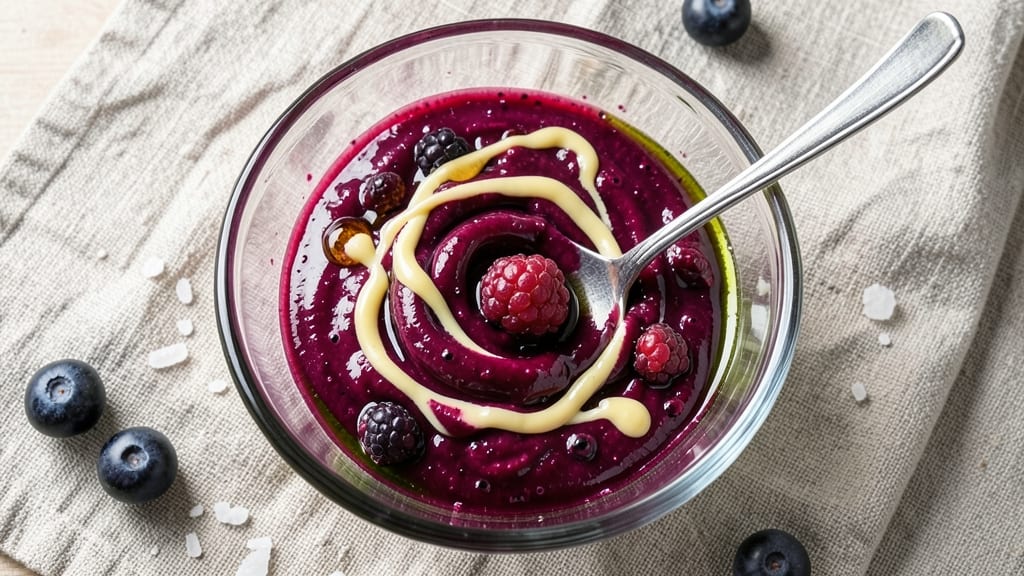
This blackberry vinaigrette salad dressing recipe transforms ordinary salads into vibrant, flavor-packed meals with just 5 simple ingredients. The secret lies in balancing sweet blackberry purée with tangy vinegar and sharp Dijon mustard, creating a dressing that clings beautifully to greens while adding depth to grilled proteins.
I developed this recipe after years of testing—it’s the one that finally made my summer salads irresistible.
The beauty of this vinaigrette is its versatility. Use it on mixed greens, grain bowls, or even drizzled over roasted chicken for a sweet-tart contrast. The blackberry purée adds natural sweetness without overpowering, while the red wine vinegar keeps it bright and acidic.
It’s also easier to make than you’d think—just blend, whisk, and taste as you go.
What makes this dressing stand out is its ability to elevate simple ingredients. The texture is silky yet stable, clinging to every leaf without turning soggy. Plus, it stores perfectly in the fridge for up to a week, making it ideal for meal prep.
Whether you’re hosting a summer lunch or packing salads for work, this dressing delivers restaurant-quality flavor at home.
Pair it with arugula and strawberries for a classic combo, or use it as a marinade for shrimp skewers. The possibilities are endless, and the process is foolproof. Let’s make this dressing—the perfect sweet-tart finish to any meal.
Ingredients for blackberry vinaigrette salad dressing
Five ingredients, one perfect sweet-tart dressing that makes salads irresistible every time.
| Ingredient | Amount | Notes |
|---|---|---|
| Fresh Blackberries 🫐 | 1 cup | Purée with seeds removed |
| Extra-Virgin Olive Oil 🫒 | ½ cup | Light and fruity preferred |
| Red Wine Vinegar 🍷 | ¼ cup | Use bold, dry variety |
| Dijon Mustard 🍯 | 1 tbsp | Whole grain preferred |
| Honey 🍯 | 1 tbsp | Wildflower or clover works best |
| Sea Salt 🧂 | ½ tsp | Fine grain preferred |
| Freshly Ground Black Pepper 🌶️ | ¼ tsp | For subtle heat |
Blackberries are the star here—Trader Joe's or local farmers markets have the juiciest ones. If you can't find fresh, frozen blackberries work too (thaw first). The purée should be smooth, so blend with a splash of water if needed. For the olive oil, California brands like Corto or Lucini add that fruity brightness that makes this dressing sing. If your vinegar smells sharp and clean, you're good to go—no need for fancy labels. The Dijon mustard? Maille is my go-to, but any whole grain works. Skip the powdered stuff—it's not the same.
No blackberries? Raspberry or strawberry purée works in a pinch, but the color won't be as pretty. Running out of red wine vinegar? Apple cider vinegar with a pinch of sugar mimics the tang. Honey too expensive? Maple syrup or agave keeps it vegan-friendly. The mustard can be skipped if you prefer milder flavor, but trust me—it's what ties everything together. For extra richness, add a dash of balsamic glaze at the end. And if you're feeling fancy, strain the purée for a smoother texture—though I usually leave the seeds for extra depth.
This dressing keeps for up to 1 week in the fridge, sealed tight. The flavors actually improve over time, becoming more balanced. I like to make a big batch on Sundays so it's ready for salads all week. For leftovers, give it a quick whisk before using—it thickens up a bit. If it separates, just stir it back together. The purée can be made ahead too and stored separately for 3 days before mixing. Perfect for meal prep—just grab and dress!
Why You'll Love This Recipe
- Five-Ingredient Magic: I swear by this combo—no fancy tools, just a whisk and a bowl. Mash those blackberries right in, mix in the olive oil and vinegar, then stir in the mustard and honey until it’s silky smooth. Honestly, it’s the kind of dressing that makes me feel like I actually cooked something.
- Summer in a Jar: That bright, tangy sweetness? It’s pure summer in every bite. The blackberries bring a jammy richness, the red wine vinegar cuts through, and the honey ties it all together with just the right balance. I drizzle it over greens, toss it with grilled chicken, or even spoon it into jars for quick lunches—it’s always a hit.
- Weeknight Workhorse: Between us, this is my go-to when I’m too tired to think. Make a big batch on Sunday, store it in the fridge, and grab it all week for salads, roasted veggies, or even as a dip. It’s the kind of dressing that doesn’t go bad fast, so I’m not scrambling to make new stuff every time I need it.
- Budget Brightener: Fresh blackberries can be pricey, but a little goes a long way here. I buy them in season when they’re cheapest, and the rest of the ingredients? Olive oil, vinegar, mustard—stuff I already have. It’s a fancy-tasting dressing that won’t break the bank, and I always end up with leftovers for next time.
Step-by-step instructions for blackberry vinaigrette salad dressing
Here's how to make a vibrant dressing that balances sweet and tangy flavors perfectly.
Purée the Fresh Blackberries
Start by placing the 1 cup of fresh blackberries in a blender or food processor. I like to remove any stems first—just a quick pinch between your fingers will do. Add the 1 tablespoon of honey to the blender as well. This sweetener will help balance the tartness of the vinegar later.
Blend until completely smooth, scraping down the sides if needed. You should end up with about ½ cup of purée—the seeds will naturally separate, and that's fine. The purée should be vibrant purple and have a thick, jam-like consistency. If it's too thick, you can thin it slightly with a splash of water, but usually, it's perfect as is. Taste it now—it should be sweet and fruity, with no bitterness.
Whisk Together the Base Ingredients
In a medium bowl, combine the ½ cup of extra-virgin olive oil and ¼ cup of red wine vinegar. I always use a whisk for this step because it helps emulsify the ingredients right away. The olive oil should be light and fruity, as recommended, to complement the blackberries without overpowering them.
Next, add the 1 tablespoon of Dijon mustard and the ½ teaspoon of sea salt. The mustard will help thicken the dressing slightly and add a subtle depth of flavor. Stir everything together until fully combined. You'll see the mixture start to thicken as the mustard and oil interact. At this point, it should look like a smooth, slightly opaque liquid with a glossy sheen.
Incorporate the Blackberry Purée
Slowly drizzle the blackberry purée into the oil-vinegar mixture while whisking continuously. This gradual addition is key—it prevents the dressing from separating later. Start with a thin stream and whisk vigorously to incorporate it evenly. You'll notice the color deepen to a rich, berry-red hue as the purée blends in.
Once fully combined, taste and adjust the balance. If it's too tart, add a little more honey—just ½ teaspoon at a time—until you achieve that perfect sweet-tart harmony. The dressing should coat the back of a spoon and have a silky texture. If it's too thick, thin it with 1-2 teaspoons of water until it reaches your desired consistency for drizzling.
Finish with Seasoning and Rest
Finally, add the ¼ teaspoon of freshly ground black pepper and give everything one last whisk to combine. The pepper adds a subtle heat that cuts through the sweetness and brightens the flavors. Let the dressing sit for 5-10 minutes at room temperature—this resting period allows the flavors to meld and the emulsification to stabilize.
Before using, give it one final taste. If needed, adjust the seasoning with a pinch more salt or a drizzle of honey. The dressing should be vibrant, balanced, and ready to elevate any salad. Store any leftovers in an airtight container in the refrigerator for up to 1 week, shaking well before each use. It keeps beautifully and tastes even better the next day as the flavors deepen!
Pro Tips For Making Blackberry Vinaigrette Salad Dressing
- STRAIN THE BERRIES: Fresh blackberries add depth, but seeds make the dressing gritty—especially if you’re using them whole. Mash them first, then strain through a fine-mesh sieve or cheesecloth to catch every speck. (Yes, it’s extra work, but your salad will taste smoother—no one wants a mouthful of seeds with every bite.)
- WHISK THE MUSTARD FIRST: Dijon mustard and honey won’t blend properly if you toss them in last. Start by whisking the mustard, honey, and a splash of vinegar together until fully emulsified—this prevents clumps and ensures the dressing comes together like a single, silky layer. (I learned this after making a dressing that looked like it had been shaken in a jar, not whisked.)
- USE COLD OIL: Room-temperature olive oil releases its flavor better, but if you’re in a rush, grab it straight from the fridge. Cold oil won’t emulsify as smoothly, so add it slowly while whisking vigorously—drop by drop at first, then in a thin stream. (This isn’t the prettiest method, but it works every time.)
- BALANCE THE VINEGAR: Red wine vinegar can overpower if you’re not careful. Taste as you go, and if it’s too sharp, cut it with a teaspoon of water or a pinch of salt—this rounds out the acidity without diluting the flavor. (I used to eyeball it and end up with a dressing that tasted like a balsamic bomb.)
Serving suggestions for this recipe
Salad Pairings
This dressing shines on mixed greens like butter lettuce or baby spinach—its sweet-tart balance enhances their natural flavors. For extra texture, toss in toasted walnuts or crispy prosciutto. I love adding sliced strawberries for a summery touch that complements the blackberry perfectly. 🌿
Protein Pairings
Drizzle this vinaigrette over grilled chicken breast or seared salmon for a bright, fruity contrast. The acidity cuts through rich proteins beautifully. For vegetarian options, try it with marinated tofu or roasted chickpeas—the dressing adds a delightful sweetness that balances earthy flavors.
Grain Bowls
This dressing transforms quinoa or farro bowls into vibrant meals. I often combine it with roasted vegetables like sweet potatoes and asparagus for a colorful, nutrient-packed dish. Add avocado slices for creaminess and feta cheese for a salty crunch. The dressing ties all the elements together beautifully.
Sandwich Spread
Use this vinaigrette as a sandwich spread for a sweet-tart twist. I love it on ciabatta with grilled chicken and arugula, or as a dip for fresh breadsticks.
For a lighter option, spread it on whole-grain toast with sliced peaches and a sprinkle of balsamic glaze. It’s a game-changer for lunches! 🥪
Dessert Drizzle
Don’t stop at savory dishes—this dressing works as a dessert drizzle too! Toss it with vanilla ice cream and fresh berries for a refreshing topping. It also elevates cheesecake slices or panna cotta by adding a fruity, tangy contrast.
Just reduce the honey slightly if using for dessert to avoid overpowering sweetness.
Meal Prep Tips
Make a batch of this dressing on Sunday and store it in a glass jar with a tight-sealing lid. It keeps for up to 1 week in the fridge, making it perfect for prepping salads ahead of time.
I like to portion it into small containers so I can grab and go. For extra convenience, pair it with pre-washed greens and store them separately in the crisper drawer. 📅
Nutrition facts
Frequently asked questions
Can I use frozen blackberries instead of fresh?
Yes! Thaw 1 cup of frozen blackberries first and drain any excess liquid before puréeing. The texture will be slightly thicker, so you may need to add 1-2 teaspoons of water to achieve the same consistency. Frozen berries work perfectly—just ensure they're fully thawed to avoid watery dressing.
How do I fix a dressing that's too thick or separated?
For thickness, whisk in 1 teaspoon of water at a time until smooth. If separated, gently whisk the ingredients together vigorously—the mustard helps re-emulsify. For stubborn separation, add ½ teaspoon of Dijon mustard or a splash of vinegar to stabilize it. Always whisk slowly when combining oil and vinegar to prevent separation.
What's the best way to store leftovers?
Transfer to an airtight glass jar and refrigerate for up to 1 week. Shake gently before each use—the flavors deepen over time! For longer storage, freeze in ice cube trays (thaw overnight in the fridge). The dressing thickens when cold, so thin with water if needed before using.
Can I make this dressing without honey?
Substitute 1 tablespoon of maple syrup or agave nectar for a vegan option, or use ½ teaspoon of vanilla extract for depth. Skip the sweetener entirely if you prefer a more tart dressing, but the blackberries will need extra acidity—add ½ teaspoon more vinegar to balance.
Why does my dressing taste too sweet or tart?
If too sweet, add 1 teaspoon of red wine vinegar and taste. For tartness, stir in ½ teaspoon of honey or maple syrup. Adjust gradually—start with small amounts and taste after each addition. The key is balance: the dressing should coat your spoon with a silky texture and harmonize sweet, tart, and savory notes.