Sauces & Condiments
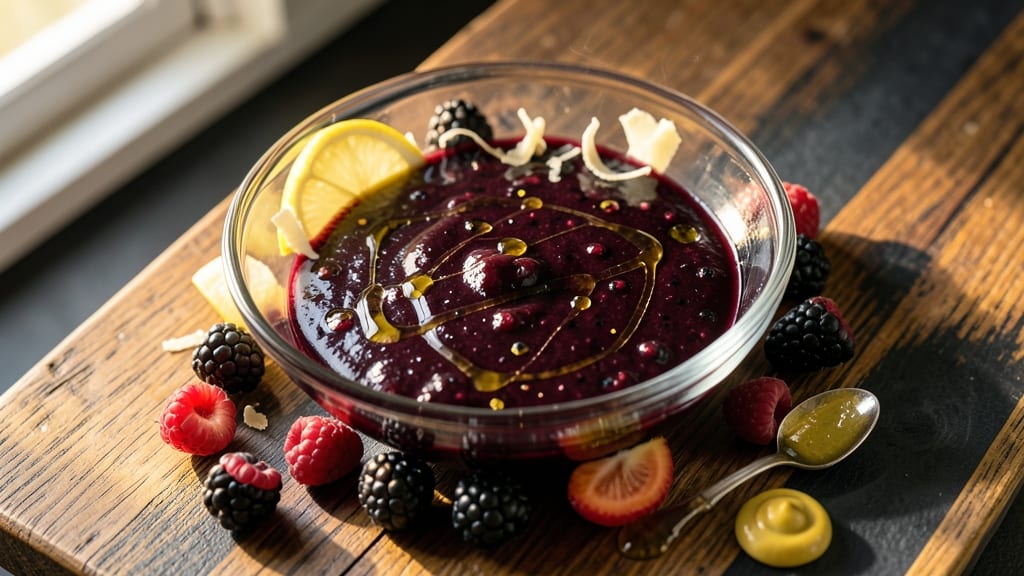
This blackberry salad dressing recipe transforms simple greens into a vibrant, tangy-sweet masterpiece that elevates any salad from ordinary to extraordinary. The secret lies in blending fresh blackberries with a tart-sweet balance of vinegar and honey, creating a dressing that's rich yet refreshing.
I developed this recipe after years of experimenting with fruit-based dressings, and it consistently delivers a velvety texture that clings beautifully to leaves while adding depth of flavor.
The foundation of this dressing is a simple emulsion of blackberries, apple cider vinegar, and honey, blended until smooth and silky. What sets it apart is the addition of Dijon mustard, which helps stabilize the emulsion and adds a subtle kick of heat.
This dressing works equally well on mixed greens, grain bowls, or even as a marinade for grilled chicken—its versatility makes it a staple in my kitchen.
By the time you're done, you'll have a dressing that's bright, balanced, and bursting with blackberry flavor—no cloying sweetness or overwhelming tartness. The blackberries soften slightly during blending, releasing their juices and creating a naturally thick, pourable consistency.
It's the kind of dressing that makes you reach for the salad bowl first, even when other dishes are on the table.
Store it in an airtight container in the refrigerator for up to a week, where the flavors will deepen and mellow over time. For extra depth, try adding a splash of balsamic vinegar or a squeeze of lemon juice. Let's make this dressing—your salads will never be the same again.
Ingredients for blackberry salad dressing
Nine ingredients blend into a velvety dressing that turns ordinary salads extraordinary.
| Ingredient | Amount | Notes |
|---|---|---|
| Fresh Blackberries 🫐 | 1 ½ cups | Ripe, not overly mushy |
| Apple Cider Vinegar 🍏 | ½ cup | Unfiltered preferred for depth |
| Raw Honey 🍯 | ¼ cup | Local if possible for flavor |
| Dijon Mustard 🌿 | 1 tbsp | High-quality for emulsion |
| Extra-Virgin Olive Oil 🫒 | ½ cup | Fruity, not bitter |
| Fresh Lemon Juice 🍋 | 1 tbsp | From organic lemons |
| Garlic Cloves 🧄 | 1 whole | Minced for subtle flavor |
| Sea Salt 🧂 | ½ tsp | Fine grain preferred |
| Fresh Thyme Leaves 🌿 | 1 tsp | Chopped finely for aroma |
Blackberries are the heart of this dressing, so pick the ripest, juiciest ones—those deep purple, slightly soft berries that burst with flavor. Local farmers markets often have the freshest, but any grocery store's produce section works if you grab them just before checkout. The honey should be raw and local if possible—it adds subtle floral notes that store-bought honey can't match. For the apple cider vinegar, Bragg or Texas Pete are my go-tos; they've got that perfect balance of tang. Fresh thyme is ideal, but dried works in a pinch (use half the amount). The Dijon mustard? Maille or Whole Foods brand—cheaper versions can taste bitter.
No blackberries? Raspberries or blueberries work in a pinch, though they'll change the flavor profile slightly. Store-bought honey too expensive? Maple syrup works beautifully—just reduce the amount by about 15% since it's sweeter. Short on olive oil? Avocado oil or walnut oil both work, but olive oil's fruity notes are essential here. The garlic can be omitted if you're sensitive to it, but trust me, it adds depth without overpowering. For extra tang, add a splash of balsamic vinegar—just a teaspoon or two makes a world of difference. And if you're feeling fancy, a pinch of cayenne pepper adds a subtle kick that pairs perfectly with the sweetness.
This dressing keeps beautifully in an airtight jar for up to 1 week in the fridge, where the flavors actually deepen. I like to make a double batch—one for salads, one for drizzling over grilled chicken or roasted vegetables. If it thickens too much, just stir in a splash of water or a bit more vinegar. For extra smoothness, strain it through a fine-mesh sieve before serving. The berry seeds can be a little gritty, and nobody wants that in their salad. Store any leftovers in the fridge, and give it a good shake before using—it settles over time.
Why You'll Love This Recipe
- Five-Ingredient Magic: I swear by this combo—just mash berries, whisk vinegar, honey, mustard, and oil. No straining, no fancy tools, just a bowl and a fork. Honestly, it’s the kind of recipe that makes me feel like I actually cooked something.
- Sweet-Tart Balance: That honey and vinegar? It’s like summer in a jar—bright, tangy, with just enough jammy richness to make every bite sing. The mustard adds a little kick, so it’s never cloying, just ridiculously good.
- Salad’s New Best Friend: Drizzle it over greens, toss it with grilled chicken, or even use it as a marinade. I’ve even slathered it on toast with crumbled goat cheese—trust me, it works. The possibilities are endless, and it turns boring meals into something special.
- Make-Ahead Miracle: This keeps for weeks in the fridge, so I always have a backup for last-minute salads or potlucks. No waste, no stress—just grab and go. Plus, the flavors deepen over time, so it only gets better. (Yes, even on a Tuesday night.)
Step-by-step instructions for blackberry salad dressing
This vibrant dressing comes together in minutes with a perfect balance of tart, sweet, and herbal notes.
Simmer Blackberries and Vinegar
In a small saucepan, combine the 1.5 cups fresh blackberries and 0.5 cup apple cider vinegar. Bring to a gentle simmer over medium heat, then reduce to low and cook for 5-7 minutes until the berries soften and release their juices. You'll notice the mixture darkens slightly and develops a rich, fruity aroma—this is where the dressing gets its deep color and complex flavor.
Real talk: Don't rush this step. The blackberries need time to break down and infuse the vinegar with their natural sweetness and acidity. If you see the mixture reducing too quickly, cover the pan loosely with a lid to help retain moisture. Once the berries are tender but not mushy, remove from heat and let cool completely before proceeding.
Blend Ingredients to a Smooth Emulsion
Transfer the cooled blackberry mixture to a blender or food processor. Add the 0.25 cup raw honey, 1 tbsp Dijon mustard, 1 tbsp fresh lemon juice, 1 whole minced garlic clove, 0.5 tsp sea salt, and 1 tsp fresh thyme leaves. Blend until completely smooth, scraping down the sides as needed. The texture should be velvety with no visible flecks of berry or thyme—this ensures an even coating on your salad.
Here's the thing—if your blender struggles with the honey's viscosity, add 1-2 tablespoons of warm water to help emulsify. The Dijon mustard acts as a natural emulsifier, but sometimes a little extra help is needed. Taste the mixture at this stage—you should detect bright blackberry notes, a touch of garlic sharpness, and the honey's subtle sweetness.
Incorporate Olive Oil for Richness
With the blender running on low speed, slowly drizzle in the 0.5 cup extra-virgin olive oil in a thin, steady stream. This gradual addition prevents the dressing from separating. Once fully incorporated, the mixture should resemble a thick, glossy vinaigrette with a deep ruby hue. If it looks too thick, thin with 1-2 teaspoons of water until it reaches a pourable consistency that coats the back of a spoon.
I like to give the dressing a final taste at this point. The olive oil adds a luxurious mouthfeel while balancing the acidity. If it needs more brightness, add a splash of lemon juice; if it needs more depth, stir in an extra teaspoon of honey. The goal is a harmonious blend where no single flavor dominates—just a sophisticated, restaurant-quality dressing.
Rest and Adjust for Perfect Balance
Transfer the dressing to a clean jar and let it rest at room temperature for at least 30 minutes before serving. This resting period allows the flavors to meld and the emulsion to stabilize. After resting, give it one final taste and adjust the seasoning if needed—perhaps a pinch more salt or a drizzle of honey to achieve that perfect tart-sweet balance.
This dressing keeps well in the refrigerator for up to 5 days, though I find it's best used within 2-3 days for maximum freshness. The flavors actually improve slightly over time as the blackberry and thyme aromas deepen. For the best results, shake the jar gently before each use to re-emulsify any separation that may occur during storage.
Pro Tips For Making Blackberry Salad Dressing
- Mash the Blackberries: Don’t just toss in whole berries—give them a quick mash with a fork or potato masher first. This releases their juices and flavor into the dressing right away, so you’re not left with a watery, underwhelming mix later.
- Use Warm Honey: Stir in the honey while it’s still slightly warm (just a few seconds in the microwave or dipped in hot water). Warm honey blends smoother and emulsifies better with the oil, giving your dressing a silky texture instead of a separated mess.
- Skip the Vinegar Rush: If your dressing tastes too sharp, resist the urge to add more vinegar. Instead, balance it with a teaspoon of honey or a pinch of salt—vinegar’s acidity can overpower the sweetness if you’re not careful.
- Strain the Seeds: After mashing, let the blackberries sit for 2 minutes, then strain out the seeds with a fine-mesh sieve. Trust me, no one wants a mouthful of pulp while eating their salad. It’s a small step that makes a big difference in texture.
Wine and beer pairings for this recipe
White Wine Pairings
For this bright, berry-forward dressing, I reach for a crisp Sauvignon Blanc from New Zealand or Loire Valley. The wine's zesty citrus and herbal notes—think grapefruit and fresh-cut grass—mirror the lemon and thyme in the dressing while cleansing your palate between bites.
A 2023 Cloudy Bay or Oyster Bay offers perfect acidity to cut through the richness of greens like kale or spinach. 🍷
If you prefer something lighter, a Pinot Grigio from Alto Adige works beautifully, especially with salads featuring delicate greens or goat cheese. The wine's subtle almond undertones complement the honey's floral notes without overpowering the blackberry's natural tartness.
For a budget-friendly option, La Crema Sauvignon Blanc delivers consistent quality at a reasonable price.
Rosé Wine Options
Dry rosé wines bring a refreshing contrast to this dressing's sweet-tart profile. A Provence-style rosé with its crisp acidity and red fruit notes enhances the blackberry flavors while adding a touch of elegance.
I love pairing it with salads that include grilled chicken or shrimp, where the wine's subtle complexity stands up to the dressing's richness. Try a Whispering Angel or Château d'Esclans for a reliable choice.
For a more robust pairing, opt for a dry Spanish rosé like Mar de Frades, which has a deeper berry profile that harmonizes with the dressing's blackberry base. The wine's earthy undertones also complement salads with roasted vegetables or nuts beautifully.
Light Beer Pairings
A crisp Belgian witbier like Hoegaarden or Stella Artois provides a perfect balance of effervescence and subtle spice to cut through the dressing's sweetness. The beer's coriander and orange peel notes create a delightful contrast with the blackberry's tartness, making each bite of salad more refreshing.
Serve it slightly chilled to enhance the pairing experience. 🍺
For a more adventurous option, try a German Helles Lager like Weihenstephaner Original—its clean, malty profile and gentle bitterness complement the dressing's complexity without competing. This pairing works exceptionally well with heartier salads that include ingredients like avocado, quinoa, or grilled vegetables.
Seasonal Adaptations
In summer, when blackberries are at their peak, I love pairing this dressing with a sparkling wine like Prosecco or Cava. The bubbles cleanse the palate beautifully, allowing you to fully appreciate the dressing's bright flavors. The wine's slight sweetness also enhances the honey notes in the dressing.
For autumn and winter, switch to a dry Riesling from Germany or Alsace. The wine's mineral notes and slight petrol undertones provide a sophisticated contrast to the dressing's sweet-tart profile, making it ideal for hearty winter salads with ingredients like roasted butternut squash, pomegranate seeds, or candied pecans.
Nutrition facts
Frequently asked questions
Can I make this dressing without a blender?
Yes! If you don't have a blender, mash the cooked blackberries with a fork until completely smooth, then whisk all ingredients together in a bowl. For extra creaminess, strain through a fine-mesh sieve to remove any remaining seeds or pulp. The texture won't be as velvety, but it'll still taste delicious.
How can I adjust the sweetness or tartness?
Start with equal parts honey and vinegar, then taste as you go. For more sweetness, add 1-2 teaspoons of honey at a time. Need more tartness? Stir in 1-2 teaspoons of lemon juice or apple cider vinegar. Remember, the blackberries themselves contribute natural sweetness, so adjust gradually.
Will this dressing work on non-salad dishes?
This versatile dressing elevates grilled chicken, roasted vegetables, or even as a marinade for pork tenderloin. The blackberry base adds a fruity depth that pairs beautifully with protein. For marinades, reduce the olive oil to ¼ cup and add 1 teaspoon of soy sauce for extra umami.
Why did my dressing separate?
Separation happens when oil and liquid don't emulsify properly. Fix it by whisking vigorously or blending again with 1 teaspoon of Dijon mustard (the natural emulsifier). For future batches, add the oil more slowly while blending on low speed. Store in an airtight container to prevent further separation.
Can I substitute maple syrup for honey?
Yes, but use ¼ cup maple syrup instead of honey since it's sweeter. For best results, reduce the vinegar slightly (¼ cup instead of ½ cup) to maintain the tart-sweet balance. Maple syrup adds a subtle earthiness that complements the blackberries beautifully.