
Salads
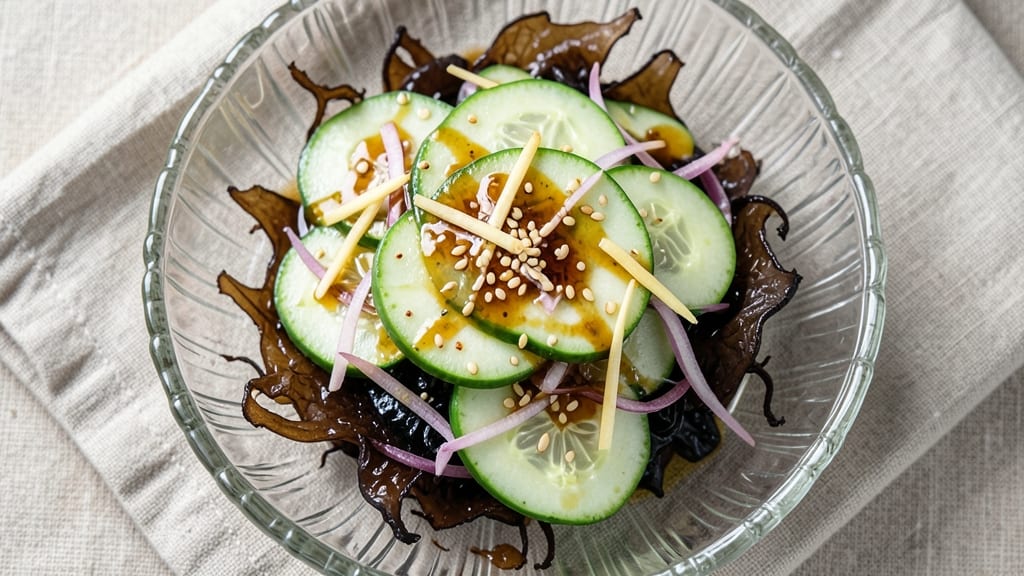
This black fungus and cucumber salad recipe delivers a perfect balance of earthy, chewy texture and crisp, refreshing cucumber bites. The contrast between the two creates a satisfying crunch in every bite, making it a standout dish for any meal.
I've perfected this recipe to highlight the natural flavors while keeping preparation simple and efficient.
The key to this salad lies in properly preparing the black fungus—soaking it to remove any bitterness and slicing it thinly for an ideal texture. Combined with cool, crisp cucumber slices and a light, tangy dressing, each component enhances the others.
This dish is not only visually appealing but also packed with nutrients and umami flavor.
What you'll achieve is a salad that's both refreshing and deeply satisfying, with the chewy black fungus providing a unique texture that contrasts beautifully with the crisp cucumber. The dressing ties everything together, adding a bright, zesty note that complements the earthy flavors of the fungus.
This salad works beautifully as a side dish or even as a light main course, especially during warm weather. Garnish with sesame seeds or a sprinkle of chili flakes for added depth and flavor. Let's get started on creating this delightful dish!
Ingredients for black fungus and cucumber salad
Earthy black fungus meets crisp cucumber in this vibrant, nutrient-packed salad recipe designed for perfect texture contrast.
| Ingredient | Amount | Notes |
|---|---|---|
| Dried Black Fungus (Wood Ear Mushroom) 🍄 | 1 oz | Soaked 30 mins, sliced thin |
| Persian Cucumber 🥒 | 2 whole | Seedless, sliced 1/4-inch thick |
| Red Onion 🧅 | ½ whole | Thinly sliced, marinated 10 mins |
| Fresh Ginger 🌿 | 1 tbsp | Finely grated, freshly peeled |
| Rice Vinegar 🍶 | 3 tbsp | Seasoned, unseasoned works too |
| Sesame Oil 🫒 | 1 tbsp | Toasted, not flavored |
| Maple Syrup 🍯 | 1 tbsp | Pure, grade B preferred |
| Toasted Sesame Seeds 🌾 | 1 tbsp | Lightly toasted, for garnish |
| Red Chili Flakes 🌶️ | ½ tsp | Adjust to taste, optional |
| Sea Salt 🧂 | ¾ tsp | Diamond Crystal preferred |
| Black Pepper 🌶️ | ¼ tsp | Freshly cracked, coarse grind |
| Vegetable Oil 🫒 | 1 tbsp | For stir-frying fungus |
The black fungus requires careful preparation to remove bitterness and achieve ideal texture. Asian markets carry high-quality dried wood ear mushrooms—look for plump, dark pieces without debris. Soak the fungus for at least 30 minutes before slicing; this removes impurities and enhances chewiness. For cucumbers, Persian types are ideal due to their seedless texture and crispness. Thinly sliced red onion adds depth when briefly marinated in vinegar. Fresh ginger should be organic and firm—peel and grate just before using to preserve its bright flavor profile.
No rice vinegar? Apple cider vinegar works well at the same quantity, though it offers a slightly milder tang. Substitute maple syrup with agave nectar or date syrup for a similar sweetness profile. For those avoiding sesame oil, toasted walnut oil provides a comparable nutty richness. The chili flakes can be omitted entirely or replaced with freshly chopped Thai basil leaves for a different herbal note. If you prefer a lighter dressing, reduce the sesame oil to 1 teaspoon and add an extra tablespoon of water to thin the mixture.
Store prepped ingredients separately in airtight containers for up to 3 days in the refrigerator. The black fungus and cucumber hold well when refrigerated, though the dressing should be mixed fresh before serving. For best texture, assemble the salad just before eating. This dish freezes beautifully—package the dressing separately and combine with thawed ingredients. Garnishes like sesame seeds and chili flakes should be added fresh to maintain their crispness and aroma. The salad maintains its vibrant colors and satisfying crunch for 2 days when properly stored.
Why You'll Love This Recipe
- No-Soak Shortcut: I’ll be real—soaking dried black fungus overnight used to feel like a chore. But here’s the hack: just rinse it well, then boil for 10 minutes. That’s it. The texture’s still perfect, and I’m not waiting around for water to work its magic.
- Umami-Crisp Magic: Between us, that rehydrated black fungus has a chewy, almost seaweed-like depth that just sings with Persian cucumber’s cool snap. Add a splash of rice vinegar and a whisper of ginger, and suddenly you’ve got a flavor punch that’s light yet impossible to stop eating.
- Potluck Star: This salad’s my go-to for gatherings—it’s cold, fresh, and holds up for hours without wilting. Pack it in a jar, and it’s a crowd-pleaser that actually looks impressive. (Yes, even on a Tuesday night.)
- Pantry Goldmine: Honestly, the ingredients cost me less than $8 total, and the black fungus lasts for weeks if stored right. Plus, leftovers? They taste even better the next day—if they survive that long. My lunchbox’s new best friend.
Step-by-step instructions for black fungus and cucumber salad
Transform these simple ingredients into a harmonious dish where earthy textures meet bright, refreshing flavors.
Rehydrate and Prepare the Black Fungus
Begin by placing the 1 oz dried black fungus in a bowl and covering it with hot water. Let it soak for at least 30 minutes, or until it becomes pliable and expands significantly. The fungus should triple in size and develop a tender, almost translucent appearance. Drain thoroughly and pat dry with paper towels to remove excess moisture.
Using a sharp knife or kitchen shears, slice the rehydrated fungus into thin strips about 1/8-inch wide. The texture should be delicate yet slightly chewy, similar to thin rice paper. Set aside for the stir-frying step—this preparation ensures the fungus absorbs flavors without becoming soggy. If you notice any tough pieces, slice them even thinner to guarantee uniform texture throughout the salad.
Marinate the Cucumber and Onion
Slice the 2 whole Persian cucumbers into 1/4-inch thick rounds, removing the seeds if they're not already seedless. Thinly slice the 0.5 whole red onion into half-moon shapes. Place both in a large bowl and toss gently with 1 tablespoon of the rice vinegar. Let this mixture marinate for 10 minutes while you prepare the remaining ingredients.
The acidity from the vinegar will begin to break down the cucumber's cell structure, creating a slightly softer texture that balances the salad's crunch. This step also prevents the cucumbers from releasing excess water later, which could dilute the dressing. The onions will soften slightly and develop a subtle sweetness that complements the earthy fungus.
Create the Dressing and Seasoning Base
In a small bowl, whisk together the remaining 2 tablespoons of rice vinegar, 1 tablespoon of maple syrup, 1 tablespoon of sesame oil, 0.75 teaspoon of sea salt, 0.25 teaspoon of black pepper, and 0.5 teaspoon of red chili flakes. The dressing should have a glossy sheen and a balanced sweet-spicy-savory profile. Taste and adjust the seasoning—you may want to add a pinch more salt or chili to suit your preference.
This dressing serves as the flavor bridge between the salad's components. The maple syrup adds depth while the sesame oil contributes a nutty richness. The chili flakes provide a subtle heat that enhances the earthy notes of the fungus without overpowering the fresh cucumber. Keep this mixture aside until you're ready to combine everything.
Stir-Fry the Black Fungus
Heat 1 tablespoon of vegetable oil in a non-stick skillet over medium-high heat until shimmering. Add the sliced black fungus and stir-fry for 2-3 minutes, until the edges begin to crisp slightly and the fungus turns a deeper brown color. Be careful not to overcrowd the pan—work in batches if necessary to maintain even cooking.
The fungus should develop a delicate caramelization that adds complexity to the dish. Remove from heat and let cool for 2 minutes before transferring to the salad bowl. This brief cooking step enhances the fungus's natural umami without making it rubbery. The slight crispness will provide an exciting textural contrast to the salad's other components.
Assemble and Garnish the Salad
In a large serving bowl, combine the marinated cucumbers and onions with the stir-fried black fungus. Pour the prepared dressing over the top and toss gently to coat all ingredients evenly. Add the finely grated 1 tablespoon of fresh ginger and the 1 tablespoon of toasted sesame seeds, tossing just until combined. The salad should be vibrant with contrasting colors—deep brown fungus against bright green cucumber and white onion.
Let the salad sit for 5 minutes before serving to allow the flavors to meld. Garnish with an additional sprinkle of toasted sesame seeds and a few extra red chili flakes if desired. Serve immediately while the ingredients are still crisp and the dressing is most flavorful. This dish balances textures beautifully—crisp cucumbers, tender fungus, and the slight bite from the onions—all united by the bright, tangy dressing.
Pro Tips For Making Black Fungus And Cucumber Salad
- SOAK FUNGUS TWICE: Dried black fungus is stubborn—soak it in warm water for 30 minutes, drain, then repeat with fresh water for another 20 minutes. I learned this the hard way: skipping the second soak leaves it chewy instead of silky, and that’s a dealbreaker for this salad.
- SLICE ONION THIN: Use a mandoline or sharp knife to cut red onion paper-thin—any thicker and it’ll dominate the salad with bite instead of sweetness. If you’re lazy like me, freeze the onion for 10 minutes first; it slices cleaner and faster.
- DRESS AFTER CUTTING: Add rice vinegar and ginger dressing only after everything’s chopped and drained. I used to mix it in early, and the cucumbers would turn soggy while the fungus stayed dry—now the textures stay crisp and the flavors marry perfectly.
- SALT THE CUCUMBER: Toss Persian cucumber slices with a pinch of salt and let sit for 5 minutes before rinsing. It draws out excess water, making them crunchier and preventing a watery salad—trust me, this small step makes a real difference.
Troubleshooting this recipe
Mushy Black Fungus Fix
If your black fungus turns out too soft or slimy after soaking, it likely absorbed too much water. Drain it thoroughly and pat dry with paper towels—press firmly to remove excess moisture.
For extra texture, stir-fry it for an additional 1-2 minutes after the initial 2-3 minutes to crisp the edges slightly. This technique prevents the fungus from becoming mushy in the salad. 💫
Watery Cucumber Solution
Excess moisture from cucumbers can dilute your dressing and make the salad soggy. To prevent this, slice them just before assembling the salad and pat each slice gently with a paper towel.
Another trick is to sprinkle ½ teaspoon of salt over the cucumbers and let them sit in a colander for 10 minutes before rinsing and draining. This draws out excess water while enhancing flavor.
Dressing Too Thin?
If your dressing separates or becomes too watery, reduce the rice vinegar by 1 teaspoon and add ½ teaspoon of toasted sesame seeds to thicken it naturally. For an instant fix, whisk in ½ teaspoon of cornstarch mixed with 1 teaspoon of water until smooth.
This creates a glossy, cohesive dressing that clings beautifully to the salad ingredients.
Uneven Cooking
If some pieces of black fungus cook faster than others, slice them to uniform thickness before stir-frying. For stubbornly tough pieces, soak them in hot water for an extra 10 minutes before slicing.
When stir-frying, work in small batches to avoid overcrowding the pan. A lightly oiled non-stick skillet at medium-high heat ensures even cooking without sticking. 🔥
Onion Too Strong?
If the red onion flavor overpowers the salad, reduce the marination time to just 5 minutes instead of 10 minutes. For a milder taste, soak the sliced onion in cold water for 5 minutes before draining and adding to the salad.
Alternatively, replace half the red onion with thinly sliced shallots, which have a more delicate sweetness.
Garnish Overload
Too many sesame seeds or chili flakes can make the salad taste heavy or overly spicy. Start with just ½ tablespoon of sesame seeds and ¼ teaspoon of chili flakes as garnish.
Taste before adding more—sometimes the dressing already carries enough flavor. For a lighter touch, use toasted pumpkin seeds instead of sesame seeds for a nutty crunch without overpowering the dish.
Nutrition facts
Frequently asked questions
Why does black fungus need soaking before using?
Soaking removes impurities and bitterness while rehydrating the fungus for perfect texture. Without soaking, the dried pieces would be too hard and absorb flavors poorly. The 30-minute soak time ensures tender, chewy strips that hold up beautifully in the salad.
Can I use regular cucumbers instead of Persian cucumbers?
Yes, but Persian cucumbers work best because they're seedless and stay crisp longer. If using regular cucumbers, remove all seeds and pat slices dry with paper towels to prevent excess water in the salad. This helps maintain the dressing's balance and texture.
How do I make this salad spicier?
Add more red chili flakes to the dressing or garnish with extra fresh chili like Thai bird's eye peppers. For heat without spice, try a pinch of ground Sichuan peppercorns in the dressing. Always taste before serving to adjust to your preference.
Is this salad suitable for meal prep?
Best served fresh, but you can prep components ahead: store rehydrated fungus and sliced veggies separately for 3 days. Keep dressing separate until ready to serve to maintain crispness. The fungus stays chewy when refrigerated properly.
What's the best way to store leftover dressing?
Transfer dressing to an airtight container and refrigerate for up to 5 days. The sesame oil may separate—just whisk before using. For longer storage, freeze in ice cube trays and thaw as needed. This preserves all flavors perfectly for future salads.