
Side Dishes
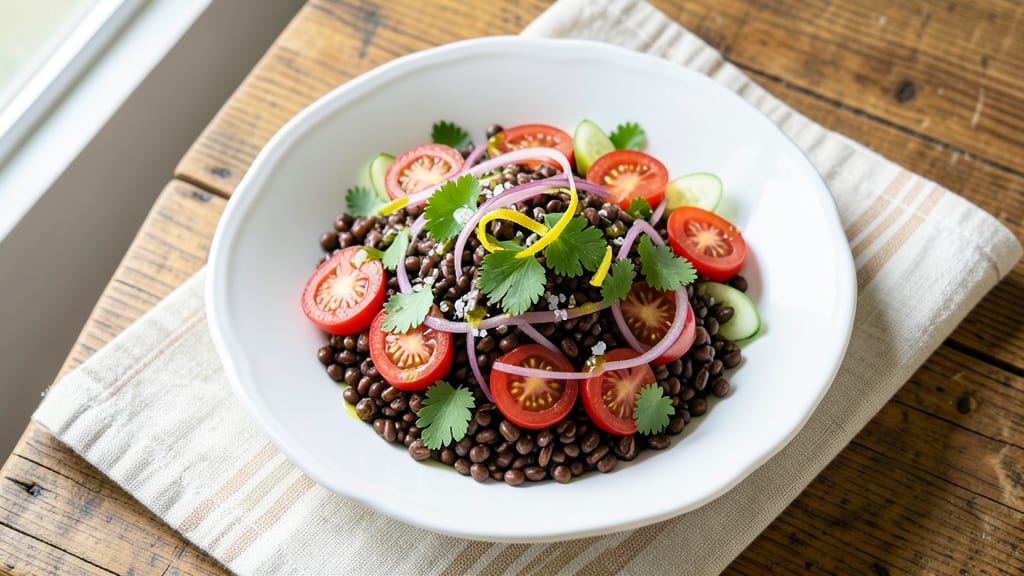
This black barley salad recipe transforms humble grains into a vibrant, nutty dish that steals every meal. The deep black barley adds an earthy crunch, while bright lemon-herb dressing cuts through its richness—creating a balance that’s both rustic and refined.
I’ve perfected this salad over years of testing, ensuring the textures and flavors come together effortlessly, whether served as a side or a hearty main.
The secret lies in the preparation: barley cooked until tender yet still holding its shape, paired with crisp vegetables like cucumbers and cherry tomatoes for freshness. A zesty lemon-vinaigrette ties everything together, while optional protein—like grilled chicken or chickpeas—adds substance.
The result? A salad that’s as satisfying as it is visually striking, with layers of flavor that keep coming.
What makes this salad truly special is its versatility. It works as a light lunch, a side for grilled meats, or even a cold supper. The barley’s nutty depth pairs beautifully with the dressing’s brightness, while the vegetables add a satisfying crunch.
Each bite delivers a harmonious mix of textures and flavors, proving that simple ingredients can create something extraordinary.
Ready to elevate your salads? This recipe is designed to be foolproof, with clear steps and adaptable ingredients. Whether you’re a seasoned cook or a beginner, you’ll achieve restaurant-quality results with minimal effort. Let’s get started!
Ingredients for black barley salad
Transform humble grains and fresh produce into a restaurant-worthy black barley salad with these carefully chosen ingredients.
| Ingredient | Amount | Notes |
|---|---|---|
| Black Barley 🌾 | 1 cup | Uncooked, rinsed thoroughly |
| Fresh Cucumber 🥒 | 1 ½ cups | Diced, skin on for texture |
| Cherry Tomatoes 🍅 | 1 cup | Halved, seeds removed |
| Red Onion 🧅 | ½ cup | Thinly sliced, white part only |
| Fresh Flat-Leaf Parsley 🌿 | ¼ cup | Chopped, stems removed |
| Extra-Virgin Olive Oil 🫒 | ½ cup | Light, fruity variety |
| Fresh Lemon Juice 🍋 | ¼ cup | Strained, no pulp |
| Dijon Mustard 🍯 | 1 tbsp | High-quality, smooth |
| Honey 🍯 | 1 tbsp | Raw, unprocessed preferred |
| Diamond Crystal Kosher Salt 🧂 | 1 tsp | Fine grain preferred |
| Freshly Ground Black Pepper 🌶️ | ½ tsp | Coarsely ground |
| Grilled Chicken Breast 🍗 | 1 lb | Optional, diced (1-inch pieces) |
The black barley is the star—look for unsoaked varieties at specialty grocers like Whole Foods or Trader Joe's for the deepest color. Rinsing it thoroughly before cooking removes excess starch, preventing gumminess. If you can't find black barley, forbidden rice works as a substitute, though the texture will differ slightly. The cucumber should be crisp, not waxy—organic varieties from the store's refrigerated section stay fresher longer. Red onions add a sharp bite; shallots can replace them if you prefer milder flavor. Fresh parsley is non-negotiable here—dried loses its vibrant color and punch when rehydrated, so buy it in small bunches and use it within 3-4 days for peak freshness.
No extra-virgin olive oil? Avocado oil works equally well, though it lacks the fruity notes. The lemon juice must be freshly squeezed—bottled versions contain preservatives that dull the flavor. Honey adds balance; maple syrup is a suitable substitute for those avoiding honey. The Dijon mustard should be smooth, not whole-grain, to prevent graininess in the dressing. For the optional protein, grilled shrimp or white beans make excellent alternatives to chicken. If omitting protein entirely, increase the barley by 0.25 cup to maintain heartiness. The dressing ratio is precise—measure carefully to achieve the perfect tangy-sweet balance.
Store uncooked barley in an airtight container in a cool, dark pantry for up to 6 months. Once cooked, refrigerate in a sealed container for 4-5 days or freeze for 3 months in portion-sized bags. Fresh vegetables should be prepped just before serving to preserve crispness; cucumber and tomatoes release moisture when cut, so pat them dry with a paper towel before adding to the salad. The dressing keeps for 5 days in the fridge—shake well before using as separation occurs naturally. For meal prep, assemble the salad 1-2 hours ahead to let flavors meld; add dressing just before serving to maintain texture.
Why You'll Love This Recipe
- No-Cook Crunch: Honestly, the best part? You don’t even need to boil water. Toss the pre-cooked black barley with cucumber, tomatoes, and onion—just chop, mix, and boom. It’s the kind of salad where the only effort is slicing, and even that’s forgivable because the result is so fresh.
- Earthy & Bright: Between us, that black barley has a nutty, almost smoky depth that surprises people. Pair it with crisp cucumber, juicy tomatoes, and a sprinkle of parsley, and you’ve got a salad that’s ridiculously satisfying—no dressing required, though I won’t judge if you add lemon.
- Lunchbox Legend: This is my go-to for work lunches or picnics. It holds up for days in the fridge (yes, really), and the textures stay perfect—no soggy bits. Pack it in a jar, and it’s like a mini vacation in your lunchbox.
- Budget Powerhouse: Black barley is cheaper than quinoa, and the rest of the ingredients? Mostly veggies you already have. I’ve made this for $5 and fed four people—no leftovers, just happy bellies. Plus, it’s one of those salads that tastes better the next day.
Step-by-step instructions for black barley salad
Here's how to assemble this nutritious, textured salad with perfect balance.
Cook the Black Barley to Al Dente Perfection
Rinse the 1 cup black barley thoroughly under cold water to remove any bitterness. In a medium saucepan, combine the barley with 2 cups water and bring to a boil over high heat. Once boiling, reduce heat to medium-low and simmer uncovered for 25-30 minutes until the barley is tender but still holds its shape—you should see a slight resistance when you press between your fingers with a fork.
Drain any excess water through a fine-mesh strainer and immediately transfer the barley to a large bowl. Let it cool to room temperature before proceeding. The cooling step prevents the dressing from turning the barley mushy when combined later. I like to spread it on a wide plate to cool faster while I prep the remaining ingredients.
Prepare and Combine the Fresh Vegetable Components
Using a sharp chef's knife, dice the 1.5 cups fresh cucumber into ¼-inch cubes, leaving the skin on for added texture. Halve the 1 cup cherry tomatoes and carefully remove the seeds with your fingers or a small spoon. Thinly slice the 0.5 cup red onion using a mandoline or sharp knife, keeping only the white portion for milder flavor. Chop the 0.25 cup fresh flat-leaf parsley finely, removing any woody stems.
Add all the prepared vegetables to the cooled barley along with the 1 lb grilled chicken breast, diced into 1-inch pieces if using. Gently toss everything together with a large spoon, being careful not to bruise the vegetables. The goal is to distribute the ingredients evenly while maintaining their individual textures—this is where the salad gets its satisfying crunch and bite.
Whisk Together the Lemon-Herb Dressing
In a small bowl, combine the 0.5 cup extra-virgin olive oil, 0.25 cup fresh lemon juice, 1 tbsp Dijon mustard, 1 tbsp honey, 1 tsp Diamond Crystal kosher salt, and 0.5 tsp freshly ground black pepper. Whisk vigorously for 30 seconds until the mixture emulsifies into a smooth, glossy dressing with no visible streaks of oil.
Taste the dressing and adjust the seasoning if needed—you might want to add a pinch more salt or a squeeze of lemon for brightness. The dressing should have a balanced tanginess from the lemon, subtle sweetness from the honey, and a smooth, rich texture from the olive oil. This is the flavor foundation that ties all the components together.
Toss and Rest for Maximum Flavor Development
Pour the dressing over the barley and vegetable mixture, then gently toss everything together with your hands or a large spoon. Work quickly but thoroughly to ensure each component is evenly coated. The salad will look vibrant with the deep green of the parsley, the bright red of the tomatoes, and the earthy tones of the barley.
Cover the bowl with plastic wrap and refrigerate for at least 30 minutes before serving. This resting period allows the flavors to meld and the dressing to fully penetrate the barley and vegetables. When ready to serve, give it one final gentle toss to redistribute any settled ingredients. The salad should be refreshing, with a perfect balance of nutty barley, crisp vegetables, and zesty dressing.
Pro Tips For Making Black Barley Salad
- Rinse Black Barley Twice: I learned this the hard way—skipping the rinse leaves a bitter, starchy residue that ruins the salad’s freshness. Use a fine-mesh strainer and run it under cold water for 30 seconds each time, even if the package says it’s pre-washed. The extra step guarantees cleaner grains and better texture.
- Slice Onions Thinly, Soak Them: Thinly sliced red onion adds bite, but it can overpower the dish if left raw. Cut them into 1/8-inch strips, then toss with ice water for 5 minutes to mellow the sharpness. Drain well before mixing—this keeps the flavor bright without overwhelming the cucumbers and tomatoes.
- Cook Barley Until Tender, Not Mushy: Black barley needs 25–30 minutes in simmering water (check the package, but don’t trust it blindly). Test for doneness by biting a grain—it should hold its shape but yield slightly, like al dente pasta. Overcooking turns it into a gluey mess that clumps the salad.
- Upgrade Parsley with a Pulse: Chiffonade is pretty, but a quick pulse in a food processor gives you finely chopped parsley that distributes flavor evenly. Use 2 tablespoons of stems too—they’re packed with flavor and add depth without bitterness. Skip this, and you’ll miss out on that herbal punch.
Troubleshooting this dish
Barley Too Soft?
If your black barley turns out mushy, you likely overcooked it. The key is 25-30 minutes on medium-low heat—test doneness by pressing a grain between your fingers. If it feels completely soft with no resistance, it's overdone.
For next time, reduce cooking time by 2-3 minutes and check frequently. Undercooked barley? Simply return it to the pot with ¼ cup fresh water, cover, and simmer for 5-7 minutes until tender. 🌡️
Dressing Too Thick?
Thick dressing happens when oil and lemon separate. To fix it, whisk in 1-2 tsp warm water to thin it out. For prevention, always whisk the dressing vigorously for 30 seconds and let it sit for 5 minutes before using—this helps emulsify naturally.
If you're still struggling, add ½ tsp Dijon mustard (already in your recipe) to stabilize it. Store-bought mustard works too if you're in a pinch.
Vegetables Too Watery?
Cucumbers and tomatoes release moisture when cut, making your salad soggy. Pat them dry with paper towels before adding to the bowl. For extra insurance, chill the vegetables for 15 minutes in the fridge before assembling—this reduces moisture release.
If your salad still looks waterlogged, drain excess liquid by placing it in a fine-mesh strainer for 5 minutes before tossing with dressing. 🥒
Flavor Too Mild?
Need more zing? Boost the dressing with 1 extra tbsp lemon juice or ½ tsp red pepper flakes for heat. For depth, add 1 tsp capers or 1 anchovy fillet (finely chopped) to the dressing—these add umami without overpowering.
If the barley tastes bland, toast it first: spread 1 cup uncooked barley on a baking sheet and bake at 350°F for 10 minutes before cooking as directed. This enhances its nutty flavor.
Salad Too Dry?
Dryness usually means the dressing wasn't distributed evenly. Toss the salad again and let it sit for 10 minutes—the dressing will penetrate better. If it's still dry, drizzle in 1 extra tbsp olive oil and mix gently.
For extra moisture, add 2 tbsp plain yogurt to the dressing (whisk well to avoid separation). If using grilled chicken, ensure it's not overcooked—dry protein makes the whole salad dry.
Barley Not Cooking?
If your barley refuses to soften, it might be old or low-quality. Rinse it again under cold water to remove any residual starch, then simmer in fresh water with ½ tsp baking soda (neutralizes acids that prevent cooking).
For stubborn grains, try the pressure cooker method: cook on high pressure for 8 minutes, then quick-release. If all else fails, swap in 1 cup cooked quinoa (rinsed well) as a backup—it cooks faster and has a similar texture. 💡
Nutrition facts
Frequently asked questions
What makes black barley different from regular barley?
Black barley has a deep, earthy flavor and nutty crunch that sets it apart from regular barley. Its dark color comes from a special hull that's naturally rich in antioxidants. The texture is firmer and holds up better in salads, while regular barley tends to soften more quickly. For this recipe, black barley's unique taste and texture make it the perfect star ingredient.
Can I make this salad ahead of time?
Prepare the salad up to 24 hours ahead by cooking the barley and chopping all vegetables, but hold off on adding the dressing. Store components separately in airtight containers in the fridge. When ready to serve, simply toss everything together with fresh dressing. This prevents sogginess and keeps the vegetables crisp.
What are good protein alternatives to grilled chicken?
For a vegetarian option, try 1 cup cooked chickpeas or ½ cup white beans for heartiness. Other great choices include grilled shrimp, tofu cubes, or even crumbled feta cheese for a Mediterranean twist. Just ensure your protein is cooked and cooled before adding to maintain the salad's texture.
How do I store leftovers?
Store leftovers in an airtight container in the refrigerator for up to 4 days. Keep the dressing separate until ready to eat to maintain crispness. For longer storage, freeze the salad without dressing for up to 3 months. Thaw overnight in the fridge and add fresh dressing when ready to serve.
Why does my dressing separate?
Dressing separation happens when oil and vinegar don't fully emulsify. To fix it, whisk vigorously for 30 seconds or add 1 tsp Dijon mustard (already in your recipe) to stabilize it. For prevention, always whisk the dressing thoroughly and let it sit for 5 minutes before using. If needed, add 1 tsp warm water to thin it out.