
Side Dishes
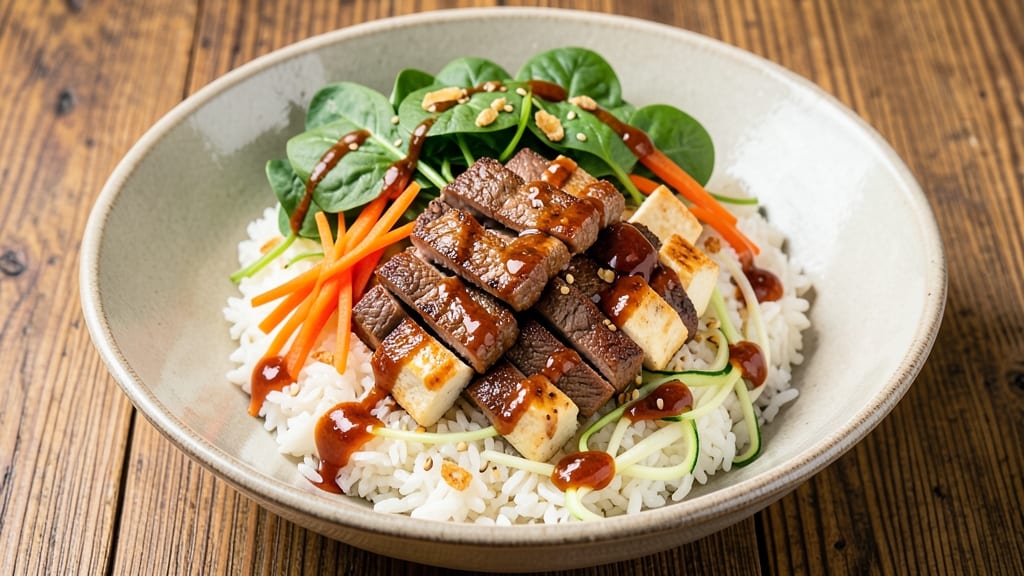
This bibimbap salad recipe transforms Korean-inspired flavors into a crispy, vibrant bowl that balances textures and colors. The secret lies in perfectly cooked rice, caramelized vegetables, and a rich gochujang sauce that ties everything together.
I developed this version to capture the essence of traditional bibimbap while making it adaptable for home cooks—no special equipment required.
The foundation of great bibimbap starts with short-grain rice, which stays tender and slightly sticky. Vegetables like spinach, carrots, and zucchini are sautéed separately to preserve their individual textures—crispy edges on some, tender bites on others.
A quick sear in a hot pan ensures that crispy finish that makes every bite exciting. The protein, whether beef or tofu, adds heartiness without overpowering the dish.
What makes this recipe stand out is the layering technique: each component gets its own space in the bowl, creating a visual feast before you even mix it all together.
The gochujang sauce, a blend of fermented chili paste, sesame oil, and soy sauce, adds depth and a subtle spicy kick. When you heat the bowl briefly, the sauce melts into the rice, creating a cohesive, flavorful experience.
Serve this bibimbap as a complete meal or as a side for grilled meats. The beauty of this dish lies in its flexibility—swap in seasonal vegetables, adjust the spice level, or add fusion ingredients like avocado or fried eggs for a modern twist.
Let’s bring the flavors of Korea to your table with this foolproof recipe.
Ingredients for bibimbap salad
The vibrant heart of Korean cuisine meets your kitchen with these quality ingredients designed for crispy, layered perfection.
| Ingredient | Amount | Notes |
|---|---|---|
| Short-Grain White Rice 🍚 | 1 ½ cups | Uncooked, jasmine or sushi rice preferred |
| Carrots 🥕 | 1 lb | Julienned into thin strips for crispiness |
| Zucchini 🥒 | 1 lb | Thinly sliced lengthwise for crisp-tender texture |
| Baby Spinach 🍃 | 5 oz | Fresh, loosely packed |
| Beef Top Sirloin 🥩 | 12 oz | Thinly sliced against grain for tenderness |
| Firm Tofu 🍫 | 8 oz | Extra-firm, pressed and cubed |
| Sesame Oil 🫒 | 2 tbsp | Toasted sesame oil for aroma |
| Gochujang Sauce 🌶️ | ⅓ cup | Korean fermented chili paste |
| Soy Sauce 🥫 | ¼ cup | Light or all-purpose soy sauce |
| Rice Vinegar 🍶 | 1 tbsp | For sauce acidity balance |
| Sesame Seeds 🌰 | 1 tbsp | Toasted for garnish |
| Vegetable Oil 🫒 | 2 tbsp | High smoke point for searing |
| Salt 🧂 | 1 tsp | Diamond Crystal preferred |
| Black Pepper 🌶️ | ½ tsp | Freshly ground for heat |
| Garlic Cloves 🧄 | 4 cloves | Minced for sauce base |
The rice is non-negotiable—jasmine or sushi rice delivers that signature stickiness. Lundberg Family Farms or Koshihikari brands are excellent choices. For the vegetables, freshness is critical—carrots and zucchini should be firm with vibrant color. The beef matters too: top sirloin slices thinly against the grain for that melt-in-your-mouth texture. If using tofu, extra-firm is essential—press it for 30 minutes before cubing to remove excess water. Gochujang sauce is the flavor anchor; Maesil Gochujang or Dae Yang brands capture authentic depth.
No sesame oil? Toasted peanut oil works in a pinch, though it lacks that nutty aroma. Substituting beef? Thinly sliced mushrooms or extra tofu maintain texture. The sauce can be adjusted—add honey for sweetness or extra vinegar for tang. For the vegetables, bell peppers or bean sprouts add color and crunch. The key is maintaining that crispy finish: high heat and quick cooking preserve texture. If your pan isn't hot enough, the vegetables will steam instead of caramelize.
Prep ahead where possible: cook the rice and store it at room temperature for up to 2 hours before assembling. The sauce keeps for 1 month in the fridge, though it tastes freshest within 2 weeks. For maximum crispiness, sauté vegetables just before serving. The assembled bibimbap reheats beautifully—30 seconds in the microwave melts the sauce into the rice perfectly. Portion into individual bowls for easy serving, or store components separately in airtight containers for 3 days.
Why You'll Love This Recipe
- No-Chop Night: I swear by this when I’m too tired to julienne—just spiralize the carrots and zucchini, toss them in the pan, and call it a day. The beef stays juicy no matter how quickly I slice it, and the spinach wilts in seconds.
- Umami Bomb: That thinly sliced beef, seared just until it’s still tender, melts into the rice like a flavor bomb. Honestly, the first time I tasted it, I wondered why I didn’t do this sooner—it’s the kind of dish that makes you close your eyes mid-bite.
- Lunchbox Hero: Between us, this is my go-to for meal prep. Pack the rice, veggies, and beef separately, and let everyone assemble their own bowl. My kids actually eat their greens this way—no complaints, just clean plates.
- Budget Power Move: A single sirloin feeds four, the veggies stretch across multiple meals, and the rice? Cheap as it gets. I’ll be real: I make this twice a month just to keep my grocery bill in check without sacrificing flavor.
Step-by-step instructions for Korean-inspired rice bowl assembly
Here's the precise method to build a balanced bibimbap with perfectly textured components.
Prepare the Short-Grain White Rice Foundation
Rinse the 1.5 cups short-grain white rice under cold water until the water runs clear, then drain. Combine with 2 cups water in a pot and bring to a boil over high heat. Once boiling, reduce to low heat, cover, and simmer for 15 minutes. Remove from heat and let it steam covered for 10 minutes. Fluff with a fork—it should be tender but slightly moist for the perfect bibimbap texture.
This rice variety absorbs flavors beautifully while maintaining its individual grains. Don't skip the rinsing step; unrinsed rice can become gummy. The slight moisture after cooking prevents the rice from drying out when assembled with other components.
Cook the Protein Components Separately
For the 12 oz beef top sirloin, slice thinly against the grain and season with 1 tsp salt and 0.5 tsp black pepper. Heat 1 tbsp vegetable oil in a skillet over high heat until shimmering. Sear the beef for 1-2 minutes per side until deep brown and just cooked through. Remove and set aside.
For the 8 oz firm tofu, press between paper towels for 15 minutes, then cube. Heat 1 tbsp vegetable oil in a separate pan over medium heat. Add tofu and cook for 3-4 minutes per side until golden brown and crispy. Drain on paper towels and season lightly with 0.25 tsp salt.
Create Crisp-Tender Vegetable Medleys
Julienne the 1 lb carrots into thin strips and slice the 1 lb zucchini lengthwise into 1/8-inch thick pieces. Heat 1 tbsp vegetable oil in a wok over high heat until smoking. Add carrots first and stir-fry for 2 minutes until bright orange and just tender-crisp. Remove and set aside.
In the same pan, add zucchini and cook for 1-2 minutes until slightly softened but still holding shape. Transfer to a bowl and toss with 1 tsp sesame oil. For the spinach, heat 1 tbsp vegetable oil over medium-high heat, add 5 oz baby spinach, and wilt for 30 seconds until just tender. Season with 0.25 tsp salt.
Assemble the Signature Gochujang Sauce
In a small saucepan, combine 0.33 cup gochujang sauce, 0.25 cup soy sauce, 1 tbsp rice vinegar, and 2 tbsp sesame oil. Add the 4 minced garlic cloves and simmer over low heat for 3-4 minutes until fragrant. Remove from heat and let cool slightly. The sauce should be thick enough to coat the back of a spoon but still pourable.
This balance of umami, sweetness, and heat is what defines authentic bibimbap flavor. Taste and adjust—add a pinch more salt if needed, or a splash of water to thin if too thick. The sauce should complement, not overpower, the other components.
Build and Serve the Balanced Bowls
Divide the cooked rice evenly among 4 bowls. Arrange the beef, tofu, carrots, zucchini, and spinach in separate sections of each bowl. Drizzle with 1 tbsp gochujang sauce per serving and sprinkle with 1 tsp toasted sesame seeds. Serve immediately while components are at their peak texture—crisp vegetables, tender rice, and perfectly seared proteins.
The key to great bibimbap is the contrast of textures and temperatures. Each component should be distinct yet harmonious. Mix vigorously before eating to distribute the flavors evenly—a true Korean dining experience.
Pro Tips For Making Bibimbap Salad
- CUT ZUCCHINI LENGTHWISE: Thin slices won’t hold their shape when mixed—go for half-moons or quarter-moons instead. A sharp knife and firm pressure (don’t rush) keeps them uniform and easier to eat.
- SALT THE SPINACH BEFORE COOKING: Toss baby spinach with a pinch of salt and a drizzle of oil before wilted—it softens faster and crisps up better when reheated. I used to skip this and ended up with sad, limp greens.
- SEAR BEEF IN BATCHES: Crowd the pan, and the steak steams instead of sears. Work in single layers with a minute of rest between batches—your future self will thank you for that crust.
- COOK RICE WITH A SPLASH OF SESAME OIL: Add 1 teaspoon of toasted sesame oil to the cooking water for rice that’s subtly nutty and clings together. Sounds minor, but it makes the whole dish taste more intentional.
Creative variations of these flavors
Vegetarian Fusion Twist
Swap the beef for mushroom marinated in soy sauce and crispy kimchi for a vegetarian version that still packs umami depth. I love adding avocado slices for creaminess and toasted pumpkin seeds for crunch. The kimchi adds tangy complexity that balances the sweetness of the carrots beautifully. 🌱
Spicy Kimchi Bibimbap
For a fiery kick, mix ¼ cup kimchi into the gochujang sauce before serving. The fermented heat cuts through the richness of the tofu or beef while adding probiotic benefits.
I also add 1 tsp gochugaru (Korean chili flakes) directly to the rice for extra heat. Serve with cool cucumber salad to balance the spice. 🌶️
Seafood-Inspired Version
Replace the beef with shrimp or scallops—both cook in minutes and add luxurious texture. Sear the shrimp in 1 tbsp sesame oil for 1-2 minutes per side until pink, then finish with a sprinkle of toasted sesame seeds.
For scallops, pat dry and sear in a hot pan for 2 minutes per side until caramelized. The briny sweetness pairs perfectly with the earthy vegetables. 🦐
Breakfast Bibimbap
Transform this into a morning meal by adding a fried egg on top of each bowl. The runny yolk ties all the flavors together while adding richness.
I also stir 1 tbsp gochujang into the egg before cooking for extra spice. Serve with steamed greens on the side for a complete breakfast. 🍳
Cold Bibimbap Salad
For a refreshing summer version, chill all components after cooking and assemble cold. Toss the rice with 1 tbsp sesame oil and 1 tsp rice vinegar to prevent sticking.
Add chilled edamame and thinly sliced cucumber for extra freshness. The textures remain vibrant without any heating step. Perfect for picnics or hot days! 🥗
Protein Swap Options
Need variety? Try bulgogi-marinated chicken thighs (cook until crispy) or crispy tofu with a honey-sriracha glaze. For seafood lovers, grilled squid adds a unique texture. Each protein should be cooked until just done—overcooking turns bibimbap into a soggy mess. Keep portions balanced for the best flavor experience. 🍗
Nutrition facts
Frequently asked questions about bibimbap salad
Can I make bibimbap ahead of time?
Yes! Prep components separately and store them in airtight containers for up to 3 days. Keep the rice at room temperature and refrigerate the vegetables and proteins. Reheat the rice and proteins in a skillet for 2-3 minutes before assembling. The sauce can be made 1 month ahead and stored in the fridge.
What if I don't have gochujang sauce?
Make a quick substitute using 2 tbsp tomato paste, 1 tbsp soy sauce, 1 tsp honey, and ½ tsp red pepper flakes. Simmer for 3 minutes until thickened. This won't be identical but captures the essential sweet-spicy-savory balance.
How do I prevent the rice from getting soggy?
Use short-grain rice and cook it slightly underdone (remove from heat 1 minute early). When assembling, place the rice in the bowl first, then arrange other components around it. The heat from the proteins and vegetables will gently cook the rice further without making it mushy. Never mix everything together until serving!
What's the best way to reheat bibimbap?
Reheat components separately in a hot skillet with 1 tsp sesame oil for 1-2 minutes until everything is piping hot. Mix vigorously in the bowl to distribute flavors. Microwaving works in a pinch but can make the rice gummy. For extra crispiness, sear the vegetables again after reheating.
Can I make bibimbap without meat?
Use extra-firm tofu (pressed and cubed), marinated mushrooms, or crispy kimchi for umami. Add avocado or edamame for creaminess. The key is maintaining texture contrast—keep your proteins or protein substitutes crispy on the outside and tender inside.