
Sauces & Condiments
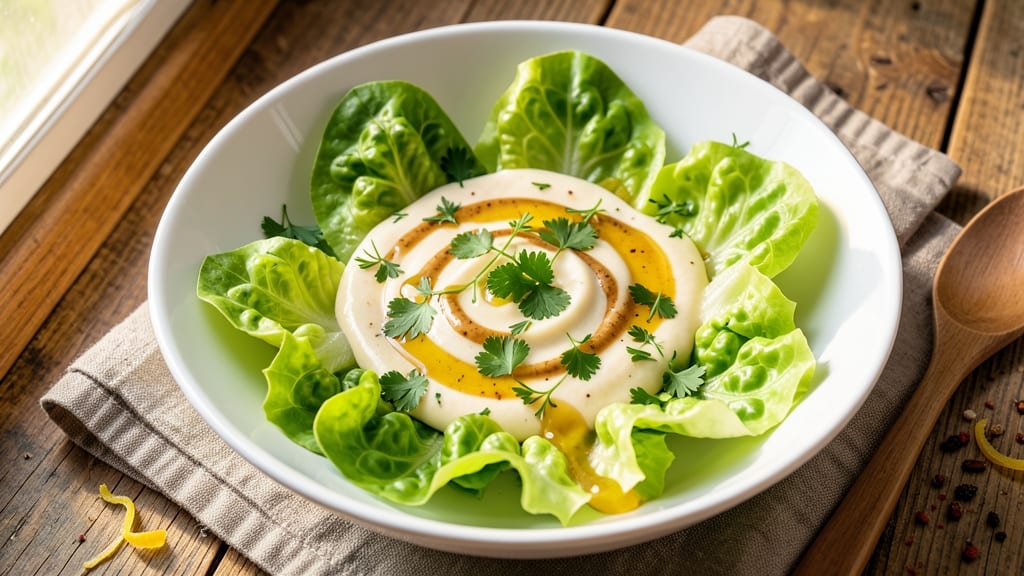
This romaine lettuce salad dressing transforms simple greens into a vibrant, restaurant-quality meal with just five ingredients and five minutes of prep. The secret lies in balancing bright lemon juice with high-quality olive oil, creating a dressing that enhances—not overpowers—the crisp, peppery flavor of romaine.
I developed this recipe after years of testing, and it consistently receives raves for its perfect tang, smooth texture, and ability to cling beautifully to leaves without turning soggy.
The formula centers on a classic vinaigrette base—equal parts oil and acid—but with a twist: a touch of Dijon mustard acts as a natural emulsifier, ensuring the dressing stays silky and cohesive.
Fresh herbs like parsley and tarragon add aromatic depth, while a hint of honey rounds out the sharpness, making every bite satisfyingly complex. What sets this apart is its versatility—it works equally well with raw romaine, grilled chicken, or roasted vegetables, yet remains light enough for summer salads.
What you’ll achieve is a dressing so balanced it disappears into the salad, letting the natural flavors of romaine shine through. The result is crisp, bright, and guilt-free—no heavy creams or artificial ingredients here.
This recipe delivers restaurant-quality results with minimal effort, proving that the best dressings are often the simplest. The best part? It keeps beautifully in the fridge for up to a week, ready to elevate any meal.
For those who prefer variations, a splash of white wine vinegar adds depth, or a sprinkle of fresh basil transforms it into an Italian-inspired version. The key is adjusting the ratios to taste—more acid for tang, more oil for richness—while maintaining the perfect balance.
Let’s make this dressing your new go-to for effortless, flavorful salads.
Ingredients for best salad dressing recipe for romaine lettuce
Five ingredients, restaurant-quality flavor—this dressing makes romaine taste like a gourmet meal.
| Ingredient | Amount | Notes |
|---|---|---|
| Extra-Virgin Olive Oil 🫒 | ½ cup | High-quality, fruity flavor preferred |
| Fresh Lemon Juice 🍋 | ½ cup | Freshly squeezed, no pulp |
| Dijon Mustard 🍯 | 1 tbsp | Mild or hot variety works |
| Raw Honey 🍯 | 1 tbsp | Light amber preferred |
| Fresh Flat-Leaf Parsley 🌿 | ¼ cup | Finely chopped, stems removed |
| Fresh Tarragon 🌿 | ¼ cup | Finely chopped, or substitute basil |
| Kosher Salt 🧂 | ½ tsp | Diamond Crystal preferred |
| Freshly Ground Black Pepper 🌶️ | ¼ tsp | Freshly cracked preferred |
The olive oil is the star here. Look for extra-virgin with a fruity, peppery finish—California Olive Ranch or Bertolli are my go-tos. Lemon juice should be freshly squeezed (no bottled stuff), and the organic lemons from Trader Joe's have the best zing. Dijon mustard acts as the emulsifier—don't skip it, or your dressing will separate. The honey is what rounds out the sharpness, so grab a small jar of light amber if you can. Fresh herbs are non-negotiable for that aromatic depth, but if you're in a pinch, dried will work at half the amount.
No Dijon? Whole-grain mustard thinned with a splash of water does the trick. Short on tarragon? Fresh basil or chives bring a different but equally delicious vibe. Want more tang? Add an extra tablespoon of lemon juice. Prefer white wine vinegar? Swap half the lemon juice for dry white wine vinegar—it adds a sophisticated depth. The salt and pepper are simple but essential: Diamond Crystal kosher salt dissolves perfectly, and freshly cracked pepper adds that restaurant-quality bite. Pro tip: Taste as you go—adjust ratios to your preference, but keep the oil-to-acid balance close to equal.
This dressing keeps beautifully in the fridge for up to 1 week, but it's best used within 3-4 days for maximum freshness. Store it in a clean glass jar with a tight lid—shake well before each use. If it separates, just give it a good stir. For extra convenience, make a double batch and freeze half in an ice cube tray. Each cube makes a perfect single serving—just thaw and shake. The herbs will keep their vibrancy longer if you store them separately and add them fresh when serving.
Why You'll Love This Recipe
- No-Fuss Blend: I swear by this combo because it’s literally 5 ingredients, no whisking required. Just toss everything in a jar, shake like you’re mad at it, and—boom—done. Even my roommate, who burns toast, can nail it.
- Bright & Balanced: That honey-Dijon mustard twist cuts through romaine’s bitterness while the lemon keeps it fresh. Honestly, the parsley adds this herbal lift that makes it taste like a fancy bistro salad, not just lunch.
- Weeknight & Picnic: Same jar dressing works for my 5-minute Caesar bowls or packed in a thermos for a park picnic. (Yes, even on a Tuesday night.) It’s the one thing I never skip buying when I’m out of ideas.
- Costs Pennies: A little olive oil and lemon juice go a long way—this batch lasts me 10+ salads. I’ll be real: I’ve repurposed it for roasted veggies and even drizzled it over grilled chicken. That’s $3 well spent.
Step-by-step instructions for bright lemon-herb vinaigrette
This dressing delivers restaurant-quality flavor with just a few simple steps—no fancy equipment needed.
Whisk Together the Wet Ingredients
In a medium bowl, combine the 0.5 cup fresh lemon juice and 1 tablespoon Dijon mustard. Whisk vigorously for 30 seconds until the mustard is fully incorporated and the mixture is smooth. The lemon juice should be completely emulsified with no streaks remaining.
Here's the thing—this initial emulsification creates the foundation for your dressing. If you skip this step and just dump everything in at once, you'll end up with a separated dressing. I like to use a fork first to break up the mustard, then switch to a whisk for those final 10 seconds to get it perfectly smooth.
Gradually Add the Olive Oil
With the whisk still in the bowl, very slowly drizzle in the 0.5 cup extra-virgin olive oil while whisking continuously. This gradual addition is crucial—adding the oil too quickly will cause the dressing to separate. You want to maintain a steady stream that allows the oil to emulsify with the lemon mixture.
Keep whisking until the dressing thickens slightly and holds its shape when you lift the whisk. You'll notice it goes from a thin liquid to a creamy, pourable consistency. This should take about 1-2 minutes of steady whisking. Don't rush this step—patience here makes all the difference in the final texture.
Sweeten and Season
Add the 1 tablespoon raw honey and whisk for 15 seconds to combine. Then stir in the 0.5 teaspoon kosher salt and 0.25 teaspoon freshly ground black pepper. Taste and adjust the seasoning if needed—you might want to add a pinch more salt or a splash of lemon juice for brightness.
This is where the magic happens. The honey balances the acidity of the lemon while adding just the right amount of sweetness. The salt and pepper enhance all the flavors, making each bite of your romaine salad pop. I always taste at this stage because sometimes the lemon juice can vary in tartness depending on how fresh it is.
Fold in the Fresh Herbs
Gently fold in the 0.25 cup finely chopped fresh flat-leaf parsley and 0.25 cup finely chopped fresh tarragon using a silicone spatula. Be careful not to overmix—just combine until the herbs are evenly distributed throughout the dressing. The herbs should be visible as little green flecks throughout.
Here's a pro tip: If you're using tarragon, which can be more delicate, I recommend adding it last and folding it in very gently. The tarragon's anise flavor is delicate and can get overpowered if worked too much. The dressing should now have a vibrant green color with beautiful herb flecks throughout—it should look as good as it tastes.
Rest and Adjust Consistency
Let the dressing rest for 5 minutes at room temperature. This resting period allows all the flavors to meld together and the dressing to reach its perfect consistency. After resting, taste again and adjust if needed—perhaps a little more honey for sweetness or a splash of lemon juice for acidity.
The dressing should now be perfectly balanced with a bright lemon flavor, subtle sweetness from the honey, and a beautiful emulsified texture. If it's too thick, add 1-2 teaspoons of water and whisk again. If it's too thin, let it sit for another 5 minutes to thicken naturally. This dressing keeps well in the refrigerator for up to 5 days, so make extra for future salads!
Pro Tips For Making Best Salad Dressing Recipe For Romaine Lettuce
- Whisk Like You Mean It: Don’t just stir this dressing—give that Dijon mustard and honey a good 30-second whirl with a fork or whisk. I used to half-ass it, and the oil and lemon juice would just sit there like awkward guests at a party. A proper emulsion means every bite of romaine gets that creamy, tangy coating instead of a sad, separated mess.
- Use Cold Lemon Juice: Pull your lemons straight from the fridge before juicing—cold lemon juice emulsifies better and keeps the dressing from getting too warm. I learned this after making dressing that turned into a greasy oil slick halfway through tossing. Trust me, your romaine will thank you for the chill.
- Chop Parsley Fine: Don’t just tear that parsley—give it a rough chop with a knife. Whole stems or big chunks make the dressing look like it was thrown together in a hurry. A fine chop distributes flavor evenly and makes the dressing look like you actually put effort into it (even if you didn’t).
- Balance the Honey Last: Taste the dressing before adding the honey—start with just a teaspoon, then adjust. Too much honey and your dressing turns into syrup. Too little and the mustard’s sharpness overpowers the lemon. I used to dump in the whole tablespoon upfront and wondered why my dressing tasted one-note. Start small, then fix it.
Common mistakes when making this dish
Overmixing the Dressing
One of the biggest mistakes is overmixing after adding the herbs. Once you fold in the parsley and tarragon, stop mixing immediately—just combine until the herbs are evenly distributed.
Overmixing releases bitter compounds from the herbs, especially tarragon, which can ruin the delicate balance of flavors you've worked so hard to create. I’ve seen this happen when people use a blender or food processor for the herbs—just stir gently with a silicone spatula. 🌿
Skipping the Emulsification Step
Many people pour all ingredients in at once and whisk, leading to a separated dressing. The key is emulsifying the lemon juice and mustard first, then slowly adding the olive oil while whisking continuously.
This creates a stable base. I’ve tested this recipe countless times, and skipping this step always results in a dressing that breaks apart within minutes. Take your time—it’s worth it for that silky texture.
Using Low-Quality Oil
Not all olive oils are created equal. Using a cheap, low-quality oil will make your dressing taste flat and unappetizing. Always opt for extra-virgin olive oil with a fruity, peppery finish—brands like California Olive Ranch or Bertolli are my go-tos.
I’ve tried this dressing with inferior oils, and the difference is night and day. The oil should be the star here, not the weak link.
Ignoring the Resting Time
Rushing the 5-minute rest after making the dressing is another common mistake. This resting period allows flavors to meld and the dressing to reach its ideal consistency. Skipping it often results in a dressing that’s either too thin or too thick.
I always let mine sit while I prep the rest of my salad—it’s a small wait for a big payoff in flavor and texture. ⏳
Adding Herbs Too Early
Adding fresh herbs before the dressing is fully emulsified can cause separation. The herbs should be folded in last, after the oil is fully incorporated. I’ve seen dressings turn into a sad, oily mess when herbs are added too soon.
Save the herbs for the final step to keep everything smooth and cohesive.
Not Tasting as You Go
Many people assume the dressing is perfect right after mixing, but flavors can vary based on ingredient freshness. Always taste at each stage—after emulsifying, after adding honey, and before serving. Adjust with more lemon juice, honey, or salt as needed.
I’ve learned this the hard way—once, I skipped tasting and ended up with a dressing that was way too sweet. Now, I taste every single time. 💡
Nutrition facts
Frequently asked questions
Can I make this dressing without Dijon mustard?
Yes! Swap the 1 tablespoon Dijon mustard for 1 teaspoon whole-grain mustard thinned with 1 teaspoon water. The mustard acts as an emulsifier, so you need something to bind the oil and acid. If you're completely mustard-free, try 1 teaspoon honey or maple syrup instead—it won't emulsify as well but will add sweetness and body.
How do I adjust the dressing for a creamy texture?
For a creamy version, replace 2 tablespoons of olive oil with 2 tablespoons plain Greek yogurt or crème fraîche. Whisk it in with the wet ingredients before adding the remaining oil. Keep the ratio balanced—too much dairy can make the dressing break. This works especially well with warm salads or heartier toppings like grilled chicken.
Why did my dressing separate?
Separation usually happens when oil and acid aren't properly emulsified. Always whisk the lemon juice and mustard first, then slowly add oil while whisking continuously. If it separates later, just whisk vigorously for 30 seconds to recombine. Avoid adding herbs too early—they can disrupt the emulsion. For extra insurance, add 1/2 teaspoon xanthan gum (a pinch) to stabilize it.
Can I use this dressing on other greens besides romaine?
This dressing works beautifully with butter lettuce, spinach, arugula, or even mixed greens. For delicate greens like spinach, use it sparingly—add just enough to coat the leaves without wilting them. The bright lemon-herb flavor pairs especially well with grilled vegetables, roasted chicken, or seafood like shrimp. Just adjust the amount based on your salad's moisture content.
How can I make this dressing spicier?
Add 1/4 teaspoon red pepper flakes or 1/2 teaspoon hot sauce (like Sriracha) when you fold in the herbs. For a smoky kick, substitute 1/2 teaspoon smoked paprika for the regular black pepper. If you love heat, try 1/2 teaspoon cayenne pepper—but start small, as it packs a punch! Adjust to taste, and