
Sauces & Condiments
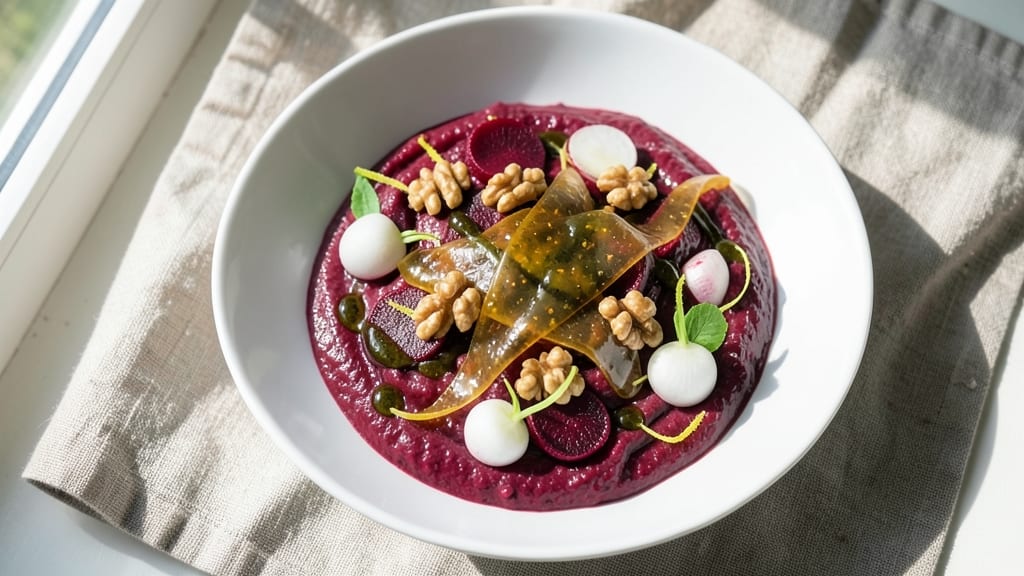
This beet salad vinaigrette transforms earthy beets into vibrant, balanced flavor without overpowering bitterness. 💛 The secret lies in a precise blend of apple cider vinegar, Dijon mustard, and maple syrup—creating a dressing that enhances rather than masks the natural sweetness of roasted beets.
I developed this recipe after struggling with store-bought options that either tasted too sweet or left a lingering metallic aftertaste.
The dressing achieves perfect emulsification through a simple technique: whisking vinegar and mustard first, then gradually incorporating olive oil while maintaining steady motion. This ensures a silky, clingy texture that coats every beet slice evenly.
The result is a bright, tangy dressing with just enough sweetness to complement the deep flavors of roasted beets, making it ideal for both warm and chilled salads.
What sets this vinaigrette apart is its versatility—it works equally well with raw beets, roasted beets, or even beet hummus. The dressing stays fresh in the refrigerator for up to 5 days, making it perfect for meal prep.
Whether you're serving a beet salad for a light lunch or using it as a dip for roasted vegetables, this recipe delivers professional-quality results with minimal effort.
The key to success lies in the balance of ingredients: the acidity of the vinegar brightens the beets, the Dijon mustard adds depth, and the maple syrup provides just enough sweetness to round out the flavors.
This dressing is vegan, gluten-free, and ready in just 5 minutes—making it a must-have for any salad lover. Let's get started!
Ingredients for beet salad vinaigrette
Nine ingredients transform earthy beets into vibrant, balanced vinaigrette perfection.
| Ingredient | Amount | Notes |
|---|---|---|
| Apple Cider Vinegar 🍏 | ¼ cup | Raw, unfiltered preferred |
| Dijon Mustard 🌶️ | 1 tbsp | High-quality, smooth variety |
| Pure Maple Syrup 🍯 | 1 tbsp | Grade B for deeper flavor |
| Extra-Virgin Olive Oil 🫒 | ½ cup | Light fruity variety preferred |
| Roasted Beet Puree 🧅 | ¼ cup | Homemade or store-bought |
| Fresh Lemon Juice 🍋 | 1 tbsp | Freshly squeezed preferred |
| Dry Mustard Powder 🌶️ | ¼ tsp | For extra depth of flavor |
| Sea Salt 🧂 | ½ tsp | Fine grain preferred |
| Freshly Ground Black Pepper 🌶️ | ¼ tsp | Freshly cracked for best flavor |
| Water 💧 | 1 tbsp | For thinning if needed |
The apple cider vinegar is non-negotiable here—it brightens the beets without overpowering. Bragg or Annie's raw vinegars are my go-to, but any unfiltered works. For the maple syrup, Grade B has a richer, deeper flavor that pairs better with beets. The Dijon mustard should be smooth, not whole-grain—Maille is my preferred brand, but any quality store-brand works. Roasted beet puree can be made by blending cooked beets until smooth, or you can use store-bought puree from the refrigerated section. The olive oil matters too—look for a light, fruity variety like Colavita or Bertolli.
No apple cider vinegar? White wine vinegar or red wine vinegar work in a pinch, though they'll have slightly different flavor profiles. Short on Dijon? Whole-grain mustard plus an extra pinch of salt mimics the texture. The maple syrup can be swapped for agave nectar or date syrup, though the flavor will differ slightly. For a more robust dressing, add 1 tsp of nutritional yeast—it adds a cheesy depth that pairs beautifully with beets. If your dressing turns out too thick, add the water a tablespoon at a time until it reaches the perfect drizzling consistency.
This dressing keeps beautifully in the fridge for 5 days when stored in an airtight container. For longer storage, transfer to a clean glass jar and freeze for up to 3 months. The color may darken slightly over time, but the flavor stays vibrant. I like to make a double batch—one for immediate use and one to freeze for future salads. When ready to use, give it a quick whisk to re-emulsify. Perfect for drizzling over raw beets, roasted beet salads, or even as a dip for roasted vegetables.
Why You'll Love This Recipe
- Here’s the secret: roasted beet purée is your shortcut. Skip the grating and peeling—just blend up store-bought roasted beets (or last week’s leftovers) with the other ingredients, and boom. Smooth, vibrant, and zero fuss. I’ve made this while microwaving my lunch and still had time to take a sip of coffee.
- Five-Ingredient Magic: I swear, this is the kind of dressing where you’ll stare at your pantry thinking, "I already have all this?"—because you do. Apple cider vinegar cuts through the earthiness of the beets, Dijon mustard adds that little tangy kick, and a drizzle of maple syrup? Suddenly, it’s not just sweet—it’s balanced in a way that makes you want to pour it on everything.
- No Blender Needed: Here’s the secret: roasted beet purée is your shortcut. Skip the grating and peeling—just blend up store-bought roasted beets (or last week’s leftovers) with the other ingredients, and boom. Smooth, vibrant, and zero fuss. I’ve made this while microwaving my lunch and still had time to take a sip of coffee.
- Picnic to Potluck: This dressing turns anything into a showstopper—greens, roasted veggies, even grilled chicken. Pack it in a jar for a picnic (the flavors marry beautifully overnight), drizzle it over a charcuterie board, or bring it to a BBQ where everyone else’s salad is just… sad. It’s the kind of thing that makes you look like a cooking genius without trying.
Step-by-step instructions for beet salad vinaigrette
This dressing delivers earthy sweetness with a tangy bite—perfect for balancing roasted beets.
👨🍳 Step 1: Whisk Vinegar, Mustard, and Maple Syrup
In a medium bowl, combine the 0.25 cup apple cider vinegar, 1 tablespoon Dijon mustard, and 1 tablespoon pure maple syrup. Use a whisk to blend vigorously for 30 seconds until smooth and fully incorporated. The mustard helps emulsify the dressing later, while the vinegar and maple syrup create that signature tangy-sweet balance.
Here's the thing—don't rush this step. You want the mustard to dissolve completely into the vinegar mixture. If you see any streaks of mustard remaining, keep whisking for another 10 seconds. This base will determine the texture of your final dressing, so take your time.
🍳 Step 2: Gradually Add Olive Oil and Beet Puree
With the whisk still in the bowl, slowly drizzle in the 0.5 cup extra-virgin olive oil while whisking continuously. Add the oil in a thin, steady stream to prevent the dressing from separating. The olive oil should blend smoothly, creating a thick, creamy texture.
Next, add the 0.25 cup roasted beet puree and whisk until fully combined. You'll notice the color deepen to a rich magenta hue—this is your visual cue that the beet flavor is evenly distributed. If the dressing looks too thick at this point, we'll adjust it in the next step. The beet puree adds earthy depth while keeping the dressing vibrant.
🍋 Step 3: Finish with Lemon, Spices, and Water
Add the 1 tablespoon fresh lemon juice, 0.25 teaspoon dry mustard powder, 0.5 teaspoon sea salt, and 0.25 teaspoon freshly ground black pepper. Whisk again for 15 seconds to fully incorporate all the flavors. The lemon brightens the dressing, while the mustard powder and pepper add complexity.
Now, if the dressing feels too thick, add 1 tablespoon water and whisk until smooth. You want a consistency that coats the back of a spoon but still pours easily. Taste and adjust seasoning—you may need a pinch more salt or pepper depending on your preference. This is where the dressing comes together into a cohesive, flavorful whole.
⏰ Step 4: Rest and Adjust Before Serving
Let the dressing sit at room temperature for 5 minutes before using. This resting period allows the flavors to meld and the emulsion to stabilize. Give it a final whisk and taste test—if it's still too thick, add another ½ teaspoon water and whisk again.
The dressing should now have a velvety texture with a vibrant color and balanced flavors: bright from the vinegar and lemon, sweet from the maple syrup, earthy from the beets, and rich from the olive oil. This dressing works beautifully with roasted beets, goat cheese, toasted nuts, or even as a marinade for grilled meats.
Pro Tips For Making Beet Salad Vinaigrette
- Whisk in stages: Start by mixing the apple cider vinegar, Dijon mustard, and roasted beet purée—this prevents a gloppy mess. Add the maple syrup next, then slowly drizzle in the olive oil while whisking constantly, or you’ll end up with a split dressing that won’t emulsify.
- Use warm beet purée: Cold purée makes the dressing clump like a science experiment gone wrong. Microwave the roasted beet purée for 10 seconds first—it blends smoother and keeps the vinaigrette silky.
- Balance the sweetness: Maple syrup can overpower if you’re not careful. Taste as you go, and if it’s too sweet, add a splash more vinegar or a pinch of salt to cut through it. Trust your palate—this isn’t a dessert.
- Make it ahead: This dressing gets better with time. Whisk it up 2–3 hours before serving so the flavors meld, and it won’t separate when tossed with greens. Store it in a jar, and give it a quick shake before using.
Wine and beer pairings for this recipe
Crisp White Wine
An Albariño from Spain or Pinot Grigio from Italy is my go-to pairing for this dressing. The bright acidity of these wines mirrors the vinegar and lemon in the vinaigrette, while their crisp finish cleanses your palate between bites of earthy beets.
I keep a bottle of Rías Baixas Albariño chilled in my fridge—it's perfect for summer salads and won't overpower the delicate flavors. 🍷
Light Red Options
For those who prefer red, a Pinot Noir with its silky texture and red fruit notes works beautifully. Look for a Willamette Valley or Burgundy Pinot Noir—these have enough acidity to complement the dressing without clashing.
The lighter body of these wines lets the beet's natural sweetness shine through. I often pair this dressing with a 2022 Domaine Drouhin Oregon Pinot Noir for a restaurant-quality experience.
Sparkling Wine
If you're serving this salad at a celebration, a dry sparkling wine like Prosecco or Cava adds a festive touch. The bubbles cut through the richness of the dressing while enhancing the beet's natural sweetness.
I love pairing it with La Marca Prosecco—it's affordable yet elegant, and the slight bitterness in the bubbles balances the maple syrup perfectly. 🥂
Beer Pairings
A wheat beer or Belgian witbier is my favorite beer match for this vinaigrette. The citrusy notes in Hoegaarden or Allagash White complement the lemon and apple cider vinegar beautifully.
For a darker option, try a pilsner like Pilsner Urquell—its crisp, clean finish lets the beet's earthy flavors take center stage. Avoid heavy stouts or IPAs that might overpower the delicate dressing.
Non-Alcoholic Options
For a refreshing non-alcoholic pairing, I reach for sparkling water with lemon or a ginger beer. The effervescence and citrus notes echo the dressing's bright acidity. For something more substantial, a cucumber-mint infused water adds a cooling contrast that makes the beet salad even more refreshing.
These options work especially well during hot summer days or for guests who prefer to skip alcohol. 💧
Nutrition facts
Frequently asked questions
Can I make this vinaigrette without roasted beet puree?
Yes! For a lighter version, substitute the 0.25 cup roasted beet puree with 1 tablespoon beet juice (from canned or fresh beets) or 1 teaspoon beet powder. The color will be paler, but the dressing will still have that signature earthy depth. For a completely beet-free option, add 1 teaspoon carrot juice instead—it mimics the natural sweetness without the vibrant hue.
Why does my dressing separate after making it?
This usually happens when oil and vinegar aren't properly emulsified. To fix it, whisk vigorously for 30 seconds or use an immersion blender for 10 seconds to recombine. For prevention, always add oil slowly while whisking continuously, and avoid overmixing the mustard base. If it keeps separating, add 1 teaspoon Dijon mustard and whisk again—mustard acts as a natural emulsifier.
How can I make this dressing sweeter or tangier?
For more sweetness, add ½ teaspoon extra maple syrup or ½ teaspoon honey (if not vegan). For extra tang, increase the vinegar by 1 tablespoon or add ½ teaspoon lemon zest. Pro tip: If you prefer a sharper flavor, replace the apple cider vinegar with white wine vinegar—it has a cleaner, more acidic profile that cuts through the beets beautifully.
Can I use this dressing on other vegetables besides beets?
This vinaigrette works wonderfully with roasted carrots, sweet potatoes, or Brussels sprouts. The earthy notes complement their natural sweetness. For leafy greens like arugula or spinach, the tangy dressing adds a bright contrast. Just reduce the beet puree to 1 tablespoon and add 1 teaspoon honey to balance the acidity—it becomes a versatile all-purpose dressing.
What's the best way to store leftovers?
Transfer to an airtight container and refrigerate for up to 5 days. For longer storage, freeze in 1-tablespoon portions in ice cube trays—thaw overnight in the fridge. The texture may slightly thicken when frozen, so add ½ teaspoon water** per tablespoon when thawing. Shake or whisk before using to restore the silky consistency.