
Salads
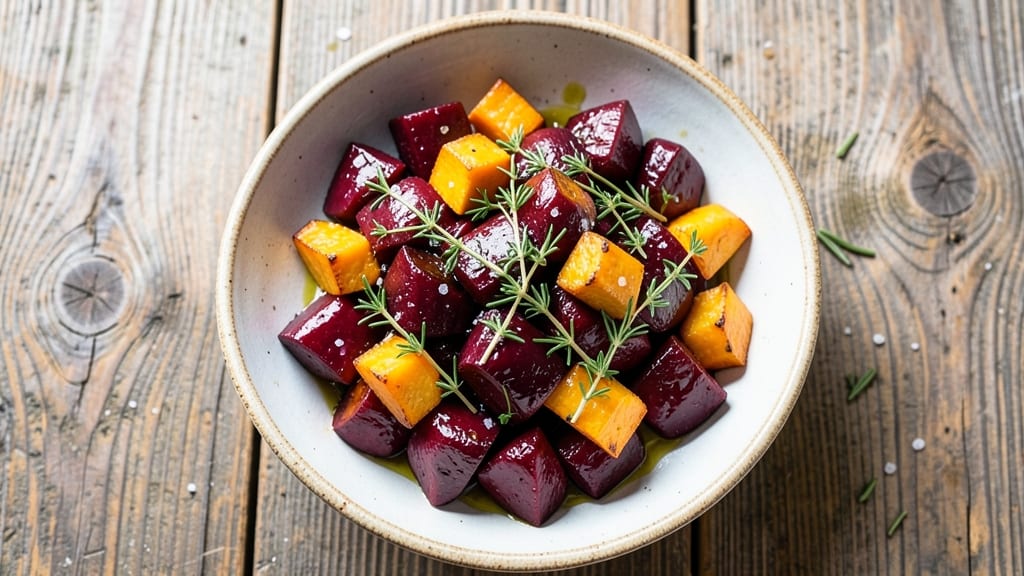
This beet and butternut squash salad transforms simple ingredients into a crispy-edged, earthy-sweet masterpiece that steals every meal. The secret lies in roasting the vegetables until their edges caramelize into golden perfection while keeping the centers tender—a balance that turns humble produce into a showstopper.
I developed this recipe during autumn harvest season when fresh beets and squash are at their peak, but it works year-round with a few adjustments.
What makes this salad truly special is how the flavors come together: the natural sweetness of roasted butternut squash pairs beautifully with the deep, earthy notes of beets, while a bright citrus vinaigrette cuts through the richness.
The texture contrast—crispy edges on the vegetables, creamy avocado, and crunchy nuts—creates an experience that's as satisfying to eat as it is to look at. This isn't just another salad; it's a complete dish that holds its own as a main course.
The preparation process is straightforward but yields restaurant-quality results. You'll start by roasting the vegetables until they develop those coveted crispy edges, then toss them with fresh herbs, citrus, and a touch of olive oil for brightness.
The assembly is simple: layer the warm roasted vegetables with cool avocado, toasted nuts, and a final drizzle of dressing. Every bite delivers that perfect harmony of textures and flavors.
This salad keeps beautifully in the refrigerator for up to three days, making it an excellent meal prep option. For a seasonal twist, swap in seasonal greens like arugula or kale, or add pomegranate seeds for a festive touch.
Whether you're serving it at a dinner party or packing it for lunch, this recipe delivers a dish that's as impressive as it is delicious.
Ingredients for beet and butternut squash salad
Roasted beets and squash meet bright citrus and crunchy textures for a salad that's as impressive as it is delicious.
| Ingredient | Amount | Notes |
|---|---|---|
| Medium Beets 🧅 | 2 whole | Roasted with skin on |
| Medium Butternut Squash 🎃 | 1 whole | Cubed, skin removed |
| Extra-Virgin Olive Oil 🫒 | ½ cup | For roasting vegetables |
| Kosher Salt 🧂 | 1 ½ tsp | Diamond Crystal preferred |
| Fresh Thyme Leaves 🌿 | ¼ cup | Chopped, stems removed |
| Fresh Rosemary 🌿 | 1 tbsp | Chopped, fresh preferred |
| Avocados 🥑 | 2 whole | Ripe, pitted and sliced |
| Pecans 🌰 | ½ cup | Toasted, roughly chopped |
| Lemon Juice 🍋 | ¼ cup | Freshly squeezed |
| Maple Syrup 🍯 | 2 tbsp | Pure, grade B preferred |
| Dijon Mustard 🍯 | 1 tbsp | Vegan-friendly brand |
| Arugula 🌱 | 4 cups | Baby leaves preferred |
| Pomegranate Seeds 🍇 | ¼ cup | Optional garnish |
The beets and squash are the stars here. Look for firm, unblemished squash with no soft spots—Howgill Farm or Trader Joe's are great sources for consistent quality. Beets should be vibrant, not shriveled. Roasting them whole with the skin on preserves moisture and creates those coveted crispy edges. For the squash, cut into even 1-inch cubes so they cook uniformly. If you can't find fresh thyme, dried works at one-third the amount, but fresh is ideal for that bright aroma. The pecans? Toast them in a dry pan until fragrant—about 5 minutes—then chop roughly for texture.
No maple syrup? Agave nectar or date syrup works just as well. Substituting avocado? Mango or persimmon adds a similar creaminess. For the dressing, vegan Dijon mustard is key—regular may contain animal products. If you're short on time, pre-cut butternut squash from the produce section saves chopping, though fresh always tastes better. The arugula adds peppery brightness, but baby spinach or kale works too. For extra crunch, toast the pecans with a pinch of salt—they'll keep in an airtight container for up to 2 weeks.
This salad tastes even better the next day as flavors meld. Store components separately in the fridge—roasted veggies for 4 days, avocado and dressing for 2 days. Assemble just before serving to preserve texture. The dressing keeps for 1 week in the fridge, and the nuts can be toasted in advance. For meal prep, portion the salad into containers with a small dressing packet—shake before eating for that fresh vibrancy. Garnish with pomegranate seeds right before serving to keep them from drying out.
Why You'll Love This Recipe
- Roast in One Shot: I swear by the sheet pan—just toss those cubed beets and butternut squash with olive oil, salt, and thyme, then roast until caramelized. No chopping boards full of mess, no multiple pans. The oven does all the work while I sip my coffee.
- Sweet-Savory Magic: That earthy-sweet squash meets the deep, almost wine-like richness of roasted beets—then a sprinkle of fresh thyme ties it all together. Honestly, the first bite makes me pause. It’s the kind of flavor that lingers, the way good memories do.
- Meal Prep MVP: Between us, this salad keeps like a champ. Roast a big batch on Sunday, store it in the fridge, and pull it out for lunches all week. Add a sprinkle of feta or toasted nuts later if you’re feeling fancy. Zero effort, maximum reward.
- Budget Brightener: Beets and squash are pantry staples that won’t break the bank. A few dollars buys enough to feed the family, and the leftovers? Even better the next day. Plus, olive oil and salt are always on hand—this is cooking at its simplest.
Step-by-step instructions for roasted beet and butternut squash salad
Here's how to create perfectly caramelized vegetables with crispy edges that form the heart of this vibrant salad.
Prepare and Roast the Vegetables
Preheat your oven to 400°F and line two large baking sheets with parchment paper. Cut the 2 whole medium beets into 1-inch chunks, leaving the skin on for texture. Peel and cube the 1 whole medium butternut squash into 1-inch pieces as well. Toss both vegetables together with 0.5 cup extra-virgin olive oil and 1.5 teaspoons kosher salt until evenly coated.
Spread the vegetables in a single layer on the prepared baking sheets, ensuring they don't overlap. Roast for 25-30 minutes, stirring halfway through, until the edges are deep golden brown and the vegetables are tender when pierced with a fork. The beets should develop a caramelized crust while remaining slightly firm inside. Remove from the oven and let cool slightly before proceeding.
Toast the Pecans and Prepare the Dressing
While the vegetables roast, place the 0.5 cup pecans in a dry skillet over medium heat. Toast them for 3-4 minutes, stirring constantly, until they're fragrant and lightly golden brown. Remove from heat and let cool, then roughly chop them with a knife or pulse briefly in a food processor.
In a small bowl, whisk together the 0.25 cup lemon juice, 2 tablespoons maple syrup, 1 tablespoon Dijon mustard, and 0.25 cup chopped fresh thyme leaves. Add 1 tablespoon chopped fresh rosemary and mix until fully incorporated. This dressing should be slightly thick but pourable—adjust the consistency with a splash of water if needed.
Assemble the Salad
In a large mixing bowl, combine the 4 cups arugula with the cooled roasted beets and butternut squash. Gently toss everything together, being careful not to overmix and bruise the arugula leaves. Drizzle the dressing over the salad and toss again until everything is evenly coated. The vegetables should be warm from the oven, which will help the flavors meld beautifully.
Slice the 2 whole avocados and arrange them on top of the salad just before serving. This keeps them from browning prematurely. Sprinkle the toasted, chopped pecans and 0.25 cup pomegranate seeds over the top for added crunch and visual appeal. The contrast of creamy avocado, crispy pecans, and tender roasted vegetables creates a perfect balance of textures.
Serve Immediately
Divide the salad among four plates, ensuring each serving has a generous portion of arugula, roasted vegetables, and avocado slices. The crispy edges on the roasted beets and squash should be evident, with a caramelized crust that adds depth to each bite. Serve immediately while the avocado is still fresh and the vegetables retain their warm, roasted flavor.
This salad delivers the promised crispy edges through proper roasting technique and careful assembly. The combination of earthy roasted vegetables, creamy avocado, and bright citrus dressing creates a harmonious balance of flavors and textures that will impress any guest.
Pro Tips For Making Beet And Butternut Squash Salad
- ROAST BEETS AND SQUASH TOGETHER: I used to roast them separately and wondered why the flavors never felt cohesive—turns out, they’re a team. Toss both cut beets and squash on the same tray (no need to peel the squash first) and roast at 400°F (200°C) for 35-40 minutes. The beets soften faster, but the squash catches up, and the shared caramelization ties everything together.
- PEEL SQUASH AFTER ROASTING: Sounds weird, but it works: butternut squash peels like a dream after roasting. Skip the pre-peeling step—just roast it whole (halved), then peel while still warm with a spoon. The flesh slides right off, and you avoid the mess of cutting through that tough skin before cooking.
- SALT THE SQUASH BEFORE ROASTING: This isn’t the prettiest method, but it’s the tastiest. Rub the cut sides of the squash halves with ½ teaspoon kosher salt before roasting—it crisps the edges and deepens the flavor. I learned this the hard way after a bland batch where I skipped it.
- USE THYME LATE: Fresh thyme leaves lose their punch when cooked too long. Toss them in the salad after roasting and just before serving—let them sit for 5 minutes so their aroma infuses, but don’t let them wilt. A few leaves go a long way; start with 6-8 and adjust to taste.
Pro cooking tips for great beet and butternut squash salad
Roasting Perfection
For those coveted crispy edges on your beets and squash, preheat your oven to 400°F and use two large baking sheets. Spread the vegetables in a single layer with 1-inch spacing—this prevents steaming and ensures even browning.
I swear by Howgill Farm butternut squash for its consistent sweetness and texture. Stir the vegetables halfway through roasting to promote even caramelization. 🔥
Dressing Consistency
The secret to a balanced dressing lies in the ratio of lemon juice to maple syrup. Start with equal parts (like 0.25 cup lemon juice and 2 tbsp maple syrup) and taste as you go.
The Dijon mustard adds depth, but if your mustard is too sharp, reduce it to ½ tbsp. Whisk in the fresh herbs just before tossing—their aroma peaks when fresh. Store any extra dressing in an airtight container for up to 1 week.
Avocado Timing
Slice your avocados right before serving to prevent browning. For extra insurance, toss the slices with ½ tsp lemon juice and keep them covered in the fridge until ready to use. I like to arrange them on top of the salad just before plating—this keeps their texture creamy and vibrant.
If prepping ahead, store avocado slices separately and add them to the salad bowl 5 minutes before serving.
Pecan Toasting
Toast your pecans in a dry skillet over medium heat for 3-4 minutes, stirring constantly to prevent burning. Watch closely—they should be fragrant and just starting to turn golden. Let them cool completely before chopping to avoid releasing excess oils.
For extra crunch, sprinkle with a pinch of kosher salt while still warm. Store toasted pecans in an airtight container for up to 2 weeks.
Seasonal Swaps
In fall, use fresh sage instead of rosemary for a deeper flavor. For winter, swap pecans for walnuts and add dried cranberries for a festive touch. Spring calls for fresh mint in the dressing and radish slices on top.
Summer? Try toasted pumpkin seeds and a splash of orange juice in the dressing for brightness. 🌿
Plating Like a Pro
Start with a bed of arugula on each plate, then arrange roasted vegetables in a circular pattern. Add avocado slices in the center, followed by pecans and pomegranate seeds. Drizzle with extra dressing and a sprinkle of flaky sea salt for contrast.
For a rustic look, serve on wooden boards with a side of crusty bread. The key is balance—each bite should have all the components. ✨
Nutrition facts
Frequently asked questions
Can I make this salad ahead of time?
Yes, but store components separately to keep everything fresh. Roast the beets and squash up to 4 days ahead and store in an airtight container at room temperature. Keep the avocado and dressing in the fridge for 2 days max. Assemble just before serving to maintain crisp textures. The toasted pecans stay fresh for 2 weeks in an airtight container.
What if I can't find fresh thyme or rosemary?
No problem! Use dried herbs at one-third the amount (so 1 teaspoon dried thyme instead of 0.25 cup fresh). For rosemary, dried works too—just use 1 teaspoon. If you're missing both, try fresh parsley or basil for brightness. The dressing will still taste amazing with these swaps!
How do I get the beets and squash extra crispy?
The secret is high heat and proper spacing! Roast at 425°F instead of 400°F for 20-25 minutes, and spread the veggies in a single layer with 1-inch gaps between pieces. Stir halfway through roasting. For extra crispiness, toss the roasted veggies with 1 teaspoon maple syrup before serving—it caramelizes the edges even more!
Can I make this salad without avocado?
Swap avocado for sliced mango (for summer), roasted red peppers (for winter), or creamy goat cheese (if not vegan). For texture, add toasted pumpkin seeds or crumbled feta. The salad will still be delicious—just adjust the dressing slightly to balance the flavors. The key is maintaining that creamy contrast!
Why did my dressing turn out too thick?
This usually happens when the ratio of lemon juice to maple syrup is off. Thin it with 1-2 teaspoons warm water or extra-virgin olive oil (start with ½ teaspoon). If it's still too thick, add more lemon juice—it cuts through the sweetness beautifully. For extra tang, whisk in ½ teaspoon apple cider vinegar.