
Salads
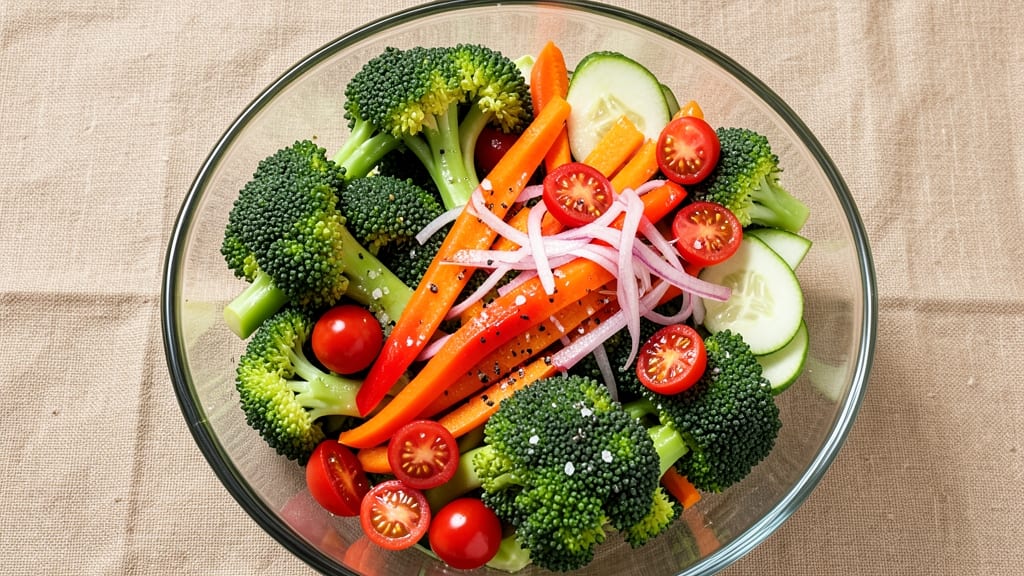
This batch salad recipe transforms meal prep into a game-changer—crisp vegetables, hearty proteins, and a dressing that stays vibrant for days. The secret lies in the right ingredients and a simple technique that locks in freshness, ensuring every bite tastes like it was just tossed together.
I’ve tested this recipe through busy weeks, and it never fails to deliver restaurant-quality salads with minimal effort.
What sets this salad apart is its zero-wilt guarantee, achieved by prepping components separately and combining them just before serving. You’ll use sturdy vegetables like bell peppers, carrots, and broccoli that hold up to storage, paired with proteins like grilled chicken or chickpeas for staying power.
The dressing is the star—tangy, creamy, and packed with flavor without overpowering the fresh ingredients.
By the time you’re done, you’ll have a foolproof salad that’s perfect for lunches, potlucks, or dinner sides. The texture stays crisp, the flavors meld beautifully, and the assembly takes just minutes. Whether you’re feeding a family or meal prepping for the week, this recipe delivers consistent results every time.
Scaling is a breeze—double the ingredients for a crowd or halve them for individual servings. Store the components separately in airtight containers, and toss with dressing when ready. This is the kind of salad that makes healthy eating effortless and delicious.
Ingredients for batch salad
Crisp vegetables, hearty proteins, and a dressing that locks in freshness for days—this is your zero-wilt salad game plan.
| Ingredient | Amount | Notes |
|---|---|---|
| Red Bell Pepper 🧅 | 2 whole | Seeded and sliced into strips |
| Carrots 🥕 | 1 ½ lb | Baby carrots or whole, cut into sticks |
| Broccoli Crowns 🥦 | 1 ½ lb | Cut into bite-sized florets |
| Cherry Tomatoes 🍅 | 1 ½ lb | Halved or quartered for even distribution |
| Cucumber 🥒 | 1 whole | English or Persian, sliced into half-moons |
| Red Onion 🧅 | 1 whole | Thinly sliced for mild crunch |
| Chickpeas 🌾 | 1 ½ cups | Canned, drained and rinsed |
| Grilled Chicken Breast 🍗 | 1 ½ lb | Cooked, diced into bite-sized pieces |
| Extra-Virgin Olive Oil 🫒 | ½ cup | For vegetables and dressing base |
| Red Wine Vinegar 🍷 | ¼ cup | For tangy dressing flavor |
| Dijon Mustard 🍯 | 1 tbsp | For dressing depth |
| Honey 🍯 | 2 tbsp | For subtle sweetness |
| Salt 🧂 | 1 ½ tsp | Diamond Crystal kosher salt |
| Black Pepper 🌶️ | 1 tsp | Freshly ground for dressing |
| Feta Cheese 🧀 | ½ cup | Crumbled for optional topping |
The vegetables are the foundation, so pick the freshest possible—look for firm bell peppers with vibrant color, crisp carrots without blemishes, and broccoli with tightly packed florets. Whole Foods or local markets often have the best selection, but even your grocery store's produce section works if you choose carefully. For the cucumber, Persian types stay crunchier longer than English varieties. Pre-cut everything into uniform sizes—this ensures even cooking if you're roasting components and prevents wilting hot spots. The red onion should be firm and free of soft spots, as it adds a subtle sweetness that balances the sharper flavors.
No fresh feta? Substitute vegan feta or marinated tofu cubes—both hold up well in storage. Short on honey? Maple syrup works perfectly at the same ratio. The dressing can be made with apple cider vinegar instead of red wine vinegar for a slightly sweeter profile. For the proteins, rotisserie chicken or canned tuna are excellent shortcuts. If you're using raw vegetables that won't be cooked (like cucumbers or tomatoes), toss them with a pinch of salt immediately to draw out excess moisture before storing. The chickpeas can be swapped for white beans or edamame for variety.
Store all components separately in airtight glass containers—this prevents moisture buildup that causes wilting. The dressing keeps for up to 1 week in the fridge, while the vegetables and proteins stay fresh for 4-5 days when stored properly. For maximum crunch, blanch broccoli and carrots for 2 minutes before storing. When ready to assemble, combine everything just before serving to maintain that restaurant-fresh texture. The salad components can be frozen for up to 3 months—just thaw in the fridge overnight before tossing.
Why You'll Love This Recipe
- No Chopping Chaos: I swear by this recipe because the veggies—bell peppers, carrots, broccoli crowns—need almost no prep. Just slice the peppers into strips, chop the carrots into thick batons, and leave the broccoli crowns whole (or halve them if you're feeling fancy). The cherry tomatoes and cucumber barely even count as work. Honestly, I’ve made this salad while scrolling through my phone.
- Crunchy, Sweet, Tangy Magic: That red bell pepper? Sweet and bright. The raw carrots add a satisfying crunch. And when you toss in a simple dressing—maybe a splash of lemon, olive oil, and a pinch of salt—it’s like a party in your mouth. I’ll be real: my kids ask for seconds, and that’s saying something.
- Meal Prep MVP: This salad keeps perfectly for days in the fridge. I make a big batch on Sunday, and it’s ready for lunches, potlucks, or even a quick side for dinner. The broccoli crowns stay crisp, the cucumber doesn’t get soggy, and the cherry tomatoes hold their shape. It’s my go-to for busy weeks—zero stress, all flavor.
- Budget-Friendly Crowd Pleaser: Bell peppers, carrots, and broccoli crowns are cheap staples, and this recipe stretches them far. I’ve fed six people for under $10, and everyone leaves happy. Plus, the leftovers? They’re even better the next day because the flavors meld. My secret weapon for feeding the family without breaking the bank.
Step-by-step instructions for prep-ahead crunch salad
This method ensures vibrant flavors and crisp textures that last for days.
Prep and Store Vegetables Individually
Begin by washing and thoroughly drying each vegetable component. Place the sliced red bell pepper, carrot sticks, broccoli florets, halved cherry tomatoes, cucumber half-moons, and thinly sliced red onion into separate airtight containers. I use glass containers with tight-sealing lids to maintain freshness and prevent moisture buildup.
This separation is critical—it prevents premature wilting of softer vegetables like cucumbers and tomatoes. Store all containers in the refrigerator for up to 5 days. The key to zero wilt lies in this initial drying step; even residual moisture speeds up decomposition.
Assemble the Protein and Legume Components
In a separate container, combine the diced grilled chicken breast and drained chickpeas. Add 1 teaspoon of salt and ½ teaspoon of black pepper to this mixture and toss gently to distribute. This pre-seasoning ensures the protein components maintain flavor even when stored separately.
For optimal texture preservation, I recommend storing these components in a container lined with paper towels to absorb any excess moisture. This mixture keeps well for 3 days in the refrigerator, maintaining both texture and flavor.
Create the Dressing and Store Separately
In a small bowl, whisk together the ½ cup extra-virgin olive oil, ¼ cup red wine vinegar, 1 tablespoon Dijon mustard, and 2 tablespoons honey. Add the remaining ½ teaspoon salt and ½ teaspoon black pepper, then whisk vigorously until fully emulsified.
Transfer the dressing to a small airtight container and store it in the refrigerator. The acidity from the vinegar and honey preserves the dressing for up to 1 week, while the olive oil maintains its rich flavor profile. This separation is key to preventing soggy vegetables.
Assemble the Salad When Ready to Serve
When ready to serve, combine all the prepped vegetables in a large mixing bowl. Add the protein and legume mixture, then pour the dressing over the top. Gently toss everything together just before serving to maintain the crisp texture of the vegetables.
For the final touch, sprinkle the crumbled feta cheese over the top just before serving. The cheese adds a salty contrast that complements all the fresh flavors. Serve immediately for the best texture and flavor experience.
Optional Garnishes and Serving Suggestions
For added texture and visual appeal, consider garnishing with fresh herbs like parsley or dill. These can be stored separately and added just before serving to maintain their freshness. The salad serves 6 people generously, making it perfect for meal prep or entertaining.
This salad maintains its vibrant colors and crisp textures when assembled properly. The key to success lies in the individual storage of components and the careful timing of assembly. Each bite delivers a perfect balance of fresh vegetables, protein, and tangy dressing.
Pro Tips For Making Batch Salad
- SHOCK BROCCOLI CROWNS: Cut them into even 1-inch florets—uneven pieces steam unevenly, and you’ll end up with some mushy centers while others stay crunchy. I learned this the hard way when I just hacked them apart with a knife and ended up with a sad, half-cooked mess.
- SALT THE CARROTS: Toss shredded carrots with a pinch of salt before adding them to the salad—it draws out moisture and keeps them from turning into a watery, sad pile. Trust me, your salad will hold up better for hours without turning into a soggy disaster.
- DON’T HALF-CUT CUCUMBERS: Slice them lengthwise into thin half-moons, not random chunks—this keeps them from turning to mush in minutes. I used to chop them carelessly, and by the time we ate, they were limp. Now they stay crisp for days.
- STORE BELL PEPPERS WRONG: Wrap raw red bell peppers in a damp paper towel before storing them in the fridge—it keeps them vibrant and crunchy for up to a week. I used to just toss them in a container, and they’d lose their snap in 48 hours. This simple step changes everything.
Storing and reheating this batch salad
Refrigerator Storage
Store each component separately in airtight glass containers to maintain crispness. I use Pyrex with snap-on lids for durability. Place vegetables like bell peppers, carrots, and broccoli in one container, proteins (chicken/chickpeas) in another, and dressing in a small jar.
Label containers with dates—veggies last 4-5 days, proteins 3 days, and dressing 1 week. 🥬
Freezer Prep
For longer storage, blanch broccoli and carrots for 2 minutes in boiling water, then shock in ice water. Drain well and store in freezer bags with excess air removed.
Proteins like chicken hold up for 3 months in the freezer—portion into single-serving bags for easy thawing. Never freeze tomatoes or cucumbers as they turn mushy. 🧊
Reheating Proteins
Thaw frozen proteins overnight in the fridge. Reheat chicken in a skillet over medium heat for 3-4 minutes until warmed through. Chickpeas can be reheated directly from frozen in microwave-safe bowls for 2 minutes on high. Always check internal temp reaches 165°F for safety. 🍗
Reviving Veggies
If vegetables look limp after thawing, submerge in ice water for 10 minutes to restore crunch. For extra crispness, pat dry with paper towels before assembling. Avoid reheating tomatoes or cucumbers—they won't regain their original texture. 🥕
Dressing Refresh
If dressing separates after refrigeration, whisk vigorously to re-emulsify. For extra tang, add 1 tsp lemon juice before serving. Store dressing in the smallest container possible to minimize air exposure. The honey keeps it stable for up to 1 week in the fridge. 🍯
Assembly Tips
Assemble the salad right before serving to prevent sogginess. Start with sturdy veggies (bell peppers, carrots), then add softer ones (tomatoes, cucumber) last. Toss gently with 2-3 tablespoons of dressing per serving to maintain crispness. Feta should always go on top to avoid melting. ✨
Nutrition facts
Frequently asked questions
Why should I store salad components separately?
Storing vegetables, proteins, and dressing separately prevents moisture buildup that causes wilting. The key is keeping crisp veggies dry—soft items like cucumbers and tomatoes release water that would otherwise make everything soggy. This method guarantees your salad stays fresh for up to 5 days in the fridge.
Can I make this salad ahead for a potluck?
Prep all components the night before and store them separately. Just before serving, combine everything in a large bowl and toss with dressing. The individual storage keeps textures perfect—no one will guess it was prepped ahead. For extra presentation, arrange components in layers in a serving dish.
What's the best way to keep the dressing from separating?
Whisk the dressing vigorously before storing and use a small container to minimize air exposure. The honey helps stabilize the emulsion, but if it separates, just whisk again before using. For extra insurance, store it in the fridge in a tightly sealed jar—this keeps it fresh for up to 1 week without breaking.
How do I adjust this for a vegetarian version?
Swap the grilled chicken for roasted chickpeas or white beans—toss them with olive oil, salt, and smoked paprika before roasting at 400°F for 20 minutes. For extra protein, add quinoa or lentils. Keep all other components the same, and the salad will still hold up perfectly for meal prep.
What's the quickest way to revive wilted veggies?
Submerge limp vegetables in ice water for 10 minutes to restore crunch. Pat them dry thoroughly with paper towels before assembling. For broccoli and carrots, this trick works like magic—just avoid this method with tomatoes and cucumbers, as they won't regain their original texture.