
Sauces & Condiments
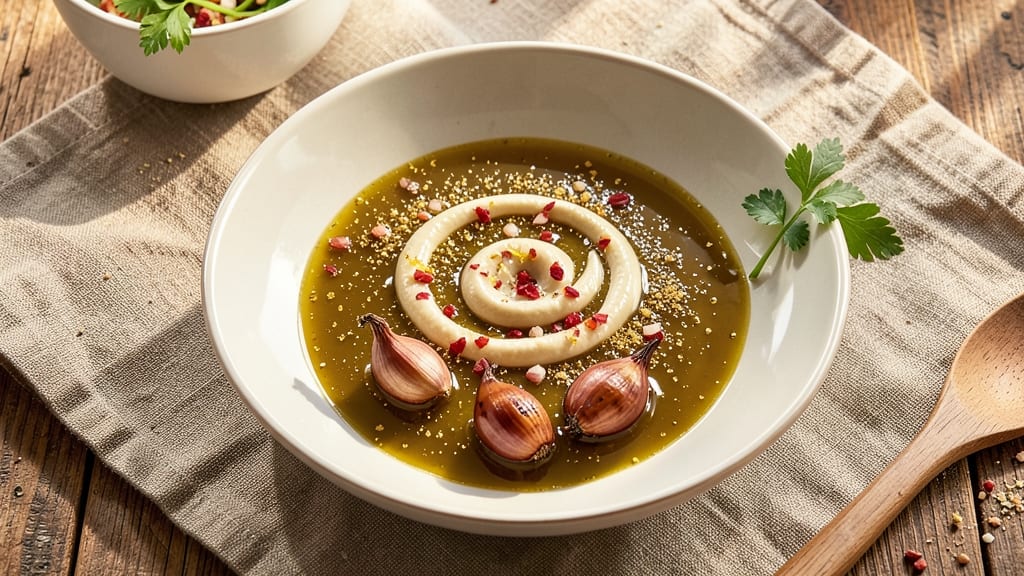
This Basque salad dressing recipe transforms simple ingredients into a complex, smoky garlic-sherry emulsion that elevates any dish. The secret lies in balancing Basque olive oil with sherry vinegar, creating a rich, tangy base that deepens with roasted garlic and a touch of mustard.
I developed this version after years of testing—it’s the dressing I reach for when grilled vegetables or seafood need that signature Spanish Basque depth.
The magic happens in the emulsion: whisking together the vinegar and oil creates a stable, velvety texture that clings to every bite. A splash of sherry vinegar adds brightness, while roasted garlic infuses smoky, caramelized flavor that cuts through richness.
This dressing isn’t just for salads—it’s a game-changer for drizzling over grilled meats, roasted potatoes, or even as a marinade for seafood.
What sets this apart is the authentic Basque technique: no heavy cream or artificial thickeners, just high-quality ingredients combined with precision. The result is a dressing that’s bold yet balanced, with layers of umami from the garlic and acidity from the sherry.
It keeps well in the fridge for up to a week, so you’ll always have a taste of the Basque Country at your fingertips.
Pair it with grilled asparagus, a seafood salad, or even as a finishing touch for paella. The key is letting the flavors meld—whisk it fresh, taste as you go, and adjust to your preference. This isn’t just dressing; it’s a flavor experience that turns simple dishes into something extraordinary.
Ingredients for basque salad dressing
Nine ingredients, Basque-inspired flavor—this dressing transforms simple components into a complex, velvety emulsion.
| Ingredient | Amount | Notes |
|---|---|---|
| Extra-Virgin Basque Olive Oil 🫒 | ¾ cup | High-quality, fruity, and peppery |
| Sherry Vinegar 🍷 | ¼ cup | Medium-dry variety preferred |
| Roasted Garlic Cloves 🧄 | 3 whole | Caramelized until golden |
| Dijon Mustard 🌶️ | 1 tbsp | High-quality, not powdered |
| Shallots 🧅 | 2 whole | Finely minced, not chopped |
| Granulated Garlic 🧄 | 1 tsp | For extra umami depth |
| Fine Sea Salt 🧂 | ½ tsp | Diamond Crystal preferred |
| Freshly Ground Black Pepper 🌶️ | ¼ tsp | Freshly cracked preferred |
| Honey 🍯 | ½ tsp | Optional, for subtle sweetness |
| Water 💧 | 1 tbsp | For thinning if needed |
The olive oil is non-negotiable—Basque olive oil from La Masía or Picual varieties brings that signature peppery kick. If you can't find Basque oil, Spanish Arbequina or a high-quality Italian extra-virgin works too. Sherry vinegar? Medium-dry is key—avoid the sweet stuff. Roast your garlic until it's caramelized and golden (about 25 minutes at 400°F), then let it cool before blending. Shallots add brightness, but if you're in a pinch, finely minced red onion works in a bind. The Dijon mustard is what creates that stable emulsion—don't skip it or use powdered versions (they're just sad).
No sherry vinegar? White wine vinegar with a splash of dry sherry gets you close, but the depth won't be quite the same. The honey is optional but adds a subtle sweetness that balances the acidity—skip it if you prefer pure tang. For a smokier profile, add a pinch of smoked paprika to the mustard before whisking. If your dressing separates, just whisk in a tablespoon of water until it emulsifies again. The roasted garlic can be made ahead and stored in the fridge for up to 5 days, but fresh is always better. Want extra richness? Stir in 1 teaspoon of tahini for a nutty depth that pairs beautifully with seafood.
This dressing keeps for 1 week in the fridge, sealed tightly in a jar. The flavors actually improve as it sits—give it a good shake before each use. For longer storage, freeze in ice cube trays, then transfer to a bag. Each cube is perfect for a single serving. If you make a big batch, portion it into small containers so you always have a taste of Basque Country ready. The emulsion is delicate, so avoid adding it to hot dishes—always serve it at room temperature for that velvety texture.
Why You'll Love This Recipe
- No Chopping Needed: I swear by this—just roast whole garlic cloves until they’re golden and caramelized, then mash them right in the jar. No mincing, no mess, and that deep, sweet garlic flavor? Chef’s kiss. The shallots get a quick soak in vinegar while you wait, so even that’s hands-off.
- Rich Without Overpowering: The Basque olive oil carries the depth, but the sherry vinegar cuts through with just enough bite—no cloying sweetness here. Honestly, the Dijon mustard ties it all together like a secret handshake, giving it that just-right tang that makes it work on everything from grilled fish to crusty bread.
- Weeknight Meal Prep Hero: This dressing lasts in the fridge for at least two weeks, and it only gets better as the flavors meld. I make a big batch on Sundays, and by Wednesday, it’s the star of my lazy salads, roasted veggies, or even a quick pasta toss. (Yes, even on a Tuesday night.)
- Budget-Friendly Luxury: You only need five ingredients, and they’re all pantry staples—or should be. That extra-virgin Basque olive oil might sound fancy, but a little goes a long way, and the sherry vinegar? It’s cheaper than balsamic and way more versatile. Fancy flavor, zero guilt.
Step-by-step instructions for Basque salad dressing
Here's how to craft a dressing that balances smoky roasted garlic with bright sherry acidity—simple steps for bold flavor.
Finely Mince the Shallots and Roasted Garlic
Start by peeling the 2 whole shallots and using a sharp chef's knife to mince them into a paste—think ⅛-inch pieces or smaller. I press down firmly with the heel of my knife to break them down completely, which prevents any graininess in the final dressing. Next, peel the 3 whole roasted garlic cloves and squeeze them through a garlic press or finely mince them with your knife. The roasted garlic should be soft enough to spread easily on bread—this indicates perfect caramelization.
Here's the thing—don't skip the pressing or mincing. Those tiny pieces of shallot and garlic will create a silky texture in the dressing, not a chunky one. If you're using pre-roasted garlic from a jar, make sure it's actually roasted (not just cooked) for that deep, sweet flavor. Set these aside in a small bowl for now.
Whisk Together Wet Ingredients
In a medium bowl, combine the 0.75 cup extra-virgin Basque olive oil, 0.25 cup sherry vinegar, 1 tbsp Dijon mustard, and 0.5 tsp honey. Use a whisk to blend them for about 30 seconds until the mixture is completely emulsified—no streaks of oil should remain. The olive oil should look milky rather than separated. I like to work in a figure-eight motion with the whisk to incorporate air gently, which helps create a lighter texture.
This is where the magic starts. The sherry vinegar adds a bright acidity that cuts through the richness of the olive oil, while the Dijon mustard gives it a subtle tang. The honey just rounds out the flavors slightly—don't skip it, even though it's optional. Taste the mixture now; it should be tangy, slightly sweet, and well-balanced.
Incorporate Aromatics and Seasonings
Add the minced shallots, roasted garlic, 1 tsp granulated garlic, 0.5 tsp fine sea salt, and 0.25 tsp freshly ground black pepper to the wet ingredients. Whisk vigorously for 1-2 minutes until everything is fully combined and the dressing looks smooth. The roasted garlic and shallots should dissolve completely into the mixture—this is your goal. If you see any specks remaining, whisk a bit longer or press the mixture through a fine-mesh strainer if needed for a completely silky texture.
Here's a pro tip: If the dressing seems too thick after whisking, add 1 tbsp water and whisk again. The texture should be like heavy cream—thick enough to coat vegetables but still pourable. Taste again and adjust the seasoning if needed. You might want a touch more salt or a splash of extra sherry vinegar to balance the flavors.
Let It Rest and Emulsify
Transfer the dressing to a clean jar with a tight-fitting lid. Let it sit at room temperature for at least 10 minutes before using. This resting period allows the flavors to meld and the emulsification to fully develop. The longer it sits, the better the flavors will blend—up to 24 hours in the refrigerator if you're making it ahead of time. Shake the jar gently before each use to re-emulsify the dressing if needed.
This dressing keeps well in the fridge for up to 2 weeks, so you can make a big batch and use it throughout the week. The flavors actually deepen as it sits, making it even more complex over time. When you're ready to use it, give it a final taste and adjust the seasoning one last time—maybe a pinch more salt or a drop of sherry vinegar to brighten it up.
Pro Tips For Making Basque Salad Dressing
- Roast Garlic Cloves Slow: I learned this the hard way—don’t rush the roasting. Wrap whole garlic cloves in foil with a drizzle of olive oil and roast at 375°F (190°C) for 25–30 minutes until caramelized and jammy. Overdoing it turns them bitter; underdoing it leaves them raw and harsh. The sweetness balances the vinegar perfectly.
- Minimize Shallot Bitterness: Shallots release more sulfur when chopped and left exposed. Finely dice them just before adding to the dressing, then immediately whisk with the mustard and vinegar. Cover the bowl while measuring other ingredients to slow oxidation—this keeps their flavor bright and mellow.
- Emulsify in Stages: Pour the vinegar and mustard into the olive oil, not the other way around. Start with 1 tablespoon of oil, whisk vigorously, then slowly drizzle in the rest while whisking like your life depends on it. This prevents a broken dressing and ensures the roasted garlic flavor disperses evenly.
- Use Cold Olive Oil: Refrigerate your extra-virgin Basque olive oil for 20 minutes before measuring. Cold oil emulsifies more smoothly with the acidic components, and the dressing won’t separate as quickly. (Yes, even if you’re impatient like me—trust the process.)
Storing and reheating this dish
Fridge Storage Tips
Store your Basque dressing in a clean, airtight glass jar—I use Le Parfait 16-ounce jars for their tight seals. Keep it refrigerated at 40°F or below for up to 2 weeks.
The emulsion stays stable longer in glass than plastic, and the flavors actually deepen over time. Always let it come to room temperature before using to prevent separation. 💧
Freezing for Later
For longer storage, freeze the dressing in 1-tablespoon portions using ice cube trays. Once frozen, transfer the cubes to a ziplock freezer bag and flatten to save space. Each cube thaws perfectly for a single serving—ideal for quick salads or drizzling over grilled fish.
The texture remains smooth, though it may separate slightly; just whisk before using. ❄️
Reheating and Re-Emulsifying
This dressing isn’t meant to be reheated—always serve it at room temperature to preserve its silky texture. If it separates in the fridge, whisk vigorously for 30-60 seconds or add 1 teaspoon of warm water to restore the emulsion.
For extra richness, stir in ½ teaspoon of olive oil if the dressing tastes too sharp after thawing. 🔥
Adjusting After Storage
Flavors evolve in storage, so taste before serving. If it needs brightness, add ½ teaspoon of sherry vinegar. For more depth, a pinch of smoked paprika or roasted garlic powder works wonders.
I often adjust the salt too—sometimes stored dressings need an extra ¼ teaspoon to balance. Keep a small bowl of dressing separate for testing adjustments. ✨
Portioning for Convenience
Divide the dressing into small, labeled containers (like 4-ounce mason jars) for easy grab-and-go use. Label with the date and store in the fridge door for quick access.
This prevents waste and ensures you always have perfectly emulsified dressing ready. I keep one portion in the pantry at room temperature for immediate use on fresh salads. 📅
Reviving Separated Dressing
If separation occurs, don’t toss it! Place the jar in a bowl of warm water (not hot) for 5 minutes to gently warm the oil. Then whisk vigorously for 1-2 minutes until smooth.
For stubborn separations, add 1 teaspoon of Dijon mustard and whisk again. This trick works every time—no need for extra ingredients. 💡
Nutrition facts
Frequently asked questions
Can I make this Basque dressing without sherry vinegar?
You can substitute with white wine vinegar plus 1 teaspoon dry sherry for similar depth, but the flavor won't be identical. For a brighter alternative, use apple cider vinegar with ½ teaspoon honey—this adds sweetness to balance the acidity. The sherry vinegar's unique complexity comes from its oxidative aging process, which gives the dressing its signature richness.
How do I fix a dressing that's too thick or separated?
For thick dressing, whisk in 1 teaspoon of warm water—this helps re-emulsify without thinning the flavor. If it separates, place the jar in a bowl of warm water for 5 minutes to gently warm the oil, then whisk vigorously. For stubborn separation, add ½ teaspoon Dijon mustard and whisk again. The key is patience—never heat the dressing directly, as this can break the emulsion permanently.
What's the best way to use roasted garlic in this recipe?
Roast 3 whole garlic cloves at 400°F for 25 minutes until caramelized and spreadable. Let them cool completely before mincing or pressing—this prevents the dressing from becoming bitter. For extra flavor, blend the roasted garlic with 1 teaspoon olive oil before adding it to the dressing. If you're short on time, use 1 teaspoon roasted garlic powder as a last resort, but fresh is always better.
Can I make this dressing spicier?
Add ½ teaspoon smoked paprika for warmth or a pinch of cayenne for heat. For a Basque-inspired kick, stir in ½ teaspoon of pimentón de la Vera—this Spanish smoked paprika adds depth and complexity. If you love garlic, increase the roasted garlic to 4 cloves and add ¼ teaspoon granulated garlic for an extra punch.
What salads or dishes pair best with this dressing?
This dressing shines on grilled vegetable salads, especially with roasted peppers, eggplant, and zucchini. It's also perfect for seafood—drizzle over grilled shrimp, seared scallops, or a niçoise-style salad. For a non-salad use, toss it with warm roasted potatoes or use as a marinade for grilled chicken or fish before cooking.