
Sauces & Condiments
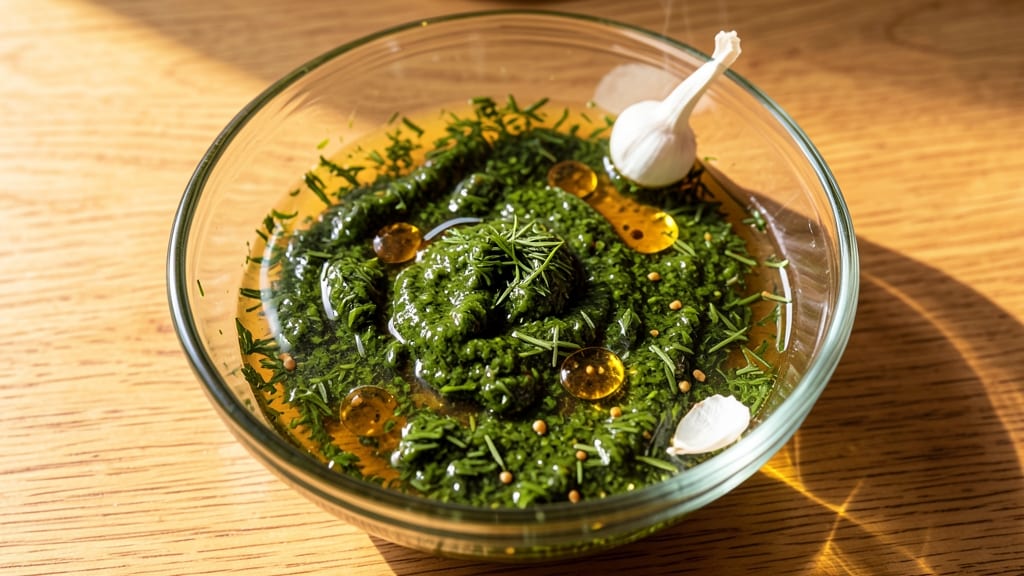
This basic oil and vinegar salad dressing recipe delivers the perfect balance of bright acidity and rich smoothness in just 5 minutes—no fancy emulsifiers or complicated steps. The classic 3:1 oil-to-vinegar ratio creates a versatile dressing that works on everything from fresh greens to grilled vegetables, while optional herbs, mustard, or honey add customizable depth. I developed this after realizing most store-bought versions lack the fresh, vibrant quality of homemade.
The beauty of this dressing lies in its simplicity: high-quality olive oil provides healthy fats, while white or red wine vinegar adds tangy brightness. For an extra layer of flavor, I recommend adding a pinch of Dijon mustard (to help emulsify) or a teaspoon of honey for balance.
The key is whisking vigorously to create a stable, creamy texture without eggs or dairy—perfect for vegans and those avoiding stabilizers.
What you’ll end up with is a dressing that’s restaurant-quality yet takes minutes to make, with a glossy finish and balanced flavor profile. The ratio ensures it won’t separate, and the optional ingredients let you tailor it to any dish—from zesty lemon-herb versions to rich balsamic-infused twists.
This is the foundational dressing that will transform your salads, drizzle over roasted vegetables, or even elevate marinades.
Best of all, it keeps well in the fridge for up to a week, making it a pantry staple. Whether you’re prepping for meal prep or throwing together a quick lunch, this dressing delivers consistent results every time. Let’s get started with the ingredients you likely already have on hand.
Ingredients for basic oil and vinegar salad dressing
Just eight ingredients transform into restaurant-quality dressing in minutes.
| Ingredient | Amount | Notes |
|---|---|---|
| Extra-Virgin Olive Oil 🫒 | ¾ cup | High-quality, fruity variety |
| White Wine Vinegar 🍷 | ¼ cup | Bright, dry vinegar preferred |
| Dijon Mustard 🌶️ | 1 tbsp | Helps emulsify dressing |
| Raw Honey 🍯 | 1 tbsp | Or maple syrup for vegan option |
| Fresh Garlic Cloves 🧄 | 1 clove | Minced for subtle flavor |
| Sea Salt 🧂 | ½ tsp | Fine grain preferred |
| Freshly Ground Black Pepper 🌶️ | ¼ tsp | Freshly cracked for best flavor |
| Fresh Dill Leaves 🌿 | 1 tbsp | Chopped, optional for herb twist |
| Fresh Parsley Leaves 🌿 | 1 tbsp | Chopped, optional for freshness |
The olive oil is the star—look for extra-virgin with a fruity, peppery finish. Trader Joe's or Whole Foods carry excellent options, but any high-quality bottle works. White wine vinegar needs to be bright and dry (no sweet or balsamic)—Bragg or Annie's are solid choices. Dijon mustard helps emulsify the dressing, but if you're avoiding mustard, a splash of lemon juice works too. Fresh herbs like dill or parsley add that restaurant-fresh vibe, but skip them if you prefer a classic oil-and-vinegar taste. The garlic? One clove is perfect—don't overdo it, or it'll overpower the delicate balance.
No honey? Maple syrup or agave keeps it vegan without sacrificing sweetness. Swap white wine vinegar for apple cider vinegar or red wine vinegar for different tang levels. Fresh herbs missing? Dried herbs at one-third the amount work in a pinch. The mustard is optional but recommended—it helps the dressing cling to greens better. No garlic? A pinch of garlic powder works, but fresh is always better. Pro tip: if your dressing separates, whisk in another teaspoon of mustard or a splash of warm water to re-emulsify. It happens to everyone—don't stress!
This dressing keeps beautifully in the fridge for up to 1 week, sealed in a jar. Shake before each use—it'll separate slightly over time, but whisking brings it back to perfection. For meal prep, double the batch and store in small containers so you only take out what you need. Freezing isn't recommended, as the texture changes. If you make extra, use it within a few days on roasted veggies, grain bowls, or as a quick marinade. The flavor actually improves after a day or two as the ingredients meld together—trust me on this!
Why You'll Love This Recipe
- Five-Ingredient Magic: I swear by this combo—just oil, vinegar, mustard, honey, and garlic. No fancy gadgets, no stress. Honestly, I’ve made it in my kitchen while balancing a toddler on one hip and a phone call on the other.
- Garlic-Kissed Balance: That raw garlic and Dijon mustard? They’re the secret weapons. The honey softens the bite just enough to make it smooth but never boring—like a hug for your taste buds, but with more umami.
- Pantry Staple Power: Between us, this dressing is my go-to for everything: grain bowls, roasted veggies, even as a marinade. I’ll be real: I’ve used the last of it to drizzle on toast when I forgot butter. (Don’t judge.)
- Lasts All Week: Make a big batch—it keeps for ages in the fridge. I’ve had this jar since Monday, and it’s still bright and tangy. Plus, the honey keeps it from separating like some store-bought messes I’ve tried.
Step-by-step instructions for perfect oil and vinegar salad dressing
This simple method delivers a bright, balanced dressing that clings beautifully to greens.
Mince the Garlic and Herbs
Peel the 1 clove fresh garlic and finely mince it using a sharp knife or garlic press. You want tiny pieces that will blend completely into the dressing. In a small bowl, combine the minced garlic with the 1 tablespoon chopped fresh dill leaves and 1 tablespoon chopped fresh parsley leaves. Give them a quick stir to distribute evenly.
Fresh herbs add brightness and complexity, but don't worry if you skip them—the dressing will still taste amazing. I like to use a microplane for the garlic to get those flavorful oils without overpowering the dressing. The herbs should be finely chopped so they blend smoothly rather than creating texture.
Whisk Together Wet Ingredients
In a medium bowl, combine the 0.75 cup extra-virgin olive oil, 0.25 cup white wine vinegar, 1 tablespoon Dijon mustard, and 1 tablespoon raw honey. Using a whisk, blend these ingredients vigorously for about 30 seconds until they begin to emulsify slightly. The mixture should look milky rather than completely clear.
The Dijon mustard acts as a natural emulsifier, helping the oil and vinegar blend smoothly. If you don't have Dijon, you can use regular mustard, but the flavor will be slightly different. This step is crucial for creating a dressing that won't separate. I like to whisk in a circular motion to incorporate air, which helps create a lighter texture.
Season and Combine
Add the seasoned garlic-herb mixture to the wet ingredients, followed by the 0.5 teaspoon sea salt and 0.25 teaspoon freshly ground black pepper. Whisk everything together for another 20-30 seconds until fully combined. The dressing should be smooth with no visible streaks of oil or vinegar.
Taste and adjust the seasoning if needed. You might want to add a pinch more salt or a splash of vinegar for tang. The dressing should be bright, slightly sweet, and well-balanced—not too sharp or overly sweet. This is where you can customize it to your taste. I often add a tiny pinch of red pepper flakes if I want a little heat.
Let It Rest and Shake Before Using
Transfer the dressing to a clean jar with a tight-fitting lid. Let it sit at room temperature for at least 10 minutes before using. This resting time allows the flavors to meld together beautifully. Give it a good shake just before using to ensure everything is well combined.
This dressing keeps well in the refrigerator for up to 2 weeks, though I usually use it up much faster. The flavors actually improve slightly over time as they develop. If the dressing separates after refrigeration, simply shake it vigorously before using—it will come back together perfectly. The key is to shake it well before each use to maintain that silky texture.
Pro Tips For Making Basic Oil And Vinegar Salad Dressing
- Mince That Garlic: Use a sharp knife and chop the cloves into a fine paste—no food processor needed. I learned this the hard way after burning my first batch of dressing from garlic oil overheating when I pulsed it too aggressively. A quick press with the flat of your knife after chopping ensures the garlic blends smoothly without turning bitter.
- Whisk in Stages: Start with the mustard and vinegar, then slowly drizzle in the olive oil while whisking vigorously. The oil is heavier and won’t emulsify properly if you pour it all at once—your dressing will split faster than a bad joke at a dinner party. Pause halfway to scrape down the bowl; it makes a real difference.
- Skip the Raw Honey: Warm the honey with a splash of vinegar first—just 10 seconds in a small saucepan over low heat. This thins it out and prevents clumps in your dressing. I was skeptical until I tried it; now I can’t go back to the grainy texture of cold honey in my vinaigrette.
- Salt the Mustard: Mix a pinch of salt into the Dijon mustard before adding any liquids. It balances the sharpness upfront and cuts down on the total salt needed later. My grandmother swore by this, and she was right: the dressing stays cohesive longer and tastes more polished without overpowering the other flavors.
Perfect pairings for this recipe
Salad Pairings
This dressing shines on classic mixed greens salads like romaine, arugula, or spinach. Toss 4 cups baby greens with ½ cup cherry tomatoes, ¼ cup crumbled feta, and 2 tbsp sliced cucumber for a refreshing summer salad.
The bright acidity cuts through the richness of avocado or creamy goat cheese, while the olive oil adds a luxurious mouthfeel. 🥗
Grilled Vegetables
Drizzle over grilled zucchini, bell peppers, and eggplant for a flavor boost. The charred edges of the vegetables pair beautifully with the dressing's tangy sweetness.
I like to grill the veggies at 400°F for 8-10 minutes until slightly blistered, then toss with a ¼ cup of the dressing and a sprinkle of toasted pine nuts for crunch.
Grain Bowls
Use this dressing as a base for quinoa or farro bowls. Combine 1 cup cooked quinoa with ½ cup roasted sweet potatoes, ¼ cup chickpeas, and 2 tbsp chopped parsley.
Drizzle with 2 tablespoons of the dressing and top with avocado slices. The dressing’s balance enhances the earthy flavors of the grains and roasted veggies.
Marinade Magic
This dressing doubles as a marinade for chicken, fish, or tofu. Use ¼ cup of the dressing per 1 pound of protein, letting it sit for 15-30 minutes before cooking.
The acidity tenderizes the protein while infusing it with flavor. I love using it on grilled salmon or pan-seared tofu—the result is juicy and full of depth.
Dipping Sauce
Thin it slightly with 1-2 tablespoons of water to create a dipping sauce for crudités, pita chips, or grilled shrimp. The dressing’s balance makes it perfect for dipping—sweet, tangy, and rich.
For extra flavor, add ½ teaspoon of smoked paprika or 1 teaspoon of lemon zest to the thinned dressing before serving.
Breakfast Twist
Drizzle over avocado toast or a veggie omelet for a bright morning boost. The dressing’s acidity balances the creaminess of avocado or eggs, while the olive oil adds richness. I like to sprinkle everything bagel seasoning on top for a savory crunch. It’s a game-changer for breakfast routines! ✨
Nutrition facts
Frequently asked questions
Can I make this dressing without mustard?
Yes! The Dijon mustard helps emulsify, but you can substitute 1 teaspoon of lemon juice or ½ teaspoon of honey mixed with 1 teaspoon water. For a vegan option, use 1 teaspoon of maple syrup instead. Whisk vigorously to combine—just be ready to shake it more often if it separates. The dressing will still taste bright and balanced, just with a slightly different texture.
How do I fix dressing that separates after refrigeration?
Simply shake the jar vigorously for 10-15 seconds before using—this breaks up the oil and vinegar layers. For a smoother result, whisk in ½ teaspoon more Dijon mustard or a splash of warm water to help re-emulsify. The dressing will come together perfectly, though you may need to shake it again before serving. This is completely normal and not a sign of failure!
What’s the best vinegar for this recipe?
White wine vinegar gives the brightest, most balanced flavor, but you can also use apple cider vinegar (for sweetness) or red wine vinegar (for richer depth). Avoid balsamic or malt vinegar—they’re too sweet or strong. For a tangier kick, try rice vinegar, which pairs beautifully with Asian-inspired dishes. The key is choosing a dry, high-quality vinegar for the best results.
Can I use this dressing on cooked proteins?
This dressing works wonderfully as a marinade or finishing sauce for grilled chicken, fish, or tofu. Use ¼ cup per pound of protein and let it sit for 15-30 minutes before cooking. The acidity tenderizes while adding flavor, and the oil keeps everything moist. For extra flavor, add 1 teaspoon of soy sauce or ½ teaspoon of smoked paprika to the marinade.
Why does my dressing taste too sharp?
If the dressing tastes overly tangy, balance it with ½ teaspoon more honey or maple syrup and whisk well. For a smoother flavor, add 1 teaspoon of olive oil to mellow the acidity. Taste as you go—you can always adjust further. The ideal ratio is 3 parts oil to 1 part vinegar, so if you used more vinegar than oil, that’s likely the issue. Start with the recipe’s measurements for perfect balance!