
Sauces & Condiments
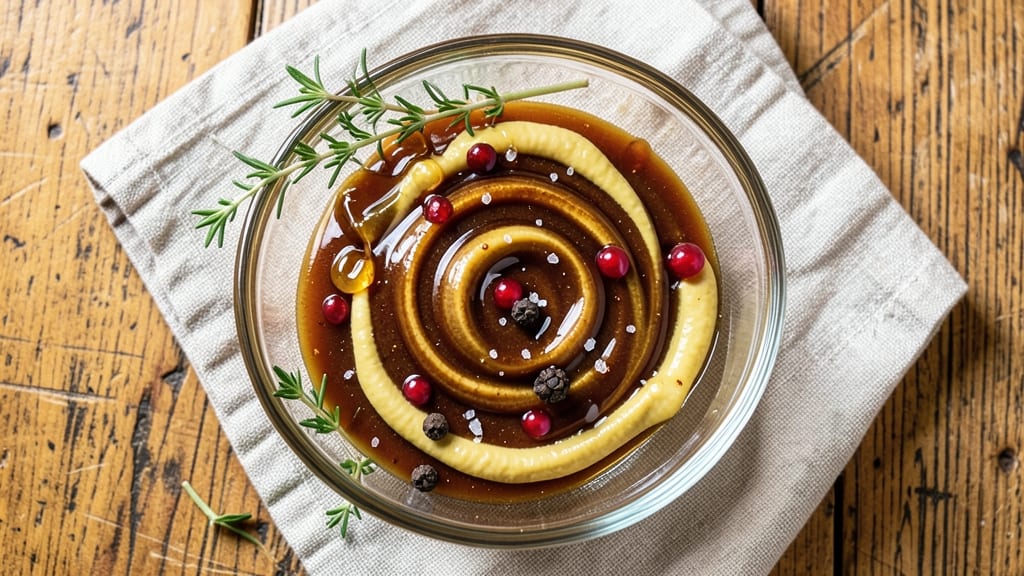
This basic balsamic vinaigrette salad dressing recipe transforms simple salads into vibrant, restaurant-quality meals with just five ingredients and five minutes of work. The secret lies in balancing bold balsamic vinegar with sweet honey, creating a tangy-sweet harmony that clings perfectly to greens.
I developed this recipe after years of testing—it’s the one I reach for when I want bold flavor without complexity, and it works equally well as a marinade or finishing drizzle.
The magic happens when you whisk together the ingredients in a slow, steady motion, ensuring a smooth emulsion that won’t separate. High-quality extra-virgin olive oil provides richness, while Dijon mustard adds subtle depth and helps bind the dressing.
This version is vegan-friendly (using maple syrup instead of honey) and delivers a bright, balanced flavor that elevates everything from mixed greens to roasted vegetables.
What makes this recipe truly versatile is its adaptability—use it as-is for classic salads, or adjust the sweetness by adding more balsamic for tang or a pinch of salt to enhance depth.
The dressing keeps well in the fridge for up to a week, making it perfect for meal prep. Once you master this foundational technique, you’ll never buy store-bought dressing again.
For best results, shake the bottle before each use to re-emulsify, and always taste as you go—this is where you fine-tune the perfect balance. Whether you’re dressing a lunch salad or drizzling over grilled meats, this vinaigrette delivers restaurant-quality flavor with minimal effort. Let’s get started!
Ingredients for basic balsamic vinaigrette salad dressing
Five ingredients transform salads into restaurant-quality meals with perfect acid-sweet harmony.
| Ingredient | Amount | Notes |
|---|---|---|
| Extra-Virgin Olive Oil 🫒 | ¾ cup | High-quality, fruity, cold-pressed |
| Balsamic Vinegar 🍷 | ¼ cup | Aged, robust flavor preferred |
| Maple Syrup 🍯 | 2 tbsp | Grade B for depth of flavor |
| Dijon Mustard 🌶️ | 1 tbsp | Mild, smooth variety preferred |
| Sea Salt 🧂 | ½ tsp | Fine grain, kosher preferred |
| Freshly Ground Black Pepper 🌶️ | ¼ tsp | Freshly cracked for best flavor |
| Ice Water 💧 | 2 tbsp | For emulsification |
The olive oil is non-negotiable—look for extra-virgin with a peppery finish like California Gold or Colavita. Balsamic vinegar should be aged at least 12 months for depth; Balzarini or Colavita are my go-tos. Maple syrup adds sweetness without overpowering, and Grade B has that caramelized richness. Dijon mustard is the secret emulsifier—Maille or Whole Foods brand work perfectly. Sea salt should be fine grain for even dissolution, and freshly ground pepper adds a subtle kick that elevates everything.
No maple syrup? Agave nectar or date syrup are solid swaps, though maple’s depth is ideal. Short on balsamic? Apple cider vinegar with an extra pinch of salt mimics the tang. Mustard-free? Whisk in 1 tsp of lemon juice for brightness. For extra richness, add 1 tbsp tahini—it blends seamlessly. The ice water is key: it helps the emulsion form smoothly, so don’t skip it. If your dressing separates, just whisk in another 1 tbsp of ice water.
This dressing stays fresh for 1 week in the fridge, sealed tightly. For longer storage, freeze in ice cube trays—thaw and whisk before use. The emulsion breaks down over time, so always shake before each use. I double the batch and keep one in the pantry for quick salads—just add a splash of water to re-emulsify. The flavor actually improves after 24 hours as the ingredients meld. Perfect for meal prep!
Why You'll Love This Recipe
- Five-Ingredient Magic: I swear by this combo—just shake, taste, adjust. No fancy tools, no waiting, no stress. The Dijon mustard cuts through the richness of the olive oil while the maple syrup softens the balsamic’s bite, so it’s never cloying or harsh.
- Sweet-Savory Balance: That first tangy hit of balsamic, then the warm maple syrup rolling over your tongue? It’s the kind of dressing that makes you pause mid-bite. Honestly, I’ve used it on everything from greens to grilled chicken, and it never disappoints.
- Weeknight Pantry Hero: Between us, I keep this in my fridge for lazy nights when I’m tossing together whatever’s in the fridge. A handful of arugula, some cherry tomatoes, and this dressing? Dinner’s served. Plus, it’s the only vinaigrette I can make without a recipe—just eyeball it.
- Leftovers That Last: Make a big batch—it keeps for weeks in the fridge. I’ll be real, I’ve had this dressing months later, and it still tastes fresh. The olive oil and vinegar base just gets better with time, and the maple syrup prevents it from turning sour. Budget-friendly? Absolutely.
Step-by-step instructions for perfect balsamic vinaigrette
This dressing comes together in minutes with a perfect balance of tangy, sweet, and rich flavors.
Whisk Vinegar, Maple Syrup, and Mustard
In a medium bowl, combine the 0.25 cup balsamic vinegar, 2 tablespoons maple syrup, and 1 tablespoon Dijon mustard. Whisk vigorously for 30 seconds until fully blended—you'll see the syrup dissolve completely and the mustard emulsify into the vinegar. This step is crucial because it creates the flavor base that will carry the oil later.
Here's the thing—don't rush this part. The syrup needs time to fully integrate with the vinegar to prevent separation later. The mixture should look smooth and uniform, with no visible streaks of honey or mustard. If you see any separation, whisk for another 10 seconds. This foundational blend is what gives your dressing that signature depth of flavor.
Season with Salt and Pepper
Add the 0.5 teaspoon sea salt and 0.25 teaspoon freshly ground black pepper to the vinegar mixture. Whisk again for 15 seconds until the salt dissolves completely. Taste the mixture—this is your flavor checkpoint. You should detect a bright tang from the vinegar, a subtle sweetness from the maple, and a hint of mustard's earthy bite.
Real talk: If the taste feels too sharp, add another ½ teaspoon maple syrup. If it needs more acidity, add ½ teaspoon balsamic vinegar. The goal is to achieve a balance where no single flavor dominates. This seasoning step is where you fine-tune the dressing to your exact preference before adding the oil.
Gradually Incorporate the Olive Oil
With the whisk moving continuously, very slowly pour in the 0.75 cup extra-virgin olive oil in a thin, steady stream. This gradual addition is key—it allows the oil to emulsify properly rather than floating on top. Pour too quickly and you'll end up with a separated dressing. Keep whisking for 1-2 minutes until the mixture thickens noticeably and takes on a creamy texture.
I like to pour the oil from about 4 inches above the bowl to create a thin stream. This controlled pouring gives you better control over the emulsification process. You'll know you're on the right track when the dressing begins to coat the back of your spoon and hold its shape when drizzled.
Add Ice Water for Stability
Remove the whisk and stir in the 2 tablespoons ice water using a silicone spatula. The cold water helps stabilize the emulsion by creating tiny droplets that suspend the oil. Give it 10-15 strokes to fully incorporate—you're not trying to blend here, just gently fold the water throughout.
This step might seem counterintuitive, but trust me: the ice water prevents the dressing from separating over time. It also adds a subtle freshness that brightens the overall flavor. After adding the water, give the dressing one final taste. It should be perfectly balanced with no single flavor overpowering the others.
Test and Adjust Consistency
Drizzle a small amount onto a plate and observe how it behaves. The dressing should flow smoothly but cling slightly to the greens. If it's too thick, whisk in 1 teaspoon ice water at a time until you reach your desired consistency. If it's too thin, add ½ teaspoon Dijon mustard to help thicken it naturally.
For best results, use the dressing immediately, but it will keep in an airtight container in the refrigerator for up to 5 days. Before each use, give it a good shake—this helps redistribute any separated oil. The perfect balsamic vinaigrette should coat your salad leaves beautifully, enhancing their natural flavors without overpowering them.
Pro Tips For Making Basic Balsamic Vinaigrette Salad Dressing
- STIR LIKE YOU MEAN IT: Whisk that Dijon mustard into the vinegar first—don’t just splash it in. The mustard needs a few seconds to emulsify before the oil joins the party, or you’ll end up with a sad, separated mess. I learned this the hard way after shaking my jar aggressively for 10 minutes and still getting oil pools.
- USE COLD OIL, NOT ROOM TEMP: Pull that extra-virgin olive oil straight from the fridge—yes, even in summer. Cold oil blends smoother with the vinegar and maple syrup, giving you a cleaner, more stable dressing. Room-temperature oil can turn your vinaigrette into a greasy, clumpy disaster, and nobody wants that.
- SALT THE MUSTARD MIX: Add a pinch of salt to the mustard-vinegar-maple syrup blend before whisking in the oil. The salt helps balance flavors and acts as a tiny emulsifier, making the dressing cling to greens like it’s glued on. I skip this step sometimes, and the dressing always tastes flat and clings poorly.
- SWAP MAPLE FOR HONEY (IF YOU MUST): If you’re fresh out of maple syrup, honey works—but heat it first. Warm 1 teaspoon of honey with 1 teaspoon of water until it’s liquid, then cool before adding. Cold honey won’t dissolve properly, and you’ll end up with grainy bits in your dressing. (And nobody wants to chew on honey crystals.)
Wine and beer pairings for this dish
Wine Pairings
This vinaigrette’s bright acidity and sweet notes pair beautifully with crisp white wines that complement its tangy-sweet balance. I always reach for a dry Italian Pinot Grigio—its citrusy finish mirrors the dressing’s acidity while keeping the palate fresh.
For something lighter, a Sauvignon Blanc from New Zealand adds herbal notes that play well with the balsamic’s depth. 🍷
Avoid heavy reds—they’ll overpower the delicate flavors. Instead, try a light-bodied Chianti if you prefer red, as its acidity won’t clash with the dressing’s brightness. The key is matching the wine’s acidity to the vinaigrette’s tang, so always opt for wines with a zesty finish.
Beer Pairings
For beer lovers, a crisp lager like Peroni or Heineken is my go-to—its clean, slightly bitter profile cuts through the dressing’s richness without competing. The carbonation also helps cleanse your palate between bites.
A Belgian witbier (like Stella Artois) adds a subtle citrusy note that enhances the balsamic’s sweetness. 🍺
If you prefer hoppier options, a light American IPA with a low bitterness (around 20-30 IBU) works well, but avoid overly bitter beers—they’ll make the dressing taste flat. The goal is balance, so stick to beers with a refreshing, crisp finish.
Non-Alcoholic Options
Don’t drink alcohol? No problem. A sparkling water with lemon (like LaCroix Lemon) mimics the dressing’s acidity while adding effervescence. For something richer, try a ginger beer—its spicy kick complements the balsamic’s sweetness beautifully. ✨
Herbal teas like hibiscus iced tea (naturally tart and sweet) also pair wonderfully. The tea’s floral notes contrast nicely with the dressing’s bold flavors, making it a refreshing alternative. Just chill it well before serving!
Nutrition facts
Frequently asked questions
Can I make this vinaigrette without Dijon mustard?
Yes, but you'll need to adjust the technique. Replace the 1 tablespoon Dijon with 1 teaspoon lemon juice or ½ teaspoon white wine vinegar to help emulsify the oil. The mustard adds subtle depth and helps bind the dressing, so you might find the texture slightly thinner without it. If you prefer a mustard-free version, whisk the oil in even more slowly and consider adding 1 teaspoon cornstarch dissolved in 1 tablespoon water to improve stability.
Why did my dressing separate? How can I fix it?
Separation usually happens when oil isn't properly emulsified. The good news: it's easily fixable! Simply whisk in 1 tablespoon ice water at a time until the dressing returns to a smooth consistency. For future batches, whisk more vigorously when adding oil or try adding ½ teaspoon xanthan gum (a tiny amount goes a long way). Store-bought vinaigrettes often contain emulsifiers—this recipe uses the natural binding power of Dijon mustard instead.
How much dressing should I make for a standard salad?
This recipe makes about 1 cup of dressing, which is perfect for 2-4 servings of salad. For a single serving, use 2-3 tablespoons—enough to lightly coat mixed greens. The dressing works best when used fresh, so scale the recipe according to your needs. Remember, you can always double or triple the batch and store it in the fridge for up to 1 week. Leftovers make great marinades too!
Can I use this dressing for anything besides salads?
This versatile vinaigrette works beautifully as a marinade for chicken or fish, a dipping sauce for crusty bread or roasted vegetables, or even a finishing drizzle over grilled meats. The acidity helps tenderize proteins when used as a marinade (use within 4 hours for safety). For extra richness, add 1 tablespoon grated Parmesan when using on pasta or grain bowls. The possibilities are endless!
What's the difference between balsamic and regular vinaigrette?
The key difference lies in the vinegar: balsamic uses aged balsamic vinegar (typically from Modena, Italy) which has a complex, sweet-tart flavor profile. Regular vinaigrette uses white or red wine vinegar, which is sharper and more acidic. The maple syrup in this recipe enhances the balsamic's natural sweetness, creating that signature balanced flavor. For a classic vinaigrette, simply swap the balsamic for white wine vinegar and reduce the sweetener to 1 tablespoon.