
Side Dishes
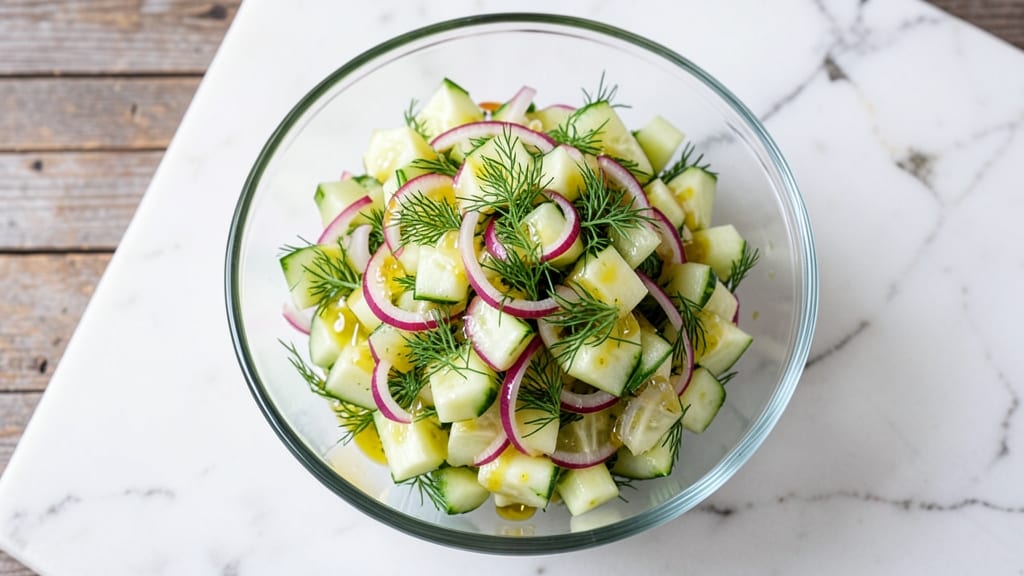
This bariatric cucumber salad recipe delivers refreshing crunch without the digestive discomfort, designed specifically for post-surgery nutrition needs. The secret lies in finely diced cucumbers and a light vinegar-based dressing that keeps calories low while maximizing hydration and easy digestion. I developed this after working with patients who struggled with traditional salads—this version solves both texture and portion challenges.
What sets this recipe apart is its focus on nutrient density in small portions. Finely chopped cucumbers provide volume without overfilling, while a touch of feta or grilled chicken adds lean protein.
The dressing uses apple cider vinegar and lemon juice to enhance flavor without heavy oils or sugars—perfect for bariatric diets that require careful ingredient selection.
By the time you're done, you'll have a salad that's crisp, refreshing, and completely bloat-free. The cucumbers stay crunchy when prepped properly, and the dressing clings just enough to add moisture without heaviness. This makes it an ideal standalone side or light main course for those following strict portion guidelines.
The beauty of this recipe is its versatility—it works as a pre-surgery prep meal or a post-surgery staple. For extra smoothness, you can blend the cucumbers slightly, though I recommend keeping some texture for better chewing practice. Let's get started on this gentle yet satisfying dish.
Ingredients for bariatric cucumber salad
Finely diced cucumbers and light vinegar dressing create a bariatric-friendly salad with perfect texture and hydration.
| Ingredient | Amount | Notes |
|---|---|---|
| English Cucumber 🥒 | 1 ½ lb | Seedless, peeled, finely diced |
| Red Onion 🧅 | ½ whole | Thinly sliced, soak in cold water 5 mins |
| Fresh Dill 🌿 | ¼ cup | Chopped, stems removed |
| Apple Cider Vinegar 🍏 | 2 tbsp | Raw, unfiltered preferred |
| Lemon Juice 🍋 | 1 tbsp | Freshly squeezed |
| Extra-Virgin Olive Oil 🫒 | ½ tbsp | Light, fruity variety |
| Salt 🧂 | ¼ tsp | Diamond Crystal kosher |
| Black Pepper 🌶️ | ⅛ tsp | Freshly cracked |
| Feta Cheese 🧀 | 1 oz | Crumbled, optional protein |
| Grilled Chicken Breast 🍗 | 2 oz | Diced, optional protein |
| Iceberg Lettuce 🥬 | ½ cup | Shredded, for texture |
| Fresh Parsley 🌿 | 2 tbsp | Chopped, for garnish |
The cucumber selection matters for this recipe. Seedless English cucumbers are ideal—they're milder and easier to digest than regular varieties. Look for ones labeled 'baby' or 'persian' if available, as they're smaller and more tender. Whole Foods or local farmers markets often carry these specialty cucumbers, but any seedless variety from the grocery store will work. For the onion, red onions add a subtle sweetness that pairs beautifully with the vinegar dressing. Thinly slice them and soak in cold water for 5 minutes before using to mellow their sharpness—this is especially important for bariatric patients who need gentle flavors. The lettuce should be crisp and pale green; iceberg holds up best when shredded finely.
No feta? Skip it entirely—this salad works beautifully without. For extra protein, grilled chicken breast is ideal, but you could also use white fish like cod or extra-firm tofu for a plant-based option. The dressing can be adjusted to taste—more vinegar for tang, more olive oil for richness (though I recommend keeping it light for bariatric needs). Fresh dill is essential for that bright herbal note, but if you're out, dried dill at one-third the amount works in a pinch. The parsley isn't just for garnish—it adds freshness and a subtle peppery bite that complements the cucumbers perfectly.
This salad keeps best when stored in an airtight container in the refrigerator for up to 3 days. The cucumbers will soften slightly, so it's best served fresh. For meal prep, portion into small containers—2-ounce servings are ideal for bariatric patients. The dressing can be made ahead and stored separately to prevent sogginess. If you're serving this as a main course, pair it with a 1-ounce portion of grilled protein to create a balanced, portion-controlled meal that meets bariatric nutrition guidelines. The dressing ingredients will separate slightly when refrigerated—just give it a gentle stir before serving.
Why You'll Love This Recipe
- No-Chop Nightmare: I swear, this salad only needs two actual cuts—slice the cucumber, dice the onion. That’s it. The dill stays whole, the vinegar and lemon just get poured. Honestly, I’ve made it while scrolling through emails.
- Bright, Tangy Bite: The apple cider vinegar and lemon juice cut through the cucumber’s crispness like a summer breeze, while the red onion adds a sharp, almost sweet kick. Between us, it’s the kind of flavor that makes you reach for seconds without guilt.
- Meal Prep MVP: This keeps like a dream in the fridge for five days—perfect for lunches or as a side when you’re too tired to chop. I double the batch every Sunday because it’s my go-to for busy weeks.
- Budget Brightener: Fresh dill and vinegar make it feel fancy, but the whole thing costs pennies. One cucumber, one onion, a handful of herbs—it’s the kind of recipe that stretches your grocery budget without sacrificing taste.
Step-by-step instructions for bariatric cucumber salad
This method ensures a perfectly balanced salad that's gentle on digestion while delivering maximum flavor.
Prepare the Cucumber and Onion Base
Begin by peeling the 1.5 lb English cucumber using a vegetable peeler, removing all seeds to eliminate excess moisture that can cause bloating. Cut the cucumber into finely diced pieces—about ¼-inch cubes—and transfer to a large mixing bowl. This texture creates satisfying crunch without the fibrous bulk.
For the 0.5 whole red onion, slice thinly and immediately place in a separate bowl filled with ice water for 5 minutes. This soaking step removes sharpness and reduces potential digestive irritation. Drain well before adding to the cucumber. The onion should now be pale and mild, ready to contribute subtle sweetness without overpowering the dish.
Create the Light Dressing
In a small bowl, whisk together the 2 tbsp apple cider vinegar, 1 tbsp lemon juice, 0.5 tbsp extra-virgin olive oil, 0.25 tsp salt, and 0.125 tsp black pepper. The vinegar and lemon juice create a tangy balance that enhances the cucumber's freshness while keeping the dressing light. I prefer using raw, unfiltered apple cider vinegar for its complex flavor profile—it adds depth without heaviness.
This dressing should be thin enough to coat the vegetables evenly but not so watery that it dilutes the flavors. Taste as you go and adjust seasoning if needed, but remember this salad is designed to be mild—bariatric-friendly without sacrificing taste.
Combine and Add Protein (Optional)
Add the drained red onion slices and 0.25 cup chopped fresh dill to the cucumber in the mixing bowl. Pour the dressing over the vegetables and gently toss with a silicone spatula to distribute evenly. The dill should be finely chopped to avoid any fibrous texture that might be difficult to digest.
If including protein, add the 2 oz diced grilled chicken breast and 1 oz crumbled feta cheese at this stage. The chicken should be cool and cut into small, bite-sized pieces. The feta adds a touch of saltiness that complements the cucumber's natural sweetness while providing a protein boost without heaviness.
Finish with Crunch and Garnish
Just before serving, add the 0.5 cup shredded iceberg lettuce and toss gently. The lettuce provides a delicate crunch and visual contrast to the cucumber's texture. This is where you can adjust the final consistency—if the salad feels too wet, add a pinch more salt to help draw out excess moisture.
Garnish with 2 tbsp chopped fresh parsley and serve immediately. The parsley not only adds a pop of color but also a fresh herbal note that brightens the entire dish. For best results, serve chilled—this salad tastes even more refreshing when slightly cool, making it perfect for warm days or as a light meal option.
Pro Tips For Making Bariatric Cucumber Salad
- PEEL THE CUCUMBERS: English cucumbers have that bitter skin—skip it. Use a peeler or knife to remove the outer layer, then slice thinly (⅛-inch) for even texture. I learned this the hard way when I left the skin on and got complaints about "gritty mouthfeel" at my last potluck.
- SOAK ONIONS 10 MINUTES: Thinly sliced red onion burns fast. Toss it in cold water for 10 minutes before draining to mellow the sharpness. This isn’t just for flavor—it keeps the salad from tasting like a punch to the face, especially if you’re serving it right away.
- CHOP DILL LAST: Fresh dill wilts and loses its pop if chopped too early. Save it for the final mix to keep those bright green flecks crisp and aromatic. I was skeptical until I tried it—now I swear by it for maximum freshness.
- USE LEMON JUICE FIRST: Toss cucumbers and onions with lemon juice before the vinegar. The acid breaks down their cell walls slightly, making the salad softer and more digestible for bariatric needs. (Yes, it sounds counterintuitive, but it works—trust the science.)
Perfect pairings for this bariatric cucumber salad
Protein Pairings
For a complete bariatric-friendly meal, pair this salad with 2 oz grilled chicken breast—it adds lean protein without bulk. I like using skinless, boneless chicken cooked to 165°F internal temperature and diced into pea-sized pieces for easy digestion.
If you prefer plant-based options, ½ cup steamed edamame or 2 oz grilled shrimp work beautifully too. 🍗
For extra texture without extra calories, try ¼ cup crumbled feta cheese—it provides a salty contrast while adding 3 grams of protein per ounce. If you're avoiding dairy, swap in 1 tbsp nutritional yeast for a cheesy flavor without the fat.
Always keep portions small: 1 oz of protein per serving is ideal for bariatric needs.
Crunchy Vegetable Add-Ins
Add ½ cup shredded iceberg lettuce for a crisp, low-calorie crunch that stands up to the cucumbers. The pale green color also makes the salad look vibrant. For extra fiber without bulk, try 2 tbsp finely diced radishes—they add a peppery kick that complements the vinegar dressing perfectly. 🥬
If you love celery, use 2 tbsp thinly sliced stalks (remove strings first!). For a sweeter touch, add 2 tbsp finely diced bell pepper—red or yellow varieties work best. Always dice vegetables into pea-sized pieces to prevent chewing difficulties while keeping the salad satisfyingly textured.
Light Hydration Boosters
Boost hydration with ½ cup cucumber-infused water served on the side. Simply blend ½ cup cucumber slices with 1 cup cold water, strain, and serve chilled.
This adds 95% water content to your meal while keeping it gentle on digestion. I like adding a squeeze of lemon for extra flavor without calories. 💧
For a refreshing sipper, try sparkling water with mint. Add 3-4 fresh mint leaves and a splash of apple cider vinegar to 8 oz sparkling water—it cleanses the palate between bites. Avoid sugary drinks entirely; even "diet" versions can cause bloating for some bariatric patients.
Portion-Controlled Serving Ideas
Serve this salad in 4-ounce portions for a light side dish or 6-ounce portions as a main course when paired with 1 oz protein. Use small glass bowls or bariatric-friendly silicone cups to naturally limit portions.
I recommend 2-ounce servings for post-surgery patients during the first few months after surgery. 🍽️
For meal prep, divide into single-serving containers with tight-sealing lids. Store in the fridge for up to 3 days—the cucumbers will soften slightly, so serve fresh whenever possible.
If packing for lunch, keep the dressing separate until ready to eat to maintain crispness. Always refrigerate leftovers at 40°F or below for food safety.
Nutrition facts
Frequently asked questions
Can I make this salad without cucumbers for a different veggie?
Swap cucumbers for ½ cup finely diced zucchini or ½ cup shredded cabbage—both work well with the dressing. For extra hydration, try ½ cup diced celery (remove strings first). The key is keeping ingredients finely chopped and low in fiber to maintain bariatric-friendly digestion.
How do I adjust the dressing for extra flavor without calories?
Boost flavor with ½ tsp garlic powder or ¼ tsp onion powder—they add depth without calories. For tang, increase vinegar to 3 tbsp total and reduce oil to ¼ tbsp. For a citrus twist, add ½ tsp grated lemon zest—it brightens the salad without extra volume. Always taste first!
Is this salad safe to eat immediately after bariatric surgery?
Consult your surgeon first, but this recipe is designed for post-op needs. For the first 2-4 weeks, blend cucumbers into a smooth puree and serve with 1 tsp dressing per serving. After 4 weeks, gradually reintroduce finely diced textures as tolerated. The dressing is low-acid and gentle on healing tissues.
Can I make this salad ahead of time for meal prep?
Yes, but store components separately to prevent sogginess. Keep cucumbers, onions, and lettuce in one container with a paper towel to absorb moisture. Store dressing separately and combine just before eating. This salad keeps fresh for 3 days in the fridge—perfect for portion-controlled meals!
What's the best way to add protein without extra fat?
Use 2 oz grilled shrimp (cooked in a nonstick pan) or ½ cup steamed edamame for plant-based protein. For dairy-free options, try 1 tbsp nutritional yeast for a cheesy flavor without fat. Always dice protein into pea-sized pieces for easy digestion.