
Sauces & Condiments
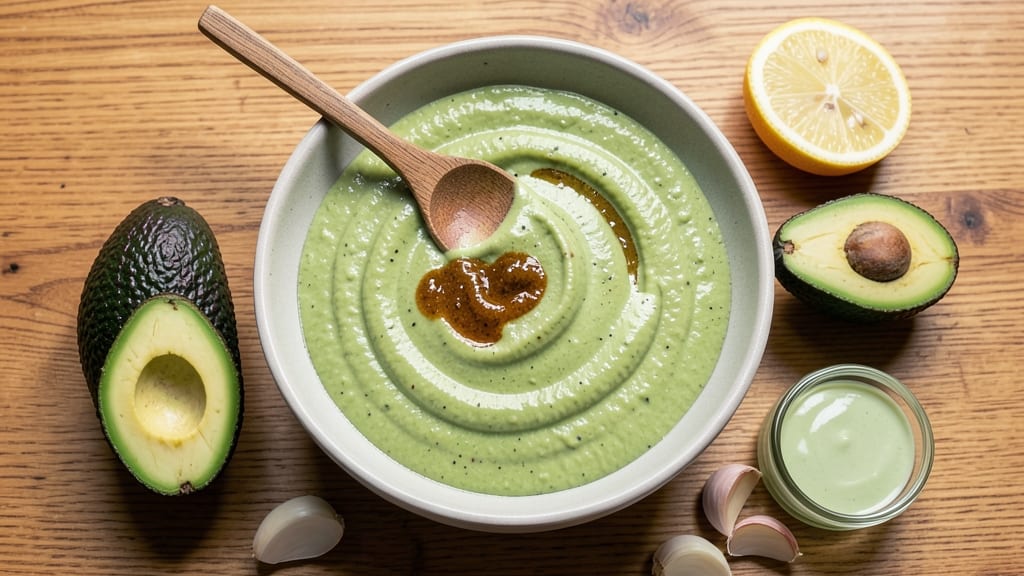
This avocado salad dressing recipe no oil transforms simple ingredients into a velvety, tangy dressing that clings to greens without weighing them down. The secret lies in blending ripe avocado with citrus and a touch of mustard, creating a naturally creamy texture that replaces oil while delivering rich, balanced flavor.
I developed this after craving a lighter dressing that still felt indulgent—no heavy calories or greasy residue in sight.
The magic happens when you combine silken tofu (for extra stability) with lemon juice and apple cider vinegar, which brighten the avocado’s natural richness. This dressing isn’t just oil-free—it’s packed with healthy fats, plant-based protein, and a vibrant green hue that makes every salad look as good as it tastes.
Perfect for leafy greens, grain bowls, or even as a dip for fresh veggies.
What sets this apart is its foolproof creaminess—no separation, no oil slick, just smooth, tangy perfection that stays fresh in the fridge for up to 5 days.
The acidity from the vinegar and citrus cuts through the avocado’s fat, balancing the richness while keeping the dressing light enough for summer salads or hearty winter bowls.
Use it as a base for your favorite greens, drizzle over roasted vegetables, or even mix into soups for added creaminess. The versatility makes it a staple in any kitchen, and the no-oil approach proves healthy eating can still be delicious.
Let’s make this dressing—your salads will never be the same.
Ingredients for avocado salad dressing recipe no oil
Bright green, creamy, and packed with flavor—this dressing proves healthy can taste indulgent.
| Ingredient | Amount | Notes |
|---|---|---|
| Ripe Avocados 🥑 | 2 whole | Firm but yielding, pitted |
| Silken Tofu 🧈 | ½ cup | Extra-firm for creaminess |
| Fresh Lemon Juice 🍋 | ¼ cup | Freshly squeezed, strained |
| Apple Cider Vinegar 🍏 | 2 tbsp | Raw, unfiltered preferred |
| Dijon Mustard 🌶️ | 1 tbsp | Mild or classic variety |
| Garlic Cloves 🧄 | 2 cloves | Fresh, minced or grated |
| Sea Salt 🧂 | ½ tsp | Fine grain preferred |
| Black Pepper 🌶️ | ¼ tsp | Freshly ground preferred |
| Water 💧 | ¼ cup | Room temperature |
| Fresh Cilantro 🌿 | ¼ cup | Stems removed, chopped |
Avocados are the star here, so pick ripe but firm ones—they should yield slightly when pressed. Trader Joe's and Whole Foods usually have the best selection. Silken tofu adds that perfect velvety texture without oil, and it’s non-negotiable for stability. Fresh lemon juice is a must—bottled won’t cut it. I grab the organic lemons at Costco when I can, but any fresh lemon works. The garlic? Freshly minced makes all the difference—no pre-minced garbage here.
No silken tofu? Extra-firm tofu blended with 1 tbsp water works in a pinch, but texture won’t be as smooth. Short on lemon? Lime juice at the same amount brightens things up differently. Dijon mustard can be swapped for whole-grain mustard, but it’ll be slightly grainier. The cilantro is optional but adds that fresh, herby note—skip it if you’re not a fan. For extra tang, add another 1 tbsp vinegar. This dressing is naturally vegan, but double-check your mustard label if you’re avoiding hidden ingredients.
Store this in a glass jar with a tight lid—keeps for 5 days in the fridge. The tofu and avocado separate slightly over time, so give it a quick stir before using. For longer storage, freeze in ice cube trays—just thaw and blend again. This dressing is magic on kale salads, grain bowls, or even as a dip. Trust me, you’ll reach for this instead of store-bought every time.
Why You'll Love This Recipe
- No Blender Needed: I swear by this—just mash the avocado and tofu with a fork until smooth. No fancy equipment, no cleanup, and the texture comes out just right: thick enough to cling but silky enough to drizzle.
- Tangy-Creamy Magic: That lemon juice and apple cider vinegar punch cuts through the richness of the avocado, while the Dijon mustard adds a sharp little kick. Honestly, it’s the kind of dressing that makes you go back for seconds—even when you’re not supposed to.
- Salad’s Best Friend: Drizzle it over greens, toss it with grain bowls, or use it as a dip for veggies. Between us, it’s my go-to for meal prep because it elevates everything without overpowering. Even my picky-eating partner asks for it now.
- Lasts All Week: The silken tofu keeps it from browning, and the acidity from the vinegar means it stays fresh in the fridge for days. I make a big batch on Sundays, and by Wednesday, I’m still finding excuses to use it. Budget win, too—no oil means fewer grocery trips.
Step-by-step instructions for avocado salad dressing no oil
Here's how to blend this ultra-creamy, vibrant dressing that keeps its freshness without a drop of oil.
Halve and Pit the Avocados
Cut the 2 whole ripe avocados in half lengthwise and remove the pits using a spoon to scoop out the flesh. I like to press down firmly on the avocado halves with a large spoon to extract every last bit of creamy green goodness. The avocados should be ripe enough to yield easily when pressed but not so soft they turn to mush.
Place the avocado halves on a cutting board and use the back of a knife to gently mash the flesh against the board, creating small chunks rather than a puree. This texture creates a more interesting mouthfeel in the dressing. Try to keep the skin off—it can add bitterness and make the dressing grainy.
Combine Wet Ingredients
In a food processor fitted with the blade attachment, add the mashed avocados, 0.5 cup silken tofu, 0.25 cup fresh lemon juice, 2 tbsp apple cider vinegar, and 0.25 cup water. The silken tofu adds incredible creaminess without oil, while the lemon juice and vinegar provide that bright, tangy balance that makes this dressing shine.
Process the mixture on medium speed for about 30 seconds, scraping down the sides with a spatula to ensure everything gets incorporated evenly. You want a smooth, creamy consistency at this stage—if it's too thick, add another tablespoon of water. The dressing should look like a thick, pale green custard.
Add Garlic, Mustard, and Seasonings
Add the 2 cloves minced garlic, 1 tbsp Dijon mustard, 0.5 tsp sea salt, and 0.25 tsp black pepper to the food processor. Pulse the mixture a few times just to combine these ingredients—you don't want to over-process or the garlic will turn bitter. The Dijon mustard adds depth of flavor and helps emulsify the dressing, while the garlic brings that essential savory punch.
Taste the mixture at this point. You might find it needs more salt or lemon juice—this is where you can adjust to your preference. Remember, you can always add more salt or lemon, but you can't take it out. The dressing should have a bright, tangy flavor with a hint of garlic and mustard.
Finish with Fresh Cilantro
With the food processor running on low speed, add the 0.25 cup chopped fresh cilantro through the feed tube. This method helps distribute the cilantro evenly throughout the dressing without over-processing it into a paste. The cilantro adds a fresh, herbal note that brightens the entire dressing and gives it that signature green color.
Process for another 10-15 seconds until the cilantro is finely chopped and fully incorporated. The final texture should be smooth and creamy with just a hint of texture from the cilantro. Transfer the dressing to a bowl and give it a final taste—it should be bright, tangy, and perfectly balanced between creamy and fresh.
Store and Use Immediately
Cover the dressing tightly with plastic wrap pressed directly onto the surface to prevent browning, and refrigerate for up to 3 days. The dressing will keep its vibrant green color and creamy texture for the first day, but I recommend using it within 24 hours for the best flavor and texture.
This dressing works beautifully on mixed greens, grain bowls, or as a dip for veggie sticks. If it thickens in the fridge, simply add a splash of water or lemon juice to loosen it back to your desired consistency. The key to success is using perfectly ripe avocados and keeping everything chilled until ready to use.
Pro Tips For Making Avocado Salad Dressing Recipe No Oil
- USE A FOOD PROCESSOR—NOT A BLENDER: I learned this the hard way—blenders turn silken tofu into glue. A food processor chops it into tiny, creamy bits that blend seamlessly with avocado. If you’re hand-mashing, at least cut the tofu into ½-inch cubes first—it breaks down faster.
- PIT THE AVOCADOS FIRST: Spoiled pit = ruined dressing. Slice the avocado in half, tap the pit with your knife, then twist it out. This keeps the flesh intact and prevents bitter, oxidized flavor from seeping in. (Yes, even if you’re impatient like me.)
- START WITH LESS VINEGAR: Apple cider vinegar packs punch. Add 1 teaspoon at a time, tasting as you go—you can always stir in more, but you can’t undo the sour. The dressing should taste bright, not like you’re pickling your salad.
- SALT THE TOFU BEFORE BLENDING: This isn’t just about flavor—it draws out moisture, making the dressing thicker and more stable. Sprinkle ¼ teaspoon salt over the silken tofu, let it sit for 2 minutes, then drain excess liquid before processing. (Your future self will thank you.)
Serving suggestions for this avocado salad dressing recipe no oil
Salad Pairings
This dressing shines on mixed greens like butter lettuce, arugula, or spinach—just toss with 1 tbsp per 2 cups greens. For heartier salads, pair with quinoa, roasted sweet potatoes, and grilled chicken.
I love it on kale salads with toasted pecans and dried cranberries—the tangy dressing balances the earthy kale perfectly. 🥗
Grain Bowls
Use this dressing as the base for bowls with brown rice, farro, or millet. Top with roasted Brussels sprouts, avocado slices, and chickpeas for a protein-packed meal. I also drizzle it over cold soba noodles with edamame and shredded carrots—it adds a creamy, zesty kick without overpowering.
The silken tofu keeps it rich while staying light.
Dips and Spreads
Serve it as a dip with crudités like cucumber, bell pepper strips, and jicama. For a fun twist, spread it on toasted baguette slices with smoked salmon and capers.
I even use it as a taco sauce—just mix in 1 tsp lime juice and a pinch of smoked paprika. The creamy texture clings beautifully to tortilla chips too. 🌿
Breakfast Boost
Add a spoonful to your morning smoothie bowl for extra creaminess—it pairs well with banana, granola, and chia seeds. I also drizzle it over avocado toast with cherry tomatoes and microgreens for a restaurant-worthy breakfast.
The dressing adds a tangy contrast to the richness of avocado, making it feel like a special treat. 🍳
Meal Prep Hacks
Store extra dressing in small glass jars to keep it fresh for up to 5 days. I like to portion it into ice cube trays—freeze, then pop out cubes to thaw quickly.
Add a cube to your lunchbox for instant dressing on the go. For meal prep, use it to coat pre-cut veggies or grains so they stay moist in the fridge. 💡
Nutrition facts
Frequently asked questions
Why does this dressing stay creamy without oil?
The secret lies in the silken tofu and Dijon mustard—both act as natural emulsifiers. The tofu adds protein-based creaminess while the mustard helps bind the ingredients together. The acidity from lemon and vinegar also preserves texture by preventing the avocado from browning too quickly.
Can I make this dressing without silken tofu?
Yes! Use ½ cup extra-firm tofu blended with 1 tbsp water or ¼ cup Greek yogurt (for non-vegan versions). The texture will be slightly less velvety but still delicious. For a vegan alternative, try ¼ cup cashew butter mixed with 2 tbsp water to replace the tofu.
How do I prevent the dressing from turning brown?
Press plastic wrap directly onto the surface before sealing the container to minimize air exposure. Add ½ tsp lemon juice when storing, or mix in 1 tsp apple cider vinegar for extra preservation. Use within 3 days for best color and flavor.
What if my dressing separates after refrigerating?
This happens when the avocado releases too much water. Simply stir in 1-2 tbsp water or lemon juice to restore creaminess. For a thicker consistency, blend briefly with ½ tsp mustard to re-emulsify. The dressing should smooth out immediately.
Can I use this dressing on hot dishes?
This dressing works best cold or at room temperature. For hot dishes like soups, stir it in at the very end to preserve its fresh texture. Avoid adding to boiling liquids—heat will break down the avocado's natural oils and cause separation.