
Side Dishes
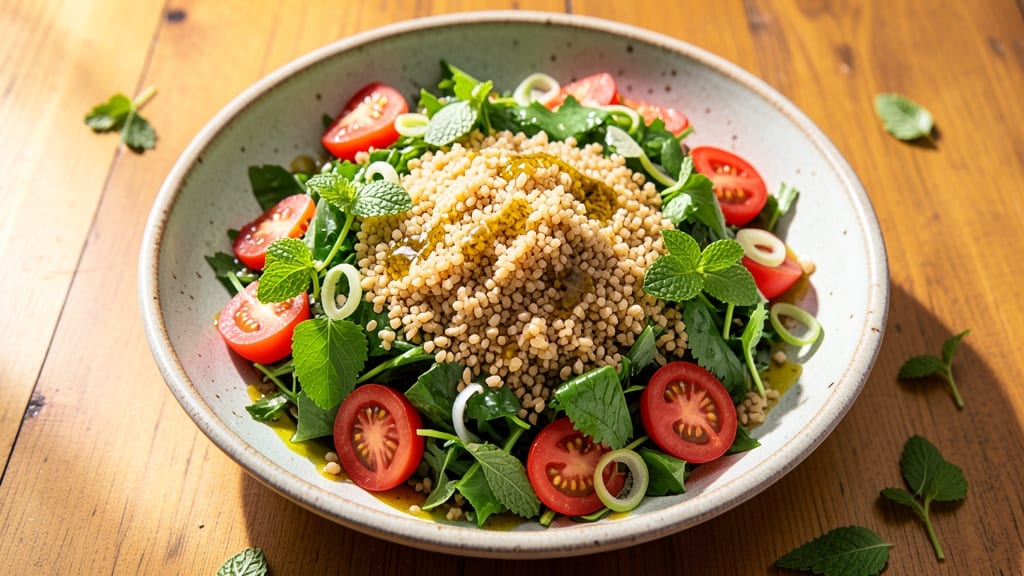
This authentic Lebanese tabbouleh salad recipe delivers the bright, herby freshness that defines Middle Eastern cuisine. 🌿 The secret lies in perfectly soaked bulgur wheat and finely chopped parsley, creating a texture that's both tender and crunchy.
I've perfected this recipe over years of testing, ensuring every bite captures the true essence of Lebanon.
What sets this tabbouleh apart is the balance of flavors—zesty lemon, aromatic sumac, and fresh herbs come together in a way that's both vibrant and deeply satisfying. Unlike many adaptations, this version stays true to tradition while being simple enough for weeknight meals.
The bulgur soaks just right, the parsley stays crisp, and the dressing enhances rather than overpowers.
By the time you're done, you'll have a salad that's as beautiful as it is delicious—bright green, fragrant, and packed with texture. The lemon dressing adds a tangy brightness that cuts through the richness of other dishes, making this the perfect side for grilled meats or a standalone vegetarian meal.
It's the kind of dish that transports you to a bustling Lebanese market with every bite.
Ready to experience authentic tabbouleh? This recipe delivers restaurant-quality results at home with just a few simple ingredients and techniques. Let's get started on creating your own vibrant bowl of freshness.
Ingredients for authentic lebanese tabbouleh salad
Bright parsley, tender bulgur, and zesty lemon—this is your ticket to authentic Lebanese flavor.
| Ingredient | Amount | Notes |
|---|---|---|
| Fine Bulgur Wheat 🌾 | 1 cup | Rinsed thoroughly before soaking |
| Fresh Flat-Leaf Parsley 🌿 | 3 cups | Stems removed, finely chopped |
| Fresh Mint Leaves 🌿 | ½ cup | Finely chopped, stems removed |
| Medium Tomatoes 🍅 | 2 whole | Seeded, finely diced |
| Green Onions 🧅 | 3 whole | White and green parts, chopped |
| Fresh Lemon Juice 🍋 | ½ cup | Freshly squeezed |
| Extra-Virgin Olive Oil 🫒 | ½ cup | High-quality, fruity |
| Sumac 🍃 | 1 tbsp | Ground, for tangy kick |
| Ground Cumin 🌿 | ½ tsp | Toasted for depth |
| Kosher Salt 🧂 | 1 tsp | Adjust to taste |
| Fresh Cilantro 🌿 | ¼ cup | Optional, chopped finely |
| Radishes 🥕 | 2 whole | Thinly sliced, for crunch |
The parsley is non-negotiable here—farmers market bunches have the freshest leaves, but grocery store parsley works too (just pick the brightest stems). Trader Joe's and Whole Foodsfine grain is key—it soaks up the dressing perfectly. I always rinse it twice to remove excess starch, which keeps the texture light. The tomatoes? Roma or vine-ripened hold up best when diced—skip the mealy ones. And grab a small bag of radishes while you're there; they add a peppery crunch that cuts through the richness.
No sumac? Substitute lemon zest at double the amount—it won't be identical, but it'll add brightness. Running low on mint? Fresh basil at half the quantity works in a pinch (though purists might frown). The olive oil matters—Kalamata or fruity Spanish varieties elevate this dish. If you're using store-bought lemon juice, add a pinch of salt to mimic freshness. The radishes can be swapped for thinly sliced cucumber if you prefer a milder crunch. And if you're feeling extra, toss in a handful of toasted pine nuts for texture (they're worth the splurge).
This salad tastes even better the next day—the bulgur absorbs the dressing perfectly after resting. Store it in an airtight container with a paper towel pressed on top to keep the parsley crisp for up to 3 days. For longer storage, freeze the dressing separately and mix it in when serving. I always double the batch—half for dinner, half for lunches. The flavors meld beautifully overnight, making it the ultimate make-ahead dish.
Why You'll Love This Recipe
- I’ll be real: most tabbouleh recipes make you wait hours for the bulgur. Not this one. A quick 10-minute soak in hot water—no peeking, no fuss—and it’s ready when you are. That bright parsley-mint punch still shines without the wait.
- The secret’s in the chopping: fine, almost confetti-like parsley and mint, tossed with just enough lemon to make your mouth water. No heavy dressing, no soggy mess—just that fresh, zesty crunch that makes every bite feel like summer.
Step-by-step instructions for authentic Lebanese tabbouleh salad
Here's how to make this vibrant, herby salad that captures Lebanon's fresh flavors perfectly.
👨🍳 Step 1: Soak and Prepare the Bulgur
Place the 1 cup fine bulgur wheat in a medium bowl and cover it completely with 2 cups hot water (not boiling). Let it soak for 15-20 minutes until the water is absorbed and the bulgur looks plump and tender. Drain any excess water using a fine-mesh strainer.
I like to press down gently on the bulgur with a spoon during soaking—this helps break up any hard pieces and ensures even cooking. Don't skip this step; properly soaked bulgur is the foundation of authentic tabbouleh. The texture should be soft but still hold its shape when drained.
🍳 Step 2: Chop All Fresh Herbs and Vegetables
In a large mixing bowl, combine the 3 cups fresh flat-leaf parsley (stems removed), 0.5 cup fresh mint leaves (stems removed), and 0.25 cup fresh cilantro (if using). Chop everything together using a sharp chef's knife—you want the herbs finely minced but not pulverized. The parsley should be the dominant flavor, with mint adding brightness.
Next, add the 2 whole medium tomatoes (seeded and finely diced) and 3 whole green onions (white and green parts chopped). Thinly slice the 2 whole radishes and add them to the bowl. The radishes add a delightful crunch that contrasts beautifully with the soft bulgur. I use a mandoline for even slices, but a sharp knife works too.
🥘 Step 3: Mix Bulgur with Herbs and Seasonings
Add the drained bulgur to the herb-vegetable mixture in the bowl. Sprinkle over the 1 tbsp sumac, 0.5 tsp ground cumin, and 1 tsp kosher salt. Using your hands or a large spoon, gently toss everything together until the bulgur is evenly coated with the herbs and seasonings. The sumac gives that signature tangy kick that sets authentic tabbouleh apart.
Here's the thing—don't overmix. You want the herbs to stay vibrant and distinct, not muddled together. The bulgur should be well-distributed but still visible. Taste a spoonful at this stage; you should notice the bright parsley flavor with hints of mint and tomato acidity.
🍋 Step 4: Add Lemon and Olive Oil
In a small bowl, whisk together the 0.5 cup fresh lemon juice and 0.5 cup extra-virgin olive oil. Pour this fragrant mixture over the bulgur-herb combination in the large bowl. Toss gently again to distribute the dressing evenly throughout the salad. The lemon juice should brighten all the flavors while the olive oil adds richness.
Let the salad sit for 10-15 minutes at room temperature. This resting period allows all the flavors to meld together beautifully. You'll notice the colors deepen slightly and the aromas become more complex. I know it's tempting to eat it immediately, but patience here makes all the difference in the final result.
⏰ Step 5: Chill and Serve
Transfer the tabbouleh to the refrigerator and let it chill for at least 1 hour (or up to 4 hours) before serving. Chilling allows the flavors to fully develop and the bulgur to absorb the lemon dressing, creating that perfect balance of textures and tastes. The salad should be cool but not cold when served.
When ready to serve, give it one final gentle toss to redistribute any settled ingredients. The finished tabbouleh should have vibrant green parsley streaks, bright red tomato bits, and those lovely pink radish slices peeking through. Serve it as a refreshing side dish with grilled meats, in wraps, or as a light vegetarian meal with warm pita bread.
Pro Tips For Making Authentic Lebanese Tabbouleh Salad
- SOAK BULGUR 30 MINUTES: I used to eyeball this and end up with either mushy or crunchy bulgur—both are wrong. Fine bulgur needs 30 minutes in room-temperature water (not boiling) to soften just enough. Drain it well in a fine-mesh strainer, then give it a vigorous shake to break up clumps. Wet hands help here—don’t skip it.
- CHOP PARSLEY COARSELY: Fine parsley turns tabbouleh into parsley porridge. Use the back of your knife to smash stems lightly (they’re packed with flavor), then chop leaves into ¼-inch pieces—big enough to see individual strands. Mint should be even coarser; tear it roughly between your fingers.
- SALT THE BULGUR: Skip this, and your salad tastes bland. Add ½ teaspoon salt to the soaking water—it seasons the bulgur directly. No need to rinse it later; the salt dissolves and infuses. (Yes, even if you’re using salted tomatoes and lemons later.)
- ADD TOMATOES LAST: Toss them in early, and they’ll turn the salad into a watery mess. Instead, dice tomatoes (skin on for texture) and fold them in right before serving. Their juices should just barely glisten—not pool. Green onions go in too, sliced thinly on the bias for crunch.
Perfect pairings for this authentic lebanese tabbouleh salad
Middle Eastern Meze Spread
Tabbouleh shines as the star of a traditional Lebanese meze spread, where it pairs perfectly with hummus, baba ganoush, and fresh za'atar bread. I love serving it alongside muhammara (red pepper and walnut dip) to balance the salad's brightness with smoky depth.
For extra flair, add stuffed grape leaves (dolmas) and pickled turnips to create a vibrant, colorful platter that's perfect for gatherings. 🌿
Grilled Meats Pairings
This herby salad cuts through rich grilled meats beautifully. I recommend pairing it with Lebanese-style grilled lamb chops or kofta kebabs—the parsley's freshness contrasts perfectly with the smoky, charred flavors.
For a vegetarian option, serve alongside grilled halloumi cheese or eggplant skewers. Always keep the tabbouleh chilled until serving to maintain its crisp texture against the warm meats. 🔥
Beverage Pairings
A crisp ayran (yogurt drink) is the classic pairing for tabbouleh, balancing the salad's tangy flavors with its cool, creamy texture. For a non-dairy option, try Lebanese mint lemonade—its sweetness complements the salad's herbal notes.
If you prefer wine, a light dry white like Assyrtiko or a crisp Sauvignon Blanc enhances the parsley and lemon. Avoid heavy reds that could overpower the delicate flavors. 🍷
Global Fusion Twists
For a modern twist, serve tabbouleh alongside grilled shrimp skewers with a squeeze of lime, or pair it with Mediterranean-style fish (like branzino) baked with lemon and herbs. In California, it's often served with avocado toast or smoked salmon for a brunch-friendly fusion.
The key is keeping the tabbouleh's bright flavors central while letting complementary dishes enhance its freshness. ✨
Dessert Contrasts
Finish your meal with a sweet contrast by serving tabbouleh alongside baklava or knafeh—the herby salad cleanses the palate between rich, syrupy desserts. For a lighter option, pair it with fresh fruit like pomegranate seeds or dried figs with goat cheese.
The acidity in the tabbouleh balances the sweetness beautifully, creating a satisfying end to any Lebanese feast. 🍇
Nutrition facts
Frequently asked questions
Why does authentic Lebanese tabbouleh use bulgur instead of couscous?
Bulgur is the traditional choice because it's made from whole wheat, giving tabbouleh its signature hearty texture and nutty depth. Unlike couscous, which is pre-cooked and steamed, bulgur absorbs the lemon dressing perfectly while maintaining a satisfying bite. The fine grain variety used in this recipe breaks down just enough to create that ideal tender-crunch balance.
Can I make tabbouleh without parsley? What's the best substitute?
While parsley is non-negotiable for authentic flavor, you can use 1 cup fresh cilantro plus 1 cup fresh dill as a substitute if absolutely necessary. The cilantro-dill combo won't replicate the exact taste but will maintain the bright herbal profile. For best results, try to source fresh parsley from Middle Eastern markets where the stems are often more flavorful.
How do I prevent my tabbouleh from turning mushy? Overchopping the parsley and not draining the bulgur properly are the most common culprits. Use a sharp knife and chop herbs just until finely minced—not pulverized. Also,
Is it okay to use store-bought lemon juice instead of fresh?
Fresh lemon juice is ideal because it's more acidic and aromatic, but you can use store-bought in a pinch. If substituting, add an extra ½ teaspoon of salt to compensate for the reduced acidity. For best results, let the salad sit for 30 minutes after mixing to allow the flavors to develop fully.
Can I make tabbouleh ahead of time? How long does it keep?
This salad actually tastes better the next day! Store it in an airtight container with a paper towel pressed on top to maintain crispness. It keeps well in the refrigerator for up to 3 days. For longer storage, freeze the dressing separately and mix it in when serving. The bulgur texture remains perfect when properly stored.