
Side Dishes
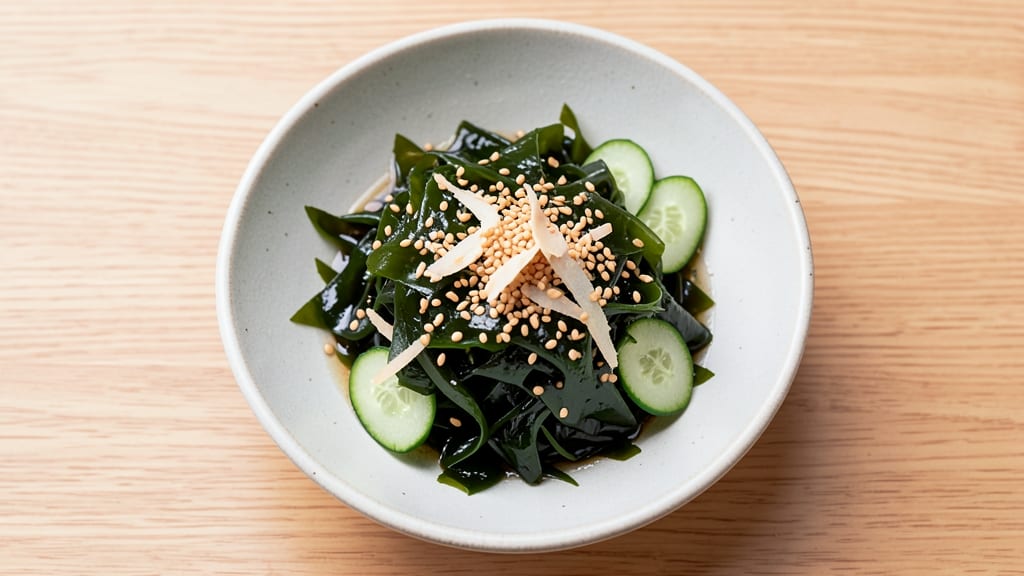
This authentic Japanese seaweed salad delivers the perfect balance of crispy sesame zing and delicate umami brightness that elevates any meal. The secret lies in the traditional sunomono technique—thinly sliced cucumber, chewy wakame seaweed, and a tangy dressing of rice vinegar, sugar, and toasted sesame seeds.
I've perfected this recipe over years of Japanese home cooking, ensuring every bite captures the fresh, vibrant essence of Japanese cuisine.
The key to success is achieving that textural contrast—crisp cucumber slices paired with tender, rehydrated wakame that holds its shape without becoming mushy. A precise 3:1 ratio of rice vinegar to sugar creates the signature tangy-sweet balance, while toasted sesame seeds add a nutty crunch that ties everything together.
This salad isn't just a side; it's a flavor experience that transforms simple ingredients into something extraordinary.
What makes this recipe truly special is how it comes together in just 10 minutes while delivering restaurant-quality results. The dressing is made with just four ingredients, yet each plays a crucial role in creating that signature Japanese brightness.
Whether served as a refreshing side to sushi or as a light, satisfying meal on its own, this salad brings a taste of Japan to your table with minimal effort.
For those seeking authenticity, I'll share the exact ratios and techniques used in Japanese homes—no shortcuts that compromise flavor.
The crispness of the cucumber, the chewiness of the seaweed, and the nutty crunch of the sesame all work in harmony to create a salad that's as beautiful as it is delicious. Let's get started on making this classic Japanese dish at home.
Ingredients for authentic japanese seaweed salad
Nine essential ingredients transform into this vibrant Japanese sunomono salad showcasing crisp textures and umami depth.
| Ingredient | Amount | Notes |
|---|---|---|
| Japanese Wakame Seaweed 🍃 | 2 oz | Dried, high-quality wakame preferred |
| Persian Cucumber 🥒 | 1 whole | Thinly sliced, seeds removed |
| Rice Vinegar 💧 | ⅓ cup | Seasoned preferred for authenticity |
| Granulated Sugar 🍚 | 0.11 cup | Adjust to taste for balance |
| Toasted Sesame Seeds 🥜 | 2 tbsp | Lightly toasted for maximum flavor |
| Fresh Ginger 🌿 | 1 tbsp | Finely grated, fresh preferred |
| Vegetable Oil 🫒 | 1 tbsp | For crisping cucumber slices |
| Diamond Crystal Kosher Salt 🧂 | ¼ tsp | For seasoning cucumber |
| Sesame Oil 🫒 | 1 tsp | Toasted for nutty aroma |
| Red Pepper Flakes 🌶️ | ⅛ tsp | Optional for subtle heat |
The wakame seaweed is non-negotiable for authenticity—Japanese specialty stores or well-stocked Asian markets carry the best quality. Look for vibrant green wakame with no brown edges, as this indicates freshness. The cucumber should be crisp and firm—Persian cucumbers are ideal due to their thin skin and minimal seeds. For rice vinegar, Kikkoman or Sushi Chef brands deliver that signature tangy brightness. Toast your sesame seeds in a dry pan over medium heat for 2-3 minutes until golden—this enhances their nutty flavor significantly.
No sesame oil? Toasted peanut oil works in a pinch, though the flavor profile differs slightly. Substituting the wakame with dulse flakes maintains umami but alters texture. For sugar, agave nectar or maple syrup can replace granulated at a 1:1 ratio, though the texture may vary slightly. The ginger should be peeled and grated using a microplane for the finest texture. If you're avoiding gluten, ensure your sesame seeds are certified gluten-free, as some brands process in shared facilities. The red pepper flakes are optional but add a subtle heat that complements the salad beautifully.
Store dried wakame in an airtight container in a cool, dark place for up to 6 months. Once rehydrated, wakame keeps in the fridge for 3 days—store it submerged in water to maintain texture. Cucumber slices should be tossed with a light coating of vegetable oil and refrigerated for no more than 2 hours to prevent sogginess. The dressing components (vinegar, sugar, sesame oil) can be mixed ahead and stored for 1 week in the refrigerator. For optimal texture, assemble the salad just before serving to preserve that restaurant-quality crunch.
Why You'll Love This Recipe
- No-Chop Needed: I swear by this trick—just slice the Persian cucumber into thick rounds, no dicing required. The wakame soaks up the dressing while you’re making dinner, so it’s basically hands-off work.
- Umami Magic: That first bite of rehydrated wakame with its briny, ocean-kissed flavor? It’s the secret weapon. The rice vinegar and sugar balance it perfectly—sweet, tangy, and addictive without trying too hard.
- Picnic-Proof Side: Between us, this is my go-to for lunchboxes, potlucks, or even a last-minute bento. It stays crisp, travels well, and pairs with anything—grilled fish, rice bowls, or straight from the container with chopsticks.
- Dollar Stretch: A single pack of dried wakame lasts me weeks, and cucumbers are always affordable. Honestly, for the cost of a fancy salad kit, I get way more servings—plus, the sesame seeds add that gourmet touch without breaking the bank.
Step-by-step instructions for authentic Japanese seaweed salad
Master this classic Japanese dish where delicate wakame transforms into a crisp, umami-rich salad.
Prepare the Wakame Seaweed
Place the 2 oz Japanese Wakame Seaweed in a medium bowl and cover it completely with cold water. Let it soak for 10-15 minutes until it expands and becomes tender but still holds its shape. Drain thoroughly using a fine-mesh strainer, pressing gently to remove excess water.
Wakame should triple in size when properly hydrated—it should feel tender when pinched between fingers but not mushy. If it feels rubbery, soak for another 5 minutes. Rinse briefly under cold water to remove any grit, then transfer to a clean bowl. This preparation ensures the perfect texture for the salad's signature crispness.
Crisp the Cucumber Slices
Cut the 1 whole Persian Cucumber lengthwise into quarters, then slice each quarter into ⅛-inch thick half-moons. Remove seeds with a teaspoon for cleaner texture. Pat slices dry with paper towels—this step is crucial for achieving that signature crispness.
Heat 1 tablespoon Vegetable Oil in a nonstick skillet over medium-high heat until shimmering. Add cucumber slices in a single layer and cook for 1-2 minutes per side until golden brown spots appear. Transfer to a paper towel-lined plate to drain excess oil. The slight crispness from this step elevates the salad's texture dramatically.
Create the Dressing
In a small saucepan, combine 0.33 cup Rice Vinegar, 0.11 cup Granulated Sugar, and 1 tablespoon Fresh Ginger over low heat. Bring just to a simmer and cook for 3-4 minutes until the sugar dissolves completely. Remove from heat and stir in 1 teaspoon Sesame Oil and 0.125 tsp Red Pepper Flakes. Let cool to room temperature.
This dressing forms the flavor backbone of the salad. The ginger adds warmth, while the red pepper flakes introduce subtle heat that balances the umami. Taste and adjust sweetness or acidity—it should be tangy but not overpowering. Allowing it to cool prevents the sesame oil from separating later.
Assemble the Salad
In a large bowl, gently combine the prepared wakame with cucumber slices. Sprinkle with 0.25 tsp Diamond Crystal Kosher Salt and toss lightly to distribute evenly. Pour the cooled dressing over the salad and toss again until everything is evenly coated. Let marinate for 10 minutes at room temperature to allow flavors to meld.
The wakame should be completely coated with dressing but still retain its shape. The cucumber should remain crisp rather than soggy. This resting period is essential—it allows the wakame to absorb just enough dressing while maintaining its signature texture. The final salad should have vibrant colors with no dry spots.
Finish with Toasted Sesame Seeds
Just before serving, sprinkle the salad with 2 tablespoon Toasted Sesame Seeds. Toss gently to distribute evenly while keeping most seeds on top for visual appeal. Serve immediately while the cucumber remains crisp and the wakame holds its texture.
The sesame seeds add a nutty crunch that contrasts beautifully with the tender wakame and crisp cucumber. This final step should be done at the last moment to preserve the seeds' freshness. The salad should have a balance of textures—crisp, tender, and crunchy—with bright umami flavors that linger.
Pro Tips For Making Authentic Japanese Seaweed Salad
- SOAK WAKAME 10 MINUTES: I learned this the hard way—dried wakame absorbs water like a sponge, and skipping the full 10-minute soak leaves it chewy and unyielding. Use 1 cup water per 10g dried wakame, and if you’re impatient, drain it at 8 minutes and finish under cold running water (yes, even if you’re impatient like me).
- SALT CUCUMBER IMMEDIATELY: Persian cucumbers stay soggy unless you salt them right after slicing. Toss the cut pieces with ½ tsp salt per cucumber and let sit 10 minutes in a colander. This draws out excess water, and you’ll end up with crisp, not mushy, texture—no one wants a sad, waterlogged salad.
- DRESS JUST BEFORE SERVING: Mix the vinegar, sugar, and a pinch of salt into the dressing last—right before combining with the wakame and cucumber. The acidity breaks down the wakame’s texture over time, turning it slimy if you prep too early. Make the dressing in a separate bowl and fold it in at the end (your future self will thank you).
- TOAST SESAME SEEDS LOW: Skip the high-heat pan if you want nutty flavor without bitter edges. Toast sesame seeds in a dry skillet over medium-low heat, stirring constantly, until they’re golden and smell aromatic—about 3-4 minutes. Burnt seeds taste like regret, and no one’s craving that at sushi time.
Troubleshooting great authentic japanese seaweed salad
Wakame Too Soft
If your wakame turns mushy after soaking, you likely over-soaked it. The ideal texture should be tender but still hold its shape—like al dente pasta. For future batches, stick to 10-15 minutes maximum in cold water.
Pro tip: Use filtered water instead of tap water, as chlorine can accelerate softening. If it's already too soft, drain immediately and pat dry with paper towels to remove excess moisture before assembling. 🌊
Cucumber Losing Crispness
Soggy cucumbers ruin the salad's texture. The key is patting slices completely dry before crisping in oil. If they still turn limp, try this fix: Toss cucumbers with 1 tsp cornstarch before cooking—it creates a light barrier that preserves crispness.
For extra insurance, chill the crisped slices on a wire rack in the fridge for 10 minutes before assembling to set their texture. 🥒
Dressing Too Sweet
The 3:1 vinegar-to-sugar ratio is crucial, but taste as you go! If your dressing tastes cloyingly sweet, balance it with an extra ½ tsp rice vinegar or ¼ tsp lemon juice.
For future batches, use less sugar if your vinegar is particularly strong—Kikkoman's seasoned vinegar packs more punch than plain. Always let the dressing cool completely before tossing with salad, as warm temperatures accelerate sugar dissolution and can make the salad taste overly sweet. 🍚
Sesame Seeds Not Crunchy
Store-bought sesame seeds often lack freshness. For maximum crunch, toast your own: Spread 2 tbsp sesame seeds on a dry skillet over medium-low heat for 2-3 minutes, stirring constantly until golden.
If they still taste bland, add ¼ tsp soy sauce to the toasted seeds before sprinkling—the umami boost makes all the difference. Store toasted seeds in an airtight container for up to 1 week to maintain freshness. 🥜
Salad Too Bland
This usually means the dressing needs more depth. Boost umami by adding ½ tsp soy sauce to the dressing or sprinkling ¼ tsp furikake (Japanese seasoning) on top. For extra brightness, add 1 tsp grated daikon radish to the dressing.
If you're serving with sushi, a dab of wasabi on the plate adds a subtle kick that elevates the entire meal. Always taste your dressing before tossing—it should be tangy, slightly sweet, and just shy of overwhelming. 🌟
Color Fading Too Fast
Vibrant colors fade when wakame and cucumber sit too long in acidic dressing. To preserve freshness, assemble the salad just before serving and keep components separate until the last moment. For extra color protection, add 1 tsp lemon juice to the dressing—its acidity helps maintain the wakame's green hue.
Store any leftovers in an airtight container with a paper towel pressed on top to absorb excess moisture, which accelerates color loss. ⏰
Nutrition facts
Frequently asked questions
What's the difference between wakame and other seaweeds like nori?
Wakame has a delicate, slightly sweet flavor with a tender, almost melon-like texture when properly prepared, while nori is more brittle and has a stronger umami taste. For this salad, wakame's mild flavor lets the dressing shine, whereas nori would overpower the dish. Wakame also rehydrates beautifully, making it perfect for sunomono-style salads.
Can I make this salad ahead of time?
It's best served fresh, but you can prep components separately: Rehydrate wakame and store it in water for 3 days, make dressing ahead (up to 1 week), and crisp cucumbers just before serving. Combine everything only 10 minutes before eating to preserve texture. The dressing should be at room temperature when tossing.
What's the secret to crispy cucumber slices?
Three key steps: Pat slices completely dry before cooking, use medium-high heat for quick cooking (1-2 minutes per side), and drain on paper towels. The oil creates a light crust while keeping the inside cool. Persian cucumbers work best—their thin skin crisps perfectly without becoming rubbery.
Is this salad gluten-free?
Yes, all ingredients are naturally gluten-free, but check your sesame seeds and rice vinegar labels—some brands process in shared facilities. For extra safety, use certified gluten-free sesame seeds. The traditional recipe avoids all wheat-based ingredients, making it safe for most gluten-sensitive diets.
How do I adjust the dressing for spicier heat?
Start with the 0.125 tsp red pepper flakes and taste before tossing. For more heat, add ¼ tsp gochugaru (Korean chili flakes) or ½ tsp sriracha to the dressing. For subtle heat without changing texture, try 1 tsp grated daikon radish—it adds a mild peppery note without spiciness.