
Appetizers
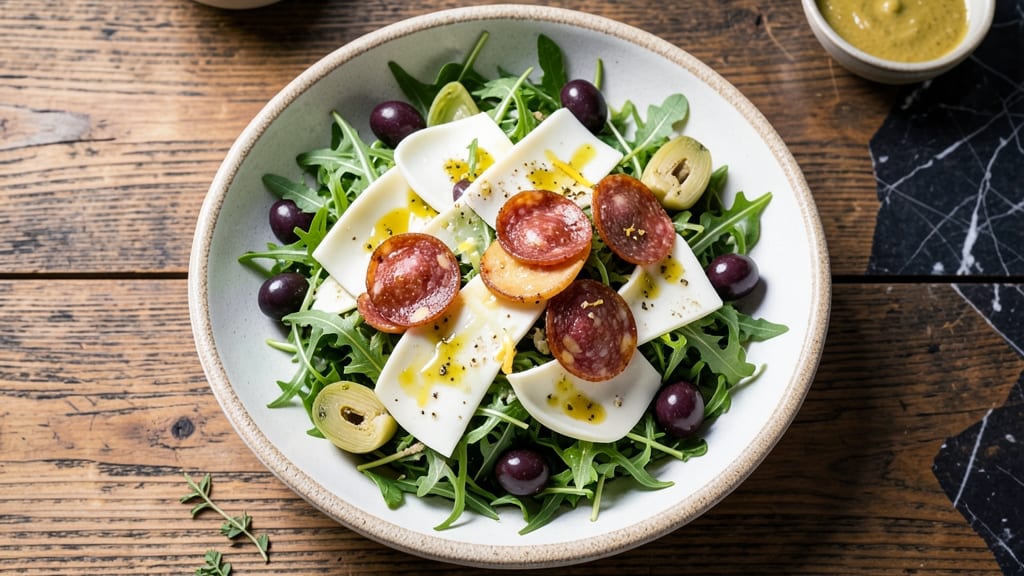
This authentic antipasto salad brings the flavors of Italy straight to your table with crisp vegetables, salty cured meats, and rich provolone cheese. The key to its success lies in balancing textures—crunchy, creamy, and salty—while keeping the traditional Italian vinaigrette light enough to let each ingredient shine.
I developed this recipe after years of traveling through Italy, where every antipasto board felt like a celebration of simple, high-quality ingredients.
What sets this salad apart is its attention to authenticity—no heavy dressings or overly sweet flavors here. Instead, you’ll find marinated artichokes, briny olives, and thinly sliced salami layered with fresh mozzarella and provolone.
The vinaigrette, made with olive oil, red wine vinegar, and a touch of Dijon, ties everything together without overpowering the natural flavors. Each bite offers a mix of textures: the crisp snap of vegetables, the creamy pull of cheese, and the satisfying crunch of cured meats.
The assembly is simple but intentional. Start with a base of mixed greens or arugula, then layer the cured meats and cheeses in overlapping slices for visual appeal. Scatter the marinated vegetables and olives evenly, and finish with a drizzle of the vinaigrette.
The result is a salad that looks as impressive as it tastes—perfect for parties, picnics, or a light but satisfying meal. The flavors only deepen as it sits, making it ideal for prepping ahead.
For an extra touch of authenticity, garnish with fresh basil leaves or toasted pine nuts just before serving. This salad isn’t just food; it’s a taste of Italy’s love for bold, unapologetic flavors. Let’s bring this classic dish to life in your kitchen.
Ingredients for authentic antipasto salad
Sixteen ingredients, Italian flavors—nothing fancy, just bold antipasto perfection.
| Ingredient | Amount | Notes |
|---|---|---|
| Mixed Greens (or Arugula) 🥬 | 8 cups | Butter lettuce or spring mix works too |
| Provolone Cheese 🧀 | 6 oz | Thinly sliced, semi-soft variety |
| Fresh Mozzarella 🧀 | 6 oz | Pearl or diced, not shredded |
| Salami (Genova or Soppressata) 🥓 | 6 oz | Thinly sliced, cured variety |
| Marinated Artichoke Hearts 🍃 | 1 cup | Quartered, drained from jar |
| Kalata Olives 🫒 | ½ cup | Pitted, briny variety preferred |
| Sun-Dried Tomatoes 🍅 | ¼ cup | Oil-packed, chopped |
| Extra-Virgin Olive Oil 🫒 | ½ cup | Italian variety for authenticity |
| Red Wine Vinegar 🍷 | ¼ cup | Dry, not balsamic |
| Dijon Mustard 🌶️ | 1 tbsp | Mild or hot variety |
| Garlic Cloves 🧄 | 2 cloves | Minced, fresh preferred |
| Fresh Basil Leaves 🌿 | ¼ cup | Torn, for garnish |
| Pine Nuts 🥜 | ¼ cup | Toasted, optional garnish |
| Sea Salt 🧂 | 1 tsp | Diamond Crystal preferred |
| Freshly Ground Black Pepper 🌶️ | ½ tsp | None for this recipe |
The cured meats and cheeses are non-negotiable for authenticity. Genova salami from an Italian deli delivers that perfect balance of salt and fat, but Trader Joe's or Whole Foods carry solid options too. Provolone should be semi-soft and slightly tangy—avoid the hard, aged kind. For mozzarella, fresh pearls hold up best; skip the shredded stuff. Olives are where the magic happens: Kalata olives from Greece are the gold standard, but any briny, pitted variety works. Artichokes should be marinated in olive oil and lemon, not vinegar-heavy—Mezzetta brand is my go-to for quality.
No sun-dried tomatoes? Roasted red peppers in a jar are a solid swap—they bring sweetness to balance the saltiness. Short on olives? Green olives at half the amount work, but they’re less briny. The vinaigrette needs Dijon mustard for depth—Maille or Amora are reliable brands. Fresh garlic is a must here; jarred minced loses its punch. For a vegetarian twist, swap the salami for thinly sliced roasted red peppers or marinated mushrooms. The basil and pine nuts are optional but add that final Italian touch—toast the pine nuts in a dry pan for 2-3 minutes until golden.
This salad tastes even better the next day as flavors meld. Store components separately in the fridge for up to 3 days: greens in a container with a paper towel, cured meats and cheeses in airtight containers, and the vinaigrette in a sealed jar. Assemble just before serving to keep everything crisp. The vinaigrette keeps for 1 week in the fridge—make extra for drizzling on other dishes. For parties, prep everything ahead and assemble on a large platter—it’s always the showstopper.
Why You'll Love This Recipe
- No-Fuss Assembly: I swear by this recipe because it’s literally just tossing. Pre-sliced salami, jarred artichokes, and cheese cubes mean no knife work—just layer, drizzle olive oil, and call it done. My lazy Sundays thank me.
- Salty-Sweet Magic: That first bite? The salami’s peppery kick meets the creamy mozzarella, while the artichokes add a briny punch. Honestly, it’s the kind of flavor combo that makes you reach for seconds without even thinking.
- Party in a Bowl: Bring this to potlucks, picnics, or even a last-minute dinner. It’s hearty enough to stand alone but light enough to pair with anything—garlic bread, crusty rolls, or a glass of wine. (Yes, even on a Tuesday night.)
- Budget-Friendly Feast: I make this for $15 and feed four. Provolone and salami stretch far, the greens are cheap, and you can use last week’s bread for dipping. It’s my go-to when I need to stretch groceries without sacrificing taste.
Step-by-step instructions for authentic antipasto salad
Here's how to assemble this Italian classic with perfect balance and texture.
Prepare the Dressing for Maximum Flavor
In a small bowl, whisk together the 0.5 cup extra-virgin olive oil, 0.25 cup red wine vinegar, 1 tbsp Dijon mustard, and 2 cloves minced garlic cloves. I like to use a fork for this—it creates just enough texture without over-emulsifying. Taste and adjust seasoning with 1 tsp sea salt and 0.5 tsp freshly ground black pepper (though I usually find the vinegar and mustard provide enough acidity). The dressing should coat the back of a spoon but remain pourable.
This is where the authenticity comes through—Italian antipasto dressings are never sweet. The acidity from the red wine vinegar and the sharpness of the Dijon mustard cut through the richness of the cheeses and cured meats. Let the dressing sit for 5 minutes while you prep the other components—this allows the flavors to meld slightly.
Assemble the Salad Components
In a large bowl, combine the 8 cups mixed greens (or arugula) with the 1 cup quartered marinated artichoke hearts and 0.5 cup Kalata olives. Gently toss everything together just enough to distribute the artichokes and olives evenly—you want them visible throughout, not hidden. The greens should still look fresh and vibrant, not wilted.
Next, add the 6 oz thinly sliced salami and 6 oz diced fresh mozzarella (pearl or diced, not shredded). I like to arrange these ingredients artistically—scatter the salami slices over the greens and nestle the mozzarella pieces among the artichokes. This creates visual appeal while ensuring each bite has a mix of textures and flavors. The salami should be arranged so it's not all in one spot—distribute it evenly.
Add the Provolone and Sun-Dried Tomatoes
Layer the 6 oz thinly sliced provolone cheese over the salad, alternating with the 0.25 cup chopped sun-dried tomatoes. The provolone should be arranged in overlapping slices to create a rustic, layered look. The sun-dried tomatoes add a deep, concentrated flavor that pairs beautifully with the salty olives and salami. Sprinkle the 0.25 cup toasted pine nuts (if using) over the top for a satisfying crunch.
Here's a pro tip: If you're using arugula instead of mixed greens, add it last. Arugula has a more delicate texture and can get soggy if mixed too early. The acidity in the dressing will slightly wilt it, which is actually desirable—it softens the peppery bite and makes the salad more approachable. If using mixed greens, toss them in first as their heartier leaves can handle the dressing better.
Toss Gently and Garnish
Drizzle the dressing over the salad and gently toss everything together with tongs or a large spoon. You want to combine everything just enough so the dressing coats the ingredients without crushing the mozzarella or breaking the salami slices. The salad should look vibrant with pockets of color from the greens, cheeses, and cured meats.
Finish by sprinkling the 0.25 cup torn fresh basil leaves over the top. The basil adds a bright, fresh contrast to the rich, salty, and umami flavors of the other components. Give the salad one final gentle toss to distribute the basil evenly. Serve immediately while the mozzarella is still slightly cool and the greens retain their crispness.
Rest and Serve for Perfect Texture
Let the salad rest for 5-10 minutes before serving. This allows the dressing to fully coat the ingredients and the flavors to meld together. The mozzarella will soften slightly but remain firm, and the greens will wilt just enough to create the perfect balance of textures.
When ready to serve, give the salad one more gentle toss to redistribute any ingredients that may have settled. The ideal antipasto salad has a mix of crisp, creamy, and crunchy elements in every bite—crisp greens, creamy mozzarella, crunchy pine nuts, and the satisfying chew of salami and artichokes. Serve with crusty Italian bread to soak up any leftover dressing.
Pro Tips For Making Authentic Antipasto Salad
- DRY THE MOZZARELLA: Fresh mozzarella’s job is to stay soft, not soggy. Pat it thoroughly with paper towels—no half-measures—before adding it to the salad. I learned this the hard way when my bowl turned into a watery mess after 10 minutes.
- CUT PROVOLONE THIN: Skip the thick slices—go for paper-thin shavings with a sharp knife. This lets the cheese melt slightly into the greens without overwhelming the texture. (Yes, it takes two minutes longer, but the result is worth it.)
- DRAIN ARTICHOKES WELL: Marinated artichoke hearts cling to their brine like glue. Rinse them briefly under cold water, then press them between paper towels to remove excess liquid. Trust me, no one wants a salad swimming in oil.
- REST THE SALAMI: If using pre-sliced salami, let it sit at room temperature for 10 minutes before tossing it in. Cold meat stays tough and chewy—this step guarantees it’ll slice cleanly and integrate smoothly. (I know, I know, but skip this and you’ll regret it.)
Serving suggestions for leftovers
Plating Like an Italian
For an authentic look, serve this antipasto salad on a large wooden board or slate platter—this elevates the rustic Italian vibe instantly. I like to arrange the greens in a loose circle, then scatter the cured meats and cheeses in overlapping patterns.
The key is to create visual contrast: place the dark Kalata olives and sun-dried tomatoes near the lighter mozzarella and provolone for a striking presentation. 🍽️
Bread Pairing Perfection
Crusty Italian bread is non-negotiable here. A ciabatta loaf or focaccia from your local bakery works best—look for one with a crispy crust and soft interior. Tear it into irregular pieces and arrange it around the salad platter.
The bread soaks up any leftover dressing beautifully, creating a satisfying crunch in every bite.
Wine Pairings for Balance
A crisp Pinot Grigio from Italy's Veneto region is my go-to pairing—its citrus notes complement the salty cured meats and briny olives perfectly. For red wine lovers, a light Chianti with its bright acidity cuts through the richness of the provolone.
Avoid heavy reds that would overpower the delicate flavors. Serve both wines slightly chilled for optimal enjoyment.
Garnish Game-Changers
Freshly torn basil leaves add a vibrant pop of green and brighten the dish right before serving. For extra crunch, toast pine nuts in a dry pan for 2-3 minutes until golden—sprinkle them over the top just before serving.
If you want to add heat, include thinly sliced chili flakes alongside the olives for a subtle kick.
Make-Ahead Serving Tips
This salad actually tastes better the next day as flavors meld together. Store components separately in airtight containers: greens in a container with a paper towel, cured meats and cheeses in sealed containers, and the vinaigrette in a jar.
Assemble just before serving to maintain crispness. For parties, arrange everything on a large platter and let guests mix their own portions—it's always a crowd-pleaser. ✨
Portioning for Parties
For gatherings, divide the salad into individual bowls or small plates for easy serving. I recommend using 8-inch ceramic bowls that showcase the colorful layers. If serving buffet-style, place the salad on a tiered stand with the bread on the lower level.
This keeps everything accessible while maintaining that Italian trattoria feel. The key is to serve it at room temperature for the best texture contrast.
Nutrition facts
Frequently asked questions
Can I make this antipasto salad vegetarian?
Swap the salami for thinly sliced roasted red peppers or marinated mushrooms to keep the umami richness. For extra protein, add white beans or chickpeas—just drain them well and toss with olive oil, salt, and pepper before adding to the salad. The key is maintaining that satisfying texture contrast with crunchy elements like olives and pine nuts.
How do I store leftovers without soggy greens?
Store components separately in airtight containers: keep the greens in a container with a paper towel to absorb moisture, and store cured meats and cheeses in sealed containers. The dressing keeps for 1 week in the fridge. Assemble just before serving to maintain crispness—this salad actually tastes better the next day as flavors meld together!
What's the best way to slice salami for this recipe?
Use a sharp knife to slice the salami thinly against the grain (about 1/8-inch thick) for maximum tenderness. If your salami is very firm, let it sit at room temperature for 10-15 minutes before slicing. For an authentic look, arrange the slices in overlapping patterns on the salad—this creates visual appeal while keeping each bite satisfying.
Can I use store-bought antipasto salad mix?
While convenient, store-bought mixes often lack the balance of textures and freshness of homemade. For the best results, stick with fresh ingredients—especially the mozzarella and cured meats. The real magic happens when you control the quality and freshness of each component. That said, if you're short on time, you can supplement with a store-bought mix by adding extra fresh mozzarella, olives, and a drizzle of homemade dressing.
Why does my dressing taste too strong?
This usually happens when the vinegar or mustard overpowers the other flavors. The secret is balance—start with 0.25 cup red wine vinegar and 1 tbsp Dijon, then taste before adding salt or pepper. If it's still too sharp, dilute with an extra 1 tbsp olive oil. Remember, Italian antipasto dressings are never sweet—let the natural flavors of the cured meats and cheeses shine through.