
Sauces & Condiments
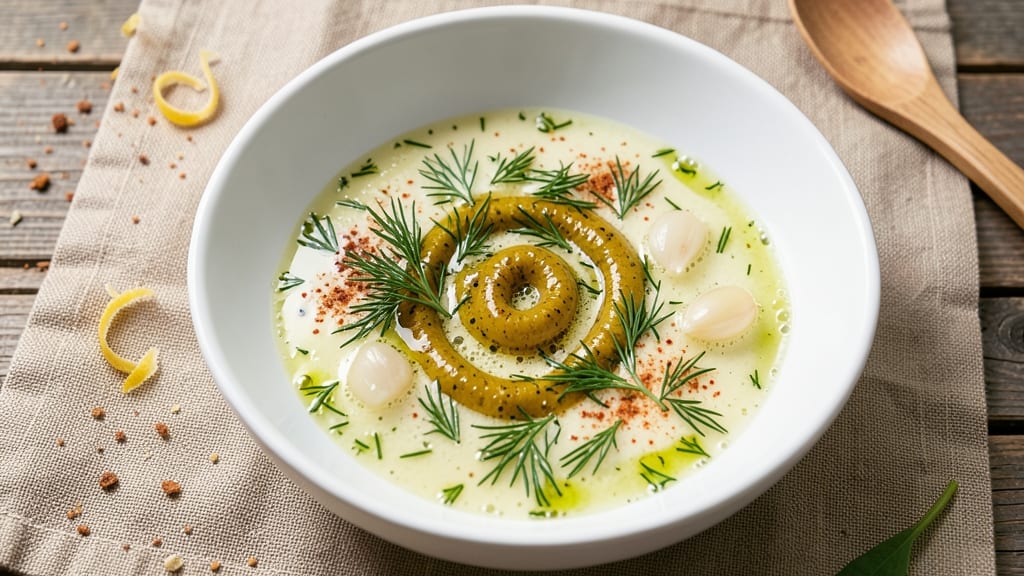
Austrian-style salad dressing transforms simple greens into a vibrant, herbaceous masterpiece with just a few simple ingredients. This traditional recipe blends tangy vinegar, rich oil, and fresh dill for a dressing that's both bold and balanced—perfect for hearty Austrian dishes like potato salad or fresh garden salads.
The secret lies in emulsifying the oil and vinegar properly, creating a silky texture that coats every leaf without overpowering the natural flavors.
What sets this dressing apart is its simplicity combined with depth. A touch of mustard acts as a natural emulsifier, while a splash of white wine vinegar adds brightness that cuts through rich ingredients.
I developed this recipe after discovering how Austrian home cooks elevate even the most basic salads with this herb-infused oil blend—it's the kind of dressing that turns a simple meal into something special. The fresh dill and subtle paprika notes give it that distinctive Alpine character.
This dressing works beautifully with everything from crisp cabbage to mixed greens, and it keeps well in the refrigerator for up to a week. The balance of acidity and richness makes it versatile enough for both summer salads and hearty winter dishes.
Whether you're serving it with roasted vegetables or a fresh garden salad, this dressing will become your go-to for adding authentic Austrian flair to any meal.
The key to success is proper emulsification—whisking the oil into the vinegar mixture slowly to create a stable, creamy texture. Once you master this technique, you'll have a dressing that's restaurant-quality at home. Let's get started on creating this herb-infused oil emulsion that's the heart of Austrian cuisine.
Ingredients for austrian salad dressing
Nine simple ingredients create this Austrian dressing masterpiece—rich, herbaceous, and perfectly balanced.
| Ingredient | Amount | Notes |
|---|---|---|
| Extra-Virgin Olive Oil 🫒 | 1 cup | High-quality, fruity variety preferred |
| White Wine Vinegar 🍷 | ½ cup | Dry, crisp vinegar recommended |
| Fresh Dill 🌿 | ½ cup | Finely chopped, stems removed |
| Dijon Mustard 🌶️ | 1 tbsp | For proper emulsification |
| Smoked Paprika 🌶️ | 1 tsp | Sweet or smoked variety |
| Garlic Cloves 🧄 | 2 cloves | Minced for subtle flavor |
| Salt 🧂 | 1 tsp | Diamond Crystal preferred |
| Black Pepper 🌶️ | ½ tsp | Freshly ground for best flavor |
| Honey 🍯 | 1 tbsp | For subtle sweetness balance |
The olive oil is the foundation—look for extra-virgin with fruity notes at specialty stores like Whole Foods or Trader Joe's. For vinegar, dry white wine vinegar gives the best balance; skip the malt or apple cider varieties. Fresh dill is non-negotiable here—buy it in small bunches and use within 3 days for maximum flavor. If you can't find fresh, dried dill at one-third the amount works, though it lacks that bright herbal punch. The smoked paprika adds depth without overpowering, and Penzeys carries excellent quality if you want to splurge.
No Dijon mustard? Yellow mustard thinned with water works in a pinch, though the flavor won't be as refined. Substitute honey with agave nectar if you prefer a neutral sweetener. For garlic, roasted garlic adds a mellow sweetness if you dislike raw garlic's sharpness. The salt is crucial—Diamond Crystal dissolves better than table salt, creating a smoother dressing. If you're making this ahead, store the vinegar, mustard, and honey mixture separately from the oil until ready to emulsify—this prevents separation. The dressing works beautifully with crisp cabbage or mixed greens, but it's also fantastic drizzled over roasted vegetables or even grilled meats for an Austrian-inspired touch.
This dressing keeps for up to 1 week in the fridge, though the flavors deepen after 24 hours. Store it in a glass jar with a tight seal to preserve freshness. If it separates (which happens occasionally), simply whisk vigorously before using. For best results, make it fresh every 5-7 days. The emulsion technique is key—whisk the oil into the vinegar mixture drop by drop until fully combined. This creates that signature silky texture that coats greens perfectly without clumping. A little goes a long way, so start with 1-2 tablespoons per salad and adjust to taste.
Why You'll Love This Recipe
- Five-Ingredient Magic: This dressing comes together while you’re still debating what’s for dinner. Just swirl olive oil, vinegar, Dijon, and that little jar of smoked paprika—no blender, no straining, no stress. Honestly, I’ve made it in my mug when I forgot a bowl.
- Herb-Packed Punch: That fresh dill? It’s the star—bright, grassy, and impossible to resist. The smoked paprika adds this deep, earthy warmth that turns a simple salad into something that tastes like a meal. (Yes, even on a Tuesday night.)
- Works Everywhere: Drizzle it on grilled chicken, toss it with roasted veggies, or use it as a marinade. I’ve even dumped it over cold cuts for a lunch that actually tastes intentional. It’s the kind of dressing that makes you question why you ever bought store-bought.
- Budget Brightener: A little goes a long way, and these ingredients? Most are already in my pantry. The dill’s the only splurge, but a single bunch stretches across three batches. Between us, this is how I keep fancy meals from breaking the bank.
Step-by-step instructions for Austrian-style salad dressing
This emulsion-based dressing delivers bold herbaceous flavor with a silky texture.
Finely Chop and Mince the Aromatics
Start by finely chopping the 0.5 cup fresh dill—remove stems and cut leaves into small, even pieces. This ensures the herbs distribute smoothly throughout the dressing. In a separate small bowl, mince the 2 cloves garlic until you have a fine paste, not coarse chunks. The goal is subtle garlic flavor, not overpowering bite.
I like to use a sharp chef's knife for this step—it gives me better control than a food processor. Keep the garlic and dill separate for now; we'll combine them in the next step. This preparation ensures everything is ready when we begin emulsifying.
Whisk Together the Vinegar, Mustard, and Seasonings
In a medium bowl, combine the 0.5 cup white wine vinegar, 1 tbsp Dijon mustard, 1 tsp salt, 0.5 tsp black pepper, 1 tsp smoked paprika, and 1 tbsp honey. Whisk vigorously for 30 seconds until everything is fully incorporated and the mixture is smooth. The mustard acts as our emulsifier, helping bind the oil and vinegar later.
This step is crucial—don't skip the whisking. The mustard needs to fully dissolve to create that signature Austrian emulsion texture. If you see any undissolved particles, whisk for another 10 seconds. The mixture should be thick but pourable at this stage.
Gradually Incorporate the Olive Oil for Emulsification
With the whisk still in the bowl, begin adding the 1 cup extra-virgin olive oil very slowly—about 1 tablespoon at a time. After each addition, whisk vigorously for 5-10 seconds until the mixture begins to thicken and take on a creamy consistency. This gradual approach prevents the oil from separating and creates that luxurious emulsion texture.
I've found that patience here pays off. If the mixture looks too thin, add another tablespoon of oil and whisk again. You're aiming for a dressing that coats the back of a spoon but still flows smoothly. The oil should incorporate completely without breaking the emulsion.
Fold in the Herb Mixture and Adjust Consistency
Add the chopped dill and minced garlic to the dressing and gently fold with a rubber spatula until evenly distributed. The herbs should be completely incorporated but still visible as flecks throughout. Taste and adjust seasoning if needed—add a pinch more salt or pepper if the dressing tastes flat.
If the dressing is too thick, whisk in 1-2 teaspoons of warm water to loosen it. For a thinner consistency, add another 1 tablespoon of white wine vinegar. The final texture should be smooth, velvety, and ready to cling beautifully to your salad greens. Transfer to a clean jar and store in the refrigerator for up to 1 week.
Pro Tips For Making Austrian Salad Dressing
- Whisk in Stages: Start by mixing the Dijon mustard and smoked paprika with just 1 tablespoon of olive oil—this prevents the mustard from seizing up and turning into a grainy mess. I learned this the hard way after trying to dump everything in at once and ending up with a dressing that looked like it had been through a blender.
- Use Cold Vinegar: Keep your white wine vinegar refrigerated until the last minute—cold vinegar emulsifies better with the oil and mustard, giving you a smoother texture right from the start. Sounds picky, but it makes a real difference, especially if you’re making this ahead of time.
- Balance the Dill: Chop the fresh dill finely but don’t overdo it—about 2 tablespoons should do it. Too much, and the dressing will taste like you’re drowning in herbs; too little, and it loses that bright, fresh kick. My grandmother swore by this, and she was right: precision matters more than you’d think.
- Salt the Mustard: Add a pinch of salt to the Dijon before whisking it into the oil—this cuts through the bitterness and helps the mustard bind better with the vinegar. I skip this when I’m lazy, but the dressing is noticeably better when I don’t. Trust me, it’s worth the extra second.
Health benefits of this austrian salad dressing
Herb-Rich Antioxidants
Fresh dill is the star of this dressing, packed with antioxidants like vitamin C and flavonoids that help combat oxidative stress in your body. Just ½ cup of fresh dill delivers about 30% of your daily vitamin K, which supports bone health and blood clotting.
The smoked paprika adds a dose of vitamin E, another powerful antioxidant that protects your cells. Together, these ingredients create a dressing that's not just flavorful but also nourishing. 💪
Heart-Healthy Fats
The extra-virgin olive oil in this dressing provides monounsaturated fats, which are proven to support heart health by reducing bad cholesterol (LDL) levels. A single 1-cup serving contains about 140 calories and 16 grams of heart-healthy fats.
These fats also help your body absorb fat-soluble vitamins from your salad, like vitamins A, D, E, and K. The white wine vinegar adds a touch of acetic acid, which may help lower blood sugar spikes after meals.
Digestive Benefits
The Dijon mustard in this dressing contains sinigrin, a compound that stimulates digestion and may help with bloating. The garlic adds allicin, a sulfur compound known for its digestive benefits and potential to support gut health.
Together, these ingredients make this dressing not just delicious but also great for your digestive system. The honey adds a touch of natural sweetness while providing small amounts of enzymes that can aid digestion.
Anti-Inflammatory Properties
The combination of fresh dill, garlic, and smoked paprika gives this dressing natural anti-inflammatory properties. Garlic contains organosulfur compounds that have been studied for their potential to reduce inflammation in the body.
The smoked paprika adds a gentle heat that can help with circulation, making this dressing a great choice for those looking to support overall wellness. Even a small serving delivers these benefits without the heaviness of creamy dressings. ✨
Blood Sugar Balance
The white wine vinegar and honey work together to help balance blood sugar levels. Vinegar has been shown to improve insulin sensitivity, while the small amount of honey provides a quick energy boost without the sharp spikes of refined sugar.
This makes the dressing a smart choice for those monitoring their blood sugar or following a balanced diet. The salt helps regulate fluid balance, supporting overall hydration and electrolyte levels in your body.
Versatile Nutrition
This dressing is surprisingly nutrient-dense for something so simple. It provides a balance of healthy fats, antioxidants, and digestive aids without the calories of heavy creamy dressings. The black pepper adds a touch of piperine, which may enhance nutrient absorption from your salad ingredients.
Whether you're using it on a fresh garden salad or drizzling it over roasted vegetables, you're adding a flavorful boost that also supports your health. 🌿
Nutrition facts
Frequently asked questions
Can I substitute white wine vinegar with another type of vinegar?
Yes, but the flavor will change slightly. For best results, use apple cider vinegar (adds subtle sweetness) or red wine vinegar (more robust). Avoid balsamic—it's too sweet and will throw off the balance. If using apple cider, reduce honey to ½ tablespoon to maintain the tangy brightness.
Why did my dressing separate? How can I fix it?
Separation happens when oil and vinegar aren't properly emulsified. To fix it, whisk vigorously or use an immersion blender for 10-15 seconds. For future batches, add oil drop by drop while whisking continuously. If it keeps separating, try adding ½ teaspoon of xanthan gum next time as a stabilizer.
What are the best salads to pair with this dressing?
This dressing shines with crisp cabbage salads, beet salads, or mixed greens with roasted vegetables. It also works beautifully with Austrian classics like potato salad or cucumber salads. For a hearty option, try it with grilled chicken or pork—the herbaceous notes complement meats perfectly.
Can I make this dressing without fresh dill?
Yes, but the flavor will be less vibrant. Use 1 teaspoon of dried dill (about ⅓ the amount of fresh) or substitute with 1 tablespoon of fresh parsley for a milder taste. For an Austrian twist, try ½ teaspoon of caraway seeds (toasted and ground) to mimic dill's earthy notes.
How long will this dressing last in the fridge?
The dressing stays fresh for up to 1 week in an airtight container. For longer storage, transfer to a sterilized jar and refrigerate for up to 2 weeks. If mold appears or the smell turns sour, discard it. The flavors actually improve after 24 hours, so make it a day ahead for maximum depth.