
Salads
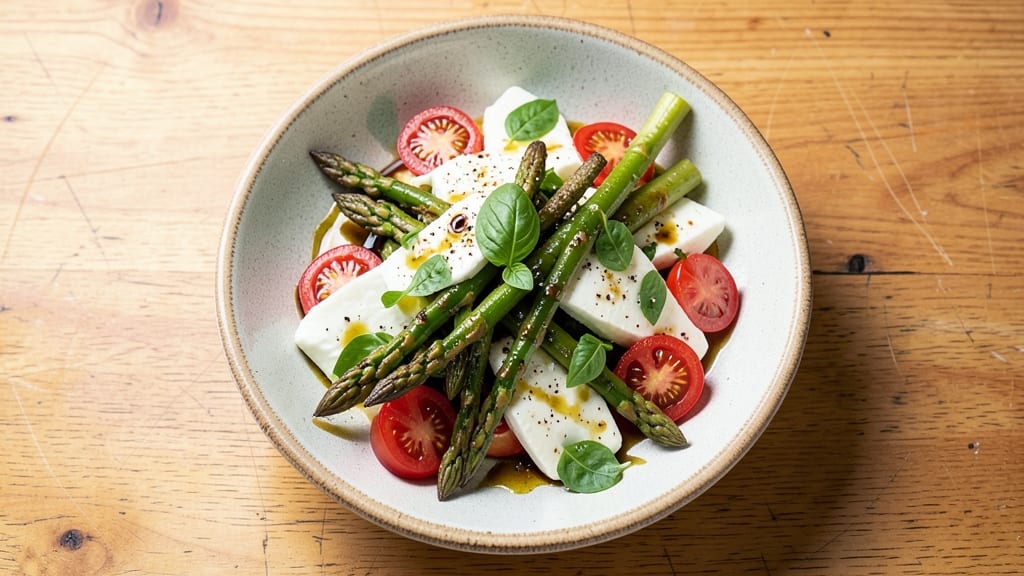
This asparagus tomato mozzarella salad recipe transforms simple ingredients into a vibrant, restaurant-worthy dish that celebrates spring’s freshest flavors. 🌿 The secret lies in blanching asparagus for tender-crisp perfection and slicing tomatoes at the last minute to preserve their juicy snap.
Mozzarella’s creamy texture and bright acidity from a quick balsamic reduction elevate every bite, creating a balance that’s both elegant and effortless.
What sets this salad apart is its ability to shine with minimal effort—no wilting, no soggy greens, just a harmonious mix of textures and flavors. The asparagus holds its structure, tomatoes stay plump, and mozzarella melts just enough to create pockets of creamy goodness.
A sprinkle of fresh basil and a drizzle of high-quality olive oil add layers of aroma that make this dish feel like a special occasion.
Perfect for weeknight dinners or weekend entertaining, this salad comes together in just 15 minutes while still feeling like a gourmet creation. The ingredients are simple—fresh asparagus, ripe tomatoes, creamy mozzarella—but the technique ensures restaurant-quality results.
Whether you’re serving it as a light lunch or a side for grilled meats, this salad delivers bright, satisfying flavors that taste like spring in every bite.
For extra depth, consider adding a touch of toasted pine nuts or a sprinkle of flaky sea salt to enhance the flavors. The key is to assemble the salad just before serving so every component stays at its peak. Let’s create a dish that’s as beautiful as it is delicious!
Ingredients for asparagus tomato mozzarella salad
Spring's freshest ingredients—tender asparagus, juicy tomatoes, and creamy mozzarella—come together for a salad that tastes like sunshine in every bite.
| Ingredient | Amount | Notes |
|---|---|---|
| Fresh Asparagus Spears 🌱 | 1 lb | Medium thickness, trimmed ends |
| Large Ripe Tomatoes 🍅 | 3 whole | Heirloom or vine-ripened preferred |
| Fresh Mozzarella 🧀 | 8 oz | Bocconcini or pearl mozzarella |
| Fresh Basil Leaves 🌿 | ½ cup | Packed, stems removed |
| Extra-Virgin Olive Oil 🫒 | ⅓ cup | Light, fruity variety |
| Balsamic Vinegar 🍷 | 2 tbsp | Aged 10+ years preferred |
| Diamond Crystal Kosher Salt 🧂 | 1 ½ tsp | For seasoning and finishing |
| Freshly Ground Black Pepper 🌶️ | ½ tsp | Coarsely cracked |
| Toasted Pine Nuts 🥜 | ¼ cup | Optional, for crunch |
| Flaky Sea Salt 🧂 | 1 tsp | For finishing (optional) |
| Lemon Juice 🍋 | 1 tbsp | Freshly squeezed |
| Garlic Cloves 🧄 | 2 cloves | Minced, for balsamic reduction |
The asparagus is non-negotiable for this dish—look for spears with tightly closed tips and vibrant green color. Whole Foods or local farmers markets often carry the freshest spring asparagus, but any grocery store's pre-trimmed bunch works in a pinch. For the tomatoes, vine-ripened or heirloom varieties hold up best to slicing, though regular beefsteak tomatoes will work. Avoid those with soft spots or dull color. Mozzarella should be freshly made, milky white with no yellowing—Trader Joe's and Whole Foods carry excellent bocconcini options. The basil matters too: pick leaves that are bright green and free of brown spots—the darker the green, the more flavor.
No heirloom tomatoes? Substitute with beefsteak or Roma tomatoes—just slice them slightly thicker to prevent over-sogging. Fresh mozzarella unavailable? Use low-moisture mozzarella from a block, shredded yourself for better texture. For the balsamic reduction, aged 10+ year balsamic adds depth, but any good-quality balsamic works. Short on time? Pre-minced garlic from a jar saves steps, though fresh is always preferred. The pine nuts can be swapped for toasted walnuts or pecans if you're watching calories, though they won't have the same delicate crunch. And if you're avoiding gluten, ensure your balsamic vinegar is certified gluten-free—some brands process it in shared facilities.
Asparagus should be blanched and chilled immediately to preserve its vibrant color—keep it in ice water for no more than 3 minutes. Store prepped asparagus in an airtight container with a paper towel to absorb moisture, and it'll stay crisp for 2 days in the fridge. Tomatoes and basil should be kept separate until serving to maintain their texture—wrap basil leaves in damp paper towels and store in a sealed bag for 3 days. The mozzarella can be pre-sliced and stored in its original container, submerged in water to prevent drying. This salad tastes even better the next day as flavors meld—reassemble just before serving to keep components crisp. For meal prep, store components separately and combine when ready to eat.
Why You'll Love This Recipe
- No-Cook Magic: I swear by this when I’m too tired to boil water. Just snap the asparagus, slice the tomatoes, and tear that mozzarella—no fancy techniques, just raw ingredients playing nice together.
- Sunshine in a Bowl: That first bite of juicy tomato, the melt of fresh mozzarella, and the peppery punch of basil? It’s like summer vacation for your taste buds, and it only takes five ingredients to pull it off.
- Picnic-Proof Perfection: Between us, this is my go-to for potlucks, office lunches, or a lazy Sunday spread. Pack it in a container, and it stays fresh for days—no sad wilted greens here.
- Budget Bright Spot: Fresh mozzarella and seasonal asparagus stretch further than you’d think. I’ve made this for four people for under $15, and honestly? No one ever guesses it’s this affordable.
Step-by-step instructions for asparagus, tomato, and mozzarella salad
Assemble this vibrant spring salad with precise techniques for maximum freshness and balance.
👨🍳 Step 1: Blanch and Shock the Asparagus
Fill a medium pot with 2 inches of water and bring to a rolling boil. Trim the tough ends from the 1 lb fresh asparagus spears, then add them to the boiling water. Cook for exactly 1 minute and 30 seconds—this preserves their vibrant green color while making them tender-crisp.
Immediately transfer the asparagus to a large bowl of ice water for 2 minutes to stop the cooking process. This shocking step prevents overcooking and maintains their crisp texture. Drain well and pat dry with paper towels before proceeding. The asparagus should still have a slight bite—perfect for holding up in the salad.
🍳 Step 2: Prepare the Balsamic Reduction
In a small saucepan, combine the 2 tbsp balsamic vinegar and 2 minced garlic cloves over medium heat. Simmer for 3-4 minutes until reduced by half and slightly syrupy. You'll notice the aroma deepen as the vinegar transforms into a rich, caramelized glaze.
Remove from heat and let cool for 2 minutes. This reduction adds depth to the salad's bright flavors. If you prefer a smoother texture, strain out the garlic after reduction. The finished reduction should coat the back of a spoon—this ensures proper flavor distribution when tossed with the salad.
🥘 Step 3: Assemble the Salad Components
In a large mixing bowl, combine the blanched asparagus, 3 whole large ripe tomatoes (diced), and 8 oz fresh mozzarella (cut into ½-inch cubes). Gently toss with 0.33 cup extra-virgin olive oil and 1 tbsp freshly squeezed lemon juice to prevent the mozzarella from becoming rubbery.
Here's the thing—mozzarella releases water when cut, so we add the olive oil and lemon juice first to create a protective barrier. This technique keeps the cheese creamy rather than soggy. Add 0.5 tsp freshly ground black pepper and 1.5 tsp diamond crystal kosher salt, tossing gently to distribute evenly without breaking the tomatoes or mozzarella.
👨🍳 Step 4: Finish with Herbs and Garnishes
Just before serving, fold in the 0.5 cup fresh basil leaves (torn by hand) and 0.25 cup toasted pine nuts. The pine nuts should be toasted to light golden brown and cooled completely to prevent them from releasing oils that could make the salad greasy. Sprinkle with 1 tsp flaky sea salt for a final touch of texture and saltiness.
Real talk: Don't over-toss after adding the pine nuts—they're delicate and will break down quickly. Instead, gently fold everything together just until combined. The salad should look vibrant with contrasting colors: bright green asparagus, ruby-red tomatoes, creamy mozzarella, and fresh basil.
⏰ Step 5: Rest and Serve Immediately
Let the salad rest for 5 minutes before serving. This brief resting period allows all the flavors to meld together—you'll notice the asparagus softens slightly, the mozzarella releases more of its creamy goodness, and the balsamic reduction fully integrates with the other components.
Serve the salad immediately while the asparagus is still crisp and the mozzarella maintains its ideal texture. Drizzle each serving with the reserved balsamic reduction and garnish with an additional sprinkle of flaky sea salt if desired. The perfect balance of textures—crisp asparagus, juicy tomatoes, creamy mozzarella, and crunchy pine nuts—makes this salad unforgettable.
Pro Tips For Making Asparagus Tomato Mozzarella Salad
- CHAR THE ASPARAGUS: Blister the asparagus over high heat for 2-3 minutes before tossing—just until the tips turn bright green and the edges start to crisp. This keeps them from getting soggy when mixed with the juicy tomatoes and mozzarella later.
- TRIM MOZZARELLA THIN: Slice the mozzarella thin—about ¼-inch thick—and pat it very dry with paper towels before adding it to the salad. Wet cheese = sad salad. (Yes, this takes 2 minutes, but it’s worth it.)
- SALT THE TOMATOES: Halve the tomatoes, sprinkle them with a pinch of flaky salt, and let them sit for 10 minutes before assembling. This draws out just enough moisture so they don’t turn the salad into a watery mess.
- DRESS AT THE LAST MINUTE: Hold off on the olive oil until you’re ready to serve—toss it in right before eating. The basil wilts fast, and the asparagus softens, so waiting keeps everything crisp and vibrant. (I know, it’s annoying, but the texture difference is night and day.)
Common mistakes when making perfect results
Overcooking Asparagus
Blanching asparagus for more than 1 minute and 30 seconds turns it mushy and dulls its vibrant color. I’ve made this mistake too—once I left it in boiling water for 2 minutes, and the result was sad, limp spears that blended into the salad instead of standing out.
The key is precision: set a timer and shock immediately in ice water. This keeps them tender-crisp and bright green. 🌱
Using Unripe Tomatoes
Overripe tomatoes release too much juice, making the salad soggy, while underripe ones add no flavor. I learned this the hard way with firm, pale tomatoes from a winter shipment—they tasted bland and didn’t hold up.
Aim for tomatoes that yield slightly to gentle pressure but aren’t mushy. If you must use firmer varieties, slice them thinner to help them break down faster during tossing.
Skipping the Oil Barrier
Adding mozzarella directly to the salad without olive oil or lemon juice causes it to turn rubbery from its own moisture. I once made this salad without the protective oil layer, and the mozzarella became a sad, chewy mess.
The trick is to toss the mozzarella with 1 tbsp olive oil and 1 tbsp lemon juice first, then add it to the other ingredients. This creates a barrier that keeps the cheese creamy.
Over-Tossing the Salad
Gentle tossing is crucial—over-mixing breaks down the tomatoes and asparagus, turning the salad into a mushy pile. I’ve ruined salads by tossing aggressively, especially after adding delicate pine nuts.
Instead, use a spatula or large spoon to fold ingredients together just until combined. The components should still look distinct and vibrant. 🥗
Ignoring the Resting Time
Skipping the 5-minute rest before serving means missing out on flavor development. I’ve served this salad immediately, only to have the mozzarella taste flat and the asparagus feel stiff.
Those few minutes let the flavors meld and the asparagus soften slightly, creating a harmonious bite. Trust the process—patience pays off with every forkful.
Using Low-Quality Olive Oil
Cheap olive oil lacks the fruity depth needed to complement the salad’s bright flavors. I once used a bottled "olive oil" blend that tasted harsh and metallic, completely overshadowing the fresh ingredients.
Invest in a light, fruity extra-virgin olive oil like California Olive Ranch or Colavita—the difference is noticeable from the first drizzle. The right oil elevates the entire dish.
Nutrition facts
Frequently asked questions
Can I use store-bought mozzarella instead of fresh?
Store-bought mozzarella works, but the texture won't be as creamy. For best results, use low-moisture mozzarella from a block and shred it yourself—this prevents the rubbery texture that often comes with pre-shredded cheese. If you must use pre-shredded, look for brands labeled "fresh mozzarella" and drain it well before using.
How do I keep the asparagus from getting soggy?
Blanching is key—cook the asparagus for exactly 1 minute and 30 seconds, then shock it in ice water immediately. Pat it completely dry with paper towels before adding to the salad. Also, add the asparagus to the bowl last and toss gently to avoid crushing it. This keeps it crisp and vibrant.
What's the best way to slice tomatoes for this salad?
Slice tomatoes into ¼-inch thick pieces for the perfect balance of juiciness and texture. For heirloom tomatoes, remove the cores first to prevent bitterness. Slice just before assembling the salad to keep them firm and prevent wilting. If using Roma tomatoes, cut them into ½-inch chunks instead.
Can I make this salad ahead of time?
Yes, but assemble it just before serving. Store the blanched asparagus, sliced tomatoes, and mozzarella separately in airtight containers. Keep them refrigerated for up to 2 days. When ready to serve, combine everything and add the dressing last minute to maintain crispness. The flavors actually improve after resting overnight!
What other greens can I add for extra freshness?
Add ½ cup baby arugula or handful of baby spinach for extra freshness and nutrients. Toss them in just before serving to prevent wilting. Avoid iceberg lettuce—it lacks flavor and becomes soggy quickly. For a peppery kick, try microgreens or sliced radishes as well.