
Side Dishes
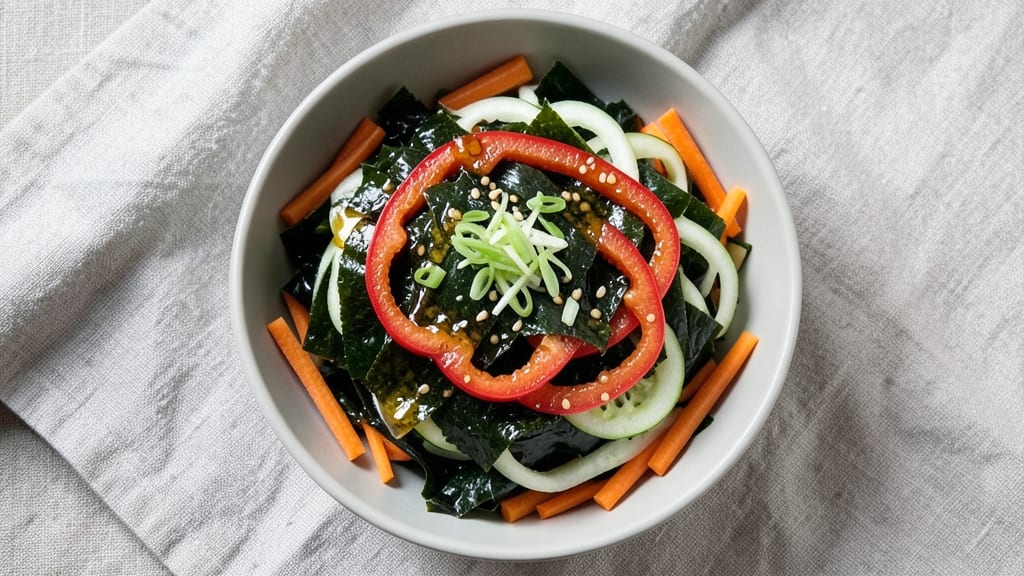
This Asian seaweed salad recipe transforms simple ingredients into a vibrant, umami-rich side that brings restaurant-quality crunch to your table in just 10 minutes. The secret lies in balancing crisp seaweed with fresh vegetables and a tangy, sesame-infused dressing that cuts through the richness.
I developed this recipe after discovering how much my family loved the texture contrast—salty, crunchy seaweed paired with sweet, tender veggies and a bright, citrusy dressing that keeps everything fresh.
The beauty of this salad is its versatility—it works as a standalone dish, a side for grilled meats, or a topping for bowls. The prep is straightforward: quick-pickle the vegetables for extra brightness, toss in prepped seaweed, and finish with a dressing that’s light yet packed with flavor.
No complicated techniques here, just a focus on fresh ingredients and proper timing to ensure everything stays crisp and vibrant.
What you’ll end up with is a salad that’s visually stunning with layers of deep green seaweed, bright orange carrots, and crisp cucumbers—all coated in a glossy sesame-soy dressing. The texture is the star: satisfying crunch from the seaweed and veggies, balanced by the smooth, tangy dressing.
It’s the kind of dish that feels special but comes together effortlessly, making it perfect for weeknight dinners or meal prep.
Serve it chilled for the best texture, or add a sprinkle of toasted sesame seeds and sliced green onions for extra depth. This salad is vegan-friendly, packed with umami, and ready in under 15 minutes—proof that healthy eating can be both delicious and quick. Let’s get started!
Ingredients for asian seaweed salad
Bright, crisp ingredients that deliver restaurant-quality umami in minutes.
| Ingredient | Amount | Notes |
|---|---|---|
| Dried Seaweed Sheets 🍃 | 4 sheets | Toasted lightly for extra crunch |
| Carrots 🥕 | 1 ½ cups | Julienned or matchstick-cut thin |
| Red Bell Pepper 🌶️ | 1 whole | Thinly sliced into strips |
| English Cucumber 🥒 | 1 whole | Seedless, thinly sliced |
| Green Onions 🧅 | 4 whole | Thinly sliced for garnish |
| Sesame Oil 🫒 | 1 tbsp | Toasted sesame oil preferred |
| Rice Vinegar 🍶 | 2 tbsp | White or seasoned variety |
| Soy Sauce 🍶 | 2 tbsp | Low-sodium preferred |
| Sesame Seeds 🌰 | 1 tbsp | Toasted for garnish |
| Toasted Sesame Seeds 🌰 | 1 tbsp | For final garnish |
| Sesame Seeds 🌰 | 1 tbsp | Extra for garnishing |
| Rice Vinegar 🍶 | 1 tsp | For quick-pickling veggies |
| Sugar 🍚 | 1 tsp | White or coconut sugar |
| Salt 🧂 | ½ tsp | Kosher or sea salt |
| Sesame Oil 🫒 | ½ tbsp | For quick-pickling |
The seaweed is non-negotiable here—dried sheets from an Asian market give the best texture, but Trader Joe's or H Mart carry good quality too. Look for sheets that are dark green and free of holes. The carrots and bell pepper should be crisp, so avoid anything soft or rubbery. For the cucumber, English cucumbers are ideal—they're seedless and stay crunchy. If you can't find them, use regular cucumbers but remove all seeds and slice thinly. Quick-pickling the vegetables first is key—it adds brightness and keeps everything crisp.
No rice vinegar? Apple cider vinegar or lemon juice works in a pinch, but the flavor will be slightly different. The soy sauce can be swapped for tamari or coconut aminos if you're avoiding gluten. For the sesame oil, toast it first in a dry pan to deepen the flavor—just 30 seconds over medium heat. If you're short on time, skip the quick-pickling step, but your salad will be less vibrant. The dressing comes together in seconds, so don't overthink it. Balance is everything: start with the listed amounts and adjust to taste.
Store prepped vegetables and seaweed in airtight containers in the fridge for up to 3 days. The dressing keeps for 1 week if stored separately. For best texture, assemble the salad just before serving. If you're prepping ahead, keep the dressing and vegetables separate until ready to toss. This salad reheats poorly—it's all about that crisp crunch. Serve chilled for optimal texture, and garnish with extra sesame seeds and green onions right before eating.
Why You'll Love This Recipe
- I’ll be real: I used to dread the whole soaking process, but these dried sheets just need a quick 10-minute soak—no fancy tools, no waiting forever. Toss them in warm water, drain, and they’re ready to go.
- No-Soaking Hassle: I’ll be real: I used to dread the whole soaking process, but these dried sheets just need a quick 10-minute soak—no fancy tools, no waiting forever. Toss them in warm water, drain, and they’re ready to go.
- Umami-Packed Crunch: That first bite? The seaweed’s briny snap paired with the sweet, crisp carrots and bell pepper—it’s like a flavor explosion. Honestly, the green onions add this fresh kick that makes it feel like a restaurant dish.
- Lunchbox Legend: Between us, this salad keeps perfectly for days. Pack it in bento boxes for work or school lunches—no soggy veggies here. My kids actually eat their veggies when it’s in there.
Step-by-step instructions for Asian seaweed salad
Here's a method that delivers crisp, vibrant layers and perfect umami balance every time.
Quick-Pickle the Vegetables
In a small bowl, whisk together the 1 tsp rice vinegar, 1 tsp sugar, and 0.5 tsp salt until the sugar and salt dissolve completely. This creates a light marinade that brightens the vegetables without overpowering their natural flavors.
Cut the 1 whole English cucumber into thin slices and place them in a medium bowl. Add the 1.5 cups julienned carrots and 1 whole red bell pepper sliced into thin strips. Pour the rice vinegar mixture over the vegetables and toss gently to coat evenly. Let them sit for 5 minutes while you prepare the seaweed. This quick-pickling process enhances their natural sweetness and adds a subtle tang that balances the salad's umami notes.
Toast the Seaweed and Prepare the Dressing
Lightly toast the 4 sheets dried seaweed sheets in a dry skillet over medium heat for 20-30 seconds per side, just until they begin to crisp at the edges. Watch closely—they toast quickly and can burn easily. Transfer the toasted seaweed to a cutting board and let it cool for 2 minutes before handling. This toasting step adds depth of flavor and a satisfying crunch that's essential to the salad's texture.
In a separate small bowl, whisk together the 2 tbsp soy sauce, 2 tbsp rice vinegar, and 1 tbsp sesame oil until fully combined. This dressing forms the umami backbone of the salad, tying all the flavors together. Taste and adjust seasoning if needed—you want it to be balanced but still have a noticeable savory punch.
Combine Ingredients and Garnish
Drain the quick-pickled vegetables, reserving any excess liquid, and add them to a large serving bowl. Gently fold in the toasted seaweed sheets, breaking them into bite-sized pieces as you go. The seaweed should be distributed evenly throughout the salad for maximum texture and flavor in every bite.
Drizzle the soy sauce-rice vinegar dressing over the salad and toss gently to combine. If the salad seems too dry, add 1-2 teaspoons of the reserved pickling liquid to loosen everything up. Sprinkle with 1 tbsp toasted sesame seeds and 1 tbsp sesame seeds for added crunch and visual appeal.
Final Assembly and Serving
Divide the salad among 4 serving plates and garnish each portion with 1 whole green onion, thinly sliced, for a fresh finish. The green onions add a bright contrast to the rich umami flavors and a pop of color that makes the dish visually appealing. For extra crunch, sprinkle each serving with an additional 0.5 tbsp sesame seeds right before serving.
Serve immediately while the seaweed is still crisp. This salad holds up well for 30 minutes at room temperature, but the seaweed will lose its crunch if left sitting too long. Pair with grilled proteins or steamed rice to create a complete meal that balances textures and flavors perfectly.
Pro Tips For Making Asian Seaweed Salad
- SOAK SEAWEED UNTIL PLIABLE: Dried sheets need 5-8 minutes in warm water, not boiling—just enough to soften like wet parchment, not turn to mush. I learned this the hard way when my first batch dissolved into a slimy paste. Drain well and pat dry with a towel before cutting.
- JULIENNE CARROTS FASTER: Use a mandoline for even strips, but if you’re doing it by hand, hold the carrot at a 45-degree angle to the knife for cleaner cuts. Skip the peeling—just scrub them well, the skin adds texture and nutrients.
- CUT CUCUMBERS IN HALF FIRST: Slice the English cucumber lengthwise into quarters, then slice thinly—this prevents the seeds from getting everywhere and keeps the salad from turning soggy. (Yes, even if you’re impatient like me.)
- SALT THE SEAWEED IMMEDIATELY: As soon as you drain the soaked sheets, sprinkle them with a pinch of salt and let sit for 2 minutes. This removes excess water and seasons them properly—skipping this step makes the dressing pool instead of cling.
Dietary considerations for this asian seaweed salad
Vegan-Friendly Foundation
This salad is naturally vegan—no animal products are needed to create its bold umami flavor. The dried seaweed sheets provide a satisfying salty crunch, while the soy sauce and sesame oil deliver deep savory notes without dairy or meat.
Even the optional quick-pickle uses simple ingredients like rice vinegar, sugar, and salt that are plant-based. 🌱
Gluten-Free Adaptations
For gluten-free needs, simply swap the soy sauce for tamari or coconut aminos—both provide the same umami punch without gluten. I’ve tested this with San-J Tamari and found it works perfectly.
Just ensure all other ingredients (like seaweed) are certified gluten-free, as some brands may process their products in shared facilities.
Low-Carb Options
To make this salad low-carb, skip the carrots and bell pepper (or reduce to ½ cup each) and increase the seaweed to 6 sheets for more volume.
The cucumber remains a great low-carb option, and the sesame dressing keeps the flavor profile intact. This version still delivers crunch and umami without the extra carbs. 🥒
Allergen Considerations
This recipe is nut-free by default, but if you’re avoiding sesame, replace the sesame oil and seeds with toasted pumpkin seeds (for crunch) and avocado oil (for dressing).
For soy allergies, use coconut aminos instead of soy sauce. Always double-check labels on dried seaweed—some brands may contain trace allergens during processing.
Keto-Friendly Boost
For a keto-friendly twist, add ¼ cup shredded purple cabbage to the veggies—it’s low-carb and adds a pleasant crunch. The quick-pickle can also include 1 tsp erythritol instead of sugar to keep it sugar-free.
The seaweed and sesame dressing remain the star flavors, ensuring the dish stays rich and satisfying while fitting keto macros. 🥬
Nutrition facts
Frequently asked questions
Can I use fresh seaweed instead of dried sheets?
Fresh seaweed works but requires different prep. Fresh nori or wakame should be rinsed thoroughly and drained before using—skip the toasting step. For best texture, lightly squeeze out excess water and pat dry with paper towels. Use about 2 cups fresh seaweed for the same serving size as 4 dried sheets.
How do I store leftovers to keep the seaweed crisp?
Store prepped ingredients separately in airtight containers. Keep the seaweed and vegetables in one container with a paper towel to absorb moisture, and the dressing in another. Refrigerate for up to 3 days. When ready to eat, toss everything together and add a splash of fresh rice vinegar to revive the crunch.
What's the best way to make this salad spicier?
Add heat by mixing ½ teaspoon of chili crisp or 1 teaspoon of gochujang into the dressing. For extra kick, thinly slice ½ jalapeño and quick-pickle it with the vegetables. Remove seeds if you prefer less heat. Garnish with sliced red chili flakes for a visual pop and lingering spice.
Can I make this salad ahead of time?
Prep everything 1 day ahead for maximum convenience. Store the quick-pickled veggies, toasted seaweed, and dressing separately. When ready to serve, toss everything together and garnish fresh. The seaweed stays crisp for 24 hours if kept dry, but texture is best when assembled fresh.
What other vegetables can I add for extra nutrition?
Try adding ½ cup shredded purple cabbage for crunch, ¼ cup edamame for protein, or ¼ cup sliced radishes for peppery bite. For greens, thinly sliced baby spinach or shredded romaine work well. Just be mindful of moisture—drain well before mixing to maintain crispness.