
Side Dishes
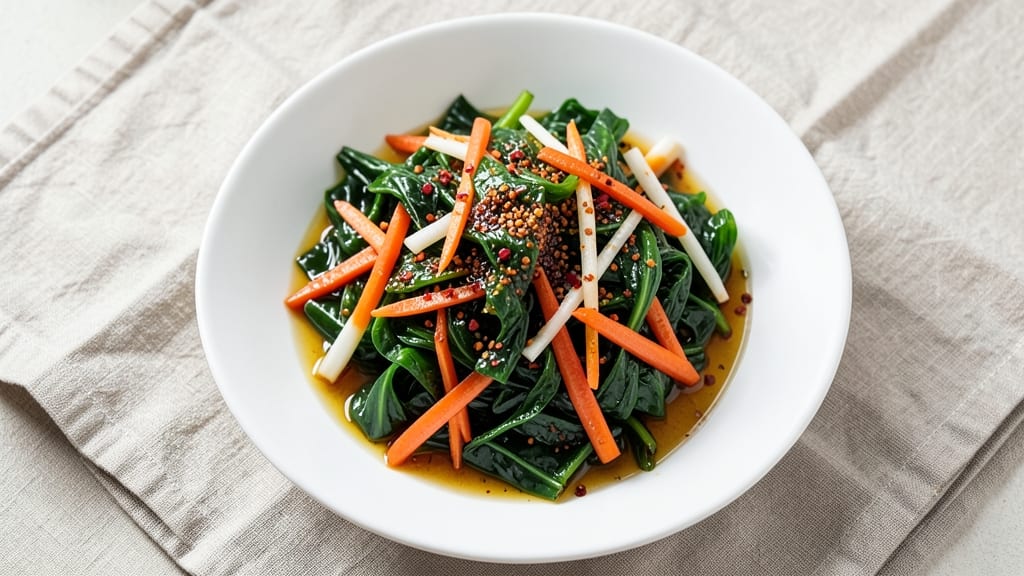
This Asian pickled salad recipe transforms simple vegetables into a vibrant, tangy side dish that adds bold flavors to any meal. The secret lies in the fermentation process, which creates a probiotic-rich crunch that’s both refreshing and complex.
I’ve perfected a method inspired by traditional Korean baechu kimchi but simplified for home cooks—no special equipment required.
The base uses crisp vegetables like cabbage and carrots, fermented in a bright, tangy brine of rice vinegar, sugar, and a touch of chili for heat. The result is a salad with layers of flavor: sweet, sour, spicy, and umami.
Unlike store-bought versions, this recipe stays fresh for weeks in the fridge, making it perfect for meal prep.
What makes this salad stand out is its versatility. Serve it as a side with grilled meats, pair it with rice for a light meal, or enjoy it as a topping for bowls and wraps.
The fermentation process also boosts gut health, thanks to natural probiotics. Ready in just 30 minutes of prep (plus fermentation time), this dish is a game-changer for adding depth to your meals.
The key to success is patience—letting the flavors develop over time. Start with a small batch to test your taste, then scale up as you master the balance of tang, crunch, and spice. Whether you’re new to fermenting or a seasoned pro, this recipe delivers restaurant-quality results at home.
Ingredients for asian pickled salad
Simple vegetables meet bold flavors in this tangy, fermented Asian pickled salad.
| Ingredient | Amount | Notes |
|---|---|---|
| Napa Cabbage 🥬 | 1 small head | Shredded, core removed |
| Carrots 🥕 | 2 medium | Julienned or matchstick cut |
| Daikon Radish 🥕 | 1 small | Julienned or thinly sliced |
| Rice Vinegar 🍶 | ½ cup | White or seasoned variety |
| Sugar 🍚 | ¼ cup | White granulated |
| Gochugaru (Korean Chili Flakes) 🌶️ | 1 tbsp | Adjust for spice preference |
| Salt 🧂 | 1 ½ tsp | Kosher or sea salt |
| Fresh Ginger 🧅 | 1 inch | Peeled, julienned |
| Garlic Cloves 🧄 | 4 cloves | Minced or grated |
| Sesame Oil 🫒 | 1 tbsp | Toasted sesame preferred |
| Toasted Sesame Seeds 🌾 | 1 tbsp | For garnish |
The cabbage is the star—look for small heads with tightly packed leaves at Asian markets or the produce section. Trader Joe's usually carries good quality, but if you're at a regular grocery store, pick the firmest head you can find. Daikon radish adds that signature crunch, and it's worth hunting down if your store doesn't stock it—Korean or Japanese markets are your best bet. For the chili flakes, gochugaru is ideal, but regular red pepper flakes work in a pinch. Just know it'll be less sweet and more heat. Ginger and garlic are non-negotiable for that authentic umami punch—don't skip them.
No rice vinegar? Apple cider vinegar or white vinegar will work, but the flavor won't be quite the same. Running short on sugar? Honey or maple syrup at half the amount does the trick, though it'll add a different sweetness profile. The sesame oil is where you can get fancy—toasted sesame oil from Trader Joe's or Korean grocery stores has the best nutty flavor. Regular sesame oil is fine, but it won't have that same depth. For the sesame seeds, toast them in a dry pan for 30 seconds until fragrant—game-changer. No sesame seeds? Poppy seeds or crushed peanuts add a nice texture contrast.
This salad gets better with time—wait at least 4 hours before eating, but 3-5 days in the fridge is ideal for maximum flavor development. Store in an airtight container with the liquid covering the veggies. The longer it ferments, the tangier it gets, so taste it daily and stop when it reaches your preferred level of sourness. Portion into small containers for easy grab-and-go sides. It keeps for up to 2 weeks in the fridge, though the texture gets softer over time. For longer storage, freeze portions for up to 3 months—just thaw in the fridge overnight.
Why You'll Love This Recipe
- No-Fuss Prep: The cabbage and radish barely need chopping—just thin slices, and you’re done. Honestly, I’ve made this while scrolling through my phone, and it still comes out crisp and perfect.
- Sweet-Tangy Magic: That balance of sugar and rice vinegar? It’s like a flavor party in your mouth. The daikon’s mild bite and carrots’ crunch make every bite refreshing—no heavy seasoning needed.
- Meal Prep MVP: I keep a jar in my fridge all week—toss it with grilled chicken for lunch, serve it cold with sushi, or just eat it straight. It’s the one side dish that never gets boring.
- Budget Crunch Saver: A whole head of cabbage and a radish last me ages, and the vinegar and sugar cost pennies. Between us, this is how I feed my family well without breaking the bank.
Step-by-step instructions for Asian pickled salad
This tangy, crunchy salad comes together in minutes but delivers restaurant-quality flavor.
Prepare and Shred the Vegetables
Start by cutting the 1 small head Napa Cabbage in half lengthwise and removing the tough core. Then, using a sharp knife or mandoline, shred the cabbage into thin, even strips—about ¼-inch wide. You should end up with roughly 6 cups of shredded cabbage. Set it aside in a large bowl.
Next, peel the 2 medium Carrots and cut them into julienne strips or matchsticks. For the 1 small Daikon Radish, peel it first, then slice it thinly—about ⅛-inch thick. Add both to the bowl with the cabbage. The goal is to keep all your vegetable pieces roughly the same size so they pickle evenly. I like to work quickly here to avoid bruising the delicate cabbage leaves.
Create the Pickling Marinade
In a medium bowl, whisk together the 0.5 cup Rice Vinegar, 0.25 cup Sugar, 1 tbsp Gochugaru (Korean Chili Flakes), and 1.5 tsp Salt until the sugar and salt dissolve completely. This marinade is the heart of your salad, so make sure everything is well combined—no grainy bits of sugar or clumps of salt.
Now, add the 1 inch Fresh Ginger (peeled and julienned) and 4 cloves Garlic Cloves (minced or grated) to the marinade. Give it another quick stir. The ginger and garlic will infuse their bold flavors into the vinegar mixture, creating a complex base that balances the sweet, tangy, and spicy notes. Let this sit for 5 minutes while you finish prepping the vegetables.
Combine and Massage the Salad
Pour the marinade over the shredded vegetables in the large bowl. Using clean hands, gently toss everything together until the vegetables are evenly coated. Here's the thing—don't be shy with your hands. Massage the salad for about 2-3 minutes, pressing down and squeezing the cabbage to help it soften and absorb the marinade. This step is crucial for achieving that perfect tender-crunch texture.
Once the vegetables are well-coated and slightly wilted, let the salad sit at room temperature for 10 minutes. This resting time allows the flavors to meld and the vegetables to absorb more of the marinade. You'll notice the cabbage starts to soften just slightly, while the carrots and daikon radish retain their crisp bite. This balance is what makes this salad so satisfying.
Finish with Sesame Oil and Garnish
After the salad has rested, drizzle in the 1 tbsp Sesame Oil and toss gently to distribute it evenly. The sesame oil adds a nutty depth that ties all the flavors together. Taste a piece of cabbage—it should be tangy, slightly sweet, with a hint of spice and umami from the sesame.
Finally, sprinkle the salad with 1 tbsp Toasted Sesame Seeds just before serving. These seeds add a delightful crunch and visual contrast to the soft, pickled vegetables. Serve immediately while the flavors are vibrant and the vegetables are at their best texture. This salad keeps well in the refrigerator for up to 3 days, but it's best enjoyed fresh.
Pro Tips For Making Asian Pickled Salad
- SHRED SMALLER THAN YOU THINK: I learned this the hard way—tiny, even shreds (about ¼-inch or smaller) let the rice vinegar and sugar penetrate faster and keep the daikon and carrots from turning mushy. Big chunks stay crunchy longer, but they’ll taste like they’re swimming in their own juice instead of absorbing the flavor.
- SALT THE CABBAGE FIRST: Sprinkle a generous pinch of salt (about ½ teaspoon per pound) on the Napa cabbage leaves and let it sit for 10 minutes before rinsing. This softens the tough outer leaves and pulls out bitterness—skip it, and your salad will taste harsh no matter how much sugar you add.
- USE HOT VINEGAR FOR FASTER FLAVOR: Warm the rice vinegar and sugar together (just until dissolved, not boiling) before pouring it over the veggies. The heat helps the sugar dissolve completely and speeds up the pickling process by 24 hours—your salad will taste tangy and sweet right away instead of waiting days for the flavor to develop.
- DRAIN WELL AFTER 30 MINUTES: The first 30 minutes are when the veggies absorb the most liquid, but leaving them to sit longer makes them soggy. After mixing, drain in a colander for 10 minutes, then pack them back into the jar. This keeps the texture crisp, especially for the daikon and carrots, which turn into a sad, watery mess if ignored.
Pro cooking tips for great asian pickled salad
Fermentation Mastery
For the best texture and flavor, ferment your salad for at least 4 hours at room temperature before refrigerating. I place mine in a quart-sized mason jar, pressing down firmly to submerge the veggies completely in the brine.
This prevents mold growth and ensures even fermentation. The longer it sits (up to 3 days), the tangier and more complex the flavors become—think of it like a flavor bomb waiting to explode. 💥
Vegetable Prep Secrets
Use a sharp mandoline slicer for even, thin strips—about ⅛-inch thick—to maximize surface area for quick pickling. For cabbage, remove the core completely and discard it; even a tiny piece left behind can make your salad bitter.
If you don’t have a mandoline, a sharp chef’s knife works fine, but take your time to keep cuts consistent. The goal is uniform pieces that pickle evenly. 🔪
Salt and Sugar Balance
The 1.5 tsp salt serves two purposes: it draws out moisture from the veggies (which gets absorbed by the marinade) and helps preserve them. If you’re using iodized table salt, reduce to 1 tsp since it’s saltier.
For the sugar, I recommend white granulated, but if you’re using honey, reduce to 2 tbsp—it’s sweeter and can overpower the tang if you use too much. Taste the marinade before adding it to the veggies; it should be slightly sweet and tangy, not cloying. 🍯
Ginger and Garlic Infusion
Don’t just add the ginger and garlic to the marinade—let them steep for 5 minutes before mixing with the veggies. This step extracts their maximum flavor. For extra potency, lightly toast the garlic cloves in a dry pan for 30 seconds until fragrant before mincing.
Fresh ginger should be peeled and julienned into thin strips; avoid grating it, as it can make the salad bitter. The aroma alone will make your kitchen smell amazing. 🧄
Sesame Oil Timing
Add the 1 tbsp sesame oil right before serving to preserve its delicate nutty flavor. If you add it too early, the oil can become rancid, especially if the salad sits for more than 24 hours.
For extra richness, warm the oil slightly before drizzling—just heat it in a small pan over low heat for 30 seconds until fragrant. This enhances the aroma and flavor without cooking the salad. 🫒
Storage and Reuse
Store your salad in an airtight container with the pickling liquid covering the veggies completely. If the liquid evaporates, add a splash of rice vinegar or water to keep the veggies submerged.
The salad will keep in the fridge for up to 2 weeks, though the texture softens over time. For a quick flavor boost, save the leftover pickling liquid and use it as a dressing for other dishes—it’s packed with umami and tang. ✨
Nutrition facts
Frequently asked questions
Can I make this salad without fermenting it?
Yes! For a quick version, skip the fermentation and toss the veggies with the marinade immediately. This gives you a fresh, tangy salad in 10 minutes instead of waiting. However, fermenting for even just 4 hours develops deeper flavors and probiotics. The trade-off is worth it for that restaurant-quality tang!
What if I don't have gochugaru (Korean chili flakes)?
Use ½ tbsp red pepper flakes or ¼ tsp cayenne pepper for heat, but the flavor won't be as nuanced. For a sweeter, milder option, try 1 tsp sweet paprika—just reduce the sugar slightly to balance the sweetness. The key is adjusting the spice level to your taste!
How can I add protein to this vegetarian salad?
Try crispy tofu cubes (pan-fried with soy sauce and cornstarch) or edamame for plant-based protein. For a non-vegetarian twist, add grilled shrimp or thinly sliced chicken. Just cook the protein separately and toss it in right before serving to keep it fresh and crisp.
Why did my salad turn slimy or moldy?
This usually happens when veggies aren't fully submerged in the brine or if stored improperly. Always keep the salad covered with liquid in an airtight container. If mold appears, discard it immediately—it can happen even with proper storage. For best results, ferment for no longer than 5 days.
Can I use this pickling liquid for other dishes?
The leftover brine makes an amazing dressing for noodles, grilled meats, or even a quick marinade. Strain out any solids, then use it as-is or dilute with water. It's packed with umami and tang—perfect for adding depth to any dish!